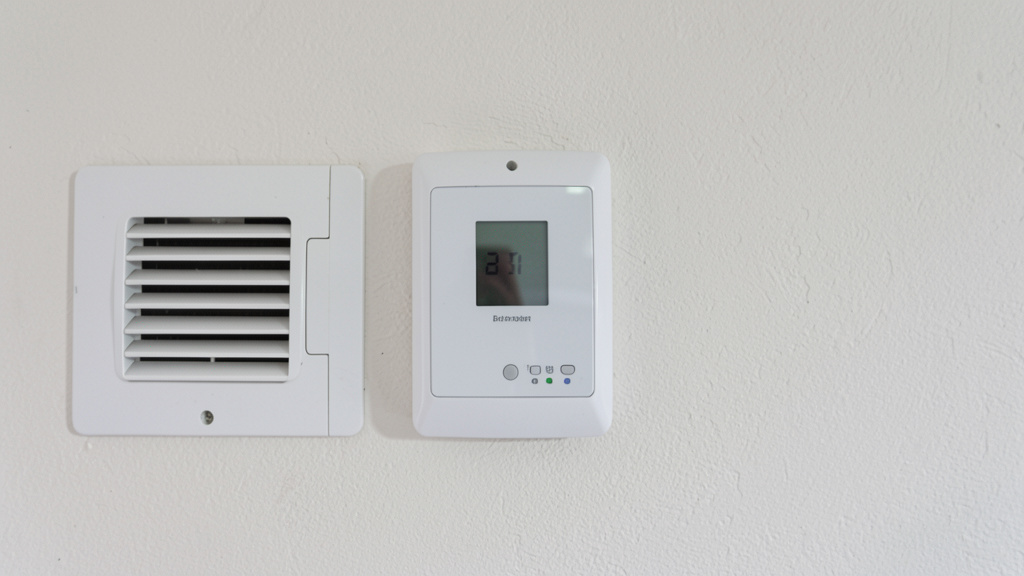
Your Unified Blueprint to Understanding, Choosing, and Maintaining a Heating, Ventilation, and Air Conditioning System for Optimal Comfort, Efficiency, and Peace of Mind
Your home’s HVAC system operates silently in the background, yet its performance shapes everything from monthly energy bills to your family’s health and comfort. Despite its importance, navigating heating, cooling, and ventilation often feels overwhelming—filled with technical jargon, conflicting advice, and high-stakes decisions. This guide cuts through the noise. Developed through analysis of industry standards, technological advancements, and real-world homeowner challenges, it presents a cohesive framework to understand your HVAC system as an integrated whole. Whether troubleshooting a drafty room, planning an upgrade, or extending the life of your current setup, this resource delivers actionable insights at every step.
Introduction: Why Your HVAC System Deserves Deeper Understanding
Imagine walking into a room where the air feels stale, temperatures fluctuate unpredictably between floors, or humidity clings to surfaces despite running the air conditioner. These aren’t minor inconveniences—they’re symptoms of an unbalanced climate control ecosystem. Historically, heating, cooling, and ventilation were treated as separate domains. Furnaces handled winter warmth, window units battled summer heat, and “fresh air” meant opening a window. Today’s high-performance homes demand integration. Modern building science reveals that sealing homes for energy efficiency without addressing air exchange creates indoor air quality risks. Simultaneously, climate volatility intensifies demands on aging equipment. Drawing from ASHRAE (American Society of Heating, Refrigerating and Air-Conditioning Engineers) foundational principles and evolving residential standards, this guide reframes HVAC not as isolated appliances but as a dynamic, interconnected system. Understanding this triad transforms you from a passive equipment owner into an informed steward of your home’s environment—capable of making decisions that enhance comfort, protect health, conserve resources, and preserve property value.
The HVAC Triad Framework: Harmony Through Integration
True climate control mastery emerges when heating, cooling, and ventilation function as intentional partners—not competing components. This framework rejects the outdated “band-aid” approach (replacing a furnace without evaluating ductwork, installing AC without considering humidity control) in favor of holistic system thinking. Each element influences the others: an oversized air conditioner fails to dehumidify properly, straining ventilation needs; inadequate air sealing forces heating systems to overwork; poor ventilation traps pollutants that degrade indoor air quality regardless of temperature settings. By evaluating your home through this integrated lens, hidden inefficiencies can be uncovered and synergistic solutions unlocked. Industry studies indicate that homes designed or retrofitted using this triad approach can achieve energy efficiency improvements in the range of 15–30%, along with notably improved comfort consistency and indoor air quality, when compared to piecemeal upgrades. The following sections deconstruct each pillar with precision, practicality, and purpose.
Step 1: Heating Systems Decoded—Beyond “Just Warmth”
Heating is rarely just about temperature. It’s about how warmth is delivered, the fuel source’s implications, humidity interaction, and compatibility with your home’s structure. This section explores major heating technologies with actionable clarity.
Furnaces: The Workhorse Refined
Gas furnaces (natural gas or propane) remain prevalent in North America due to efficiency and heating capacity. Modern units are categorized by stages and efficiency:
– Single-Stage: Operates at 100% capacity whenever calling for heat. Simple, lower upfront cost, but causes temperature swings (“cold then blast of hot air”) and higher runtime noise. Best suited for mild climates or tight budgets where runtime is minimal.
– Two-Stage: Runs at ~65% capacity most of the time, shifting to high only during extreme cold. Smoother temperature maintenance, quieter operation, better air filtration (longer runtime moves more air through filters), and modest energy savings over single-stage. Ideal for most climates.
– Modulating: Adjusts heat output in small increments to precisely match demand. Paired with a variable-speed blower fan, it delivers near-silent, ultra-steady comfort. Highest efficiency (up to 98.5% AFUE—Annual Fuel Utilization Efficiency), but premium cost. Exceptional for homes with zoning, allergy concerns (continuous low-speed filtration), or extreme climates.
Critical nuance: AFUE ratings measure combustion efficiency, not system efficiency. A high-AFUE furnace paired with leaky ducts in an unconditioned attic may deliver significantly less usable heat to living spaces. Always evaluate the entire delivery path.
Heat Pumps: The Climate-Spanning Innovator
Once limited to mild climates, modern cold-climate air-source heat pumps (ASHPs) now operate efficiently in sub-freezing temperatures. They move heat rather than generate it—extracting ambient warmth from outdoor air (even when cold) and transferring it indoors. In summer, the cycle reverses for cooling. Key metrics:
– HSPF2 (Heating Seasonal Performance Factor): Measures heating efficiency. Look for ≥ 10.0 HSPF2 for colder regions; ≥ 8.5 for moderate zones.
– SEER2 (Seasonal Energy Efficiency Ratio): Cooling efficiency metric. Minimum federal standard is 14.3 SEER2 (2023); high-efficiency models reach 25+ SEER2.
Real-world scenario: A household in a northern climate replaced an aging gas furnace and AC unit with a cold-climate heat pump paired with their existing gas furnace as backup—a “dual-fuel” setup. During shoulder seasons (fall/spring), the heat pump handled heating needs efficiently. Only during sustained deep freezes did the gas furnace activate. Result: substantially lower annual heating costs, seamless cooling, and elimination of two separate maintenance contracts. Exception note: In regions with very low natural gas costs and higher electricity rates, a high-efficiency gas furnace may still have lower operating costs than a heat pump—but this gap is narrowing rapidly with technology advances and available incentives.
Boilers and Hydronic Systems: Radiant Comfort
Boilers heat water circulated through baseboard radiators, radiators, or tubing embedded in floors (radiant floor heating). Advantages include silent operation, even heat distribution (no drafts), and compatibility with diverse heat sources (gas, oil, propane, solar thermal). Radiant floor systems create exceptional comfort: warmth rises from the floor where you feel it most, potentially allowing lower thermostat settings while maintaining perceived comfort. Limitations include higher installation complexity (especially retrofits), slower response time to temperature changes, and incompatibility with central air conditioning without adding separate ductwork or ductless units. Ideal for additions, slab-on-grade homes, or households sensitive to airborne particles (no forced air circulating dust).
Ductless Mini-Splits: Precision Zoning Power
These systems consist of an outdoor compressor/condenser connected to one or more indoor air-handling units mounted high on walls or ceilings. No ductwork required. Each indoor unit operates independently—perfect for room additions, converted spaces, historic homes where duct installation is impractical, or creating personalized temperature zones. Modern units offer high efficiency (up to 30+ SEER2), whisper-quiet operation, and advanced air filtration. Many include heat pump functionality for year-round climate control. Budget consideration: While single-head systems are cost-competitive long-term, multi-head installations require careful sizing. Emergency alternative: For temporary heating in a single room during equipment failure, an oil-filled radiator (not a fan heater) provides safer, more comfortable radiant heat with tip-over and overheat protection—never use unvented propane or kerosene heaters indoors due to carbon monoxide and moisture risks.
The Fundamental Principle: Heating comfort is defined not by peak temperature output, but by the consistency of delivery, compatibility with your home’s air dynamics, and synergy with cooling and ventilation needs. The most suitable heater integrates seamlessly into your entire climate ecosystem.
Step 2: Cooling Systems Demystified—Beyond “Just Cold Air”
Cooling is fundamentally about heat removal and moisture management. An air conditioner that only lowers temperature while leaving air clammy creates discomfort and mold risk. Understanding this duality is critical.
Central Air Conditioning: The Integrated Standard
Central AC shares components with forced-air heating systems: the outdoor condenser unit pairs with the furnace’s indoor evaporator coil and blower fan. Refrigerant absorbs heat and humidity indoors, releases it outside. Key considerations:
– SEER2 Rating: Federal minimum is now 14.3 SEER2 (varies slightly by region). Upgrading from an older unit (e.g., 10 SEER) to 16 SEER2 typically reduces cooling energy use significantly. High-efficiency models (20+ SEER2) use variable-speed compressors and fans for precise dehumidification and quieter operation.
– Dehumidification Mode: Essential feature. Standard AC cycles on/off based solely on temperature. When humidity is high but temperature is moderate (e.g., 72°F but 70% RH), the system shuts off too soon, leaving air sticky. Units with dedicated dehumidification mode run the fan at low speed longer after the compressor cycles off, removing more moisture without overcooling. Critical mistake to avoid: Setting the thermostat fan to “ON” continuously to “circulate air” can reintroduce moisture the evaporator coil just removed—use “AUTO” mode unless your system has a specific humidity-control setting.
Heat Pumps: The Dual-Function Champion (Revisited)
As noted in heating, modern heat pumps provide highly efficient cooling. Their variable-speed technology excels at maintaining precise humidity levels. In regions with moderate cooling needs, a heat pump often eliminates the need for a separate AC unit, simplifying the system and reducing maintenance points. For hot-humid climates (Southeastern US, Gulf Coast), verify the specific model’s dehumidification capacity matches your home’s latent load.
Evaporative Coolers (“Swamp Coolers”): The Arid-Climate Specialist
These units cool air by passing it over water-saturated pads, leveraging evaporation. They consume far less electricity than refrigerant-based AC and add beneficial humidity in dry climates (Southwest US, high deserts). However, they increase indoor humidity—making them ineffective and potentially problematic (promoting mold) in humid regions (relative humidity consistently above 50%). Require open windows for airflow, reducing security and allowing dust/pollen entry. Best suited for garages, workshops, or whole-house use only in appropriate climates with proper sizing and maintenance (pad cleaning/replacement).
Ductless Mini-Splits: Targeted Cooling Excellence
Ideal for cooling specific zones without conditioning unused spaces. Modern units feature multi-directional airflow vanes to avoid blowing cold air directly on occupants (“draft discomfort”), sleep modes that gradually adjust temperature overnight, and Wi-Fi controls for pre-cooling. For historic homes with plaster walls where duct installation would be destructive, mini-splits offer discreet indoor units and preserve architectural integrity. Budget path: A single-head mini-split for a primary living area often provides better comfort and lower operating costs than multiple window units, with none of the security risks, noise, or window obstruction.
The Humidity Imperative: Why “Cool but Clammy” Happens
Relative humidity (RH) above 60% feels oppressive even at 72°F. Below 30%, air feels dry, irritating sinuses and woodwork. The ideal range is 40–50% RH year-round. Standard AC units primarily lower temperature; moisture removal is a secondary effect. When an AC is oversized (a common installation error), it cools the air to the thermostat setting too quickly, short-cycling before removing adequate moisture. Result: cold, damp air. Solutions include:
1. Proper Manual J load calculation before equipment selection (never size based on square footage alone).
2. Selecting equipment with enhanced dehumidification modes.
3. Adding a standalone whole-house dehumidifier integrated into the duct system (ideal for basements or humid climates).
4. Using a smart thermostat with humidity-sensing capabilities to optimize run cycles.
Step 3: Ventilation Systems Unveiled—The Forgotten Lifeline
Ventilation is not “just opening windows.” In today’s tightly sealed, energy-efficient homes, intentional mechanical ventilation is essential for health. The EPA identifies indoor air pollution as among the top environmental health risks. Without controlled air exchange, pollutants accumulate: volatile organic compounds (VOCs) from paints/furniture, carbon dioxide from breathing, moisture from cooking/showering, radon gas (in some regions), and biological contaminants. Ventilation dilutes and removes these hazards. The following clarifies ventilation types:
Natural Ventilation: Unreliable and Uncontrolled
Opening windows provides fresh air but introduces unfiltered pollen, dust, noise, security risks, and unconditioned air (forcing HVAC to work harder). It offers zero consistency—dependent on wind, temperature, and occupant behavior. Not a reliable solution for modern homes.
Spot Ventilation: Targeted Exhaust
Bathroom exhaust fans and kitchen range hoods remove moisture and pollutants at the source. Critical for preventing mold in bathrooms and grease/odors in kitchens. Common failure points:
– Undersized fans (measure CFM—cubic feet per minute; bathrooms need 50–100 CFM, kitchens 100–600+ CFM based on stove size).
– Vents terminating in attics (dumping moisture directly into insulation—always vent outdoors through roof or soffit).
– Infrequent use (run bathroom fan 20+ minutes after showering; use range hood during and after cooking).
– Dirty filters/grilles reducing airflow.
Pro tip: Install humidity-sensing bathroom fans that auto-activate when moisture rises, or timer switches ensuring adequate runtime.
Whole-House Ventilation: The Essential System
This provides controlled, filtered fresh air throughout the home. Four primary types:
1. Exhaust-Only: Uses fans (often in bathrooms) to pull stale air out, drawing fresh air in through leaks. Simple, low-cost, but uncontrolled—can draw pollutants from garages or crawlspaces. Best for mild climates in older, leakier homes.
2. Supply-Only: Pushes filtered outdoor air in, pressurizing the house to push stale air out through leaks. Better filtration control than exhaust-only, but can force moisture into wall cavities in cold climates (condensation risk).
3. Balanced: Uses separate fans to bring in and exhaust equal amounts of air. Prevents pressure imbalances. Basic balanced systems lack energy recovery.
4. Energy Recovery Ventilators (ERVs) & Heat Recovery Ventilators (HRVs): The recommended approach for tight, efficient homes. These balanced systems pass outgoing stale air and incoming fresh air through a core that transfers:
– HRVs: Heat energy only (ideal for cold, dry climates—recovers heat from exhaust air to pre-warm incoming air).
– ERVs: Heat and moisture energy (ideal for hot-humid or mixed climates—transfers humidity out with exhaust air in summer, in during dry winter months).
Real impact: An ERV/HRV can recover a significant portion of the energy that would otherwise be lost ventilating, making fresh air efficient. For a typical family home, running an ERV uses minimal energy while providing continuous fresh air equivalent to cracking windows—without drafts, pollen, or security issues.
Ventilation Rates: How Much is Enough?
ASHRAE Standard 62.2 provides formulas, but a practical guideline: whole-house systems should provide approximately 0.35 air changes per hour (ACH), not exceeding 30 CFM per person. For a typical 2,000 sq ft home with 3 occupants, this translates to ~50–70 CFM of continuous fresh air. Underventilation risks health; over-ventilation wastes energy. Smart ERVs/HRVs with CO2 or humidity sensors modulate airflow based on actual need—running higher when the house is full of guests, lower when empty.
Beyond the Triad: Integration, Controls, and Smart Home Synergy
A high-efficiency furnace paired with leaky ducts and a basic thermostat cannot achieve its potential. Integration unlocks true performance. The thermostat acts as your system’s coordinator—its capabilities dictate how the triad collaborates.
Thermostat Evolution: From Dial to Data Hub
– Manual/Mechanical: Simple, reliable, but no scheduling. Prone to energy waste from forgetfulness.
– Programmable: Allows setting schedules (e.g., lower heat at night). Critical friction: Complex programming leads many homeowners to override schedules, reducing potential savings. Studies show actual savings often fall below theoretical estimates due to user error.
– Smart/Connected: Learns patterns, adjusts remotely, provides usage reports, and integrates with other systems. True value emerges in integration:
– Geofencing: Automatically adjusts temperature when your phone leaves/arrives home.
– Humidity Coordination: Signals the AC to run longer in dehumidify mode if sensors detect rising humidity.
– Ventilation Syncing: Tells the ERV to boost airflow when indoor CO2 levels rise (with compatible sensors).
– Maintenance Alerts: Notifies when filter changes are due or detects abnormal runtime patterns.
– Utility Integration: Participates in demand-response programs for bill credits.
Budget-conscious path: A basic Wi-Fi thermostat ($100–$150) offering remote access and simple scheduling delivers substantial value for most households. Prioritize compatibility with your HVAC system (check voltage requirements—most smart thermostats need a C-wire; adapters exist if absent).
Zoning: Comfort Tailored to Space and Schedule
Standard systems treat the entire house as one zone. Zoning uses motorized dampers in ducts and multiple thermostats to create independent climate zones (e.g., “Upstairs,” “Downstairs”). Benefits:
– Eliminate hot/cold spots (e.g., sunny south-facing rooms vs. north-facing bedrooms).
– Avoid heating/cooling unused spaces (guest rooms, home offices).
– Accommodate differing preferences.
Installation reality: Retrofitting zoning into existing ductwork is complex and costly. Best implemented during new construction, major renovations, or full HVAC replacement. Alternative for existing homes: Ductless mini-splits inherently provide zoning—one outdoor unit can support multiple indoor heads, each independently controlled. Often more cost-effective than retrofitting ducted zoning.
Air Quality Integration: The Invisible Upgrade
Ventilation brings in fresh air; filtration cleans the air inside your system. Consider this layered defense:
1. MERV-Rated Filters: Minimum Efficiency Reporting Value. Standard 1″ pleated filters: MERV 8 (captures pollen, dust). For allergy concerns: MERV 11–13 (captures mold spores, pet dander). Caution: MERV 14+ filters restrict airflow significantly in standard systems—only use if your HVAC blower is rated for high static pressure (consult a professional). Change filters regularly; mark your calendar.
2. Media Air Cleaners: Cabinet-sized units installed in ductwork with deep pleated filters (MERV 15–16). Capture smaller particles with less airflow restriction than high-MERV 1″ filters. Require professional installation and annual filter replacement.
3. UV-C Light Systems: Installed near the evaporator coil, they disrupt mold, bacteria, and viruses on surfaces. Do not clean airborne particles—complement filtration, don’t replace it. Effective for preventing microbial growth on wet coils (a common source of odors).
4. Portable Air Purifiers: Strategic placement in bedrooms or living areas with HEPA filters provides localized cleaning. Look for CADR (Clean Air Delivery Rate) ratings matching room size. Critical note: Ozone-generating “air purifiers” are hazardous—avoid entirely per EPA and CDC guidance.
The Critical Path: Sizing, Installation, and Avoiding Costly Mistakes
Equipment selection is only part of the equation. Installation quality determines real-world performance, efficiency, and lifespan. This is where many challenges originate.
The Non-Negotiable: Manual J Load Calculation
This detailed engineering calculation (per ACCA—Air Conditioning Contractors of America standards) determines your home’s precise heating and cooling loads (BTUs required). It factors in:
– Square footage and room-by-room dimensions
– Window type, size, orientation, and shading
– Insulation levels (walls, attic, floors)
– Air leakage estimates
– Local climate data
– Occupancy patterns and internal heat sources
Why it matters: An oversized system short-cycles, failing to dehumidify properly (cooling) or maintain even temperatures (heating), increasing wear and energy use. An undersized system runs constantly, struggling to reach setpoints. Red flag: Any contractor who quotes a price based only on square footage is skipping this critical step. Request to see the Manual J report before proceeding. Reputable contractors include this in their assessment.
Ductwork: The Circulatory System Audit
Ducts deliver conditioned air. Leaky, undersized, or poorly insulated ducts undermine even the best equipment.
– Leakage: ENERGY STAR estimates duct losses average 20–30% in unconditioned spaces (attics, crawlspaces). Seal accessible joints with mastic paste (not duct tape) and insulate ducts in unconditioned spaces.
– Design: Returns should be strategically placed to ensure balanced airflow. Supply vents should avoid blowing directly on seating areas.
– Retrofit reality: In older homes with marginal ductwork, sometimes addressing duct issues is more cost-effective long-term than installing ultra-high-efficiency equipment into a leaky system. Get multiple assessments.
DIY check: On a windy day, hold a tissue near duct joints in accessible areas. If it flutters, air is leaking. For supply vents, place tissue over vent while system runs—if it doesn’t stick firmly, airflow may be weak.
Refrigerant: The Precision Fluid
AC and heat pumps rely on precise refrigerant charge. Too little: reduces cooling capacity, causes freezing of the evaporator coil, strains the compressor. Too much: increases energy use, reduces efficiency, risks compressor damage. Only EPA Section 608-certified technicians should handle refrigerant. Warning sign: If a technician adds refrigerant without first checking for leaks, seek another contractor. Leaks must be repaired; refrigerant is not “consumed” like fuel.
The Installation Checklist: What to Verify
Before final payment, confirm:
1. Equipment matches the Manual J specification.
2. Condenser pad is level, secure, and has adequate clearance.
3. Refrigerant lines are insulated.
4. Drain lines have proper slope and secondary drain pan with safety switch.
5. Electrical connections are secure, with proper disconnect box.
6. Thermostat is installed on an interior wall away from drafts, sunlight, or heat sources.
7. You receive all manufacturer warranties, registration instructions, and operation manuals.
8. Contractor performs combustion safety tests (for gas systems): checks for carbon monoxide and verifies proper venting.
Maintenance Mastery: Seasonal Routines That Support System Longevity
Preventive maintenance is widely regarded as one of the highest-return investments for any HVAC system—dramatically reducing the likelihood of unexpected breakdowns, typically reducing energy consumption by 5–15%, and contributing to a longer operational lifespan for your equipment. Think of it as routine vehicle service: skipping maintenance risks major failures. Here’s an actionable calendar.
Monthly (Homeowner Tasks)
– Air Filter: Check visually. Replace if visibly dirty. Standard 1″ filters: every 30–90 days. High-efficiency pleated or media filters: every 90–180 days. Pro tip: Keep spare filters nearby. Set phone reminders. Write the replacement date on the filter frame.
– Thermostat: Verify settings match season. Clean screen gently. Check battery if applicable.
– Outdoor Unit (Condenser): Scan for debris (leaves, grass clippers). Ensure 2-foot clearance on all sides. Never hose down while running—power off first if cleaning is needed.
Seasonal (Homeowner + Professional Tasks)
Spring (Pre-Cooling Season):
– Homeowner: Clear vegetation around condenser unit. Check condensate drain line for blockages (pour 1 cup vinegar down the indoor drain pipe to inhibit algae).
– Professional Tune-Up (Schedule annually):
– Measure refrigerant charge and check for leaks
– Clean evaporator and condenser coils
– Inspect and clean blower components
– Check electrical connections, capacitors, contactors
– Verify thermostat calibration
– Test safety controls
– Measure airflow and static pressure
– Inspect ductwork for leaks (if accessible)
Fall (Pre-Heating Season):
– Homeowner: Remove debris from around furnace area. Test carbon monoxide detectors (replace batteries).
– Professional Tune-Up (Schedule annually):
– Inspect heat exchanger for cracks (critical safety check for gas/oil systems)
– Clean burners and ignition assembly
– Check gas pressure and combustion efficiency
– Test safety controls (limit switches, flame sensor)
– Inspect flue venting for blockages or corrosion
– Clean or replace air filter
– Check humidifier (if equipped) and drain line
– Verify operation of emergency shutoff
Why two tune-ups? Heating and cooling stress different components. A spring check ensures efficient, safe cooling; a fall check prevents dangerous heating failures. Many contractors offer discounted annual maintenance agreements bundling both visits. Budget alternative: If budget allows only one professional visit yearly, prioritize the fall tune-up for safety (combustion checks). Supplement with diligent homeowner tasks.
Deep Maintenance Every 3–5 Years
– Duct Cleaning: Only necessary if visible mold growth inside ducts, pest infestation, or excessive debris restricting airflow. Choose NADCA-certified professionals who clean all components and use source-removal methods. Avoid “low-cost” specials that skip critical steps.
– Blower Wheel Cleaning: Accumulated dust reduces airflow significantly. Requires professional disassembly.
– Drain Line Flush: Prevent clogs with annual vinegar or diluted bleach flush. Install an algae tablet in the drain pan for ongoing prevention.
Repair vs. Replace: A Decision Framework with Real-World Scenarios
When your system falters, emotion (“I need heat NOW!”) clashes with economics. This structured framework removes guesswork. Keep this checklist accessible for crisis moments.
The Age Threshold
– Under 10 years: Repair is usually economical unless failure involves a major, recurring component.
– 10–15 years: Evaluate repair cost vs. remaining lifespan. A significant repair on a system nearing end-of-life may not be wise.
– Over 15 years: Strongly consider replacement. Older systems operate at notably lower efficiency than modern units. Repair costs escalate as parts become scarce. Safety risks increase (e.g., cracked heat exchangers in furnaces).
The 50% Rule
If the repair cost exceeds roughly 50% of the price of a new comparable unit and the system is over 10 years old, replacement is typically more cost-effective long-term. Example: A major repair quote on a 13-year-old AC unit where a new unit costs significantly more. Factor in:
– Energy savings: New unit may reduce cooling costs substantially.
– Rebates/incentives: Utility companies and federal tax credits can offset replacement cost.
– Warranty: New system includes parts/labor warranty; repaired old system has none.
– Reliability: Avoids repeat failures during peak season.
Failure Pattern Analysis
Track repairs over 24 months:
– One major repair? May warrant fixing.
– Two+ major repairs in 18 months? Strong replacement signal.
– Frequent minor repairs? Indicates systemic aging.
Real-World Decision Scenarios
Scenario 1: The Aging Furnace
– Situation: 16-year-old gas furnace. Multiple component failures over 12 months.
– Analysis: Age >15 years. Multiple failures indicate systemic wear. Heat exchanger integrity is questionable (safety risk).
– Decision: Replacement is advisable. Consider lifetime costs: cumulative repairs, rising energy bills, and safety versus new high-efficiency furnace with warranty and lower operating costs.
Scenario 2: The Reliable AC with Single Failure
– Situation: 9-year-old central AC. Single component failure (e.g., capacitor). System is otherwise reliable and well-maintained.
– Analysis: Age <10 years. Single component failure. Repair cost is low relative to new unit cost.
– Decision: Repair. Schedule professional tune-up to assess overall condition. Budget for replacement in coming years.
Scenario 3: The Mismatched System
– Situation: Functional 12-year-old furnace. 14-year-old AC compressor fails.
– Analysis: AC is near end-of-life. Replacing only the outdoor condenser unit creates a mismatched system (new condenser + old evaporator coil), reducing efficiency and potentially voiding warranties.
– Decision: Replace the entire cooling system (condenser + evaporator coil). Evaluate furnace condition—if nearing 15 years, replacing both heating and cooling simultaneously ensures optimal integration, efficiency, and single warranty coverage. Leverage utility rebates often available for full-system upgrades.
Emergency Protocol
– No heat in freezing weather: Contact HVAC professional immediately. Temporarily use safe supplemental heat (electric space heaters in occupied rooms only, kept 3+ feet from combustibles; never use ovens, grills, or unvented fuel-burning heaters indoors).
– No cooling in extreme heat: Seek cooler location (library, mall) if vulnerable (infants, elderly, health conditions). Close curtains, use fans for air movement.
– Water leaking from indoor unit: Turn off AC at thermostat. Place towels to contain water. Likely clogged drain line—may be DIY fixable (vinegar flush) or require service.
– Burning smell or visible smoke: Shut off power at circuit breaker and outdoor disconnect. Evacuate and call emergency services. Do not re-enter until cleared.
Navigating Professional Help: What to Ask Contractors
Choosing an HVAC contractor is as critical as choosing equipment. A skilled technician on a modest system outperforms a novice on premium gear. Avoid choosing solely on lowest price—this is where significant mistakes occur.
Pre-Vet Checklist (Before They Step Foot in Your Home)
1. Licensing & Insurance: Verify state HVAC license is active (check state licensing board website). Confirm general liability and workers’ compensation insurance—request certificate of insurance. Uninsured contractors leave you liable for injuries on your property.
2. Certifications: Look for NATE (North American Technician Excellence) certification—industry recognition for technician knowledge. ACCA membership indicates adherence to quality installation standards (Manual J, S, D).
3. References & Reviews: Ask for recent customer references for similar projects. Check online reviews critically—note how they handle negative feedback.
4. Written Proposal Requirement: Insist on detailed, itemized proposals from at least three contractors. Reject vague quotes.
Decoding the Proposal: What a Quality Quote Includes
– Load Calculation: Explicit mention of Manual J calculation performed, with summary of heating/cooling loads.
– Equipment Specifications: Exact manufacturer, model numbers, and efficiency ratings for all components.
– Scope of Work: Detailed list of tasks (removal, installation, sealing, testing).
– Warranty Details: Manufacturer warranty terms and contractor’s labor warranty.
– Permits & Inspections: States who obtains necessary permits and schedules inspections.
– Timeline: Start and completion dates.
– Total Price: Broken into equipment, labor, disposal, permits. Clarify payment schedule (avoid large deposits; final payment due after satisfactory completion).
Red flags: Pressure to sign immediately; cash-only deals; refusal to provide written estimate; vague descriptions.
The In-Home Assessment: Key Questions to Ask
During the site visit:
– “Can you explain the factors considered in the Manual J calculation for my home?”
– “What specific observations do you have about my current ductwork or installation?”
– “Why is this specific model the best fit for my home’s needs?”
– “What steps ensure proper refrigerant charge and airflow after installation?”
– “How are unexpected issues handled during installation?”
– “Can you provide verification of technician certifications?”
Trust your instincts. Do they listen patiently? Explain concepts clearly? Respect your home (wear shoe covers)? A good contractor educates; a sales-focused contractor pressures.
Post-Installation Verification
After work is complete:
1. Test all functions: heating, cooling, fan modes. Verify thermostat controls.
2. Check for unusual noises, vibrations, or odors.
3. Confirm all areas receive adequate airflow (tissue test on vents).
4. Receive all documentation: warranty registrations, manuals, invoice, permit copies.
5. Walk through the site—ensure cleanup is thorough.
Reputable contractors stand by their work. Contact them promptly if concerns arise within the warranty period.
Future-Proofing: Emerging Technologies and Sustainable Upgrades
HVAC technology continues to evolve. Understanding trajectories helps avoid premature obsolescence and positions your home for long-term value.
Heat Pump Acceleration
Driven by technology advances (cold-climate performance), policy incentives, and grid decarbonization efforts, heat pumps are becoming increasingly viable across most US climate zones. Even in cold regions, dual-fuel systems (heat pump + gas furnace backup) offer a pragmatic path. Action step: When your current system nears end-of-life, prioritize quotes that include modern cold-climate heat pump options for informed comparison.
Smart Integration Deepening
Thermostats are evolving into whole-home climate managers:
– Predictive Maintenance: AI analyzes runtime patterns to flag potential issues before failure.
– Grid-Aware Operation: Automatically adjusts during off-peak rates or grid emergencies (earning utility incentives).
– Hyperlocal Weather Integration: Adjusts settings based on real-time micro-weather at your location.
Budget path: Start with a smart thermostat. Ensure your chosen model has an open API for future integration.
Renewable Synergies
– Solar PV Pairing: Heat pumps’ electrical efficiency makes them ideal partners for rooftop solar. Systems can optimize operation to maximize self-consumption of solar power.
– Geothermal Heat Pumps: Use stable ground temperatures for high efficiency. Highest upfront cost but lowest operating costs and longest lifespan. Ideal for new construction with available land.
– Thermal Storage: Emerging systems use off-peak electricity to “store” cooling capacity for daytime use—reducing peak demand.
Sustainability Beyond Equipment
The most efficient HVAC system is the one that doesn’t need to run as hard. Prioritize these foundational upgrades before or alongside equipment replacement:
1. Air Sealing: Caulk and weatherstrip gaps around windows, doors, pipes, and wiring penetrations. Highest impact per dollar spent.
2. Attic Insulation: Increase to recommended levels for your climate zone (e.g., R-49). Reduces heat gain/loss through the roof.
3. Window Treatments: Low-e window film or insulated cellular shades reduce solar heat gain in summer and heat loss in winter.
4. Energy Audit: Hire a BPI or RESNET certified auditor. They use blower door tests and thermal imaging to pinpoint leakage points and provide a prioritized upgrade roadmap. Many utilities offer subsidized audits.
Phasing Strategy for Budget-Conscious Homeowners
Strategic sequencing maximizes impact:
– Year 1: Energy audit + air sealing + attic insulation boost.
– Year 2: Upgrade thermostat + implement diligent maintenance.
– Year 3: Replace oldest HVAC component with high-efficiency model.
– Year 5: Add ERV/HRV during next system replacement or major renovation.
This approach spreads cost, leverages immediate savings from early steps, and avoids overwhelm.
Your Questions, Answered
Q: How often should I really replace my air filter?
A: There’s no universal calendar date—it depends on filter type, household factors, and system runtime. Check monthly: hold filter up to light; if you can’t see light through it, replace it. Standard 1″ pleated filters in average homes (no pets, low dust): every 90 days. Homes with pets, allergies, or high dust: every 30–60 days. High-efficiency media filters (4–5″ thick): every 6–12 months. Critical nuance: A clogged filter restricts airflow, causing frozen coils (AC), overheating (furnace), and higher energy use. Mark replacement dates, but always verify visually. Consistent filter maintenance is widely recognized as the single most impactful homeowner action for system longevity and indoor air quality.
Q: Is a higher SEER2 or AFUE rating always worth the extra cost?
A: Not automatically—it depends on your climate, usage patterns, local energy costs, and planned ownership duration. Calculate the payback period:
(Cost difference between high-efficiency and standard unit) ÷ (Estimated annual energy savings)
Example: High-efficiency AC costs $1,200 more but saves approximately $150/year on electricity. Payback = 8 years. If you plan to stay 10+ years, it may be worthwhile. If moving sooner, probably not. Use ENERGY STAR’s online calculator. Also consider non-energy benefits: higher SEER2 units often have better dehumidification and quieter operation. In regions with extreme heating/cooling needs, higher efficiency typically pays back faster. Consult your contractor for a customized estimate using your actual utility rates.
Q: Can I install an HVAC system myself to save money?
A: Strongly discouraged for central systems. HVAC involves complex engineering (load calculations, duct design), hazardous materials (refrigerant, natural gas, high-voltage electricity), and strict building/fire codes. Improper installation risks:
– Carbon monoxide poisoning from faulty gas connections or venting
– Electrical fire hazards
– Refrigerant leaks harming the environment and system performance
– Voided manufacturer warranties (most require certified installation)
– Inefficient operation leading to higher bills and premature failure
Exception: Some ductless mini-split manufacturers offer kits for experienced individuals, but handling refrigerant legally requires EPA Section 608 certification—a significant barrier. The liability and safety risks far outweigh potential savings. Invest in a qualified professional; it’s foundational to system safety and performance.
Q: Why does my house feel humid even when the AC is running?
A: This typically indicates one of three issues:
1. Oversized AC unit: Cools air to temperature too quickly, short-cycling before removing adequate moisture. Solution requires professional assessment—may need adjustments or (in severe cases) equipment evaluation.
2. Dirty evaporator coil or clogged air filter: Restricts airflow over the cold coil, reducing moisture removal. Solution: Schedule professional cleaning and commit to regular filter changes.
3. Lack of dedicated dehumidification: Standard AC isn’t optimized for high-humidity climates. Solution: Install a whole-house dehumidifier integrated with your HVAC system, or use a standalone dehumidifier in problem areas (basement). Ensure your thermostat has a “dehumidify” mode and use it during humid weather.
Q: What’s the difference between an HRV and an ERV, and which do I need?
A: Both provide balanced ventilation with energy recovery. The core difference is moisture handling:
– HRV (Heat Recovery Ventilator): Transfers heat only between air streams. Best for cold, dry climates. Recovers heat from exhaust air to pre-warm incoming fresh air in winter.
– ERV (Energy Recovery Ventilator): Transfers heat and moisture. Best for hot-humid climates or mixed climates with significant humidity swings. In summer, it reduces moisture load on incoming air; in winter, it helps maintain comfortable indoor humidity.
Simple guidance: If excess humidity is your primary ventilation challenge (sticky summers), an ERV is often preferable. If dry air in winter is the main concern with minimal summer humidity issues, an HRV may suffice. When uncertain, ERVs offer greater versatility for many US climates. Consult a ventilation specialist for your specific home and location.
Q: How can I reduce HVAC noise, especially from the outdoor unit?
A: Some noise is normal (compressor hum, fan whoosh), but excessive noise warrants attention:
– Immediate checks: Ensure unit is level on pad; clear debris from fins; verify no loose panels or screws.
– Professional solutions:
– Install vibration isolation pads under the unit.
– Add a compressor sound blanket (must be manufacturer-approved).
– Relocate unit further from bedrooms/patios (requires refrigerant line rerouting).
– Upgrade to a variable-speed unit (runs quieter at lower speeds most of the time).
– Landscape buffering: Plant dense shrubs (3+ feet from unit for airflow) to absorb and deflect sound. Avoid solid fences directly around unit—they trap heat and reduce efficiency.
Note: Never enclose the unit in a box—it requires ample airflow to operate safely and efficiently.
Q: Are UV lights worth installing in my HVAC system?
A: UV-C lights have specific, valuable applications but are not a universal solution:
– Coil Sterilization: Lights mounted near the evaporator coil effectively prevent microbial growth (mold, bacteria), maintaining coil efficiency and eliminating musty odors. Highly recommended in humid climates or for allergy concerns.
– Air Stream Disinfection: Lights placed in the return duct require precise dwell time and intensity. Effectiveness varies significantly by unit design and airflow speed. Less universally impactful than coil lights.
Critical considerations:
– UV lights do not remove particles (dust, dander)—they complement, don’t replace, good filtration.
– Bulbs lose intensity over time; replace annually per manufacturer specs.
– Ensure installation doesn’t damage wiring or components.
– Avoid ozone-generating UV lamps.
For most homeowners, coil-sanitizing UV lights provide clear benefit with minimal downside when professionally installed and maintained.
Q: What should I do if I smell gas near my furnace?
A: Treat this as a critical emergency:
1. Do NOT operate light switches, thermostats, phones, or any electrical device (sparks could ignite gas).
2. Do NOT light matches or candles.
3. Immediately evacuate all people and pets from the house.
4. From a safe location (neighbor’s house, cell phone outside), call your gas company’s emergency line and 911.
5. Leave doors/windows open as you exit to ventilate.
6. Do not re-enter until emergency responders declare it safe.
Natural gas and propane are odorized with mercaptan (rotten egg smell) for detection. Even a faint smell warrants immediate action. After the emergency is resolved, have a qualified HVAC technician perform a full gas line and appliance inspection before restoring service. Never ignore a gas odor.
Q: How do I know if my ducts need cleaning?
A: The EPA states duct cleaning is rarely necessary if:
– No visible mold growth inside ducts or on other HVAC components
– No evidence of rodent/insect infestation
– No excessive debris restricting airflow
– Filters are changed regularly
Consider cleaning if:
– You see visible dust/mold blowing from vents
– After major renovation (drywall dust, sawdust infiltrated system)
– Following water damage in ductwork
– Family members have unexplained respiratory issues and visible contamination is found
Crucial: Hire NADCA-certified professionals. Verify they will clean all components (supply/return ducts, plenums, grilles, blower wheel, evaporator coil) using source-removal methods (negative air machine with HEPA filtration). Avoid companies using misleading “before/after” photos of only the register. Get multiple quotes and check references specifically for duct cleaning work.
Q: Can smart thermostats really save significant energy?
A: Yes—but only if used correctly. Studies show average savings of 10–12% on heating and 15% on cooling when schedules are properly set and maintained. However, savings diminish if:
– Geofencing is disabled or inaccurate
– “Hold” is used constantly overriding schedules
– Temperature setbacks are too aggressive
Maximize savings:
– Enable auto-schedule or geofencing features.
– Set reasonable setbacks: 7–10°F lower at night/in winter; 7–10°F higher when away/in summer.
– Use “eco” modes during vacations.
– Pair with humidity control settings in humid climates.
– Review monthly energy reports to adjust habits.
For households with irregular schedules, smart thermostats’ learning capabilities and remote access deliver greater value. For very consistent routines, a well-programmed basic programmable thermostat can achieve similar savings at lower cost.
Conclusion and Next Step
Mastering your home’s climate control is not about memorizing technical specifications or chasing the latest gadget. It’s about adopting a systems-thinking mindset—recognizing that heating, cooling, and ventilation form an interdependent triad where decisions in one area ripple through the others. The most profound comfort gains often come not from replacing equipment, but from foundational improvements: sealing air leaks, adding insulation, performing consistent maintenance, and selecting controls that align with your life. You now possess a framework to evaluate any HVAC challenge—from interpreting a contractor’s proposal to diagnosing a humidity issue—with clarity and confidence. This knowledge transforms anxiety into agency, empowering you to make choices that enhance daily living, protect your family’s health, conserve resources, and safeguard one of your largest investments: your home.
The 24-Hour Rule: Your Immediate Action Plan
Within the next day, complete this single, high-impact task: Locate your air filter, remove it, and hold it up to a light source. If light does not pass through clearly, replace it immediately. While doing this:
1. Note the filter size (printed on frame) and purchase two replacements.
2. Set a recurring calendar reminder for 60 days from today to check it again.
3. Take 60 seconds to ensure the area around your furnace and outdoor unit is clear of debris (3-foot clearance).
This tiny action prevents the most common cause of system strain, improves indoor air quality today, and builds momentum for ongoing stewardship. Mastery begins with consistent micro-actions.
The Big Picture: Your Home as a Living System
Your HVAC system is not a static appliance but a dynamic participant in your home’s ecosystem. As building science evolves and technology advances, the line between “comfort system” and “health infrastructure” continues to blur. By approaching climate control with intentionality—prioritizing integration over isolation, prevention over reaction, and informed partnership over passive ownership—you cultivate a living environment that actively supports well-being. The principles in this guide extend beyond equipment: they reflect a deeper philosophy of mindful home stewardship. When you understand the “why” behind the “what,” every decision—from thermostat settings to contractor selection—becomes an opportunity to refine your sanctuary. Your journey toward optimal home climate is ongoing, but with this foundation, you move forward with clarity, confidence, and control.
Explore the Complete Home Systems Mastery Series:
Understanding Your Home’s Electrical Panel: A Safety & Upgrade Guide | The Ultimate Guide to Home Insulation: Types, R-Values, and DIY Tips | Water Heater Wisdom: Tank vs. Tankless, Sizing, and Maintenance | Indoor Air Quality Decoded: Filters, Purifiers, and Humidity Control | Smart Home Integration: Starting Simple for Maximum Impact