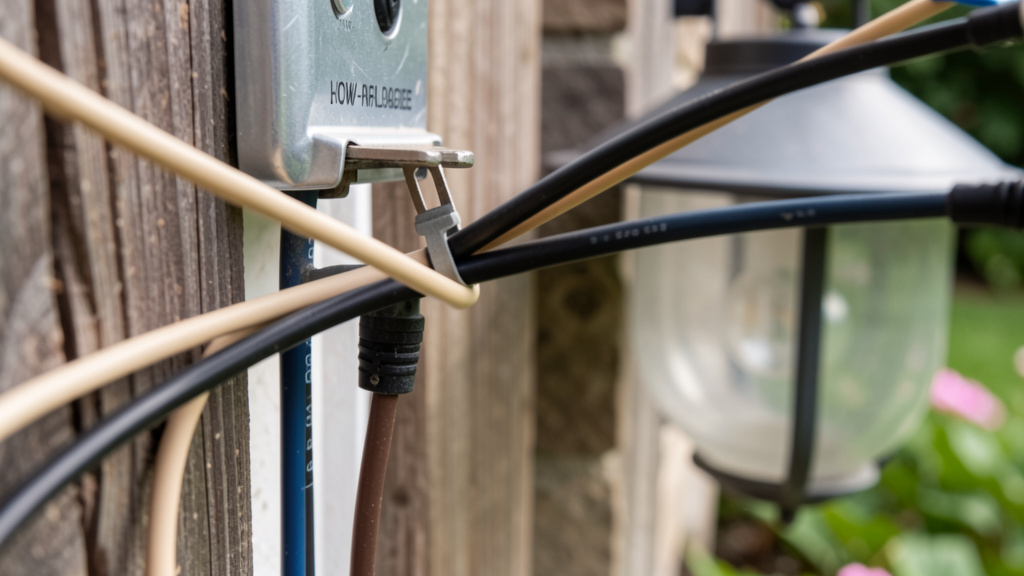
Transform Your Home with Safe, Reliable, and Energy-Efficient Wiring Projects—Confidently and Correctly
Low-voltage systems operate at 30 volts or less, offering a significantly reduced risk of shock compared to standard household wiring while powering essential home features like doorbells, landscape lighting, security cameras, and thermostats. This inherent safety profile makes many low-voltage projects accessible to diligent DIYers. However, successful implementation still demands thoughtful planning, adherence to component specifications, and respect for environmental factors. This guide consolidates fragmented knowledge into a single, actionable framework grounded in electrical engineering principles and aligned with widely recognized safety standards—including NEC Article 411 (United States), BS 7671/IET Wiring Regulations (UK), and Canadian Electrical Code Section 60. The methodology presented is universally applicable, with clear guidance for adapting to regional requirements and specific project constraints.
Introduction: Why Low-Voltage Systems Are Your Home’s Hidden Powerhouse
Walk through any modern neighborhood after dusk, and you’ll witness low-voltage technology in action: the warm glow of path lights guiding visitors safely to a front door, the subtle chime announcing a delivery person, the discreet camera monitoring a driveway. These systems form an invisible infrastructure that enhances safety, security, and ambiance without demanding constant attention. Operating typically between 12V and 24V AC/DC—well below the 50V threshold defined as “safety extra-low voltage” (SELV) in international standards—low-voltage wiring dramatically reduces electrocution risk while maintaining robust functionality.
This isn’t merely about convenience. Properly implemented low-voltage systems contribute meaningfully to home value, energy conservation, and daily peace of mind. A thoughtfully designed landscape lighting layout can reduce slip-and-fall incidents on uneven terrain. A reliable video doorbell supports awareness at entry points. Smart thermostats leveraging low-voltage control wiring optimize HVAC efficiency, lowering utility bills year-round. Yet despite these benefits, many homeowners hesitate to engage with these systems, intimidated by perceived technical complexity or uncertainty about safety protocols.
This guide dismantles those barriers. We move beyond fragmented tutorials (“how to install one path light”) to present a unified philosophy applicable across doorbells, lighting, security, climate control, and emerging applications. You’ll learn why certain wire gauges behave differently over distance, how transformers govern system performance, and why connection integrity is critical for long-term reliability. Crucially, every recommendation aligns with established electrical safety frameworks. While low-voltage work often falls outside mandatory permitting requirements in many jurisdictions for the low-voltage portion itself, responsible installation always respects the spirit of codes designed to protect people and property. This foundation of safety-aware methodology ensures your projects deliver not just immediate results, but dependable service for years to come.
The Unified Low-Voltage Framework: Plan, Power, Path, Perfect
Every successful low-voltage project—whether installing a single doorbell or illuminating an entire property—follows four universal phases. This framework eliminates guesswork by addressing the core variables that determine success: load calculation, voltage stability, wire routing, and system validation. Master these steps, and you’ll approach any project with systematic confidence. This methodology synthesizes electrical engineering fundamentals with established installation practices documented in industry resources and manufacturer guidelines.
Step 1: Plan – Map Your System’s Anatomy
Planning transforms vague ideas into actionable blueprints. Begin by defining your project’s scope: Are you installing a new doorbell, expanding landscape lighting, or integrating multiple systems? Sketch a scaled diagram of your property using graph paper or a free digital tool like SketchUp Free. Mark fixture locations, power source access points, property lines, utility boxes, mature tree roots, irrigation lines, and potential obstacles (retaining walls, sidewalks, garden beds). Note compass orientation—critical for solar-powered options or assessing sun exposure on camera lenses.
Why this step is crucial: Skipping planning often leads to avoidable complications—like discovering mid-installation that your transformer lacks capacity, wires must cross an immovable obstruction, or a fixture placement creates glare into a bedroom window. A detailed blueprint ensures material accuracy, workflow efficiency, and aesthetic harmony. It also serves as your “as-built” documentation for future repairs or expansions.
How to do it correctly:
– Inventory Your Loads Meticulously: List every device with its exact wattage or VA (volt-ampere) rating. For example:
– Landscape: Ten 1W LED path lights (10W total), two 3W well lights for tree uplighting (6W), one 5W deck step light (5W)
– Doorbell: Video doorbell requiring 16V AC, 30VA minimum
– Thermostat: Smart thermostat needing C-wire connection
Sum all wattages. This total determines transformer size. When specifications are unclear (common with budget fixtures), measure actual draw using a plug-in power meter or consult manufacturer documentation. Avoid estimation.
-
Calculate Voltage Drop Proactively: Voltage diminishes over distance due to wire resistance. For runs exceeding 50 feet, use a voltage drop calculator (many free online tools exist) or the engineering formula:
Voltage Drop (V) = (2 × Length (ft) × Current (A) × Resistance per 1000ft (Ω)) / 1000
Aim to keep drop under 5% (e.g., below 0.6V for a 12V system). If exceeded, strategies include shortening runs, using thicker wire, adding a second transformer zone, or utilizing multi-tap transformer terminals. For landscape lighting, simulate worst-case scenarios: What if you add five more lights next season? Build in 20% capacity headroom. -
Verify Local Regulatory Requirements: Contact your local building department or consult official resources. Requirements vary significantly:
- United States: NEC Article 411 covers low-voltage lighting; burial depth typically 6+ inches for direct-burial cable; GFCI protection often required for outdoor transformers.
- United Kingdom: Part P of Building Regulations may apply; BS 7671 (IET Wiring Regulations) specifies cable types and installation methods.
- Canada: Canadian Electrical Code Section 60 governs low-voltage systems; provincial amendments may exist.
Always call 811 (USA) or your regional “Call Before You Dig” service 72 hours prior to any excavation. Marked utility lines prevent damage and support safety.
Common mistakes to avoid:
– Underestimating total wattage: Forgetting auxiliary components (e.g., photocells, timers) or future expansions. Always add a 20% buffer to your load calculation.
– Ignoring terrain and microclimates: A sloped yard may require deeper trenching on the downhill side. Note areas prone to standing water—avoid routing wires through them. Consider soil composition: rocky soil demands different trenching tools than sandy loam.
– Overlooking power source proximity and quality: Placing a transformer far from a dedicated outlet forces long, inefficient primary-voltage runs. Locate transformers within 6 feet of a weatherproof, GFCI-protected outlet where possible. Test the outlet’s circuit load—avoid sharing with high-draw appliances like refrigerators or AC units that cause voltage fluctuations.
The Fundamental Principle: A low-voltage system is only as strong as its weakest link—whether that’s an undersized transformer, a pinched wire, or a poorly sealed connection. Meticulous planning fortifies every link before the first shovel hits the dirt.
Step 2: Power – Select and Position the Heart of Your System
The transformer (or power supply) converts 120V household current to safe low-voltage output. Choosing the right unit is essential for performance, efficiency, and longevity. This component governs system behavior—from consistent brightness to resilience against environmental stressors.
Why this step is crucial: An undersized transformer may overheat, causing flickering lights, premature component stress, or shutdown. An oversized unit operates inefficiently at low loads and represents unnecessary cost. Correct selection ensures stable voltage delivery across all operating conditions, including startup demands and temperature variations.
How to do it correctly:
– Size Appropriately Using VA Ratings: Total your fixture wattage (from Step 1). Select a transformer rated at at least 125% of that total. Example: For 60W of lights, choose a 75VA+ transformer. Why VA instead of watts? For magnetic transformers or systems with reactive loads (motors in gate openers), VA accounts for power factor. When in doubt, use VA ratings provided by manufacturers. This buffer accommodates startup demands, minor expansions, and efficiency variations in different temperatures.
- Match Voltage and Current Type Precisely:
- 12V AC: Standard for most landscape lighting systems.
- 12V DC: Required for many LED strips, some security cameras, and automotive-derived accessories.
- 16V–24V AC: Typical for doorbell circuits (older mechanical chimes often 16V; modern video doorbells frequently require 24V).
-
24V AC: Common for HVAC thermostats and some landscape systems.
Verify device specifications before purchasing transformers. Using AC output for a DC device (or vice versa) can damage sensitive electronics. When upgrading old systems (e.g., replacing halogen path lights with LEDs), confirm compatibility—some older magnetic transformers may cause LED flicker; electronic transformers are generally preferred for LED loads. -
Prioritize Critical Features Beyond Wattage:
- Multi-tap terminals (12V, 13V, 14V, 15V): Essential for counteracting voltage drop on long runs. Adjust taps as needed based on seasonal performance observations.
- Integrated controls: Photocells (dusk-to-dawn operation), astronomical timers (adjusts on/off times based on sunset/sunrise), or smart connectivity (Wi-Fi/Zigbee for app control).
- Weatherproof housing: NEMA 3R rating (rainproof) is minimum for outdoor mounting; NEMA 4X (corrosion-resistant) preferred near pools or coastal areas.
- Safety certifications: UL (USA), ETL, CSA (Canada), or CE (Europe) markings indicate compliance with safety testing standards. Avoid uncertified units lacking thermal overload protection.
- Mounting flexibility: Look for knockouts for conduit entry, keyhole slots for easy wall mounting, or ground stakes for landscape placement.
Transformer Sizing Quick Reference Table
| Total Fixture Wattage | Minimum Transformer Size | Recommended Buffer Size | Ideal Transformer Rating | Critical Consideration |
|---|---|---|---|---|
| Up to 30W | 30VA | 37.5VA | 45VA | Ideal for small path light sets or single doorbell |
| 31W – 60W | 60VA | 75VA | 90VA | Standard for medium yards; includes buffer for expansion |
| 61W – 100W | 100VA | 125VA | 150VA | Required for video doorbells + lighting combos |
| 101W – 150W | 150VA | 187.5VA | 200VA | Necessary for large properties or multiple zones |
| 151W+ | Calculate per zone | 25% buffer per zone | Multiple transformers | Split system into independent zones to manage voltage drop |
Note: Always round up to the next commercially available transformer size. For mixed-voltage systems (e.g., 12V lights + 24V doorbell), use separate transformers or a multi-output unit specifically designed for this purpose.
Common mistakes to avoid:
– Daisy-chaining transformers: Never connect multiple transformers in parallel to “boost” capacity. This creates phase conflicts, uneven loading, and potential hazards. Instead, use one adequately sized unit or split the system into electrically isolated zones with dedicated transformers.
– Indoor transformers in outdoor locations: Using a non-weatherproof transformer outside leads to moisture ingress, corrosion, and failure. Match the environment rigorously. If mounting indoors (e.g., garage), ensure adequate ventilation—transformers generate heat during operation.
– Ignoring phasing with magnetic transformers: Older magnetic transformers may require all fixtures on a circuit to be connected in-phase to prevent audible humming. Modern electronic transformers are generally phase-insensitive, but verify specifications. Persistent humming warrants investigation.
Step 3: Path – Route Wires for Longevity and Safety
Wire selection and routing determine system resilience. Low-voltage wire isn’t “one size fits all”—material composition, gauge, insulation type, and installation technique interact to define performance boundaries. This phase demands equal parts engineering awareness and practical craftsmanship.
Why this step is crucial: Thin wire (high gauge number) on long runs causes excessive voltage drop, resulting in dim lights or malfunctioning devices. Poor burial techniques lead to damage from landscaping tools, soil shifting, or environmental exposure. Correct pathing significantly reduces the likelihood of future failures, minimizing maintenance needs. It also ensures aesthetic integration—wires should complement the landscape, not dominate it.
How to do it correctly:
– Choose Wire Gauge Strategically Based on Physics:
– Short runs (<50 ft): 18-gauge is sufficient for most lighting loads under 30W. Offers flexibility for tight bends around foundations.
– Medium runs (50–100 ft): 16-gauge balances cost, flexibility, and voltage stability for typical residential loads (30W–75W).
– Long runs (>100 ft) or high-wattage loads: 14-gauge is widely recommended for main runs; 12-gauge is essential for runs exceeding 150 feet or loads over 100W.
Always use stranded copper wire—not solid core—for flexibility and resistance to metal fatigue. Insulation must be rated for direct burial (look for “UF,” “direct burial,” “Wet Location,” or “sunlight resistant” markings). Avoid automotive wire (lacks moisture resistance), speaker wire (not rated for continuous burial), or copper-clad aluminum (CCA)—CCA has higher resistance, corrodes faster, and may fail prematurely in moist soil.
- Trenching Best Practices for Minimal Disruption:
- Depth guidelines: Bury cables 6–8 inches deep in garden beds or mulched areas; 12+ inches under lawns, pathways, or driveways. Deeper burial prevents damage from aerators, shovels, or frost heave. In rocky soil, consider surface-mounting wire in conduit along edges before burying again.
- Tool selection: For small projects, a manual trenching shovel or edger creates clean, narrow trenches. For runs over 50 feet, rent a walk-behind trencher (typically $50–$100/day). In established landscapes, use a bulb auger attachment for drills or a specialized slicing tool to minimize root damage and sod disruption.
-
Protection at critical points: Run wire through Schedule 40 PVC conduit where it crosses driveways, under sidewalks, enters structures, or passes through high-traffic areas. Seal conduit ends with silicone sealant to block moisture and insects. At foundation penetrations, use a watertight conduit body (LB fitting) with dielectric grease on threads.
-
Connection Techniques That Last:
- Waterproof wire nuts: Use only gel-filled, UL-listed wire nuts designed for low-voltage outdoor use (e.g., Ideal No. 30-055). Twist wires clockwise tightly before applying the nut. Bury connections 2 inches deeper than the wire run to avoid disturbance during gardening.
- Soldering + heat-shrink: For critical connections (e.g., camera power), solder joints and cover with adhesive-lined heat-shrink tubing (3:1 shrink ratio minimum). Provides enhanced moisture resistance.
- Fixture-specific solutions: Opt for landscape lights with built-in quick-connect ports—they simplify installation, reduce failure points, and allow easy fixture replacement. For in-ground well lights, ensure connection chambers are sealed with O-rings and filled with desiccant packets before closing.
Wire Gauge Selection Guide by Application
| Application | Typical Run Length | Recommended Gauge | Critical Rationale |
|---|---|---|---|
| Doorbell (indoor wiring) | < 20 ft | 18-gauge | Short distance minimizes drop; flexibility aids routing through walls |
| Path lights (small garden) | 30–60 ft | 16-gauge | Optimal balance: sufficient current capacity without excessive stiffness |
| Deck/perimeter lighting | 60–120 ft | 14-gauge | Counters cumulative drop across multiple fixtures; withstands deck foot traffic |
| Large-yard landscape system | 120+ ft | 12-gauge | Essential physics: resistance drops significantly with thicker conductors |
| Security camera power | Varies | 18-gauge (verify) | Camera specs vary widely; always confirm required gauge and voltage tolerance |
| Thermostat (C-wire addition) | < 30 ft | 18-gauge | Low current draw; matches existing thermostat cable gauge for consistency |
Common mistakes to avoid:
– Stapling wire too tightly: Over-tightening staples can nick insulation, creating future short circuits. Use plastic staples designed for low-voltage wire, spaced every 18–24 inches, and leave slight slack (¼ inch) to accommodate thermal expansion. Avoid metal staples outdoors—they corrode and cut insulation.
– Mixing wire types or metals: Combining copper and copper-clad aluminum (CCA) wires can cause galvanic corrosion where they contact, especially in moist soil. Stick to pure copper throughout the entire circuit. Similarly, avoid splicing different gauge wires mid-run—this creates impedance mismatches.
– Skipping conduit at entry points: Where wire enters a structure (e.g., through a foundation wall, deck ledger, or soffit), use a watertight conduit body. Seal around the cable entry with exterior-grade silicone caulk. This step is critical for preventing moisture-related issues.
Step 4: Perfect – Test, Tune, and Troubleshoot
Installation isn’t complete until the system performs reliably under real-world conditions. This phase transforms a “working” system into a “dependable” system. Rushing validation invites intermittent failures that frustrate users and undermine confidence.
Why this step is crucial: Hidden issues—loose connections, minor shorts, marginal voltage under load, or inadequate weatherproofing—may not appear during initial power-up but can cause failures weeks or months later when environmental stressors (heat, moisture, vibration) take effect. Proactive validation identifies weaknesses before they become problems.
How to do it correctly:
– Pre-Power Safety Checklist (Non-Negotiable):
1. Verify all connections are tight, insulated, and free of stray wire strands.
2. Ensure no wire sections are pinched by fixtures, conduit, or landscape fabric.
3. Confirm transformer is mounted securely on a non-combustible surface with adequate ventilation (minimum 2 inches clearance on all sides).
4. For outdoor transformers, verify drip loops on primary-voltage cords to prevent water tracking into outlets.
5. Double-check polarity on DC systems (positive/negative markings). Reversed polarity can damage electronics.
- Systematic Power-Up and Measurement Protocol:
- Step A: With all loads disconnected, use a digital multimeter set to AC/DC voltage (as appropriate) to measure transformer output at the terminals. It should read within ±10% of rated voltage (e.g., 11–13V for a 12V transformer). Significant deviation indicates a potential issue.
- Step B: Connect one fixture or zone. Power on and observe for 5 minutes. Check for flickering, unusual heat at connections, or abnormal sounds from the transformer.
- Step C: Gradually add zones or fixtures while monitoring voltage at the farthest point in the circuit. Record readings. Voltage should remain above 11V for a 12V system (or 22V for 24V).
- Step D: Perform a “stress test”: Run the system continuously for 30 minutes on a warm day (heat increases resistance). Re-check critical voltages.
-
Step E: For landscape lighting, evaluate at dusk: Assess glare, light trespass into windows, shadow patterns, and coverage of intended areas. Adjust fixture angles before backfilling trenches completely.
-
Voltage Drop Verification and Correction:
If voltage at the farthest fixture falls below acceptable levels: - Immediate fix: If transformer has multi-tap terminals, switch to a higher voltage tap (e.g., from 12V to 14V). Re-measure.
- Wiring fix: Shorten the run by relocating the transformer closer to the load center.
- Gauge fix: Replace the longest segment with one gauge thicker wire (e.g., swap 16-gauge for 14-gauge on the final 50 feet).
- Architectural fix: Convert from a daisy-chain layout to a “home-run” (star) topology—run individual wires from transformer to fixture groups. This isolates voltage drop to specific branches.
- Zoning fix: Split the system into two independent circuits powered by separate transformers.
Text-Based Troubleshooting Flowchart
Problem: Multiple lights dim progressively toward the end of the run.
→ Confirm voltage at transformer output is correct.
→ Measure voltage at the first fixture after transformer: Significant drop? Check connection quality and wire gauge at start point.
→ Measure voltage at midpoint fixture: Drop accelerates after this point? Inspect for damaged wire, poor splice, or undersized gauge in the latter segment.
→ Solution path: Implement home-run layout for distant fixtures or add a secondary transformer zone.
Problem: Single fixture intermittently fails.
→ Swap fixture with a known-working unit at the same location. If new fixture works, original is faulty.
→ If failure persists at location, inspect connection: Corrosion? Loose strands? Water ingress? Re-terminate with fresh wire ends and new gel-filled connector.
→ Check for physical stress on wire: Is it pinched under a rock, stretched tight across a gap, or exposed to repeated foot traffic? Relocate and protect.
Common mistakes to avoid:
– Rushing the testing phase: Never assume “if it lights, it’s right.” Validate under load for a minimum of 15 minutes. Intermittent issues often reveal themselves only under sustained operation.
– Ignoring ambient evaluation conditions: Test landscape lighting at actual dusk—not under bright daylight. Assess glare from multiple viewpoints (driver’s seat, neighbor’s window, front porch). Adjust before finalizing.
– Skipping documentation: Photograph your final layout from multiple angles. Note wire paths relative to permanent landmarks (e.g., “wire runs 12 inches left of oak tree trunk”). Save transformer model numbers and settings. This “as-built” record is invaluable for future repairs, expansions, or home sales.
Deep Dive: Doorbell Systems – From Chime to Smart Camera
Doorbells represent a common entry point into low-voltage projects. Understanding their evolution—from simple mechanical circuits to integrated smart ecosystems—clarifies installation nuances and supports confident upgrades. This section addresses legacy systems, modern smart integrations, and critical power considerations often overlooked in fragmented guides.
Traditional Wired Doorbells: The Foundational Circuit
A classic mechanical doorbell circuit forms a closed loop: a transformer (typically 16V AC, 10–30VA) steps down household voltage; a button at the door completes the circuit when pressed; a chime unit inside contains solenoids that strike tone bars (producing “ding-dong” or single chime). Wiring is straightforward: two-conductor cable (often 18-gauge) runs from transformer to chime, then to button. When the button is pressed, current flows, activating the chime mechanism.
Installation and Repair Protocol:
– Identifying Wires: If replacing an old chime, label wires before disconnecting. Standard terminals:
– Front (or Button): Wire running to outdoor button
– Trans (or Transformer): Wire from transformer
– Rear (if present): Second button location (e.g., back door)
Use a multimeter set to AC voltage to confirm which wire carries power from the transformer (should read ~16V when button is not pressed).
– Transformer Verification: Locate the transformer—often mounted on an electrical junction box near the main panel, in a garage, or basement. Test output voltage. If dead, check the circuit breaker supplying it. Many older transformers are fused internally; replacement is usually more cost-effective than repair.
– Button Maintenance: Sticky or unresponsive buttons are commonly caused by corrosion. Remove the button faceplate, clean contacts with isopropyl alcohol and a cotton swab, and ensure the plunger moves freely. Replace if pitted or damaged.
Upgrade Pathway: Many existing wired doorbell circuits can integrate smart doorbell cameras (e.g., Ring Video Doorbell Pro, Nest Doorbell Wired) if the transformer meets the camera’s power requirements (often 16–24V AC, 30VA+ minimum). Crucially, verify compatibility using the manufacturer’s online tool before purchasing. Attempting to power a high-draw smart doorbell with an undersized transformer causes operational issues.
Smart Doorbell Cameras: Powering the Modern Entryway
Smart doorbells add video streaming, motion detection zones, two-way audio, and app notifications—but demand significantly more power than mechanical predecessors. This creates a frequent consideration point in installations. Understanding power dynamics supports successful implementation.
Critical Power Considerations:
– Transformer VA Rating is Paramount: A mechanical chime might draw 5–10VA. A smart doorbell camera can draw 10–15VA continuously (for Wi-Fi radio, sensors, standby) plus a surge during activity. An old 10VA transformer may be insufficient. Solution: Upgrade to a 30VA+ transformer rated for continuous duty. For systems retaining the mechanical chime plus camera, 40VA+ is often necessary.
– Wire Gauge and Length Matter: If the existing doorbell wire is thin (22-gauge) and runs exceed 20 feet, resistance causes voltage drop at the doorbell. Symptoms include frequent reboots or “weak power” errors in apps. Solutions:
– Short-term: Install a manufacturer-approved power kit (e.g., Ring Pro Power Kit, Nest Power Connector) at the doorbell location. These regulate voltage and compensate for drop.
– Long-term: Replace the entire wire run with 18-gauge stranded copper. Use the old wire to “fish” the new wire through walls: securely tape the new wire to the old, then pull the old wire out, drawing the new wire in.
– No Existing Doorbell Wiring? Viable Alternatives:
– Plug-in adapter: Powers the doorbell from a nearby interior outlet. Requires drilling a small hole (¼ inch) through the wall for the low-voltage cord. Seal meticulously with exterior silicone. Best for vinyl or wood siding; challenging on brick.
– Battery-powered models: Easier install (mount directly to door frame) but require recharging every 1–6 months depending on usage. Ideal for rentals or temporary setups.
– Solar charger accessory: Pairs with compatible battery doorbells. Requires 3–4 hours of direct daily sunlight on the panel. Mount panel on south-facing surface (Northern Hemisphere) with zero shading. Verify regional sunlight adequacy—less effective in consistently overcast regions or heavily wooded lots.
Installation Note: When installing a smart doorbell on masonry (brick, stone, stucco), use a carbide-tipped masonry bit sized precisely for the mounting screws. Drill slowly with steady pressure. Apply a bead of exterior-grade silicone sealant around the mounting plate before screwing it down—this creates a moisture barrier behind the unit. For vinyl siding, use a siding hook tool to lift panels and route wires discreetly behind the surface.
Advanced Integration: Chime Compatibility and Multi-Door Setups
Many homeowners wish to retain their mechanical chime while adding smart functionality. Success depends on compatibility:
– Digital vs. Mechanical Chimes: Some smart doorbells include a digital chime module that plugs into an outlet, eliminating the need for the old chime. Others can trigger existing mechanical chimes if the transformer has sufficient capacity.
– Two-Button Systems (Front/Back Door): Requires a transformer with adequate VA rating for both buttons and chime. Wiring involves a three-conductor cable (or two separate two-conductor cables) from chime to transformer, with separate wires for each button location. Label meticulously during installation.
– Chime Bypass Kits: If keeping the mechanical chime causes power issues for the smart doorbell, install a bypass kit (included with many kits). This disconnects the chime electrically while preserving its physical presence, redirecting full power to the camera. The app then triggers the digital chime module.
Deep Dive: Landscape Lighting – Artistry Meets Engineering
Landscape lighting transcends mere illumination—it sculpts space, enhances safety, extends usable hours outdoors, and elevates property aesthetics. A well-designed system uses layered lighting techniques to create depth, guide movement, and highlight architectural or botanical features. This section merges artistic principles with electrical precision, providing a repeatable methodology for professional-grade results.
Foundational Design Principles for Visual Harmony
Effective landscape lighting avoids the “runway effect” (uniformly spaced lights creating visual monotony) and glare (light shining directly into eyes). Instead, it employs intentional layering:
- Ambient Lighting (General Illumination): Provides safe, low-level illumination for navigation. Examples: Path lights along walkways (spaced 8–10 feet apart), bollard lights at driveway entrances, subtle uplighting of perimeter walls. Intensity should be sufficient to see terrain changes but not so bright it washes out details or creates harsh shadows.
- Accent Lighting (Feature Highlighting): Draws attention to focal points. Examples: Well lights buried at the base of a specimen tree to create dramatic uplighting (“moonlighting” effect), grazing lights to emphasize textured walls or sculptures, silhouetting lights placed behind objects to cast interesting shadows. Use narrow beam spreads (15°–30°) for precision.
- Task Lighting (Functional Zones): Illuminates specific activity areas. Examples: Step lights on deck stairs (critical for safety), under-cabinet lighting on outdoor kitchens, focused downlights over seating areas. Must provide adequate brightness without glare into seating positions.
- Beam Spread and Fixture Selection:
- Narrow Spot (10°–25°): Ideal for highlighting tall trees, architectural details, or distant features. Creates high contrast.
- Medium Flood (30°–50°): Versatile for medium-height shrubs, wall washing, or general area coverage.
- Wide Flood (60°+): Best for illuminating large surfaces like fences, broad shrubbery, or ground cover. Avoid using wide floods on paths—they can create glare and reduce depth perception.
- Adjustable Fixtures: Prioritize fixtures with tool-free beam adjustment. Allows fine-tuning after installation based on actual light distribution.
- Color Temperature Psychology:
- 2700K–3000K (Warm White): Mimics incandescent glow. Creates a cozy, inviting, residential ambiance. Universally recommended for homes—enhances wood tones, brick, and greenery.
- 3500K–4000K (Neutral White): Crisp but not clinical. Suitable for modern architecture, security zones, or task areas like driveways.
- 4000K+ (Cool White): Feels institutional in residential settings. Generally avoid except for specific security applications where maximum alertness is prioritized. Consistency matters—mixing color temperatures within one system creates visual discord.
Step-by-Step Installation: A 10-Light Pathway System Case Study
Follow this detailed workflow to avoid common pitfalls. Adapt measurements to your specific layout.
- Dry Layout (Daytime): Place all fixtures unconnected along the intended path. Walk the route at different times of day. Adjust spacing until visually balanced—lights should guide the eye naturally without creating pools of light separated by darkness. Photograph the layout for reference.
- Trenching Strategy:
- Mulched Beds: Easiest scenario. Use a flat-edged shovel to slice a narrow trench (4–6 inches deep). Minimal disruption; backfill blends seamlessly.
- Established Lawns: Use a sod cutter for clean edges, or slice carefully with a sharp spade. Roll back sod sections like carpet, trench underneath, then replace sod. Water thoroughly after replacement.
- Rocky or Root-Dense Soil: Rent a vibratory plow (if available) or use a specialized wire-pulling tool that slices a narrow channel without full trenching.
- Wire Run Execution: Unspool 14-gauge direct-burial cable along the trench bottom. Leave 12-inch service loops (coiled excess wire) at each fixture location—critical for future adjustments or repairs. Avoid sharp bends; maintain a minimum bend radius of 5x wire diameter.
- Fixture Mounting Precision:
- Path Lights: Drive stakes firmly into soil. Ensure tops are level and aligned. For uneven terrain, use adjustable-height fixtures.
- In-Ground Well Lights: Dig a hole slightly larger than the fixture body. Set on a 1-inch bed of sand for drainage and leveling. Backfill with native soil, tamping gently to eliminate air pockets. Ensure lens sits flush with grade to avoid tripping hazards.
- Deck/Step Lights: Pre-drill mounting holes to prevent wood splitting. Use stainless steel screws. Seal mounting holes with clear silicone before installation if fixture lacks a gasket.
- Connection Protocol: At each fixture, strip ½ inch of insulation from wire ends. Twist fixture leads and main cable strands clockwise. Secure with gel-filled wire nuts. Bury connections 2 inches deeper than the wire run. For added security, wrap connection points with self-amalgamating tape (stretches and fuses into a waterproof seal).
- Transformer Placement and Primary Wiring: Mount transformer near a weatherproof, GFCI-protected outlet. Run primary-voltage wire (14/2 UF-B cable) from outlet to transformer in conduit if exposed above ground. Create a drip loop on the cord before plugging in—lowest point of cord should be below the outlet to prevent water tracking.
- Final Testing and Refinement (Dusk): Power on. Observe for 15 minutes. Adjust fixture angles to eliminate glare into windows, walkways, or neighboring properties. Check for “hot spots” (overly bright areas) or dark gaps. Fine-tune beam spreads. Only after perfecting aim should you fully backfill trenches and restore landscaping.
Advanced Voltage Drop Mitigation Tactics
If the last light in a series is noticeably dimmer:
– Re-sequence Fixtures: Place higher-wattage fixtures closer to the transformer; position lower-wattage lights at the circuit’s end.
– Implement Home-Run Topology: Instead of daisy-chaining all lights in one series, run separate wires from the transformer to logical groups (e.g., “front path group,” “side garden group”). This isolates voltage drop to specific branches.
– Strategic Transformer Relocation: Move the transformer closer to the geometric center of the lighting layout, minimizing the longest single run.
– Secondary Transformer Zone: For very large properties (>150 ft runs), install a second transformer dedicated to the distant zone. Control both via a single timer/photocell using a relay module.
Solar-Powered Landscape Lights: Realistic Assessment
Solar lights have improved but suit specific scenarios. Manage expectations with this balanced perspective:
- Significant Advantages:
- Zero wiring required—ideal for remote garden features, rental properties, or locations far from power sources.
- Easy relocation and reconfiguration as landscapes evolve.
- Eco-friendly operation with no grid consumption.
- Lower upfront cost per fixture (though quality varies widely).
- Critical Limitations:
- Performance Dependency: Requires 6–8 hours of direct, unshaded sunlight daily for full charge. Performance degrades significantly under tree cover, north-facing placements (Northern Hemisphere), or during cloudy seasons.
- Battery Lifespan: Integrated batteries typically last 1–3 years before capacity drops noticeably. Replacement is often impractical.
- Brightness and Runtime: Even premium solar path lights output 50–150 lumens—sufficient for accent marking but often inadequate for safe path navigation in total darkness. Runtime may diminish after midnight.
- Durability Concerns: Plastic housings may crack under UV exposure; cheaper units may fail within one season.
- Strategic Application Guidance:
- Best For: Accent lighting in sunny gardens, temporary event lighting, supplementing wired systems in secondary areas, marking garden bed edges.
- Avoid For: Primary path lighting where safety is critical, shaded areas, regions with long winters or frequent overcast weather, high-security zones requiring consistent illumination.
- Quality Selection Tips: Look for units with replaceable batteries, monocrystalline solar panels (more efficient), IP67+ waterproof rating, and warm white (2700K–3000K) LEDs. Read verified buyer reviews focusing on multi-season performance.
Deep Dive: Beyond Doorbells and Lights – Thermostats, Security, and Emerging Applications
Low-voltage systems form the nervous system of modern homes, extending far beyond aesthetics. Understanding these applications broadens DIY capabilities and reveals opportunities for integrated home management. This section covers critical but often misunderstood systems with precision-focused guidance.
Thermostats: The Climate Control Command Center
Modern thermostats—including smart models like Ecobee, Nest, and Honeywell Home—use low-voltage wiring (typically 24V AC) to communicate with HVAC systems. While installation seems simple, power requirements require attention.
Wiring Terminal Decoded (Standard HVAC Systems):
– R (or Rc/Rh): Power from transformer (24V AC “hot” leg). Rc = cooling power, Rh = heating power; often jumpered together in heat-pump or single-transformer systems.
– C (Common): Return path to complete the circuit. Provides continuous power for Wi-Fi, sensors, and displays. This is frequently missing in older homes.
– W (or W1): Heat call—activates furnace or heat pump heating mode.
– Y (or Y1): Cool call—activates air conditioner compressor.
– G: Fan call—turns on blower fan independently.
– O/B: Reversing valve control for heat pumps (O for cooling mode, B for heating mode).
– Aux/E: Auxiliary/emergency heat activation.
Solving the “No C-Wire” Dilemma:
Many pre-2010 homes lack a C-wire at the thermostat location, using only 4-conductor cable (R, W, Y, G). Smart thermostats requiring continuous power present challenges:
– Option 1: Utilize an Unused Wire: Check the thermostat cable bundle at both ends. Often, a fifth wire (typically blue) exists but wasn’t connected. Label it “C” at the thermostat and connect it to the C terminal on the HVAC control board (usually labeled “C” near the transformer).
– Option 2: Power Extender Kit (PEK): Devices like the Ecobee Power Extender Kit or Nest Power Connector install at the HVAC air handler. They repurpose the G (fan) wire to carry C-wire functionality back to the thermostat. Requires accessing the air handler—follow kit instructions precisely.
– Option 3: C-Wire Adapter: Standalone modules install near the thermostat, drawing minimal power from R and G wires to synthesize a C connection. Less reliable than PEKs; may cause intermittent fan operation.
– Option 4: Battery-Powered Smart Thermostats: Models like the original Nest Learning Thermostat use “power stealing”—drawing tiny amounts of power during HVAC cycles to charge an internal battery. Not recommended for systems with short cycling (heat pumps, modulating furnaces) as it can cause erratic behavior.
Critical Safety Protocol:
ALWAYS shut off power to the HVAC system at the dedicated circuit breaker and the furnace/air handler service switch before touching any wires. Verify absence of voltage at the thermostat wires using a multimeter. Mistaking line-voltage (120V/240V) wires for low-voltage is hazardous—HVAC systems contain both. When in doubt, consult an HVAC professional. Label all wires with colored tape before disconnecting the old thermostat.
Security Cameras and Sensors: Powering Vigilance
Wired security cameras often operate on 12V DC or 24V AC power, distinct from Power over Ethernet (PoE) systems. This section focuses on dedicated low-voltage camera power.
Power Supply Selection and Distribution:
– Centralized vs. Distributed Power:
– Centralized: A single multi-output power supply (e.g., 12V DC, 5A) mounted indoors powers all cameras via individual wire runs. Simplifies maintenance but creates a single point of failure.
– Distributed: Individual plug-in power adapters at each camera location. Redundant but creates outdoor clutter.
– Hybrid Approach (Recommended): Use a weatherproof multi-output power supply mounted in a protected location (e.g., garage, soffit) with short runs to nearby cameras. For distant cameras, use individual weatherproof power adapters.
– Voltage Drop Considerations: Camera specs often state “12V DC ±10%.” Below 10.8V, cameras may reboot or lose functionality. For runs over 75 feet, calculate drop:
Drop (V) = (2 × Length (ft) × Current (A) × Resistance per 1000ft) / 1000
Example: 100 ft run to a 0.5A camera using 18-gauge wire (6.51Ω/1000ft):
(2 × 100 × 0.5 × 6.51) / 1000 = 0.65V drop → Output at camera = 11.35V (acceptable).
For longer runs, use 16-gauge wire or install a power supply closer to the camera cluster.
– Weatherproofing Connections: All outdoor connections must reside in NEMA 3R+ rated junction boxes. Use gel-filled wire nuts or solder + heat-shrink. Apply dielectric grease to all metal contacts before assembly to prevent corrosion. Seal box entries with silicone sealant.
Critical Installation Practices:
– Camera Placement: Mount cameras high (8–10 ft) with a slight downward angle to avoid glare and capture facial features. Avoid pointing directly at light sources (streetlights, windows) which cause lens flare.
– Cable Management: Run power and video cables (if separate) together but avoid running parallel to high-voltage lines for more than 12 inches—maintain 12+ inch separation to prevent electromagnetic interference. Cross high-voltage lines at 90-degree angles if necessary.
– Lighting Integration: Pair cameras with motion-activated low-voltage lights. When motion is detected, lights illuminate the area, improving camera image quality and acting as a deterrent. Use relays to trigger lights from camera motion signals.
Intercoms, Gate Openers, and Specialty Systems
Property-wide communication and access systems rely heavily on low-voltage principles.
Driveway Gate Openers:
– Power Requirements: Gate operator motors often require 12V–24V DC at high current (5A–10A+). Verify exact specs. Undersized wiring causes slow operation or failure to close fully.
– Wire Gauge Imperative: For runs over 100 feet, 12-gauge wire is often minimum. Calculate drop rigorously.
– Safety Sensors: Most jurisdictions require safety edges or photoelectric eyes (also low-voltage) to prevent entrapment. These must be wired per manufacturer specs—never bypass.
– Backup Power: Install a battery backup system (often 12V sealed lead-acid) to operate the gate during power outages. Critical for emergency access.
Whole-House Intercoms:
– Wiring Topology: Traditional systems use a “daisy-chain” of 4-conductor or 6-conductor cable between master station and room stations. Modern IP-based systems use Cat5e/6 but still require low-voltage power at each station.
– Audio Quality Tip: Keep wire runs under 300 feet total. Longer runs may degrade audio clarity. Use shielded cable if running near electrical panels or motors.
– Retrofit Challenge: Installing in existing walls is difficult. Consider wireless intercom systems that use Wi-Fi and battery power, eliminating wiring needs.
Navigating Friction Points: Solutions to Real-World Challenges
Even meticulous planning encounters obstacles. Addressing these builds confidence and transforms frustration into mastery. These solutions derive from documented installation practices and manufacturer guidelines.
Challenge 1: “My Landscape Lights Flicker When the Air Conditioner Turns On”
This indicates voltage fluctuation on the shared household circuit. The AC compressor draws high current during startup, causing a momentary voltage sag that affects the low-voltage transformer’s input.
Diagnosis Protocol:
1. Plug a lamp into the same outlet as the transformer. Does it dim when AC kicks on? If yes, circuit sharing is confirmed.
2. Check if transformer is on a dedicated circuit. If shared with AC, refrigerator, or microwave, this is the root cause.
Solutions:
– Immediate Fix: Relocate the transformer plug to an outlet on a dedicated circuit (e.g., garage lighting circuit, rarely used bedroom outlet).
– Permanent Fix: Have a qualified electrician install a dedicated 15A circuit for outdoor low-voltage systems. Includes GFCI protection and weatherproof box.
– Technical Fix: Install a voltage regulator (e.g., 120V AC line conditioner) between the outlet and transformer. Filters sags and surges. Choose a unit rated for continuous duty at the transformer’s wattage.
– Transformer Fix: Upgrade to a transformer with wider input voltage tolerance (e.g., “100V–130V AC input”). Many modern electronic transformers include this feature—check specifications.
Challenge 2: “I Hit a Large Rock or Tree Root While Trenching—Now What?”
Stopping immediately prevents tool damage and injury. Assess the obstacle size and location relative to your planned path.
Solution Pathways:
– Small Obstacle (<6 inches diameter): Redirect the trench slightly around it. Maintain consistent depth. Mark the deviation on your “as-built” diagram.
– Medium Obstacle (6–12 inches):
– Option A (Surface Route): Run wire in UV-resistant conduit along the obstacle’s edge for the obstruction length, then bury again. Paint conduit flat brown or green to blend. Secure with landscape staples every 18 inches.
– Option B (Undercut): Use a garden hose with a high-pressure nozzle to erode soil beneath the obstacle, creating a tunnel. Feed wire through carefully. Effective for roots near the surface.
– Large Obstacle (>12 inches) or Bedrock:
– Option A (Directional Boring): Rent a horizontal directional drill (HDD) for precise underground boring. Requires skill; consider professional assistance for runs over 25 feet.
– Option B (Relocate Fixture): Adjust your lighting plan. Sometimes moving one fixture 2 feet avoids major excavation. Re-evaluate the design—does this new placement improve aesthetics?
– Option C (Wireless Bridge): For a single distant fixture, use a solar-powered light or battery-operated LED spotlight. Eliminates wiring need entirely.
Prevention for Future Projects:
Before trenching, probe the soil every 2 feet with a long screwdriver or soil probe. Mark hard spots on your diagram. In rocky regions, consider surface-mounting wire in conduit along property edges from the start.
Challenge 3: “Existing Doorbell Wiring is Too Thin (22-Gauge) for a New Smart Doorbell”
Thin wire causes excessive resistance, leading to voltage drop and smart doorbell malfunctions (reboots, weak chime).
Verification Steps:
1. Measure existing wire gauge. 22-gauge is common in pre-1990 installations.
2. Check run length from transformer to doorbell location. Over 15 feet with 22-gauge is problematic for smart doorbells.
3. Test voltage at the doorbell location with button pressed. Below 14V (for a 16V system) confirms drop issue.
Solutions Ranked by Effectiveness:
– Best Long-Term Solution: Replace the entire wire run with 18-gauge stranded copper. Use the old wire as a pull string:
1. Disconnect old wire at both ends.
2. Securely tape new wire to old wire end.
3. Pull old wire out from the transformer end, drawing new wire through the wall cavity.
4. Requires access to attic, basement, or crawlspace for routing.
– Effective Short-Term Solution: Install the manufacturer’s power kit (e.g., Ring Pro Power Kit) at the doorbell location. This device regulates voltage locally, compensating for drop on the existing wire. Follow kit instructions precisely.
– Budget Compromise: Upgrade only the section from the transformer to the first accessible point (e.g., attic junction) with 18-gauge wire. Reduces drop over the longest segment. Less effective than full replacement but better than nothing.
– Last Resort: Use a plug-in adapter powering the doorbell directly, bypassing existing wiring entirely. Requires drilling a small hole for the low-voltage cord. Seal meticulously.
Wireless vs. Wired Low-Voltage Systems: A Balanced, Evidence-Based Comparison
Wireless options (battery doorbells, solar lights) offer simplicity but involve trade-offs. This comparison aids strategic decision-making.
| Factor | Wired Low-Voltage Systems | Wireless/Battery Systems | Strategic Recommendation |
|---|---|---|---|
| Reliability | High (continuous power, immune to signal loss) | Medium (battery life, Wi-Fi signal strength) | Choose wired for critical functions (main entry lighting, primary doorbell) |
| Installation Ease | Moderate (requires trenching/wiring skill) | High (mount and go) | Choose wireless for rentals, temporary setups, or hard-to-wire locations |
| Long-Term Cost | Lower (no battery replacements, minimal maintenance) | Higher (battery replacements every 1–3 years, potential signal extenders) | Calculate 5-year cost: Wired often more economical despite higher initial install |
| Performance | Consistent brightness, instant response | Varies with battery charge, weather, signal | Wired essential for security lighting requiring guaranteed operation |
| Expandability | Easy to add fixtures to existing circuit (if capacity allows) | Each new device requires separate power/battery management | Wired superior for whole-property systems |
| Environmental Impact | Lower operational waste (no batteries) | Battery disposal concerns; solar reduces grid use | Wired + LED = sustainable long-term solution |
| Best Application | Permanent installations, whole-yard lighting, primary security | Secondary areas, accent lighting, temporary needs, locations far from power | Hybrid approach often optimal: Wired backbone with strategic wireless accents |
Hybrid System Strategy: Implement a wired low-voltage backbone for primary path lighting and main entry doorbell. Supplement with solar-powered accent lights in distant garden beds or battery-operated motion lights for shed entrances. This leverages the strengths of both technologies while mitigating weaknesses.
Your Questions, Answered
Q: What’s the fundamental difference between low-voltage and line-voltage wiring?
A: Line-voltage (120V/240V AC) powers standard household outlets, appliances, and lighting circuits. It carries significant shock and fire risk, requires strict adherence to electrical codes (conduit, box fill, grounding), and often mandates licensed electrician installation. Low-voltage systems (typically ≤30V) operate at energy levels deemed “safety extra-low voltage” (SELV) in international standards. While shock risk is minimal for the low-voltage portion, attention to wire sizing, connection integrity, and transformer selection remains essential for safety and function. Crucially, the primary-voltage connection to the low-voltage transformer (plugging in or hardwiring) is line-voltage work and must follow all applicable codes and safety practices.
Q: Can I legally install low-voltage wiring myself without an electrician?
A: In many U.S. jurisdictions and regions, the low-voltage portion of wiring for doorbells, landscape lighting, and thermostats may be exempt from requiring a licensed electrician. However, critical considerations exist:
– If your project involves hardwiring the transformer directly into a household circuit (instead of plugging into an outlet), this line-voltage work typically requires a permit and licensed electrician in many areas.
– Always verify requirements with your local building department. Regulations vary significantly by municipality.
– Even where permitted, prioritize safety: Shut off power before accessing any electrical box, use GFCI protection for outdoor outlets, and follow manufacturer instructions meticulously. When uncertain about line-voltage connections, consult a qualified professional. Safety is non-negotiable.
Q: How deep should I bury low-voltage landscape wire, and why does depth matter?
A: Minimum burial depths protect wires from damage and support safety:
– Garden beds, mulched areas: 6 inches minimum. Protects from hand tools and shallow-rooted plants.
– Lawns, pathways, under sod: 12 inches minimum. Prevents damage from aerators, dethatchers, and frost heave.
– Under driveways, sidewalks, or high-traffic areas: 18 inches minimum, or run through PVC conduit at any depth. Conduit is recommended where wire crosses under hardscapes.
Deeper burial also stabilizes soil temperature around the wire. Always call 811 (USA) or your local utility locator service before digging—buried utilities (gas, water, fiber) can be shallower than expected. Marked lines prevent damage and support safety.
Q: Why are my landscape lights noticeably dimmer at the end of a long wire run?
A: This is voltage drop—a natural consequence of electrical resistance in the wire over distance. As current travels, energy converts to heat, reducing available voltage at the far end. Solutions depend on severity:
– Minor drop (last light 10–15% dimmer): Adjust transformer to a higher voltage tap (if available).
– Moderate drop: Shorten the run by relocating the transformer closer to the load center.
– Significant drop: Replace the wire run with a thicker gauge (e.g., swap 16-gauge for 14-gauge).
– Systemic drop: Convert from daisy-chain wiring to a “home-run” layout (individual wires from transformer to fixture groups) or split the system into multiple zones with separate transformers.
Prevention is key: Calculate expected drop during planning using online calculators or the formula provided in Step 1 of the framework.
Q: Is it ever acceptable to use indoor-rated low-voltage wire for an outdoor project?
A: Safety standards require the use of wire explicitly rated for outdoor or direct-burial applications in exterior installations. Indoor wire insulation lacks UV stabilizers and moisture resistance. Exposure to sunlight causes rapid cracking and brittleness; moisture ingress leads to short circuits, corrosion, and potential hazards. Always use wire marked for direct burial, wet locations, or outdoor use (look for “UF,” “W,” “Sunlight Resistant,” or “Direct Burial”). The small cost difference is insignificant compared to the risk of system failure or property damage. When in doubt, consult the manufacturer’s specification sheet.
Q: How do I safely test if my doorbell transformer is functioning correctly?
A: Follow this precise sequence:
1. Locate the transformer (often near electrical panel, in garage, or basement).
2. Set digital multimeter to AC voltage (range above 24V).
3. Touch red probe to transformer’s output terminal labeled “Front” or “To Button”; black probe to “Trans” or “Common.”
4. Read voltage: Should be within 10% of rated output (e.g., 14–18V for a 16V transformer).
5. Critical safety check: Test input terminals (where household wires connect)—should read ~120V AC. If input has power but output is dead, transformer may be faulty.
6. If no voltage at input, check the circuit breaker supplying the transformer.
Never touch bare terminals with fingers. If uncomfortable with this process, consult a qualified professional. Document readings for future reference.
Q: Are low-voltage systems genuinely energy efficient compared to standard lighting?
A: Exceptionally so, especially with LED technology. Consider this comparison:
– Old incandescent path light: 20W per fixture × 10 fixtures = 200W total
– Modern LED low-voltage path light: 1W per fixture × 10 fixtures = 10W total
That’s a 95% reduction in energy consumption. A typical 10-light LED landscape system uses less power than a single 60W incandescent bulb. Smart transformers with photocells or astronomical timers eliminate waste by operating only during needed hours. Over a season, this translates to meaningful cost savings and reduced environmental impact. Low-voltage LED systems are a cornerstone of efficient home design.
Q: What causes a low-voltage transformer to emit a loud humming or buzzing noise?
A: Humming indicates internal stress. Potential causes include:
– Loose laminations: In magnetic transformers, internal steel plates may vibrate. Tightening mounting screws sometimes helps; replacement may be necessary.
– Overload: Transformer is undersized for the connected load. Disconnect some fixtures—if hum stops, upgrade transformer capacity.
– Loose mounting: Vibration transfers to mounting surface. Install rubber isolation pads between transformer and mounting surface.
– Component degradation: Internal capacitor or coil issues.
Critical action: If humming is loud, accompanied by burning smell, excessive heat, or visible damage, disconnect power immediately. This signals potential failure. Replace the transformer. Persistent humming warrants investigation.
Q: Can I safely mix LED and halogen fixtures on the same low-voltage circuit?
A: While technically possible if voltage and total wattage are compatible with the transformer, it is generally discouraged. LEDs and halogens have different electrical characteristics:
– Halogens draw higher inrush current at startup.
– LEDs are sensitive to voltage fluctuations halogens tolerate.
– Mixing can cause LED flickering, reduced halogen lifespan, or transformer instability.
For consistency, reliability, and maximum energy efficiency, standardize your entire system on LED fixtures. When upgrading old halogen systems, replace all fixtures simultaneously. The long-term benefits—lower energy use, minimal heat output, extended lifespan—typically outweigh the initial investment.
Q: What’s the safest, most effective way to add more lights to an existing landscape lighting system?
A: Follow this expansion protocol:
1. Check capacity: Calculate total wattage of existing + new fixtures. Ensure it remains below 80% of transformer’s rated capacity (e.g., max 72W on a 90VA transformer).
2. Assess voltage drop: If adding lights to the end of an existing run, measure voltage at the proposed connection point. Below 11V (for 12V system)? Solutions:
– Tap into the circuit closer to the transformer.
– Run a new “home-run” wire directly from transformer to the new fixture group.
– Upgrade wire gauge on the extended segment.
3. Match components: Use fixtures and wire from the same specification as existing for visual and electrical consistency.
4. Document changes: Update your “as-built” diagram immediately after installation. Note new fixture locations, wire paths, and transformer settings.
Avoid exceeding the system’s original design limits—this helps prevent future complications.
Q: Are low-voltage systems completely safe around children, pets, and water features?
A: While low-voltage systems pose minimal electrocution risk due to reduced voltage, other considerations require attention:
– Tripping hazards: Bury all wires completely. Ensure fixture stakes are secure and flush with grade.
– Chewing hazards: Pets may chew exposed wires. Bury deeply or use conduit in accessible areas. Apply pet-deterrent coating to above-ground sections if needed.
– Water features: Only use fixtures and transformers explicitly rated for submersion (IP68) in ponds or fountains. Maintain strict separation between low-voltage wiring and pool/spa electrical systems—consult a pool professional.
– Transformer safety: Mount transformers out of reach of children and pets. Use lockable weatherproof boxes in high-traffic areas.
Safety is holistic: Low voltage reduces one risk category but doesn’t eliminate all precautions. Prioritize secure installation and environmental awareness.
Q: What is the realistic lifespan of a quality low-voltage transformer, and how do I recognize end-of-life signs?
A: Lifespan depends on type, quality, and operating conditions:
– Electronic transformers (most common today): 10–20 years with proper sizing and ventilation.
– Magnetic transformers: 20–30+ years but bulkier, less efficient, and more prone to humming.
End-of-life warning signs:
– Inconsistent output voltage (fluctuating readings on multimeter)
– Overheating (too hot to touch comfortably after 30 minutes operation)
– Audible buzzing that worsens over time
– Visible corrosion, bulging, or burnt smell
– Intermittent operation (lights flicker randomly without load changes)
Proactive replacement every 15 years for electronic units in harsh environments (coastal, high humidity) may prevent unexpected failures. Keep model numbers documented for seamless replacement.
Conclusion and Next Step
Low-voltage systems unlock a meaningful dimension of home capability—transforming spaces with light, supporting awareness at entry points, and optimizing comfort with precision. By internalizing the Unified Framework—Plan, Power, Path, Perfect—you possess a repeatable methodology applicable across doorbells, landscape lighting, security, climate control, and emerging technologies. This isn’t merely about completing projects; it’s about cultivating a deeper understanding of your home’s infrastructure and your capacity to shape it intentionally.
Remember these three enduring pillars:
1. Precision in Planning Prevents Common Installation Complications. The time invested in load calculation, voltage drop analysis, and site assessment pays dividends in smooth execution and long-term reliability.
2. Respect for Electrical Fundamentals Ensures Longevity. Voltage drop isn’t an abstract concept—it’s the difference between vibrant, consistent lighting and frustrating dimness. Wire gauge isn’t arbitrary—it’s physics made practical.
3. Meticulous Execution in Connections and Weatherproofing Separates Functional Systems from Flawless Ones. A single poorly sealed connection can compromise an entire circuit. Excellence lives in the details.
The 24-Hour Rule
Within the next 24 hours, take one small, concrete step that transforms intention into momentum: Sketch a simple diagram of one low-voltage project you’ve been considering. Mark fixture locations for a pathway light layout. Note the distance from your front door to the nearest outlet for a doorbell upgrade. Identify the thermostat wires visible behind your current unit. This tiny action breaks the inertia of “someday” and anchors your vision in reality. Keep the sketch visible—a tangible reminder of progress begun.
The Big Picture
Low-voltage wiring is more than a collection of discrete projects; it’s a gateway to systems thinking. Each successful installation builds intuition for energy flow, component interaction, and proactive maintenance. As technology evolves—toward smarter sensors, integrated home ecosystems, and sustainable power sources—this foundational knowledge becomes increasingly valuable. You’re not just installing lights or a doorbell; you’re cultivating self-reliance, deepening your connection to the spaces you inhabit, and contributing to a safer, more efficient home environment. The confidence gained here extends far beyond wiring—it empowers you to approach future home challenges with clarity and competence. Your journey into low-voltage mastery has already begun. Now go illuminate what’s next.
Explore Our Complete System:
[The Ultimate Guide to Home Electrical Safety Fundamentals] | [DIY Smart Home Integration: Wiring Strategies for Future-Proofing] | [Seasonal Outdoor Lighting Mastery: Designs for Every Holiday and Occasion] | [Advanced Troubleshooting Handbook: Diagnosing Home System Failures Visually] | [Sustainable Home Upgrades: Practical Paths Beyond Solar Panels] | [Weatherproofing Connections: A Field Guide to Long-Lasting Outdoor Installations] | [Reading Your Home’s Blueprint: Decoding Electrical and Low-Voltage Plans]