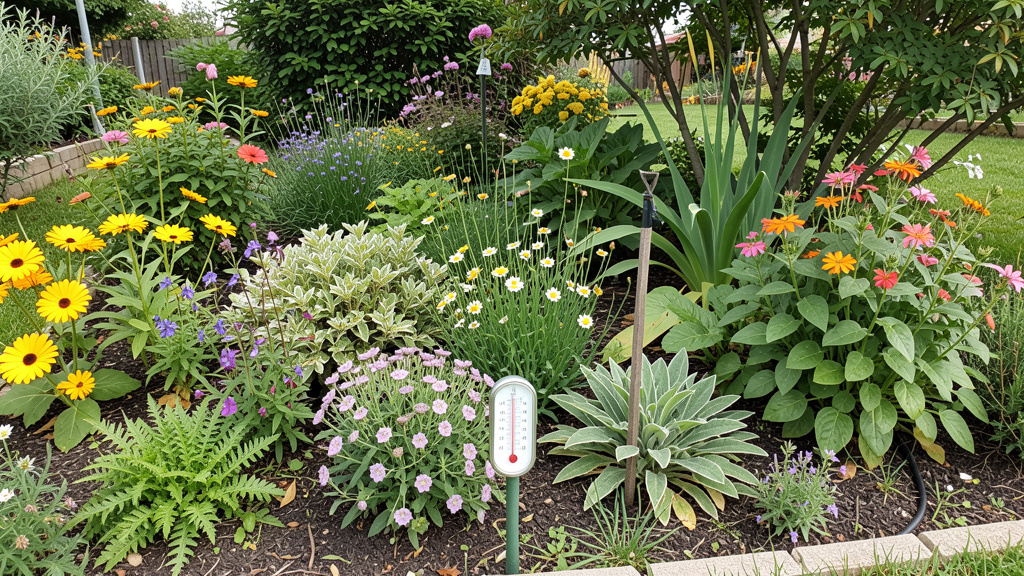
Stop fighting your weather and start gardening with it: A thoughtful, zone-aware roadmap to nurturing resilient gardens across seasons—without guesswork, wasted effort, or seasonal surprises.
Your garden does not exist in a vacuum. It breathes with the rhythm of your local climate—responding to subtle shifts in temperature, moisture, sunlight, and soil conditions that generic “spring planting” calendars overlook. When you prune a rosebush in a humid subtropical zone using instructions written for a Mediterranean climate, you may unintentionally invite disease. When you delay winter mulching in a continental zone because an online guide suggested “late fall,” an unexpected freeze could compromise tender roots. True garden resilience begins not with more effort, but with aligned effort. This guide translates observable climatic patterns into clear, actionable steps for six major global climate types across all four seasons. Grounded in agricultural extension frameworks and ecological principles, you’ll discover how to time your actions thoughtfully—cultivating a vibrant, lower-stress garden that works with your environment, not against it.
Introduction: Why Context Matters More Than Calendars
Walk into any garden center in April, and you’ll see identical displays of tomato starts, pansies, and fertilizer bags labeled “Spring Essentials.” Open most gardening resources, and you’ll find seasonal checklists presented as universal truth. Yet a gardener in Portland, Oregon faces fundamentally different March conditions than one in Atlanta, Georgia—or Perth, Australia. Soil temperatures, frost windows, pest emergence cycles, and even daylight intensity vary dramatically across latitudes, elevations, and microclimates. Applying standardized advice without climate context is like using a desert survival guide in a rainforest: well-intentioned, but potentially counterproductive.
This disconnect often stems from overreliance on simplified hardiness zone maps (like the USDA system) that focus only on average annual minimum temperatures. While useful for assessing winter survival potential, these maps overlook critical factors: summer heat intensity, humidity levels, rainfall distribution, wind exposure, soil drainage patterns, and seasonal transition speeds. A Zone 7 garden in humid Raleigh, North Carolina contends with fungal pressure and clay soil saturation in spring, while a Zone 7 garden in arid Roswell, New Mexico manages alkaline soil, intense UV exposure, and flash droughts. Both share a winter low temperature rating—but their seasonal maintenance needs diverge significantly.
Agricultural extension services worldwide—from the Cooperative Extension System in the United States to the Royal Horticultural Society in the UK and Australia’s Department of Primary Industries—consistently emphasize that effective gardening begins with local climate literacy. Research in horticultural science indicates that climate-adaptive practices can lead to meaningful reductions in water use and pest challenges while supporting stronger plant vitality compared to generic routines. This guide synthesizes these evidence-based principles into a practical, season-by-season framework tailored to your environmental context. No jargon. No fluff. Just clear, actionable steps grounded in how ecosystems function where you garden.
Before exploring seasonal tasks, let’s ensure you’re working with the right foundation. Misidentifying your climate context can lead to recurring frustrations. Take a few moments now to anchor your understanding.
How to Thoughtfully Identify Your Garden’s Climate Context
Many gardeners begin and end with their USDA Hardiness Zone (e.g., “I’m Zone 6b”). This is a useful starting point—but it’s only the first layer. True climate awareness requires three complementary lenses:
Lens 1: Macroclimate (Your Regional Weather Pattern)
This is the broad climate classification governing your region. We’ll focus on six globally relevant types in this guide:
– Humid Continental: Four distinct seasons; cold winters; warm to hot summers (e.g., Chicago, Toronto, Warsaw)
– Humid Subtropical: Hot, humid summers; mild winters; year-round rainfall (e.g., Atlanta, Shanghai, Brisbane)
– Mediterranean: Dry, warm summers; cool, wet winters; rare frost (e.g., Los Angeles, Rome, Cape Town)
– Arid/Desert: Low annual rainfall; significant daily temperature swings; intense sun (e.g., Phoenix, Riyadh, Alice Springs)
– Oceanic/Marine: Mild temperatures year-round; consistent rainfall; rare extremes (e.g., Seattle, London, Auckland)
– Tropical: Consistently warm (no frost); high humidity; distinct wet/dry seasons (e.g., Miami, Bangkok, Rio de Janeiro)
How to identify yours: Search “[Your City] Köppen climate classification” online. The Köppen-Geiger system is the global scientific standard used by climatologists. Cross-reference with regional resources: USDA Plant Hardiness Zone Map (North America), RHS Hardiness Ratings (UK), or Australia’s Bureau of Meteorology climate zones.
Lens 2: Microclimate (Your Garden’s Unique Pocket)
Within your macroclimate, your specific property creates localized conditions:
– South-facing slopes warm earlier in spring, extending growing potential.
– Low-lying areas collect cold air (“frost pockets”), delaying spring growth.
– Urban settings experience “heat island” effects (concrete/asphalt retain heat).
– Wind corridors (between buildings or hills) accelerate soil drying.
– Tree canopy cover reduces soil temperature and rainfall penetration.
Action step: Spend a week observing your garden at different times of day. Note where puddles form after rain (poor drainage), where snow melts first (warmer microclimate), where leaves stay damp longest (higher humidity/fungal risk zone). Sketch these zones on a simple map. This becomes your personalized maintenance reference.
Lens 3: Soil as a Climate Indicator
Soil reflects long-term weather patterns. Its texture, pH, and organic content offer clues:
– Clay-heavy soils often dominate humid regions (slow drainage supports moisture retention).
– Sandy soils prevail in arid zones (fast drainage aligns with infrequent rain).
– Acidic soils (pH <6.5) frequently occur in high-rainfall areas (mineral leaching).
– Alkaline soils (pH >7.5) are common in arid regions (mineral accumulation from evaporation).
Critical verification: Conduct a simple soil test. Contact your local cooperative extension office—they often provide affordable testing kits. Understanding your soil’s baseline prevents misdiagnosis (e.g., attributing yellowing leaves to “bad plants” when they may signal nutrient availability issues in alkaline soil). This step alone resolves many common gardening frustrations before seasonal work begins.
With this three-layer understanding—macroclimate, microclimate, soil—you’re prepared to engage with the Climate-Adaptive Maintenance Cycle. This isn’t a rigid checklist. It’s a responsive framework that shifts focus with your environment’s natural rhythms.
The Climate-Adaptive Maintenance Cycle: Four Seasons, Six Climates, One Cohesive Strategy
Imagine your garden as a living system moving with seasonal pulses. Spring represents renewal and preparation, summer focuses on stewardship and observation, fall centers on transition and fortification, and winter offers rest and reflection. The Climate-Adaptive Maintenance Cycle aligns your actions with these biological rhythms—but adjusts timing, intensity, and methods based on your climate’s unique expression of each season. Below, we detail thoughtful tasks for all six climate types across every season. Read your climate’s section thoroughly, but also glance at adjacent climates—microclimates or unusual weather years may call for adaptable strategies.
The Guiding Principle: Garden maintenance isn’t about controlling nature; it’s about reading nature’s signals and responding with minimal, strategic intervention. The most resilient gardens are those where human effort amplifies natural processes, not overrides them.
Understanding the Six Climate Profiles: Quick Reference Guide
Internalize these core characteristics. They explain why tasks differ—and help you adapt when weather shifts unexpectedly.
| Climate Type | Temperature Pattern | Rainfall Pattern | Key Growing Consideration | Opportunity to Leverage |
|---|---|---|---|---|
| Humid Continental | Significant seasonal shifts | Evenly distributed; spring/fall peaks | Winter protection; spring soil saturation | Rich soil development; distinct seasonal beauty |
| Humid Subtropical | Mild winters; hot, humid summers | Year-round; summer thunderstorms | Disease prevention; soil nutrient management | Extended growing window; lush foliage potential |
| Mediterranean | Mild winters; warm/dry summers | 80% falls Oct–Apr; summer drought | Water conservation; erosion control | Ideal for drought-tolerant perennials; lower disease pressure |
| Arid/Desert | Large daily temperature swings | Sparse, unpredictable; monsoon season | Water efficiency; soil salinity awareness | Vibrant blooms with irrigation; minimal pest pressure |
| Oceanic/Marine | Narrow temperature range | Consistent year-round; winter peaks | Slow soil warming; moisture management | Year-round gardening potential; gentle transitions |
| Tropical | Consistently warm (no frost) | Distinct wet/dry seasons; high humidity | Year-round pest awareness; nutrient retention | Continuous growth cycles; dramatic foliage |
Note: Elevation modifies these patterns. Add “High-Altitude” considerations (shorter seasons, intense UV, cooler nights) to any climate above 3,000 ft (900 m).
SPRING: Awakening and Thoughtful Preparation
Spring is rarely a single calendar date. In tropical zones, it’s the shift from dry to wet season. In arid zones, it’s the brief window after winter rains before summer heat. In continental zones, it’s the delicate period between snowmelt and summer warmth. Begin tasks only when soil is workable (a handful squeezed releases crumbles, not mud) and consistent daytime temperatures align with your zone’s typical patterns. Let plant cues—not dates—guide you.
Humid Continental Climate (e.g., Minneapolis, Montreal, Berlin)
Spring signals: Forsythia blooms; soil temp consistently above 40°F (4°C); last frost date 4–6 weeks away
Soil Preparation (Weeks 1–2):
Avoid walking on saturated soil—compaction damages structure long-term. Test soil pH; amend clay soils with 2–3 inches (5–7.5 cm) of compost only after soil drains sufficiently. In heavy clay areas, consider raised beds (6–12 inches / 15–30 cm high) to encourage earlier warming. Apply balanced organic fertilizer to perennial beds after new growth appears—never before, as nutrients may wash away in spring rains.
Why it matters: Cold, wet soil lacks oxygen. Working it too early collapses pore spaces essential for root growth and microbial activity.
Common pitfall: Deep tilling. Shallow cultivation (1–2 inches / 2.5–5 cm) preserves soil structure and earthworm channels.
Budget-friendly option: Sheet mulching—layer cardboard + compost over weedy areas to suppress weeds while gradually building soil.
Planting Strategy (Weeks 3–6):
– Cool-season crops: Sow peas, spinach, radishes, lettuce directly when soil reaches 40°F (4°C). Use floating row covers for late frost protection and pest deterrence.
– Perennials/shrubs: Plant bare-root stock early (while dormant); container plants after last frost threat passes. Water deeply at planting, then rely on spring rains unless dry conditions occur.
– Trees: An ideal time for planting. Dig hole twice the width of the root ball, same depth. Backfill with native soil blended with modest compost. Stake only if in a windy location—some trunk movement encourages stronger root development.
Important nuance: In northern reaches (Zones 3–4), delay heat-loving crops (tomatoes, peppers) until soil warms to 60°F (15°C)—often late May or June. Black plastic mulch may gently warm soil 7–10 days earlier.
Pest & Disease Awareness:
Inspect roses for early signs of disease as leaves emerge; dormant horticultural oil applied before buds break can help manage overwintering pests. Watch for slugs on damp mornings—beer traps or diatomaceous earth barriers offer targeted solutions. Avoid overhead watering on new foliage to reduce conditions favorable to mildew.
Supportive insight: Encourage beneficial insects early. Plant alyssum, dill, or yarrow near vegetable beds to attract ladybugs and lacewings that help manage aphids naturally.
Humid Subtropical Climate (e.g., Atlanta, Houston, Sydney)
Spring signals: Dogwoods bloom; soil temp above 55°F (13°C); consistent highs above 65°F (18°C)
Soil Preparation (Weeks 1–2):
Prioritize drainage. Incorporate 3–4 inches (7.5–10 cm) of pine bark fines or compost into heavy clay soils. Test pH—many southeastern US soils are acidic; add pelletized lime only if test results indicate need. Apply slow-release fertilizer to lawns after first mowing when grass shows active growth.
Why it matters: Spring rains can worsen poor drainage. Compacted soil restricts root oxygen and may contribute to root issues in moisture-sensitive plants like azaleas.
Common pitfall: Over-fertilizing lawns early. Stimulating lush growth before root systems establish may increase vulnerability to disease.
Temporary solution: For waterlogged beds, dig shallow trenches (6 inches / 15 cm deep) to redirect excess water away from plant bases.
Planting Strategy (Weeks 1–4):
– Warm-season crops: Start tomatoes, peppers, squash indoors 6–8 weeks before last frost. Harden off gradually. Plant outdoors when night temperatures remain above 55°F (13°C).
– Trees/shrubs: Early spring planting allows root establishment before summer humidity peaks. Select disease-resistant varieties where available (e.g., ‘Knock Out’ roses show good resistance to common fungal issues).
– Lawns: Overseed thin Bermuda grass areas in late spring. For St. Augustine, wait until soil reaches 70°F (21°C).
Important nuance: In coastal areas, delay planting until after the “spring dip” (a brief cooler period in April) to avoid stressing new transplants.
Pest & Disease Awareness:
Monitor for early fungal activity (anthracnose on dogwoods, leaf spot on photinia). Improve air circulation through selective pruning. Apply copper-based fungicide at first visible sign—not preventatively. Scout for aphids on new rose growth; a strong water spray often suffices before considering other options.
Supportive insight: Install drip irrigation before planting season. Keeping foliage dry reduces conditions favorable to fungal development in humid air.
Mediterranean Climate (e.g., San Francisco, Barcelona, Adelaide)
Spring signals: Wildflowers peak; soil temp above 50°F (10°C); rains tapering off
Soil Preparation (Weeks 1–3):
This is your primary opportunity to amend soil before summer dryness. Incorporate 2–3 inches (5–7.5 cm) of compost into vegetable beds and new planting areas. For established drought-tolerant gardens (lavender, rosemary), avoid disturbing soil—light mulching is often sufficient. Apply balanced fertilizer to citrus and fruit trees after bloom.
Why it matters: Summer irrigation cannot compensate for poor soil structure. Spring amendments support moisture retention through dry months.
Common pitfall: Over-amending native plant gardens. California poppies or manzanita thrive in lean soil; rich compost may encourage weak growth.
Budget-friendly option: “Chop and drop”—cut spent cover crops (clover, vetch) and leave as mulch to decompose in place.
Planting Strategy (Weeks 1–5):
– Annuals: Sow California poppy, clarkia, nasturtium directly. Transplant snapdragons, pansies for cool-season color.
– Vegetables: Plant tomatoes, beans, squash after last frost. Install drip lines before planting.
– Bulbs: Plant gladiolus, dahlias for summer blooms.
Important nuance: In coastal fog zones (e.g., SF), delay heat-lovers until soil warms sufficiently (late May). In inland valleys (e.g., Sacramento), use shade cloth for young transplants facing early heat.
Pest & Disease Awareness:
Watch for aphids on new growth; encourage ladybugs with dill or fennel plantings. Inspect citrus for leaf miners—prune affected tips. As rains cease, check irrigation systems for leaks or clogs. Clean filters and adjust timers for increasing evaporation.
Supportive insight: Plant native pollinator species (e.g., milkweed, ceanothus) now. They establish deep roots during spring moisture, requiring minimal summer water while supporting local ecosystems.
Arid/Desert Climate (e.g., Phoenix, Las Vegas, Riyadh)
Spring signals: Palo verde trees bloom; soil temp above 60°F (15°C); days consistently above 75°F (24°C)
Soil Preparation (Weeks 1–2):
Amend planting holes selectively—not entire beds. Mix native soil 1:1 with compost for vegetables/annuals. For cacti/succulents, use 70% native soil + 30% coarse sand/perlite. Apply slow-release fertilizer to citrus and fruit trees. Mulch all beds with 2–3 inches (5–7.5 cm) of gravel or decomposed granite (organic mulch decomposes rapidly and may attract pests).
Why it matters: Desert soils are mineral-rich but low in organic matter. Targeted amendment avoids creating isolated “bathtubs” where water pools.
Common pitfall: Using wood mulch around cacti—it retains moisture against stems, potentially contributing to rot.
Temporary solution: For alkaline soils (common), apply soil sulfur per test recommendations to adjust pH for acid-preferring plants (citrus, roses).
Planting Strategy (Weeks 1–4):
– Vegetables: Plant heat-tolerant varieties: sweet potatoes, okra, black-eyed peas. Use shade cloth (30–50%) for tomatoes/peppers.
– Trees/shrubs: Plant desert-adapted species (mesquite, palo verde) early spring. Water deeply 2x/week for first month.
– Wildflowers: Sow native seeds (desert marigold, brittlebush) after last frost.
Important nuance: In low-desert zones (Phoenix), aim to complete planting by mid-April. In high-desert (Albuquerque), extend to early May. Planting in the evening reduces transplant stress.
Pest & Disease Awareness:
Inspect for spider mites on roses (look for fine webbing). Spray undersides of leaves with water early morning. Watch for Palo Verde beetles emerging—hand-pick adults at dusk. Install drip irrigation with pressure regulators to prevent emitter issues from mineral-rich water.
Supportive insight: Group plants by water needs (“hydrozoning”). Place thirstier plants (vegetables) together with dedicated drip lines; xeric plants on separate zones. This approach supports significant water savings over time.
Oceanic/Marine Climate (e.g., Seattle, Dublin, Wellington)
Spring signals: Daffodils peak; soil temp above 45°F (7°C); consistent rain tapering
Soil Preparation (Weeks 1–4):
Patience is essential. Wait until soil drains sufficiently—squeezed handful should crumble. Incorporate compost and coarse sand (1:1 ratio) into heavy clay soils to improve drainage. Apply balanced fertilizer to lawns after first mow. For acid-loving plants (rhododendrons, blueberries), use ammonium sulfate fertilizer if soil tests indicate need.
Why it matters: Cold, wet soil may contribute to seedling issues and root challenges. Rushing planting often leads to poor establishment.
Common pitfall: Tilling wet soil. Creates hard clods that impede root growth when dry.
Budget-friendly option: Grow bags for vegetables—elevated soil warms faster and avoids compaction.
Planting Strategy (Weeks 3–6):
– Cool-season crops: Sow peas, lettuce, kale directly. Start tomatoes indoors; transplant after Memorial Day (US) or late May (UK).
– Perennials: Ideal time for hostas, ferns, hellebores. Water well after planting.
– Lawns: Overseed bare patches with perennial ryegrass/fescue mix.
Important nuance: In maritime zones, “spring” extends into June. Use season extension tools: cold frames for early lettuce; cloches for tomatoes. Track soil temperature—not calendar dates.
Pest & Disease Awareness:
Slug/snail management is essential. Set copper tape barriers, beer traps, or hand-pick at dusk. Improve air circulation around roses to reduce conditions favorable to black spot. Avoid watering foliage in cool, damp air.
Supportive insight: Plant slug-resistant varieties: ‘Redbor’ kale, ‘Bright Lights’ chard, lavender. Companion planting with rosemary or thyme may offer natural deterrence.
Tropical Climate (e.g., Miami, Honolulu, Singapore)
Spring signals: Shift from dry to wet season; consistent temps above 70°F (21°C); rising humidity
Soil Preparation (Weeks 1–2):
Focus on drainage and organic matter. Mix compost deeply into planting beds (approximately 30% by volume). For container plants, use potting mix with perlite. Apply balanced fertilizer to fruit trees (mango, avocado) as new growth appears. Mulch generously with wood chips to suppress weeds and conserve moisture during dry spells.
Why it matters: Heavy rains can leach nutrients rapidly. Organic matter helps retain both moisture and nutrients.
Common pitfall: Planting in pure sand. Always incorporate compost—even beach gardens benefit from organic amendment.
Temporary solution: For waterlogged areas during wet season onset, create raised mounds (12 inches / 30 cm high) for vegetables.
Planting Strategy (Weeks 1–4):
– Vegetables: Plant heat-tolerant crops: sweet potato, okra, yardlong beans. Start seeds in a shaded nursery area.
– Fruit trees: An ideal planting time. Water deeply 3x/week for first month.
– Ornamentals: Plant hibiscus, plumeria, bird of paradise.
Important nuance: In regions with distinct wet/dry seasons (e.g., Florida), plant before heavy rains begin so roots establish prior to potential waterlogging. In equatorial zones (no dry season), plant year-round but avoid peak monsoon downpours.
Pest & Disease Awareness:
Monitor for scale insects on citrus—wipe leaves with soapy water. Watch for fungal leaf spots on hibiscus; remove affected leaves promptly. Install soaker hoses to keep foliage dry. As humidity rises, increase spacing between plants for airflow.
Supportive insight: Introduce beneficial nematodes to soil to help manage soil-dwelling pests (grubs, weevils) before wet season amplifies populations.
SUMMER: Nurturing, Protecting, and Observing
Summer maintenance emphasizes vigilant stewardship over major interventions. Your role shifts to monitoring, targeted support, and preventing stress. Overwatering, over-fertilizing, and unnecessary pruning often cause more summer challenges than neglect. Key principle: Work with the plant’s natural rhythm, not against it.
Universal Summer Considerations (All Climates)
- Water deeply and less frequently: Encourages deeper root growth. Shallow, frequent watering may create surface-rooted plants more vulnerable to drought.
- Mulch consistently: 2–4 inches (5–10 cm) of organic mulch (wood chips, straw) or inorganic (gravel) significantly reduces evaporation, suppresses weeds, and moderates soil temperature.
- Avoid pruning during heatwaves: Cuts add stress when plants are conserving energy. Wait for cooler periods.
- Observe at dawn or dusk: Best time to assess plant stress (wilting), spot pests, and check irrigation coverage.
Climate-Specific Summer Approaches
Humid Continental:
Focus shifts to pest awareness and supporting peak growth. Water lawns deeply (about 1 inch / 2.5 cm) once weekly rather than daily sprinkling. Deadhead spent flowers on perennials (daylilies, coneflowers) to encourage potential rebloom. Watch for Japanese beetles at dawn—knock into soapy water. Key task: Stake tall perennials (peonies, delphiniums) before storms arrive. In late summer (August), begin sowing cool-season crops (kale, carrots) for fall harvest. Avoid fertilizing after July—new growth may not harden before frost.
Humid Subtropical:
Disease prevention is central. Improve airflow by thinning crowded shrubs (azaleas, camellias). Water early morning to allow foliage to dry before humid afternoons. Apply fungicide at first visible sign of disease—not preventatively. Harvest vegetables regularly to reduce pest attraction. Key task: Monitor irrigation systems weekly. Clogged emitters during summer heat can rapidly stress plants. In late summer, plant heat-tolerant cover crops (cowpeas, buckwheat) in empty beds to suppress weeds and add organic matter.
Mediterranean:
Water management defines summer success. Adjust drip timers weekly as temperatures rise. Group plants by water needs. For established native gardens, reduce or stop watering—they’re adapted to summer dryness. Focus efforts on vegetable beds and young trees. Key task: Apply fresh mulch layer in early summer to conserve spring moisture. Harvest herbs (rosemary, thyme) before flowering for optimal flavor. In coastal zones, watch for salt accumulation on leaves—rinse with fresh water occasionally.
Arid/Desert:
Success hinges on strategic hydration and sun protection. Water trees deeply at the drip line (not trunk) 2x/week. Use shade cloth (50%) over vegetable beds when temperatures exceed 100°F (38°C). Harvest vegetables early morning before heat intensifies flavors. Key task: Flush soil periodically with deep watering to help prevent salt accumulation from irrigation water. Inspect irrigation lines for leaks—evaporation can mask waste. In late summer, prepare for monsoon season: secure loose items, clean drainage swales.
Oceanic/Marine:
Maximize the gentle growing window. Harvest lettuce, spinach before bolting. Pinch back leggy annuals (petunias, impatiens) to encourage bushiness. Water containers daily during rare dry spells. Key task: Monitor for late blight on tomatoes—remove affected leaves immediately. In late summer, divide overcrowded perennials (hostas, daylilies) on cloudy days. Sow biennials (foxglove, hollyhock) for next year’s blooms.
Tropical:
Manage the wet/dry rhythm. During dry spells, water deeply 2–3x/week. During monsoons, ensure drainage—elevate pots, clear gutters. Harvest fruits promptly to avoid pest attraction. Key task: Prune fruit trees after harvest to shape and remove dead wood. Apply slow-release fertilizer to replenish nutrients potentially leached by heavy rains. Monitor for fruit fly—use pheromone traps early. In late summer, propagate cuttings (hibiscus, croton) in a shaded nursery area.
FALL: Harvesting, Transitioning, and Fortifying
Fall is often misunderstood in gardening. It’s not an ending—it’s strategic preparation for renewal. Actions taken now support next year’s resilience. The core fall principle: Support plant energy moving downward. Encourage root development and resource storage for winter rest or dry-season dormancy.
Universal Fall Foundations
- Soil care is priority: Amend after harvest but before heavy rains or freeze.
- Cleanliness supports health: Remove spent annuals and visibly diseased foliage (dispose of separately; avoid composting diseased material).
- Water deeply before ground freezes/dry season sets in: Helps prevent winter desiccation in evergreens and newly planted material.
- Observe natural cues: Note when local trees drop leaves—this often signals optimal timing for your tasks.
Climate-Specific Fall Approaches
Humid Continental:
Timeline: Begin 6 weeks before typical first frost date
– Soil care: After harvest, spread 2–3 inches (5–7.5 cm) of compost on vegetable beds. Plant cover crops (winter rye, hairy vetch) to prevent erosion and add organic matter.
– Planting: An excellent time for trees, shrubs, perennials. Roots establish in cool soil while top growth rests. Water deeply until ground freezes.
– Protection: After several hard frosts (soil temp below 40°F / 4°C), apply 3–4 inches (7.5–10 cm) of shredded leaf mulch to perennial beds. Avoid mulching before soil cools—trapping heat may delay dormancy.
– Tool care: Clean, sharpen, oil tools before storing. Drain irrigation systems to prevent freeze damage.
Important nuance: In northern zones (3–4), aim to complete planting by early September. In southern reaches (6–7), extend to mid-October.
Humid Subtropical:
Timeline: September through November
– Soil care: Incorporate compost into empty beds. Apply lime only if soil test indicates need to address acidity from summer rains.
– Planting: Prime time for cool-season vegetables (kale, broccoli, carrots). Plant pansies, violas for winter color. Overseed lawns with ryegrass for green winter turf.
– Protection: Winter mulch is generally unnecessary for most plants. Focus on drainage—clean gutters, redirect downspouts away from foundations.
– Tree care: Prune oaks only in fall/winter to reduce risk of oak wilt fungus (active spring/summer).
Important nuance: In coastal zones, delay planting until after peak hurricane season (late September). Monitor weather forecasts closely.
Mediterranean:
Timeline: October through December (as rains begin)
– Soil care: This is your primary planting season. Amend beds with compost before winter rains. Plant cover crops (clover, vetch) in unused areas to support soil health.
– Planting: Ideal time for native wildflowers, bulbs (daffodils, ranunculus), trees, and shrubs. Fall planting leverages winter rains for root establishment.
– Protection: Install erosion control (jute netting, straw) on slopes before heavy rains. Clean and store summer irrigation timers.
– Harvest: Pick remaining citrus, persimmons. Cure winter squash in a sunny spot for 10 days before storing.
Important nuance: In fire-prone areas, create defensible space: clear dry vegetation within 30 feet of structures. Prune low-hanging branches.
Arid/Desert:
Timeline: September through November
– Soil care: Amend planting holes for new trees/shrubs with compost. Apply slow-release fertilizer to citrus before dormancy.
– Planting: Best season for desert-adapted trees (mesquite, ironwood), shrubs, and wildflowers. Cooler temps reduce transplant stress.
– Protection: Flush irrigation lines to remove mineral buildup. Drain and store hoses. Wrap young citrus trunks with burlap if frost is forecast.
– Watering: Gradually reduce frequency as temperatures drop. Stop watering cacti/succulents entirely by December.
Important nuance: In low-desert zones, aim to finish planting by early November. In high-desert, extend to late October. Track local frost patterns.
Oceanic/Marine:
Timeline: September through November
– Soil care: Spread compost on beds. Plant cover crops (clover, phacelia) to protect soil over wet winter.
– Planting: Ideal time for trees, shrubs, perennials, and spring bulbs (daffodils, crocus). Lawns benefit from fall aeration and overseeding.
– Protection: After heavy rains begin, apply mulch to prevent soil compaction. Clean gutters to avoid water damage.
– Cleanup: Remove spent annuals. Leave seed heads on coneflowers, black-eyed Susans to support overwintering birds.
Important nuance: In very wet zones (e.g., Pacific NW), plant bulbs in raised beds or containers to prevent rot. Use gravel mulch on paths to reduce mud.
Tropical:
Timeline: Shift from wet to dry season (varies by region)
– Soil care: Incorporate compost after monsoon rains subside. Apply balanced fertilizer to fruit trees before dry season dormancy.
– Planting: Prime time for fruit trees (mango, avocado), ornamentals, and dry-season vegetables (beans, cucumbers).
– Protection: Mulch generously to conserve moisture during dry months. Install windbreaks (temporary fencing) if dry-season winds are strong.
– Pruning: Lightly prune fruit trees after harvest to shape. Remove dead wood from ornamentals.
Important nuance: In regions with hurricane risk (e.g., Florida), complete major pruning by August. Fall focus shifts to cleanup and soil prep post-storm.
WINTER: Resting, Planning, and Gentle Stewardship
Winter is not dormancy—it’s transformation. Roots may grow in unfrozen soil. Microbes process organic matter. Plants undergo critical physiological changes required for spring flowering. Your winter role: protect, observe, and prepare. Avoid excessive “tidying”—many beneficial insects overwinter in leaf litter and hollow stems.
Universal Winter Wisdom
- Water during dry spells: Evergreens and newly planted material benefit from moisture even when dormant.
- Tool maintenance: Sharpen pruners, repair handles, oil metal parts.
- Garden reflection: Review photos, notes, seed packets. Plan next season’s rotations and improvements.
- Wildlife support: Provide fresh water (heated birdbath) and high-energy foods (suet, black oil sunflower seeds).
Climate-Specific Winter Approaches
Humid Continental:
Focus: Protection from freeze-thaw cycles and desiccation
– Mulch management: Ensure perennial beds have 3–4 inches (7.5–10 cm) of mulch. Replenish if washed away. Snow is excellent insulation—avoid removing it from beds.
– Tree/shrub care: Wrap young tree trunks with protective guards to deter rodents and reduce sunscald. Gently knock heavy snow from evergreen branches to prevent breakage.
– Indoor tasks: Start seeds indoors for early spring (onions, leeks) under grow lights. Order seeds/catalogs. Clean and sterilize pots with a mild bleach solution.
– Preparation: Keep burlap and stakes accessible for unexpected ice events. Avoid walking on frozen lawns—compaction may damage soil structure.
Important nuance: In areas with frequent freeze-thaw cycles (e.g., Midwest), avoid late-season fertilizing of lawns—promoting tender growth may increase vulnerability to heaving.
Humid Subtropical:
Focus: Maximizing mild-season growth and disease awareness
– Planting: Continue cool-season crops (kale, spinach, radishes). Plant garlic, onions in fall for winter harvest.
– Lawn care: Mow ryegrass overseed at highest setting. Apply pre-emergent herbicide in late winter to help prevent summer weeds.
– Pruning: Ideal time for roses, crepe myrtles, fruit trees (dormant season). Remove crossing branches, open center for airflow.
– Pest watch: Inspect for scale insects on camellias—treat with horticultural oil on mild days (above 40°F / 4°C).
Important nuance: Avoid heavy pruning of spring-blooming shrubs (azaleas, forsythia)—you may remove next season’s flower buds.
Mediterranean:
Focus: Harnessing winter rains and preparing for spring
– Soil care: Let rains naturally incorporate fall amendments. Avoid walking on wet soil.
– Planting: Sow native wildflower seeds after first significant rain. Plant bare-root roses, fruit trees.
– Erosion control: Check jute netting on slopes; re-secure if washed loose. Clean drainage swales.
– Tool care: Oil metal tools to prevent rust in damp air. Store hoses indoors.
Important nuance: In fire-recovery zones, plant fast-growing native groundcovers (manzanita, ceanothus) to stabilize soil before spring growth.
Arid/Desert:
Focus: Minimal intervention; strategic observation
– Watering: Water established trees/shrubs deeply once monthly if no rain occurs. Avoid watering cacti/succulents.
– Protection: Cover tender citrus if frost is forecast (use frost cloth, not plastic). Remove covers once temperatures rise above freezing.
– Planning: Sketch garden layout for spring. Order seeds for heat-tolerant varieties.
– Wildlife: Provide a shallow water source for birds (change daily to prevent mosquito breeding).
Important nuance: Avoid pruning in deep winter—exposing tissue may increase vulnerability to cold. Wait until late winter/early spring.
Oceanic/Marine:
Focus: Managing moisture and gentle growth
– Soil care: Avoid working wet soil. Spread compost on paths to reduce mud.
– Planting: Plant bare-root roses, fruit trees on mild days. Sow sweet peas indoors for early spring transplant.
– Cleanup: Remove fallen leaves from lawns to prevent matting, but leave leaf litter in garden beds to support habitat.
– Tool care: Wipe down tools after each use to prevent rust. Store in a dry shed.
Important nuance: In very wet winters, elevate pots on bricks to improve drainage and prevent root issues.
Tropical:
Focus: Dry-season maintenance and harvest
– Watering: Irrigate deeply 1–2x/week during dry spells. Mulch generously to conserve moisture.
– Harvest: Pick citrus, avocados, mangoes as they ripen. Harvest dry-season vegetables (beans, cucumbers).
– Pruning: Light pruning of fruit trees continues. Remove dead wood from ornamentals.
– Propagation: Take cuttings of hibiscus, croton; root in a shaded nursery area.
Important nuance: In regions with cooler “winter” temps (e.g., Hawaii highlands), protect sensitive plants (hibiscus) with frost cloth if temperatures dip near 40°F (4°C).
Navigating Climate-Specific Garden Challenges
Even with thoughtful planning, weather surprises occur. These targeted approaches address common friction points gardeners face across climates. Each includes immediate action and long-term adaptation.
Challenge: Unexpected Frost After Planting (All Climates)
Symptoms: Blackened leaves, wilted stems on tender plants (tomatoes, basil, impatiens)
Immediate action:
– Cover plants before sunset with frost cloth (avoid plastic—it traps moisture). Anchor edges securely.
– Place gallon jugs of warm water under covers to radiate gentle heat overnight.
– Avoid pruning damaged parts immediately—wait 7–10 days to assess true recovery.
Long-term adaptation:
– Track your microclimate’s frost patterns using a soil thermometer. Note where frost forms first (low spots).
– Plant tender crops near south-facing walls (radiates stored heat).
– Select varieties with shorter “days to maturity” to harvest before typical fall frost.
Challenge: Persistent Soil Saturation (Humid Continental, Oceanic, Humid Subtropical)
Symptoms: Puddles lasting >24 hours; plants yellowing; muddy soil that sticks to shoes
Immediate action:
– Create temporary drainage trenches (6 inches deep) to redirect water away from beds.
– Elevate critical plants: Transplant into raised beds or containers immediately.
– Pause watering—rely on rainfall until soil drains.
Long-term adaptation:
– Install French drains in chronically wet areas.
– Amend soil gradually with compost + coarse sand (1:1 ratio) over 2–3 seasons.
– Plant water-tolerant species: Joe-Pye weed, iris, switchgrass in problem zones.
Challenge: Summer Dry Stress (Mediterranean, Arid, Humid Subtropical dry spells)
Symptoms: Wilting despite watering; leaf scorch (brown edges); slowed growth
Immediate action:
– Water deeply at soil level early morning. Avoid wetting foliage.
– Apply fresh mulch layer (2 inches) to reduce evaporation.
– Provide temporary shade cloth (30–50%) for vegetables and young plants.
Long-term adaptation:
– Convert to drip irrigation with moisture sensors.
– Replace water-intensive plants with climate-appropriate natives (e.g., California poppy instead of impatiens).
– Install rain barrels to capture seasonal rainfall for dry periods.
Challenge: Fungal Disease Concerns (Humid Subtropical, Oceanic, Humid Continental summers)
Symptoms: White powder (powdery mildew); black spots; fuzzy mold on leaves
Immediate action:
– Remove and dispose of affected leaves (avoid composting).
– Improve airflow: Prune crowded branches; increase plant spacing.
– Apply neem oil or copper fungicide at first visible sign—follow label instructions carefully.
Long-term adaptation:
– Select disease-resistant varieties where available (e.g., ‘Knock Out’ roses, ‘Mountain Magic’ tomatoes).
– Water at soil level with drip irrigation—avoid overhead watering.
– Rotate crops annually; avoid planting the same family in the same spot.
Challenge: Mineral Buildup in Soil (Arid, Coastal zones)
Symptoms: White crust on soil surface; leaf tip burn; stunted growth
Immediate action:
– Flush soil deeply with water (several times normal amount) to move salts below root zone.
– Carefully remove white crust layer; replace top inch with fresh compost.
– Pause fertilizing until plants show recovery.
Long-term adaptation:
– Use drip irrigation with pressure-compensating emitters for even water distribution.
– Apply gypsum (calcium sulfate) per soil test recommendations to help manage sodium.
– Select salt-tolerant plants: oleander, bougainvillea, sea lavender.
Challenge: Pest Population Shifts (All Climates)
Symptoms: Chewed leaves; sticky residue (honeydew); visible insects
Immediate action:
– Identify the pest accurately (use extension service resources). Correct identification guides effective response.
– Spray with strong water jet to dislodge aphids, spider mites.
– Apply insecticidal soap or neem oil in early morning/evening to minimize impact on pollinators.
Long-term adaptation:
– Plant habitat for beneficial insects: dill, fennel, yarrow attract ladybugs/lacewings.
– Install birdhouses/bat boxes for natural pest awareness.
– Practice crop rotation and companion planting (marigolds may deter nematodes).
Your Questions, Answered
Gardeners consistently face these climate-related uncertainties. Here are thoughtful answers grounded in horticultural science and extension service guidance.
Q: My USDA Zone says I can grow lavender, but it struggles every winter. What’s happening?
A: USDA Zones indicate minimum winter temperature survival potential, not overall suitability. Lavender (especially English lavender) requires excellent drainage and lower humidity to thrive long-term. In humid continental or subtropical zones, it may face root challenges despite surviving cold temps. Consider: Plant in raised beds with gritty soil (mix native soil 1:1 with coarse sand/perlite). French or Spanish lavender varieties often tolerate humidity better. In persistently wet climates, grow lavender in containers you can position under cover during heavy rain.
Q: How do I adjust maintenance if I live in a city “heat island”?
A: Urban areas can run several degrees warmer than surrounding rural zones. Your microclimate may effectively shift you one USDA Zone warmer. Consider:
– Select heat-tolerant varieties (e.g., ‘Heatmaster’ tomatoes).
– Water deeply in early morning—concrete radiates heat overnight, increasing evaporation.
– Use light-colored mulch (gravel, straw) to reflect heat; avoid dark wood chips in full sun.
– Prioritize drought-resilient natives—they often handle urban conditions well.
– Monitor soil moisture with a meter; calendar-based watering may not reflect actual needs.
Q: Should I fertilize my lawn in fall if I live in a warm climate (Zones 8–10)?
A: It depends on your grass type and regional patterns:
– Warm-season grasses (Bermuda, St. Augustine, Zoysia): A light application in early fall (September) with a balanced formula may support root development before dormancy. Stop by mid-October.
– Cool-season grasses (Fescue, Ryegrass): In subtropical zones where overseeded, fertilize after germination (late October/November).
Important: Avoid late-season fertilizing of warm-season grasses—they may not utilize nutrients fully, potentially contributing to runoff or disease. Always soil-test first—many southern lawns benefit more from potassium than nitrogen in fall.
Q: My garden soil is pure sand. Can I grow vegetables without constant watering?
A: Yes—with thoughtful amendment. Sand drains rapidly, leaching water and nutrients. Try:
– Mix in 3–4 inches (7.5–10 cm) of compost before planting. Repeat annually.
– Use “lasagna gardening”: Layer cardboard, compost, straw directly on sand; plant into layers.
– Install drip irrigation on timers—sand often needs frequent, light watering.
– Select drought-resilient vegetables: Sweet potatoes, okra, cowpeas, Swiss chard.
– Mulch generously (3–4 inches) with straw or wood chips to retain moisture.
Within 2–3 seasons, added organic matter significantly improves water retention.
Q: How do I support pollinators while managing pests?
A: Timing and targeting make a difference:
– Apply insecticides only at dawn or dusk when bees are less active.
– Use physical methods first: Hand-pick hornworms; spray aphids with water jet.
– Choose selective products: Bacillus thuringiensis (Bt) affects only caterpillars; insecticidal soap targets soft-bodied pests.
– Plant “trap crops” (nasturtiums for aphids) away from main garden.
– Accept some plant damage—monarch caterpillars need milkweed!
– Provide habitat: Leave bare soil patches for ground-nesting bees; maintain a shallow water source with stones.
Q: Is it too late to plant trees in fall if we’ve had an early frost?
A: Often, no—if soil remains workable. Trees planted 6+ weeks before consistent hard freeze (soil temp below 40°F / 4°C) can establish roots before winter dormancy. Key steps:
– Water deeply after planting.
– Apply 3 inches (7.5 cm) of mulch in a wide ring (not touching trunk).
– Avoid fertilizing—stimulating tender growth may increase cold vulnerability.
– In continental zones north of Zone 5, prioritize planting by early October. In milder zones, extend to late November. If ground is frozen, heel-in trees (temporarily bury roots in a trench) until spring.
Q: My Mediterranean-climate garden gets heavy winter rains. How do I prevent erosion on slopes?
A: Combine immediate and long-term strategies:
– Immediate: Lay jute netting over seeded areas; secure with landscape staples. Place straw wattles horizontally across slope to slow water flow.
– Long-term: Plant deep-rooted natives: Manzanita, ceanothus, California fuchsia stabilize soil. Create terraces on steep slopes. Install French drains at slope base.
– Important: Avoid walking on wet slopes—compaction worsens runoff. Use stepping stones for access paths.
Q: Can I grow blueberries in alkaline soil (pH 7.5+)?
A: Blueberries thrive in acidic soil (pH 4.5–5.5). Growing them in alkaline soil without amendment often leads to nutrient availability issues (yellow leaves with green veins). Options:
– Best: Grow in large containers (15+ gallon) with acidic potting mix (peat moss-based).
– In-ground: Dig wide, shallow hole (3x root ball width). Mix native soil with peat moss and elemental sulfur per soil test. Mulch with pine needles. Test pH annually; reapply amendments as needed.
– Alternative: Select alkaline-tolerant berries: Elderberry, currants, or serviceberry often thrive in higher pH.
Q: How do I know if my plants are underwatered vs. overwatered? Both cause wilting.
A: Check soil moisture at root depth (dig 2–4 inches / 5–10 cm):
– Underwatered: Soil is dry, crumbly; leaves feel crisp; wilting improves within hours of watering.
– Overwatered: Soil is soggy; leaves feel soft; wilting persists after watering; roots may have sour odor.
Helpful tip: An inexpensive moisture meter provides objective readings. Stick near roots—readings clarify uncertainty. When in doubt, wait 24 hours and recheck. Most plants recover more readily from slight underwatering than chronic overwatering.
Q: Should I remove all fallen leaves in fall?
A: Strategic retention supports ecosystems:
– Remove from lawns (causes matting) and vegetable beds (may harbor pests).
– Leave in perennial beds, under trees, and in shrub borders. A 2–3 inch (5–7.5 cm) layer acts as natural mulch.
– Shred excess leaves with mower; use as compost ingredient or path mulch.
– Important exception: Remove leaves from roses, peonies, and fruit trees if diseased (black spot, apple scab)—dispose of separately.
Leaving leaf litter supports overwintering beneficial insects (ladybugs, lacewings) and gradually improves soil health.
Q: My tropical fruit trees aren’t fruiting. Is climate a factor?
A: Often yes—but often addressable. Common climate-related considerations:
– Insufficient chill hours: Some subtropical fruits (peaches, apples) need cold exposure to set fruit. Select low-chill varieties (<300 hours).
– Excessive rain during bloom: May wash away pollen. Hand-pollinate with a soft brush during dry spells.
– Nutrient balance: Heavy rains leach nutrients. Apply balanced citrus fertilizer seasonally; add micronutrients (zinc, iron) if leaves yellow.
– Tree maturity: Most fruit trees need 3–5 years to bear. Patience is key.
Consult your local extension service—they know which varieties succeed in your microclimate.
Q: How can I garden sustainably in a water-conscious climate?
A: Water-wise gardening is achievable in any zone:
– Soil first: Build organic matter—this dramatically increases the soil’s capacity to retain water.
– Right plant, right place: Choose natives or climate-adapted species. Group by water needs (hydrozoning).
– Efficient delivery: Drip irrigation + moisture sensors reduces use significantly compared to sprinklers.
– Capture water: Install rain barrels (even in arid zones—monsoon rains add up).
– Mulch deeply: 3–4 inches (7.5–10 cm) of mulch substantially reduces evaporation.
– Embrace seasonal change: Lawns may go dormant in summer—water deeply once monthly to maintain root health, not green color.
Many municipalities offer rebates for converting lawns to water-wise landscapes—check local programs.
Conclusion and Your 24-Hour Action Plan
Gardening in harmony with your climate transforms uncertainty into understanding. You move from fighting weather patterns to working with them. You replace generic checklists with intuitive, responsive care. You cultivate a garden that isn’t just surviving—but thriving with resilience, beauty, and ecological purpose. This journey begins not with grand gestures, but with one precise, informed action.
Recap: The Three Pillars of Climate-Smart Gardening
- Know your context deeply: Move beyond USDA Zones. Understand your macroclimate, microclimate, and soil as interconnected elements.
- Align actions with natural rhythms: Let soil temperature, plant cues, and seasonal transitions—not calendars—guide your timing.
- Prioritize soil and observation: Healthy soil supports plant vitality. Daily observation prevents many challenges before they escalate.
The 24-Hour Rule: Your Tiny, Transformative Step
Within the next day, complete this single action:
👉 Spend 15 minutes clarifying your climate context.
– Search “[Your City] Köppen climate classification”
– Locate your property on the USDA Plant Hardiness Zone Map (or regional equivalent)
– Note one microclimate observation in your garden (e.g., “frost pocket near fence,” “south wall = warm zone”)
This anchors all future decisions in your garden’s reality—not guesswork. Bookmark this guide. Return to your climate’s seasonal section next month. Progress compounds.
The Bigger Picture: Your Garden as a Living Contribution
Every shovelful of compost, every native plant installed, every drop of water conserved creates ripples. Climate-adaptive gardening extends beyond prettier flowers or abundant harvests. It’s stewardship. It’s rebuilding soil health. It’s creating habitat corridors for pollinators. It’s modeling resilience for neighbors and future generations. Your garden becomes a quiet expression of hope—a testament to working with nature’s wisdom. The seasons will continue their dance. Now, you know the steps.
Explore Our Complete Garden Mastery System:
Understanding Your Soil: A Visual Guide to Texture, pH, and Amendment
Water-Wise Wisdom: Drip Irrigation Setup and Smart Scheduling for Every Climate
The Organic Pest Awareness Handbook: Prevention Strategies and Targeted Responses
Building Garden Resilience: Preparing for Weather Variability and Change
Seasonal Planting Calendars: Printable Guides for All Six Climate Types
Tool Care Deep Dive: Sharpening, Repair, and Storage for Generations of Use
Creating Habitat: Attracting Bees, Birds, and Beneficial Insects to Your Space