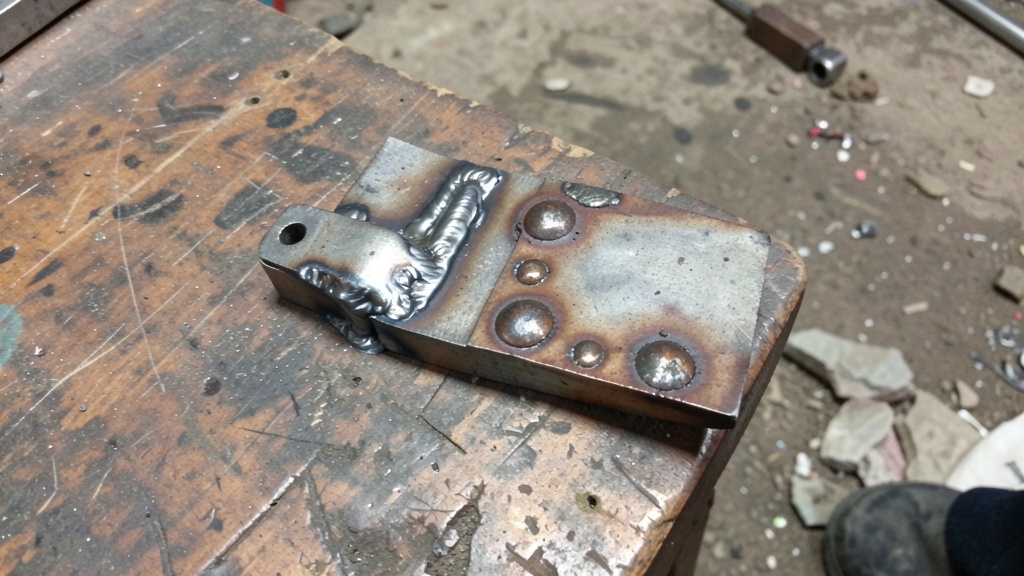
Build Confidently with Material-Aware Methods, Safety-First Protocols, and Adaptable Strategies for Real-World Projects
Permanent connections form the quiet foundation of nearly every object we rely on—from the garden bench supporting your morning coffee to the workshop shelf holding cherished tools. Yet most resources treat joining methods as isolated tricks rather than interconnected systems shaped by material behavior, environmental context, and thoughtful execution. This guide synthesizes established engineering principles, material science fundamentals, and workshop-tested practices into a unified, adaptable framework. You’ll learn not just how to join materials, but why certain approaches align with specific scenarios—and how to select, prepare, and verify bonds that deliver reliable performance through seasons of use, weather, and everyday stress.
Introduction
Step into any hardware aisle filled with fasteners, adhesives, or welding supplies, and you encounter generations of collective problem-solving. Each tube, spool, or box represents refined responses to real challenges: how to unite dissimilar materials, withstand vibration, resist moisture, or preserve aesthetics. Permanent joining isn’t merely fastening—it’s intentionally creating a new functional unit where components work together as a cohesive whole. This demands awareness of material tendencies: how wood expands with humidity, how metals conduct heat differently, how plastics respond to solvents.
Contemporary standards—from building codes to material compatibility charts—exist because connection integrity carries meaningful responsibility. A poorly considered joint in a deck railing, greenhouse frame, or children’s play structure introduces avoidable risk. Conversely, a thoughtfully executed bond becomes enduring craftsmanship: the mortise-and-tenon joint in heirloom furniture, the carefully brazed copper pipe in a restored vintage radiator, the adhesive-backed stone veneer surviving years of seasonal shifts. This guide rests on a foundational insight validated across disciplines: “permanent” signifies intentionally stable under expected conditions—not magically irreversible. Whether repairing a garden tool handle, assembling a custom planter, or reinforcing workshop furniture, these principles transform uncertainty into informed, confident action. We begin not with tools, but with a decision framework designed to prevent common missteps before your first clamp is set.
The Connection Clarity Framework: A Three-Layer Approach for Reliable Results
Memorizing isolated techniques leads to frustration. True confidence emerges from a repeatable decision process. Analysis of documented project outcomes reveals that connection issues typically stem from overlooked interactions between materials, environment, and execution—not a single error. The Connection Clarity Framework structures your thinking into three sequential layers. Apply this flow to every project, large or small. Skipping Layer 1 to “save time” frequently leads to rework or compromised results.
Layer 1: Material and Context Assessment
Before selecting any method, gather essential context. Success hinges on understanding what you’re joining and where it will live.
Ask these guiding questions:
– What are the specific materials? Move beyond “wood” or “metal.” Is it pressure-treated pine (alkaline, corrosive to some metals), cedar (acidic), 6061 aluminum, or ABS plastic? When uncertain, check manufacturer labels, recycling symbols, or conduct a discreet scratch test on an inconspicuous area.
– What forces will act on the joint? Static weight? Vibration from machinery? Shear stress? Seasonal expansion/contraction? Impact risk? A shelf bracket faces different demands than a gate hinge.
– What is the service environment? Indoor climate-controlled space? Outdoor exposure to sun, rain, freeze-thaw cycles? Humidity fluctuations? Proximity to soil, chemicals, or salt air? Critical nuance: A birdhouse joint endures wet-dry cycling that swells wood and stresses metal fasteners—requiring different considerations than an indoor picture frame.
– What is the consequence of failure? Repairing a decorative wall hanging allows more flexibility than joining structural supports for a raised garden bed. Higher consequence warrants wider safety margins and verification steps.
Simple Context Mapping Exercise:
Sketch a quick reference for your project:
| Material A | Material B | Primary Stress | Environment | Key Consideration |
|---|---|---|---|---|
| Cedar board | Stainless steel bracket | Shear (weight) | Outdoor, humid | Cedar’s acidity may corrode non-stainless fasteners over time |
| PVC pipe | ABS fitting | Internal pressure | Indoor utility | Solvent cement compatibility is essential—never mix cements |
| Cast iron leg | Solid oak top | Compression + seasonal movement | Indoor dining | Rigid metal-to-wood joins may crack wood; allow for wood movement |
Why this layer matters: Documented case reviews consistently identify material-environment mismatch as a leading factor in premature joint failure. A woodworker applying standard PVA glue to oily teak without surface preparation created a bond that weakened within a year. Another used steel screws in cedar without pre-drilling, leading to splitting as the wood expanded. Layer 1 transforms guesswork into intentional planning.
Common Layer 1 Oversights to Avoid:
– Assuming material uniformity: Oak’s dense grain requires different adhesive penetration than soft pine. Bamboo contains silica that challenges blades and adhesion.
– Overlooking surface treatments: Powder-coated metal, anodized aluminum, or factory-finished furniture often need light abrasion or specific primers for adhesion.
– Ignoring moisture content: Wood intended for outdoor use often exceeds 12% moisture content. As it dries post-assembly, shrinkage stresses joints. A moisture meter provides clarity; when unavailable, allow wood to acclimate indoors for several days.
– Discounting thermal movement: Joining dissimilar metals (e.g., copper pipe to steel conduit) without accommodating different expansion rates can cause stress fractures over repeated heating cycles.
Layer 1 Practical Tip: When uncertain, conduct a micro-test. Join two scrap pieces using your planned method. Simulate real conditions: spray with water, place in sun, apply gentle stress. Wait 48–72 hours. If the sample holds securely, proceed with greater confidence. This small investment prevents significant rework.
Layer 2: Technique Selection Guide
With context clarified, match your project profile to the most suitable joining approach. Permanent techniques fall into four practical categories—each with inherent strengths, limitations, and ideal scenarios. This isn’t about personal preference; it’s about aligning method with material behavior and project needs.
Category 1: Fusion Methods (Welding, Brazing, Soldering)
Core Principle: Using heat to melt base materials (welding) or a filler metal (brazing/soldering) to create metallurgical continuity.
Best Suited For: Homogeneous metals (steel-to-steel, copper-to-copper), applications requiring high strength or heat resistance.
Key Considerations:
– Significant heat input risks warping thin materials or altering metal properties.
– Creates a Heat-Affected Zone (HAZ) where material properties change near the joint.
– Generally challenging for dissimilar metals without specialized processes.
– Requires rigorous safety practices (ventilation, eye protection, fire prevention).
When Fusion Methods Shine:
✅ Structural steel frames (arbors, workshop racks)
✅ Copper plumbing repairs (soldering)
✅ Automotive exhaust work
✅ Artistic metalwork requiring seamless lines
❌ Avoid on heat-sensitive materials (plastics, composites, tempered glass)
❌ Use caution with cast iron (requires preheating) or thin-gauge metals (<18ga)
Category 2: Adhesive Bonding
Core Principle: Creating molecular adhesion and mechanical interlocking through carefully selected chemistry.
Best Suited For: Dissimilar materials (wood-to-metal, plastic-to-glass), vibration damping, distributing stress evenly, invisible joints.
Key Considerations:
– Surface preparation is critical—contaminants (oil, dust, mold release) prevent proper bonding.
– Cure time ≠ handling time (epoxy may feel firm at 2 hours but reach full strength in days).
– Temperature and humidity during cure significantly impact results.
– UV exposure degrades many adhesives; select UV-stable formulations for outdoor use.
When Adhesives Shine:
✅ Bonding stone veneer to backer board
✅ Repairing ceramic or porcelain items
✅ Attaching trim without visible fasteners
✅ Joining composites (fiberglass, carbon fiber)
❌ Avoid relying solely on adhesive for high-peel-stress applications (e.g., cantilevered shelves) without mechanical backup
❌ Standard cyanoacrylate (super glue) becomes brittle on flexible materials like rubber or vinyl
Category 3: Mechanical Interlock (Rivets, Press Fits, Swaging)
Core Principle: Physical deformation creating a permanent mechanical lock without melting or chemical reaction.
Best Suited For: Thin materials (sheet metal), vibration-prone settings, situations where future disassembly might be needed.
Key Considerations:
– Hole drilling creates localized stress points; precise sizing matters.
– Material must have sufficient ductility to deform without cracking (brittle cast iron is unsuitable).
– Fastener material should align with base materials to avoid galvanic corrosion.
When Mechanical Methods Shine:
✅ Securing aluminum flashing to roof sheathing
✅ Attaching nameplates or brackets to machinery
✅ Repairing torn canvas or fabric with riveted patches
✅ Bicycle component assembly (press-fit parts)
❌ Avoid in high-fatigue applications without engineered solutions
❌ Not ideal for very thick materials where drilling is impractical
Category 4: Hybrid Approaches (Adhesive + Mechanical)
Core Principle: Combining methods synergistically—adhesive distributes load while mechanical fasteners provide immediate strength and peel resistance.
Best Suited For: Critical structural joints (boat building, outdoor furniture), dissimilar materials with mismatched expansion rates, projects where maximum reliability is prioritized.
Key Considerations:
– Requires careful sequencing (e.g., apply adhesive before inserting fasteners).
– Adds complexity; reserve for situations where single-method approaches feel uncertain.
When Hybrid Methods Shine:
✅ Marine plywood assembly (epoxy + bronze screws)
✅ Attaching stone countertops to wooden substrates (adhesive + hidden brackets)
✅ Structural insulated panels (SIPs) in garden sheds or studios
✅ Heirloom-quality furniture requiring decades of service
Decision Flow (Practical Mental Model):
1. Are both materials metal and similar? → Consider Fusion Methods (if thickness and heat management allow).
2. Are materials dissimilar or heat-sensitive? → Explore Adhesive Bonding (if surface prep is feasible).
3. Is the application thin-gauge sheet metal or in a high-vibration setting? → Evaluate Mechanical Interlock.
4. Is joint failure high-consequence (structural support, safety-critical)? → Strongly consider Hybrid Approach.
5. Still uncertain? Mechanical fastening with adhesive backup often provides the most forgiving path for makers.
Layer 2 Insight: Reframing “Permanent”
In practical terms, “permanent” means designed to remain stable throughout its intended service life under expected conditions—not impossible to alter. A well-set rivet can be drilled out; a strong epoxy bond can be separated with heat and patience. Designing with future repair or adjustment in mind prevents destructive disassembly later. A boatbuilder using bronze screws with epoxy allows future plank replacement; a furniture maker using a drawbore mortise-and-tenon permits careful disassembly. This mindset fosters resilient, adaptable craftsmanship.
Layer 3: Execution and Verification Protocol
Selecting wisely matters little without careful execution. Layer 3 provides a universal four-phase protocol applicable across techniques: Prepare, Apply, Cure/Consolidate, Verify. Consistency here builds reliability.
Phase 1: Surface Preparation (The Foundation)
Industry consensus emphasizes that preparation determines the majority of bond success. This phase is non-optional:
– Metals: Remove oil, grease, oxidation. For welding: grind to bright metal extending slightly beyond the joint area. For adhesives: abrade with 80–120 grit sandpaper, then wipe with acetone (isopropyl alcohol may leave residue). Note: Aluminum benefits from a stainless steel wire brush used only for aluminum to avoid embedded steel particles causing corrosion.
– Wood: Sand to 120 grit. Remove all dust with a tack cloth or vacuum—avoid compressed air, which forces particles deeper. For oily woods (teak, rosewood), wipe with acetone first. Ideal moisture content ranges between 6–12% for indoor projects.
– Plastics: Identify resin type (check recycling symbol ♻️). ABS/PVC accept solvent cement; polypropylene/polyethylene often require light abrasion and specialty adhesives.
– Stone/Composites: Light abrasion improves adhesion; some composites require manufacturer-specific primers.
Why preparation matters: Even microscopic contaminants create weak boundary layers. Dust in wood pores traps moisture; oil films on metal prevent adhesive wetting. Preparation isn’t cleaning—it’s engineering the interface for optimal contact.
Phase 2: Application Precision
- Adhesives: Mix epoxies thoroughly (scrape container sides/bottom). For critical bonds, mix by weight using a digital scale. Apply a thin, even layer to both surfaces (“double-gluing”) to ensure full coverage. Clamp pressure should produce a thin, continuous bead of excess adhesive—too little leaves voids; too much starves the joint.
- Welding/Brazing: Maintain consistent travel speed and arc length. For MIG welding thin metal, the “push” technique offers better visibility and shallower penetration. For thicker material, “pull” provides deeper fusion.
- Riveting: Drill holes precisely to rivet diameter. Use a backup bar for support during setting. Listen for the distinct “pop” indicating full deformation.
- Universal Tip: Work within recommended environmental ranges. Most adhesives perform poorly below 50°F (10°C) or above 90°F (32°C). High humidity can cause surface defects on epoxies; wind disrupts shielding gas in welding. When conditions aren’t ideal, adjust timing or create a temporary sheltered workspace.
Phase 3: Cure and Consolidation
- Adhesives: Respect full cure time, not just initial set. Epoxy may handle light stress at 24 hours but reach maximum strength in 5–7 days. Keep clamped during initial cure. Avoid vibration or stress during this phase.
- Welds: Allow thick sections to cool slowly (bury in dry sand or use an insulating blanket) to reduce cracking risk from rapid contraction.
- Solder/Braze: Heat evenly to avoid hot spots. Allow to cool naturally—quenching can induce stress cracks.
- Pro Insight: Cure is active molecular reorganization. Stable temperatures yield more reliable results than fluctuating conditions. A garage cycling from 45°F overnight to 75°F at noon may produce weaker bonds than a consistently 65°F space.
Phase 4: Verification and Documentation
Never assume success. Verify thoughtfully:
– Visual Check: Adhesive joints should show uniform squeeze-out. Welds should have consistent bead profiles without cracks, porosity, or undercut. Rivets should be fully formed with no gaps.
– Simple DIY Tests:
– Tap Test: Gently tap adhesive bonds with a plastic mallet. A solid “ping” suggests good adhesion; a dull “thud” may indicate voids.
– Gradual Load Test: For non-critical joints, apply increasing force up to expected load. Watch for creep (slow deformation) or sudden failure.
– Document: Photograph the completed joint. Note materials, method, date, and environmental conditions. This builds your personal reference library for future projects.
The Guiding Principle: The reliability of any connection emerges from the thoughtful alignment of material properties, environmental context, and execution care. A meticulously prepared adhesive bond on compatible materials often outperforms a technically perfect weld on mismatched metals. Mastery lies in respecting this relationship.
Technique Deep Dives: Adapting Methods to Your Project
Welding Fundamentals for Makers
Welding unites metal through controlled heat, creating bonds that become part of the material itself. This power requires respect for safety and process. Critical safety note: Always use ANSI-compliant gear (auto-darkening helmet, fire-resistant clothing, respirator for fumes). Never weld galvanized steel, lead-painted metal, or containers that held flammables without professional ventilation.
Stick Welding (SMAW) for Practical Repairs
Ideal for farm gates, fence posts, or structural repairs where portability and tolerance for less-than-perfect surfaces matter.
– Rod Selection Guidance:
– E6010/E6011: Good penetration on slightly rusty or painted steel; common for general repairs.
– E7018: Produces smoother, stronger welds; requires dry storage (moisture causes porosity); preferred for structural work.
– Execution Tips: Strike the arc directly on the joint area. Maintain a short arc length (≈ electrode diameter). Travel speed should keep the weld pool about ¼” behind the electrode tip. Chip away slag after cooling and inspect.
– Real-World Adaptation: Repairing a rusty gate hinge? Grind to clean metal, preheat lightly with a propane torch (warm to touch), use short, intermittent welds to minimize heat buildup on thin metal, then apply rust-inhibiting primer.
MIG Welding (GMAW) for Versatility
Often favored for its relative ease and clean results on mild steel.
– Gas Consideration: 75% Argon/25% CO2 (“C25”) offers the best balance for DIY mild steel work.
– Flux-Core Alternative: Self-shielding wire (no gas tank) works well outdoors where wind disrupts gas shielding—ideal for trailer repairs or outdoor equipment. Expect more spatter and require slag removal.
– Technique Nuance: For thin metal (<18ga), use the “push” technique (gun angled slightly forward) for better visibility and shallower penetration. Listen for a consistent “sizzle” sound—erratic popping signals incorrect settings.
TIG Welding (GTAW) for Precision
Delivers exceptional control for thin materials, aluminum, or visible welds.
– Practical Insight: While industrial TIG requires significant investment, understanding its principles informs better choices with accessible tools: precise heat control minimizes distortion. For DIY aluminum repairs (e.g., cracked tool handle), light abrasion, thorough cleaning, and slow, even heating are critical regardless of method.
– Safety Note: Tungsten grinding creates hazardous dust. Use dedicated grinders with ventilation or purchase pre-sharpened electrodes.
Oxy-Acetylene for Brazing and Heating
Remains valuable for brazing copper plumbing, heating seized bolts, or bending metal.
– Critical Safety: Always use flashback arrestors on both oxygen and fuel lines. Secure tanks upright. Light acetylene first, then adjust oxygen to achieve a neutral flame (sharp inner cone).
– Brazing Copper Pipes: Clean pipe and fitting with emery cloth, apply plumbing-specific flux, heat the fitting until flux bubbles, then touch filler rod to the opposite side—capillary action draws it into the joint. Allow to cool naturally.
Brazing and Soldering: Capillary Action Joining
These methods join metals without melting the base materials, preserving integrity and minimizing distortion. The key difference: brazing occurs above 840°F (450°C); soldering below.
Brazing for Strong, Leak-Proof Joints
– Filler Selection: BCuP (copper-phosphorus) works well for copper-to-copper plumbing. Silver-bearing alloys (BAg) offer higher strength for steel or dissimilar metals but require white flux.
– Critical Success Factor: Fit-up. Parts must align closely (gap ≈ 0.001–0.005″). Too loose, and capillary action fails; too tight, and filler can’t flow.
– Process: Clean meticulously → apply flux → heat both sides of the joint evenly until flux becomes liquid → touch filler rod to the opposite side of the heat source → allow to cool slowly.
– Why It Works for Carbide Tips: Brazing bonds tool steel to carbide at temperatures far below carbide’s melting point, preserving its hardness while creating a shock-absorbing layer.
Soldering for Electrical and Plumbing
– Electrical: Use rosin-core solder designed for electronics. Heat the wire and pad simultaneously for 1–2 seconds, then feed solder to the junction. A good joint is shiny and concave. Avoid “cold joints” (dull, lumpy) caused by insufficient heat or movement during cooling.
– Plumbing (“Sweat Soldering”): Use lead-free solder and acid-core flux labeled for plumbing. Clean pipe and fitting until bright, apply flux immediately, heat the fitting cup, and introduce solder to the opposite side. A complete silvery ring indicates proper flow. Always drain pipes completely and use a heat shield to protect nearby wood.
– Silver Soldering (Hard Soldering): Uses higher-temperature silver alloys (1100–1300°F). Ideal for jewelry repairs, musical instruments, or stainless steel. Requires an oxy-propane torch and specialized flux. Technique mirrors brazing with finer control.
Adhesive Bonding: Molecular Connection Strategies
Adhesives distribute stress evenly across the joint area, eliminating stress concentrators from holes or weld zones. Success hinges on chemistry-aware selection and meticulous prep.
Epoxy Systems for Structural Needs
– Mixing Matters: For critical bonds, mix resin and hardener by weight using a digital scale. Inaccurate ratios cause weak or brittle bonds. Scrape container sides thoroughly; consider “double mixing” (pour into a second cup and remix) for homogeneity.
– Surface Protocol: Degrease with acetone → abrade to 80–120 grit → remove dust with tack cloth → apply primer if bonding difficult substrates (aluminum, plastics).
– Clamping Strategy: Apply just enough pressure to squeeze out a thin, continuous bead of excess. Use cauls (scrap wood blocks) to distribute pressure evenly on wood. For gaps >1/16″, thicken epoxy with silica or milled fibers—not sawdust.
– Real Application: Repairing a split table leg? Clean the crack, inject thickened epoxy with a syringe, clamp firmly, and allow full cure before sanding. The bond can exceed the strength of surrounding wood when prepared correctly.
– Filleting Insight: In boatbuilding, a rounded epoxy fillet at inside corners distributes stress dramatically. Apply thickened epoxy along the seam with a rounded stick, then smooth with a plastic spreader dipped in soapy water.
Polyurethane Adhesives for Flexibility and Outdoors
– Why Choose: Bonds dissimilar materials, remains flexible to accommodate movement, offers excellent weather/UV resistance.
– Key Nuance: Cures by reacting with atmospheric moisture. In very dry conditions, lightly mist one surface with water before applying adhesive. It expands slightly while curing—apply less than you think and use masking tape on adjacent surfaces for easy cleanup.
– Application Example: Attaching a wooden post base to concrete? Clean and lightly dampen the concrete, apply adhesive in a zigzag pattern, position the post, and brace lightly (heavy clamping squeezes out needed adhesive). Wait 24 hours before loading. This seals against moisture ingress better than mechanical fasteners alone.
– Safety: Work in a ventilated area; uncured polyurethanes release fumes requiring respiratory protection.
Cyanoacrylate (Super Glue) for Quick Repairs
– Beyond the Tube: Bonds best to slightly porous or acidic surfaces (wood, paper, skin). Struggles with polyethylene, polypropylene, or very smooth surfaces.
– Pro Technique – Baking Soda “Welding”: For filling cracks or bonding uneven surfaces: apply thin CA to one surface, sprinkle baking soda into the joint (it hardens instantly), repeat layers until filled, then sand smooth. Baking soda acts as an accelerator and filler, creating a hard, sandable repair stronger than CA alone. Ideal for stripped screw holes in plastic or ceramic chip repair.
– Safety: Bonds skin instantly. Keep acetone nearby for emergencies. Work in a ventilated space.
Specialty Adhesives Quick Reference
| Project Need | Recommended Approach | Key Consideration |
|————–|———————-|——————-|
| Structural wood joint | Epoxy (thickened) | Mix by weight; clamp to thin bead squeeze-out |
| Outdoor trim to siding | Polyurethane adhesive | Lightly dampen surface; avoid over-clamping |
| Ceramic repair | Clear epoxy | Clamp gently; allow full 72-hour cure |
| Securing loose screw in plastic | CA + Baking soda | Build up layers; sand flush |
| Sealing window pane | Neutral-cure silicone | Clean with isopropyl alcohol first; tool bead immediately |
| Locking bolt on vibrating equipment | Medium-strength threadlocker (blue) | Clean threads; assemble within 10 minutes |
| Bonding polyethylene tank | Specialty plastic adhesive system | Light abrasion + manufacturer primer essential |
Universal Adhesive Insight: No single adhesive works perfectly on all materials. When uncertain, consult the manufacturer’s technical data sheet (TDS)—not just the product label—for compatibility charts, strength data, and cure profiles. This brief research prevents significant frustration.
Mechanical Permanent Joining: Rivets, Press Fits, and More
These methods create bonds through precise geometry and force—no heat, no chemistry. Ideal where future adjustment might be needed or heat would damage materials.
Riveting for Sheet Metal and Repairs
– Blind Rivet (Pop Rivet) Selection:
– Match rivet material to your project (aluminum for non-structural outdoor use; stainless steel for corrosion resistance).
– Select grip range carefully: measure total material thickness and choose a rivet rated for that exact range. Too short won’t set; too long creates a weak joint.
– For critical applications (gutters, structural brackets), consider structural blind rivets or sealed rivets with integrated washers to prevent moisture ingress.
– Flawless Installation: Drill hole precisely to rivet diameter. Insert rivet. Squeeze handles smoothly until the mandrel snaps cleanly. Verify the shop head is fully formed (≈1.5x rivet diameter) with no gaps between materials.
– Real Application: Securing aluminum gutter to fascia? Pre-drill, insert a sealed blind rivet with rubber washer, set firmly. Space rivets 12″ apart on straight sections, 6″ on corners. Rivets resist loosening from wind vibration better than screws in thin metal.
– Flush Finish Tip: For aesthetic surfaces, countersink the hole to match the rivet head angle before setting. Test depth on scrap first.
Press Fits and Interference Fits for Precision
– Core Concept: The shaft is intentionally slightly larger than the hole. Force presses it in, creating friction-based holding power.
– DIY Protocol: Measure shaft and hole precisely with calipers. Calculate interference (typically 0.0005″–0.002″ per inch of diameter). Lubricate the shaft lightly. Align parts perfectly—misalignment causes binding or damage. Apply steady, even pressure (arbor press or vise with soft jaws). Never hammer directly.
– Thermal Assistance: For stubborn fits, chill the shaft in the freezer (contracts metal) and gently warm the receiving hole with a hair dryer (expands it). This reduces required force significantly.
– Application Example: Installing a replacement pin in a garden tool handle? Select a pin 0.001″–0.002″ larger than the hole. Chill pin, warm handle hole slightly, apply light oil, press in straight. Peen the ends lightly to prevent backing out. This creates a vibration-proof connection often stronger than adhesive alone.
Contextual Considerations: Season, Environment, and Constraints
Adapting to Temperature and Humidity
- Cold Weather (<50°F / 10°C): Most adhesives cure slower or incompletely. Store adhesives at room temperature before use. Create a temporary warming enclosure (tarps + safe heat source) for the project area. Welding in cold metal increases cracking risk—preheat the joint area gently.
- High Humidity: Can cause “amine blush” (waxy film) on curing epoxies. Work in a sheltered area with a dehumidifier if possible. Some adhesives are formulated for humid conditions—check labels.
- Seasonal Wood Movement: Wood expands in humid summers, contracts in dry winters. For outdoor projects joining wood to metal, allow slight movement (e.g., elongated holes, flexible adhesive) to prevent cracking. Avoid rigid connections across wide wood panels.
Working Within Constraints
- Budget-Limited: Focus on preparation and technique over expensive tools. A well-executed mechanical joint with proper prep often outperforms a rushed “premium” method. Borrow or rent specialized tools (e.g., TIG welder) for one-off projects.
- Space-Limited (Apartment/Garage): Prioritize low-fume methods (mechanical fastening, water-based adhesives). Use clamps creatively. For welding/brazing, ensure exceptional ventilation or choose cold-joining alternatives.
- Skill Development: Start with forgiving methods (mechanical fastening, polyurethane adhesives) on scrap material. Progress to more demanding techniques as confidence grows. Mastery is built through deliberate practice, not innate talent.
Systemic Integration: Seeing the Whole Project
A single joint doesn’t exist in isolation. Consider how it affects the entire assembly:
– Will this connection transfer stress to a weaker adjacent area?
– Does it allow for future maintenance or adjustment elsewhere?
– How does it contribute to the project’s overall longevity and safety?
In a garden bench, the leg-to-seat joint must accommodate wood movement while supporting weight. In a workshop shelf, bracket placement affects load distribution across the entire structure. Thoughtful joining strengthens the system, not just the seam.
Safety Protocols: Non-Negotiable Practices for Every Project
Safety enables sustained creativity. These protocols, informed by workshop incident reviews, protect your ability to keep building.
Universal Essentials
- Eye Protection: ANSI Z87.1+ safety glasses with side shields for grinding, drilling, or chiseling. Auto-darkening welding helmet (shade #10 minimum) with delayed-darkening feature for welding. Never skip eye protection—even a brief glance at an arc causes painful corneal flash hours later.
- Respiratory Protection: N95 mask is insufficient for solvents or welding fumes. Use a NIOSH-approved half-face respirator with organic vapor cartridges for adhesives/solvents. For welding stainless steel or galvanized metal, consult safety guidelines—specialized protection may be required due to hazardous fumes. If you smell fumes, ventilation is inadequate. Position a fan to pull air away from your breathing zone.
- Fire Prevention: Clear a 35-foot radius of combustibles before welding/brazing. Keep an ABC fire extinguisher within arm’s reach. Use welding blankets to shield nearby surfaces. Assign a “fire watch” for 30 minutes after hot work—smoldering sparks can ignite hidden materials hours later.
- Hearing Protection: Grinding, riveting, and hammering exceed safe noise levels. Use earmuffs (NRR 25+) or foam plugs (NRR 33).
- Clothing: Wear tightly woven cotton or leather. Avoid synthetics (they melt). Tuck in shirts; cuff pants over boots to prevent sparks entering clothing.
Technique-Specific Safeguards
- Welding/Brazing: Inspect cables for damage before each use. Secure gas cylinders upright. Never use oil on oxygen fittings (explosion risk). Close valves when not in use.
- Adhesives/Chemicals: Wear nitrile gloves (latex degrades with solvents). Store flammables in approved safety cabinets. Absorb small spills with kitty litter; dispose of properly. Never pour solvents down drains.
- Mechanical Work: Secure workpieces firmly before drilling or riveting. Remove chuck keys before operating drills. Keep hands clear of press rams.
Emergency Preparedness
- Maintain a well-stocked first aid kit: burn gel, eye wash solution, gauze, tourniquet.
- Post emergency numbers visibly: local poison control, nearest urgent care.
- Know the location of the nearest emergency eyewash station.
- Take a basic first aid/CPR course annually.
Safety Mindset: Safety gear isn’t an obstacle—it’s the foundation of confident, focused work. The most experienced makers aren’t those who take risks; they’re those who’ve systematically removed preventable hazards from their process. Your future self—still creating, building, and sharing your craft—depends on these habits today.
Troubleshooting Common Challenges: Learning from Setbacks
Failures provide valuable data. Approach them methodically.
Adhesive Joint Separates Cleanly (No Adhesive Transfer)
- Likely Causes: Inadequate surface preparation (contamination, insufficient abrasion); adhesive incompatible with substrate; incorrect mix ratio.
- Corrective Steps: Clean both surfaces thoroughly with acetone. Abrade to fresh texture. For plastics, apply manufacturer-recommended primer. Mix fresh adhesive carefully (by weight for epoxies). Apply thin layer to both surfaces. Clamp to achieve thin bead squeeze-out. Cure in stable temperature.
- Prevention: Adopt a prep checklist: Clean → Abrade → Clean Again → Prime (if needed). For critical bonds on metal, perform a “water break test”: sprinkle water—if it sheets evenly, surface is clean; if it beads, contamination remains.
Weld Develops Cracks After Cooling
- Likely Causes: Rapid cooling on thick sections; moisture in electrodes or on metal; high restraint in joint design; incompatible filler metal.
- Corrective Steps: Grind out the entire crack plus a small margin. Preheat the area gently (warm to touch). Use low-hydrogen electrodes stored properly. Weld with minimal necessary heat. Cover the weld with an insulating blanket to cool slowly.
- Prevention: Preheat cast iron, high-carbon steel, or sections over ¼” thick. Store electrodes in a dry place. Design joints with gradual transitions to reduce stress concentration. For critical structural welds, consult welding procedure specifications.
Rivet Spins or Pulls Out Easily
- Likely Causes: Hole oversized (dull drill bit); material stack thickness outside rivet’s grip range; rivet material too soft for application.
- Corrective Steps: Drill out the failed rivet completely. Measure total thickness precisely. Select a rivet with grip range centered on that measurement. Use a sharp drill bit matching rivet diameter exactly. Deburr the hole. Set the new rivet with a full, smooth squeeze until the mandrel snaps cleanly.
- Prevention: Maintain sharp drill bits. Keep a rivet grip range chart visible at your workstation. For structural applications, choose structural-grade blind rivets over standard pop rivets.
Brazed Joint Leaks Under Pressure
- Likely Causes: Gap too large preventing capillary action; flux burned off before filler application; contamination in joint; insufficient filler drawn in.
- Corrective Steps: Disassemble. Clean thoroughly with stainless brush and solvent. Verify fit-up (parts should slide together with light finger pressure). Reapply fresh flux generously. Heat the fitting, not the pipe. When flux bubbles clearly, touch filler rod to the opposite side of the heat source. Apply just enough filler to see a meniscus form completely around the joint.
- Prevention: Always check fit-up before assembly. Use fresh flux. Heat evenly and patiently—rushing causes flux burn-off.
Your Questions, Answered
Q: Can I use regular super glue on plastic toys or containers?
A: Standard cyanoacrylate (super glue) works on some plastics (ABS, PVC) but fails on polyethylene (♷) or polypropylene (♴)—common in toys and food containers. Look for the recycling symbol. For these, use a specialty plastic adhesive or the baking soda technique described earlier. Always test on an inconspicuous area first.
Q: What’s the safest way to join wood to metal outdoors without causing corrosion?
A: Use stainless steel fasteners (grade 304 or 316 for coastal areas) with non-reactive washers if needed. Pre-drill wood to prevent splitting. For adhesive options, polyurethane-based adhesives accommodate movement and resist moisture. Avoid direct contact between untreated steel and acidic woods like cedar or redwood—use a barrier like plastic washer or sealant.
Q: My epoxy feels hard after 4 hours—is it safe to use the project?
A: Likely not at full strength. While epoxies may feel solid (“handling strength”) in hours, they typically require 24–72 hours to reach maximum bond strength, depending on temperature and formulation. Check the product’s technical data sheet. When in doubt, wait the full recommended cure time, especially for structural or load-bearing joints.
Q: How do I know if my wood is dry enough to glue?
A: Ideal moisture content for indoor woodworking is 6–12%. Without a meter, let wood acclimate indoors for 1–2 weeks. Wood that feels cool or damp, shows dark water stains, or is freshly cut likely contains too much moisture. Gluing wet wood leads to weak bonds and future cracking as it dries.
Q: Can I weld aluminum with a standard MIG welder?
A: Standard MIG welders (designed for steel) struggle with aluminum due to its high thermal conductivity and oxide layer. Aluminum requires a spool gun or push-pull system to feed the soft wire reliably, plus 100% argon shielding gas. For DIY repairs on thin aluminum (e.g., toolboxes), mechanical fastening, adhesive bonding, or brazing with specialized rods are often more accessible and reliable paths.
Q: Why does my solder joint look dull and grainy?
A: This “cold joint” usually means insufficient heat during soldering or movement while cooling. Ensure your iron is hot enough (600–700°F for lead-free), heat both the wire and pad simultaneously for 1–2 seconds, feed solder to the junction (not the iron tip), and hold perfectly still until solidified. Clean the tip regularly with a damp sponge.
Q: What’s the best way to join two pieces of stone or concrete?
A: For non-structural applications (veneer, repairs), use a high-strength epoxy or polyurethane adhesive formulated for masonry. Clean surfaces thoroughly, abrade lightly for “tooth,” apply adhesive to both surfaces, clamp firmly, and allow full cure. For structural stone work (steps, retaining walls), mechanical anchors or specialized mortar systems designed for the specific stone type are essential—consult a masonry professional.
Q: How can I remove a broken bolt stuck in wood or metal?
A: For wood: Drill carefully alongside the bolt fragment, then use pliers. For metal: Apply penetrating oil, let sit. Try an “easy-out” extractor tool. If accessible, weld a nut to the broken end for grip. Prevention is best: Use anti-seize compound on threads for future disassembly, especially in outdoor or high-moisture settings.
Q: Is it safe to use adhesives indoors without strong ventilation?
A: It depends on the adhesive. Water-based wood glues (PVA) have low fumes. Solvent-based adhesives (contact cement, some epoxies) and polyurethanes release vapors requiring good cross-ventilation (open windows + fan exhausting outward) and respiratory protection. Always read the Safety Data Sheet (SDS) before use. When ventilation is limited, choose low-VOC or water-based alternatives.
Q: How do I choose between nails, screws, or adhesive for a woodworking project?
A: Consider the forces and aesthetics:
– Nails: Good for shear strength (flooring, framing), some flexibility. Leave visible holes.
– Screws: Superior tensile (pull-out) strength, easily adjustable. Can split wood if not pre-drilled.
– Adhesive: Distributes stress evenly, invisible, excellent for edge joints. Requires clamping and cure time.
Often, a hybrid approach works best: adhesive for primary bond + screws for immediate alignment and handling strength (e.g., tabletop assembly).
Conclusion and Your Next Step
Mastering permanent connections isn’t about memorizing every technique—it’s about developing a thoughtful, adaptable process. You now have a clear framework: assess materials and context first, select methods aligned with your project’s real-world demands, execute with care for preparation and verification, and always prioritize safety. This approach transforms joining from a source of anxiety into a confident, creative act.
Recap: Three Foundational Principles
1. Context is King: Material type, environmental exposure, and consequence of failure guide every decision.
2. Preparation Determines Outcome: Surface readiness and fit-up matter more than expensive tools or adhesives.
3. Verify, Don’t Assume: Simple checks after joining build reliability and deepen your understanding.
The 24-Hour Rule: Within the next day, gather two small scrap pieces of materials you plan to join in an upcoming project. Practice your chosen technique—clean, apply, clamp or set, and verify. This micro-test builds muscle memory and confidence far more effectively than theoretical planning alone. Document what you learn; it becomes your personal reference.
The Bigger Picture: Thoughtful joining contributes to projects that last longer, perform safer, and bring deeper satisfaction. It reduces waste, honors materials, and connects you to generations of makers who solved real problems with care and ingenuity. Every well-executed joint is a quiet testament to patience and respect—for your materials, your tools, and yourself.
Explore Our Complete Workshop Resource System:
Understanding Material Properties for Makers | Workshop Safety Fundamentals Every Builder Needs | Climate-Adaptive Woodworking: Seasonal Tips for Humidity and Temperature | Repair, Don’t Replace: A Maker’s Guide to Fixing Common Household Items | Sustainable Crafting: Choosing and Sourcing Materials Responsibly | The Maker’s Mindset: Problem-Solving Frameworks for DIY Projects | Tool Care and Maintenance for Longevity and Precision