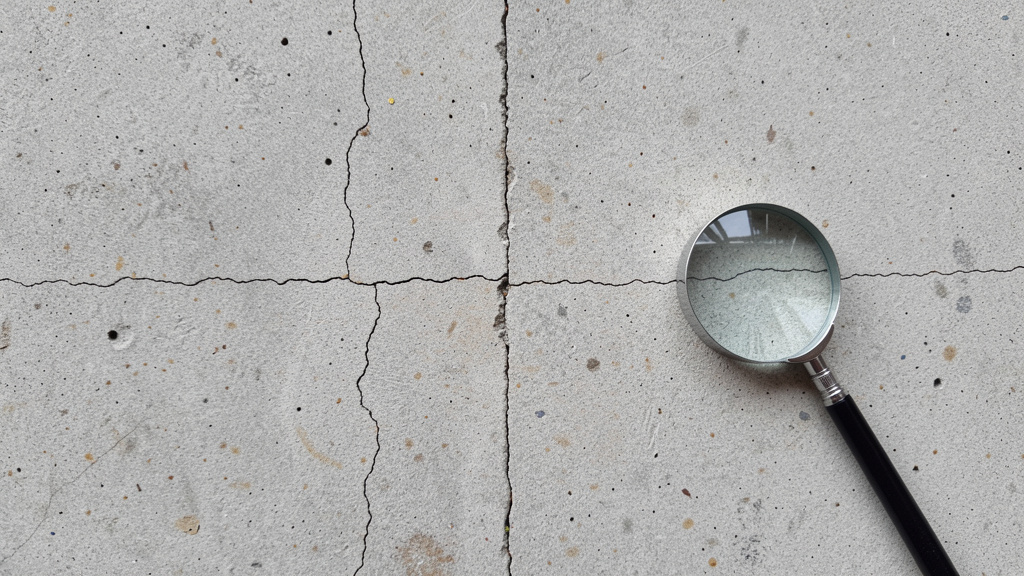
Stop guessing and start knowing: A homeowner’s definitive framework for evaluating wall, foundation, and ceiling cracks with confidence—before they become costly problems.
That hairline fracture snaking across your basement wall. The jagged seam splitting your living room ceiling. The subtle stair-step pattern creeping up your brick chimney. Your heart skips. Is this the beginning of a structural catastrophe? Or just another harmless quirk of an aging home? Millions of homeowners face this exact moment of uncertainty every year—staring at a crack, paralyzed by fear of underreacting or overreacting. This guide eliminates that paralysis. Drawing from established building science principles, documented failure patterns across residential structures, and systematic assessment protocols used in preliminary structural evaluations, we provide a comprehensive, actionable framework for crack evaluation. You’ll learn precisely how to characterize any crack’s behavior, interpret its context, recognize critical warning signs, and determine your exact next step—whether it’s documenting for monitoring, scheduling a professional consultation, or confidently applying a simple cosmetic fix. No jargon. No fearmongering. Just clear, evidence-based clarity grounded in observable patterns.
Introduction
Cracks are among the most universally misunderstood features in residential construction. They trigger deep-seated anxieties because they represent the invisible made visible—the hidden forces of soil, moisture, temperature, and time manifesting on surfaces we trust to protect us. Yet the emotional response (“This means my house is falling apart!”) rarely aligns with structural reality. Building science literature consistently documents that most cracks in residential structures are non-structural, resulting from predictable material behaviors like concrete shrinkage, wood framing seasoning, or drywall joint movement. However, dismissing all cracks as harmless carries genuine risk. The critical distinction lies not in the crack’s mere existence, but in its specific characteristics, location, evolution, and relationship to the building’s structural system. This guide bridges the gap between alarmist internet forums and overly technical engineering reports. We translate professional assessment criteria into a methodical, homeowner-accessible process. By the end, you won’t just see a crack—you’ll understand its story, its implications, and your precise path forward. This knowledge transforms anxiety into agency, empowering you to protect your largest investment with informed calm rather than reactive panic. Understanding common crack patterns observed across documented residential assessments forms the bedrock of rational evaluation—separating signal from noise in your home’s visual language.
The CRACK Framework: A Systematic Approach to Crack Evaluation
Forget fragmented checklists or oversimplified “red flag” lists. True crack assessment requires a holistic, sequential process that considers the crack within the entire ecosystem of your home. Introducing the CRACK Framework—a five-phase methodology designed to move you from initial observation to confident action. This isn’t guesswork; it’s a structured diagnostic protocol aligning with foundational principles used in preliminary structural evaluations. Each phase builds deliberately on the last, filtering out noise and focusing your attention on the most critical indicators. Think of it as your personal assessment algorithm: input observable data, process it through contextual filters, and output a clear, justified decision path. Whether you’re examining a hairline fissure in drywall or a concerning seam in your foundation, this framework provides the consistent logic needed to avoid costly misjudgments.
Step 1: Characterize the Crack (The “What”)
Before interpreting meaning, you must precisely define the physical evidence. This phase demands objective observation, not assumption. Grab your phone camera, a ruler or caliper, a flashlight, and a notepad. Approach the crack like a detective documenting a scene.
Measure Width Accurately:
Crack width is a key quantifiable metric. Use a crack width gauge (inexpensive plastic tools available online) or a digital caliper for precision. If unavailable, use common references:
– Hairline: < 0.5mm (thinner than a credit card edge). Often invisible to naked eye until light hits it.
– Fine: 0.5mm – 1mm (width of a mechanical pencil lead).
– Moderate: 1mm – 5mm (width of a grain of rice to a pencil eraser).
– Wide: > 5mm (wider than a pencil). Warrants professional attention.
Critical nuance: Measure at the widest point. Cracks often taper. Note if width changes significantly along its length. A crack starting fine at the top and widening downward may indicate progressive movement.
Map the Pattern and Direction:
The crack’s geometry reveals underlying forces:
– Vertical cracks: Most common in foundations and walls. Often indicate shrinkage (concrete, wood) or uniform settlement. Exception: A vertical crack perfectly aligned with a wall stud or foundation seam may be construction-related. A vertical crack offset (one side higher) indicates shear force—serious concern.
– Horizontal cracks: High-risk indicator in foundation walls (especially below grade). Suggests lateral pressure from soil, hydrostatic pressure, or structural bowing. In above-grade walls, may indicate beam failure or severe framing issues.
– Diagonal cracks (30–60 degrees): Classic sign of differential settlement (one part of foundation sinking faster) or point-load stress (e.g., under a chimney).
– Stair-step cracks: Zig-zag pattern following mortar joints in brick/block walls. Strong indicator of foundation settlement or heave. Direction matters: Cracks stepping downward toward a corner suggest settlement at that corner.
– Spiderweb/crazing: Fine, interconnected cracks on surfaces (stucco, plaster, concrete slabs). Almost always cosmetic, caused by surface drying shrinkage or paint failure.
– Cracks radiating from openings: Common around windows/doors due to framing stress. Usually cosmetic if narrow and stable. Worsening cracks here warrant attention.
Document Length, Depth, and Location:
– Length: Measure total span. A 2-inch crack behaves very differently than a 10-foot crack.
– Depth: Probe gently with a thin wire or awl (if safe/appropriate). Surface-only? Or penetrating deep? Deep cracks in structural elements warrant closer review.
– Exact Location: Note precisely: “Basement foundation wall, 3 feet left of southeast corner, 18 inches above floor.” “Living room ceiling, centered between light fixture and north wall.” Location contextualizes everything. A crack in non-structural drywall has different implications than an identical crack in a load-bearing masonry wall.
Capture Visual Evidence:
Take multiple high-resolution photos:
1. Wide shot showing crack in relation to room/wall features.
2. Close-up with ruler/gauge placed directly beside crack for scale.
3. Close-up with flashlight held at a low angle (raking light) to highlight texture and depth.
4. Photo of the opposite side of the wall (if accessible). A crack visible on both sides of a foundation wall is more significant than one only on the interior.
Pro Tip: Place a dated sticky note in one photo. This creates an undeniable timestamp for future comparison. Save all images in a dedicated folder named “Home Crack Monitoring – [Date].”
Why This Step is Crucial: Skipping precise characterization leads to misdiagnosis. Mistaking a 0.3mm hairline shrinkage crack for a 3mm settlement crack causes unnecessary concern. Conversely, dismissing a widening diagonal crack as “just cosmetic” ignores its trajectory. Objective data replaces emotion.
Common Mistake to Avoid: Using vague terms like “big” or “small.” Always quantify. Saying “it’s about the width of a pencil” is useless months later when comparing. Exact millimeters matter.
Budget Alternative: No caliper? Print a free crack width chart from a university extension website (search “crack width reference chart PDF”), laminate it, and keep it in your toolkit. Hold it directly against the crack for comparison.
Step 2: Review the Context (The “Where and When”)
A crack never exists in isolation. Its meaning is entirely shaped by its environment. This phase investigates the story surrounding the crack—the building’s history, materials, surroundings, and recent events. Context transforms an isolated line on a wall into a chapter in your home’s narrative.
Analyze Building Age and Materials:
– New Construction (0–5 years): Expect some cracking. Concrete foundations shrink as they cure (typically stabilizing within 1–2 years). Wood framing seasons and settles. Drywall joints crack as framing adjusts. Most cracks in this phase are cosmetic if they stabilize. Note: Cracks appearing immediately after construction or worsening rapidly may relate to curing time or installation details.
– Established Home (5–50 years): Cracks often relate to gradual soil movement, moisture cycles, or aging materials. Pay attention to changes. A crack present for 20 years with no change is likely stable. A new crack in a 30-year-old wall warrants investigation.
– Older Home (50+ years): Materials behave differently. Lime-based mortars in historic brick are softer and more flexible than modern Portland cement—small cracks may be normal. Plaster walls over wood lath develop characteristic “alligatoring” cracks with age. Understand original construction methods before judging.
– Material Matters:
– Poured Concrete Foundations: Vertical shrinkage cracks common; horizontal cracks rare and significant.
– Concrete Block (CMU) Foundations: Stair-step cracks along mortar joints indicate movement. Cracks through the blocks themselves suggest higher stress.
– Brick Veneer: Cracks often reflect movement in the underlying wood frame, not the brick itself.
– Drywall: Cracks at seams/joints usually indicate framing movement or installation details. Random cracks on field may indicate impact or shift.
– Plaster: More rigid than drywall; cracks often signal underlying lath movement.
Investigate Environmental and Site Factors:
Walk around your property. The ground holds critical clues:
– Soil Type: Clay soils expand when wet (“heave”) and shrink when dry (“settlement”), causing cyclical foundation movement. Sandy soils drain well but can erode. If you know your soil type (check county soil surveys online), it informs crack behavior.
– Grading and Drainage: Is soil sloped away from your foundation? Or does water pool near walls after rain? Poor drainage is a leading contributor to foundation issues. Check downspouts—are they directing water at least 6 feet from the foundation?
– Vegetation: Large trees within 15 feet of the foundation? Roots seek moisture, potentially drying soil and causing settlement. Conversely, removing a large tree can cause soil to rehydrate and heave.
– Recent Excavation or Construction: New neighbor’s pool? Street widening? Vibrations and soil disturbance from nearby projects can trigger settlement cracks.
– Weather Patterns: Record-breaking drought followed by heavy rains? Extreme moisture cycles stress foundations. Note recent weather in your documentation.
Establish Timeline and History:
– When did you first notice it? Be specific. “After the heavy rains in March,” or “Right after we installed the new water heater.”
– Has it changed? Compare to old photos (phone albums, social media posts showing the wall). Ask long-term neighbors about known issues if appropriate.
– Correlated Events: Did the crack appear or worsen after:
– A major storm/flood?
– Installation of heavy equipment (HVAC unit)?
– Renovation work?
– Significant tree removal or planting?
Documenting this timeline is essential. A crack appearing suddenly after a known event has a clearer context than one with no identifiable trigger.
Why This Step is Crucial: Context prevents misattribution. Blaming a stable, decades-old crack on recent minor settlement ignores history. Conversely, dismissing a new crack because “the house is old” ignores a potentially new issue. Context separates chronic, stable conditions from acute, evolving concerns.
Illustrative Example: A homeowner in a region with expansive clay soil noticed a new vertical crack after a prolonged drought. Context review revealed: 1) House built on clay soil, 2) No recent construction nearby, 3) Visible soil shrinkage around the foundation perimeter. After implementing consistent, slow watering 1–2 feet from the foundation during dry periods, the crack stabilized over time—avoiding unnecessary repair costs.
Common Mistake to Avoid: Ignoring the exterior. Assessing a basement crack only from inside misses critical clues. Always examine the corresponding exterior wall and surrounding soil.
Step 3: Assess the Severity (The “So What”)
Now synthesize your characterization (Step 1) and context (Step 2) to determine actual risk level. This is where pattern recognition meets critical judgment. We move beyond description to interpretation using established engineering thresholds and documented failure patterns. Work methodically through these filters.
Apply the Width + Pattern + Location Matrix:
Combine your measurements with location-specific risk profiles. Below is a simplified decision matrix based on common residential assessment guidelines. This is a screening tool, not a final diagnosis.
| Location | Crack Pattern | Width Thresholds & Interpretation | Action Trigger |
|---|---|---|---|
| Foundation Wall (Below Grade) | Vertical | < 1/16″ (1.5mm): Likely shrinkage. Monitor. 1/16″ – 1/8″ (1.5–3mm): Monitor closely. > 1/8″ OR widening: Investigate cause. |
> 1/8″ width, offset, or active widening |
| Horizontal | ANY visible width: Indicates lateral pressure/bowing. | Professional consultation recommended | |
| Stair-Step | Any visible width: Indicates settlement/heave. Direction critical. | Professional assessment recommended | |
| Foundation Wall (Above Grade) | Vertical | < 1/8″: Often cosmetic (shrinkage). > 1/8″ OR offset: Concerning. |
> 1/8″ width or offset |
| Diagonal | ANY visible width: Strong settlement indicator. | Professional assessment recommended | |
| Load-Bearing Masonry Wall | Any pattern | > 1/16″ (1.5mm): Warrants attention. Cracks through bricks/blocks > cracks in mortar. | > 1/16″ width or through units |
| Drywall/Plaster (Interior) | At seams/joints | Hairline to 1/16″: Usually framing movement or installation detail. Cosmetic repair often sufficient. | Only if widening rapidly or with other symptoms |
| Radiating from opening | < 1/16″: Common stress point. Monitor. > 1/16″ OR worsening: Check framing/header. |
> 1/16″ width or active change | |
| Random field crack | ANY width: Investigate cause (impact? shift?). | Always investigate cause | |
| Ceiling | Straight line | Hairline: Often truss uplift or drywall seam. Wider/cracking paint: May indicate framing issue. |
If accompanied by sagging or floor issues above |
| Spiderweb | Surface-only: Almost always cosmetic (paint/plaster issue). | Cosmetic repair only |
Critical Nuance: Thresholds are guides, not absolutes. A stable 3mm vertical foundation crack in a 100-year-old home on clay soil may be less urgent than a rapidly widening 1mm diagonal crack in a 5-year-old home. Behavior over time trumps a single measurement.
Identify Active vs. Stable Cracks:
This is the most critical distinction.
– Stable Crack: Width/length unchanged for 6+ months (verified by monitoring). Edges are clean, dust-free. Often filled with paint layers (indicating age). Usually cosmetic or historical.
– Active Crack: Width/length increasing (verified by measurements/photos). Edges are sharp, fresh, may have dust/debris in groove. Shows “witness marks” (streaks of material pulled apart). Indicates ongoing movement—requires cause identification.
How to Confirm Activity: Place a small piece of masking tape across the crack. Mark the tape edges. Check monthly. If the tape tears or gaps appear at the mark, movement is active. For precision, use a crack monitoring gauge (affordable plastic devices that clip over the crack and show millimeter changes).
Evaluate Accompanying Symptoms (The “Canary in the Coal Mine”):
A crack rarely acts alone. These co-occurring issues elevate concern:
– Doors/Windows: Sticking, refusing to latch, or visible gaps when closed. Indicates framing distortion.
– Floors: Noticeable sloping (use a level), bouncing, or unevenness.
– Walls: Bulging, bowing, or visible separation at corners.
– Ceilings: Sagging between joists.
– Utilities: Cracks around pipe penetrations; doors/windows sticking only during wet/dry seasons (suggests cyclical movement).
– Moisture: Water seepage, efflorescence (white chalky deposits), mold growth associated with the crack. Moisture accelerates deterioration.
Key Insight: A minor crack accompanied by multiple symptoms (e.g., sticking door + floor slope + crack) is far more significant than a larger isolated crack with no other issues.
Why This Step is Crucial: This phase prevents two errors: 1) Overreacting to stable, low-risk cracks (wasting resources), and 2) Underreacting to active, high-risk cracks with subtle presentation. Severity assessment is where data becomes actionable insight.
Analogy: Think of cracks like medical symptoms. A fever (crack) alone isn’t diagnostic. Is it 100°F (hairline crack) or 104°F (wide crack)? Is it accompanied by a cough (sticking door) and rash (floor slope)? Context (recent travel? chronic condition?) determines urgency. You wouldn’t ignore a persistent fever with worsening symptoms—but you also wouldn’t rush to the ER for a brief, mild fever that resolves.
Common Mistake to Avoid: Focusing solely on crack width. A 1mm crack actively widening today is more urgent than a stable 5mm crack present for 20 years. Behavior is king.
Step 4: Consult the Right Professional (If Needed)
Not every crack requires a professional. But when consultation is warranted, contacting the wrong person wastes time and resources. This step clarifies exactly who to contact, when, and what to expect—demystifying the professional landscape.
Decision Flowchart: Who to Contact?
(Based on your CRACK Framework assessment)
– Stable, cosmetic crack (e.g., hairline drywall seam, old plaster crack): → No professional needed. Proceed to DIY cosmetic repair (covered later).
– Active crack with NO major symptoms (e.g., slowly widening foundation crack <1/8″, no sticking doors/floor issues): → Start with a qualified home inspector. Specifically seek one with:
– Certification from InterNACHI (International Association of Certified Home Inspectors) or ASHI (American Society of Home Inspectors).
– Explicit experience in foundation and structural observations (ask!).
– Willingness to provide a detailed written report with photos.
Why start here? A good inspector provides an unbiased, holistic assessment of the entire structure, identifies potential causes (drainage issues, grading problems), and recommends if and what type of specialist is needed next. They are your diagnostician. Cost: Typically $300–$500.
– Active crack WITH major symptoms OR high-risk crack pattern (e.g., horizontal foundation crack, crack >1/4″, significant offset, bowing wall, multiple sticking doors/windows): → Contact a structural engineer directly.
– Verify state licensure (PE – Professional Engineer).
– Seek engineers specializing in residential structures.
– Ask: “Do you perform on-site assessments and provide stamped repair recommendations?”
Why engineer first? In clear high-risk scenarios, skipping the inspector saves time. Engineers diagnose structural integrity and design repairs. Cost: $500–$1500+ for assessment/report.
– Crack involving moisture intrusion (water seepage, efflorescence): → Consult a foundation waterproofing specialist AFTER structural integrity is confirmed. Never seal a crack without knowing if movement is active. Waterproofers address water; engineers address structure. Address structure first.
– Historic homes (pre-1940s) with unique materials: → Seek a preservation specialist or engineer experienced with historic structures. Standard repair methods can damage original fabric.
Preparing for the Professional Visit:
Maximize value and accuracy by providing your CRACK Framework documentation:
1. Your detailed notes (width measurements, pattern description, location).
2. Timestamped photos (initial discovery + monitoring shots).
3. Context notes (timeline, weather events, site observations).
4. List of specific questions: “Is this movement active?” “What is the most likely cause?” “What are the repair options and their pros/cons?” “What is the urgency?”
This preparation demonstrates seriousness, helps the professional focus, and often reduces assessment time. It also ensures you get answers to your concerns.
Understanding the Report and Recommendations:
A quality report should include:
– Clear description of observed conditions (with photos).
– Professional opinion on cause and severity.
– Specific, actionable recommendations (e.g., “Monitor for 6 months,” “Install two helical piers,” “Improve drainage”).
– Urgency level (Immediate, Within 6 months, Monitor).
– Scope for any proposed repairs.
Note: Vague language (“possible issue,” “monitor”), pressure to sign a contract immediately, or recommendations that seem excessive for the observed issue warrant a second opinion. Reputable professionals welcome questions and provide clear rationale.
Why This Step is Crucial: Misdirected consultations lead to misdiagnosis and wasted resources. A plumber won’t fix a structural crack; a handyman shouldn’t assess a bowing foundation wall. Knowing the precise professional pathway ensures you get the right expertise for the specific risk level identified.
Illustrative Example: A homeowner noticed a 1/16″ diagonal crack near their garage door with slightly sticking doors. Following the framework: Crack was active (tape test showed movement), accompanied by symptoms. They contacted a home inspector first. The inspector identified poor drainage as the root cause (downspout dumping water 2 feet from foundation), recommended regrading and extending downspouts, and advised monitoring the crack. Cost: $375. Six months later, after fixing drainage, the crack stabilized. They avoided an unnecessary repair quote obtained from an unsolicited source.
Common Mistake to Avoid: Getting repair quotes before understanding the cause. Fixing the symptom (the crack) without addressing the cause (poor drainage, soil issues) guarantees recurrence. Always prioritize diagnosis over repair.
Step 5: Keep Monitoring (The Ongoing Practice)
For stable cracks or those deemed low-risk after professional consultation, monitoring is not passive neglect—it’s active, informed stewardship. For active cracks under observation, monitoring is your early-warning system. This transforms anxiety into empowered vigilance.
Create a Simple Monitoring Protocol:
1. Baseline Documentation: Take final “Day 1” photos with ruler/date note after initial assessment.
2. Schedule: Check stable cracks every 6 months. Check active cracks (or those under watch) every 30 days initially, then adjust based on stability.
3. Method:
– Re-measure width at marked points.
– Re-take photos with identical framing/lighting.
– Check tape gauge or monitoring device.
– Note any new symptoms (sticking doors, etc.).
4. Log: Maintain a simple log (digital or notebook):
[Date] | Crack Location | Width (mm) | Observations (new symptoms, weather notes) | Photo Ref
Example: 2023-10-15 | Basement NW wall | 1.2mm | No change. Heavy rain Oct 10. Tape intact.
5. Trigger Points: Define in advance what warrants re-assessment:
– Width increases by >0.5mm in one monitoring period.
– New crack appears nearby.
– Accompanying symptoms develop (door sticks, floor slopes).
– Crack starts leaking water.
When to Stop Monitoring:
– Crack remains completely stable (no measurable change) for 2+ years across multiple seasonal cycles (wet/dry, freeze/thaw).
– Professional assessment confirms stability and low risk.
– Cosmetic repair has been successfully completed with no recurrence after 1 year.
Never stop monitoring a crack identified as active without professional confirmation that the cause has been resolved and movement has ceased.
Why This Step is Crucial: Monitoring provides objective evidence of stability or progression. It replaces “I think it’s the same” with “Measurements confirm no change over 18 months.” This data is invaluable for future peace of mind, home sales (showing documented stability), or justifying further action if needed. It turns uncertainty into documented fact.
Budget Monitoring Hack: Use free apps like “Crack Monitor” (iOS/Android) that use your phone’s camera and AR to overlay measurement grids on photos, tracking changes digitally. Or simply use consistent photo timestamps and a physical ruler in every shot.
Common Mistake to Avoid: Inconsistent monitoring. Checking once after heavy rain but never during dry periods misses cyclical movement. Monitor consistently across seasons. Also, avoid “monitoring fatigue”—set calendar reminders so it becomes routine.
The Fundamental Principle: Crack assessment is not about finding a single “danger width” threshold. It is the disciplined integration of physical evidence (characterization), environmental context, behavioral observation over time, and correlation with structural symptoms. Mastery lies in seeing the crack not as an isolated defect, but as a data point within your home’s dynamic structural story.
Understanding Crack Types: Location, Pattern, and Meaning
Now that you command the CRACK Framework, let’s explore common crack scenarios. This section functions as your visual encyclopedia—pairing precise descriptions with actionable interpretation. We move room-by-room, surface-by-surface, translating what you see into what it means. Each entry includes the “Why It Happens,” “How to Assess,” “Typical Risk Level,” and “Your Action Path.” Bookmark this section; it’s your rapid-reference guide for real-world application.
Foundation Cracks: What They Reveal About Your Home’s Base
Your foundation is the literal ground upon which your home stands. Cracks here naturally provoke concern—and rightly so. However, not all foundation cracks signal structural compromise. Understanding the “language” of foundation cracks is paramount.
Vertical Foundation Cracks
The Most Common Foundation Crack
Appearance: A straight(ish) line running predominantly up-and-down on the foundation wall. May be perfectly straight or slightly wandering. Most frequent in poured concrete foundations.
Why It Happens: Primarily concrete shrinkage. As concrete cures (over months/years), it loses moisture and contracts. This creates tensile stress, relieved by cracking. Vertical cracks follow the path of least resistance. Other causes: Minor, uniform settlement; thermal contraction; restraint at corners or penetrations.
How to Assess:
1. Width: Measure precisely. Shrinkage cracks are typically hairline to 1/16″ (0.5–1.5mm). Wider cracks need scrutiny.
2. Location: Is it near the center of the wall panel? Shrinkage cracks often appear midway between corners. Cracks precisely at corners may indicate different stress.
3. Edges: Are edges clean and tight? Shrinkage cracks often have tightly fitting edges. Gaping edges suggest movement.
4. Water: Is water leaking through the crack? Shrinkage cracks can leak if hydrostatic pressure is high, but leakage alone doesn’t mean structural failure.
5. Stability: Monitor over 6–12 months. True shrinkage cracks stabilize.
Typical Risk Level: LOW to MODERATE for narrow (<1/8″), stable cracks. Risk increases if width exceeds 1/8″, shows offset, is actively widening, or is accompanied by other symptoms (bowing, sticking doors).
Your Action Path:
– Hairline to 1/16″, stable, no water: Monitor annually. Cosmetic sealing optional.
– 1/16″ to 1/8″, stable, minor water seepage: Monitor closely. Address drainage issues first. Consider professional assessment if concerned; sealing may be recommended after drainage is fixed.
– >1/8″, offset, widening, or with symptoms: Consult a structural engineer. Do not seal first—engineer needs to see the crack.
Nuance Alert: In concrete block (CMU) foundations, a vertical crack through the block units themselves is more concerning than a crack only in the mortar joint. Cracks through blocks indicate higher stress levels. Always note this distinction.
Horizontal Foundation Cracks
The High-Alert Foundation Crack
Appearance: A crack running predominantly side-to-side across the foundation wall. Most critical when located on the interior face of a below-grade wall.
Why It Happens: Indicates lateral pressure exceeding the wall’s capacity. Causes: Hydrostatic pressure from poor drainage/saturated soil; expansive soil pressure (clay swelling when wet); inadequate wall reinforcement; vehicle impact near foundation; severe frost heave in cold climates. This pressure causes the wall to bow or deflect inward, creating tensile stress on the interior face—resulting in a horizontal crack.
How to Assess:
1. Location is Critical: Is it on the interior basement wall? This is the high-risk scenario. Exterior horizontal cracks on above-grade stem walls may have different causes.
2. Bowing Check: Sight along the wall horizontally. Does the wall appear straight? Place a long level (4ft+) against the wall. Any gap between level and wall indicates bowing. Even slight bowing with a horizontal crack warrants attention.
3. Width: Any visible width warrants attention. Measure precisely.
4. Height: Note distance from floor. Cracks near the midpoint of the wall height are classic for lateral pressure failure.
Typical Risk Level: MODERATE to HIGH. Horizontal cracks on interior below-grade foundation walls are rarely cosmetic. They signal structural distress requiring professional evaluation. Ignoring them risks progressive wall failure.
Your Action Path:
– ANY visible horizontal crack on interior below-grade wall: Consult a structural engineer. Do not delay. Do not attempt DIY repair.
– While awaiting assessment: Improve drainage urgently (clean gutters, extend downspouts, regrade soil away). This reduces immediate pressure but does not fix the underlying issue.
Critical Note: In very old stone or rubble foundations, horizontal cracks may follow natural bedding planes and be stable. However, professional assessment is still essential to confirm. Never assume.
Illustrative Consequence: A homeowner dismissed a faint horizontal crack. Over two years, the wall bowed inward. Repair cost escalated significantly due to delayed action. Early engineer consultation could have prevented extensive damage.
Stair-Step Cracks in Block Foundations
The Settlement Signature
Appearance: A zig-zag crack following the mortar joints between concrete blocks or bricks, resembling stairs. Most common in concrete block (CMU) or brick foundation walls.
Why It Happens: Indicates differential settlement or heave. The foundation is moving unevenly—one corner or section sinking (settlement) or rising (heave) relative to adjacent sections. Mortar joints are weaker than the blocks themselves, so stress concentrates there, creating the stair-step pattern. Direction reveals the movement: Cracks stepping downward toward a corner suggest settlement at that corner. Cracks stepping upward suggest heave at that point.
How to Assess:
1. Pattern Direction: Trace the crack. Which way do the “steps” lead? Down to the left corner? Up from the center? This points to the location of maximum movement.
2. Width: Measure at several points along the crack. Is it consistent or widening at specific steps?
3. Corroborating Evidence: Check interior: Are floors sloping toward the corner indicated by the crack direction? Are doors near that corner sticking? Check exterior: Is soil pulling away from the foundation at that corner (settlement) or pushing up (heave)?
4. Stability: Monitor width and pattern over time. Active settlement shows progressive widening.
Typical Risk Level: MODERATE to HIGH. Stair-step cracks are a clear indicator of foundation movement. Risk depends on severity, activity, and accompanying symptoms. A faint, stable crack in an old home may be historical. A widening crack with floor slope is urgent.
Your Action Path:
– Faint, stable crack in older home, no symptoms: Monitor closely (every 3 months for 1 year). Document.
– Visible width (>1/16″), active widening, or ANY accompanying symptoms (floor slope, sticking doors): Consult a structural engineer. Provide your directional analysis (“crack steps down toward southeast corner”).
– Address root causes: Regardless of crack severity, optimize drainage and grading around the entire foundation. This mitigates ongoing soil moisture fluctuations that drive movement.
Nuance Alert: In above-grade brick veneer walls (non-structural), stair-step cracks often reflect movement in the wood framing behind, not the foundation. Assess the structural wall behind the veneer.
Wall Cracks: Drywall, Plaster, and Masonry
Walls bear the brunt of daily living and structural forces. Cracks here range from trivial annoyances to critical warnings. Material type is your first clue.
Vertical Wall Cracks
The Ubiquitous Wall Crack
Appearance: Straight line running vertically on an interior or exterior wall surface. Most common at seams between drywall panels, at corners, or centered on a wall.
Why It Happens (Depends on Material):
– Drywall: Framing movement is #1 cause. Wood studs shrink, swell, or twist with humidity changes. Poorly taped joints fail. Truss uplift (roof trusses lifting interior walls in winter) causes cracks at top of wall/ceiling junction.
– Plaster: Similar framing movement, but plaster is more rigid. Cracks often indicate significant lath movement.
– Masonry (Brick/Block): See “Stair-Step Cracks” above. True vertical cracks through masonry units suggest severe stress.
How to Assess:
1. Location, Location, Location:
– At drywall seam: Very common. Usually framing-related.
– Centered on wall (not at seam): More concerning. Could indicate point load above or structural issue.
– At corner: Common stress point; often benign if narrow.
2. Material: Is it drywall tape failing? Plaster cracking over lath? Mortar joint in brick?
3. Pattern: Is it perfectly straight (suggesting seam) or wandering (suggesting material failure)?
4. Correlation: Does it align with a crack on the opposite side of the wall? Or with a foundation crack below? Alignment increases significance.
Typical Risk Level: LOW for drywall seams (if narrow/stable). MODERATE to HIGH for cracks centered on wall, through masonry units, or aligned with structural issues below.
Your Action Path:
– Drywall seam crack, hairline, stable: Cosmetic repair (re-tape, mud, paint). Monitor for recurrence. Recurrence suggests ongoing framing movement—address humidity control.
– Crack centered on wall, widening, or through masonry: Investigate cause. Check for heavy loads above. Monitor closely. If widening or accompanied by other symptoms, consult professional.
Pro Insight: In homes with truss roofs, vertical cracks at the top of interior walls (where wall meets ceiling) that appear in winter and close in summer are classic truss uplift. This is usually not a foundation issue but a framing detail. Solutions involve floating drywall corners—consult a framing specialist if persistent.
Diagonal Wall Cracks
The Stress Indicator
Appearance: Crack running at approximately 30–60 degree angle across the wall surface. Often starts at a corner (window, door, wall intersection) and travels diagonally inward.
Why It Happens: Indicates point-load stress or differential movement. Common causes:
– Settlement under a concentrated load (chimney, column).
– Framing issues around openings (inadequate header support).
– Seismic activity (in prone areas).
– Significant differential settlement of the foundation below.
How to Assess:
1. Origin Point: Where does it start? At a window corner? A wall intersection? This pinpoints the stress concentration.
2. Direction: Does it angle upward or downward from the origin? Downward often suggests settlement below the origin point.
3. Width Progression: Does it widen as it travels? Significant widening indicates increasing stress.
4. Symmetry: Is there a matching diagonal crack on the opposite side of the opening? Symmetrical cracks may indicate header deflection.
Typical Risk Level: MODERATE to HIGH. Diagonal cracks are rarely random. They signal concentrated stress. Risk escalates with width, activity, and correlation to foundation issues or structural elements.
Your Action Path:
– Hairline crack at window corner, stable: Monitor. Common in older homes; may be historical.
– Visible width (>1/16″), active widening, or originating from a structural element (chimney, column): Consult a structural engineer. Provide photos showing origin and path.
– Check the opening: Does the window/door operate smoothly? Significant sticking corroborates stress.
Critical Distinction: A fine diagonal crack only in the drywall compound at a window corner (not extending into the wall field) is often just poor taping and low risk. A crack extending several feet diagonally across the wall surface is significant.
Cracks at Corners and Openings
The Stress Concentration Zone
Appearance: Cracks radiating from the top corners of windows, doors, or where two walls meet. Can be vertical, horizontal, or diagonal emanating from the corner.
Why It Happens: Corners are natural stress concentrators. Framing around openings (headers, king studs) bears loads. Minor settlement, framing shrinkage, or thermal movement creates stress focused at these rigid points. Poor drywall/plaster installation exacerbates visibility.
How to Assess:
1. Material Failure vs. Structural Movement:
– Only in drywall tape/mud: Likely installation flaw. Low risk.
– Extending into wall material (plaster, masonry): More significant.
2. Symmetry: Are cracks present at both top corners of the window? Symmetrical cracks often indicate uniform header deflection. Asymmetrical cracks suggest uneven settlement or load.
3. Operation: Do the window/door function properly? Sticking is a key symptom.
Typical Risk Level: LOW to MODERATE. Most are benign, especially in drywall. Risk increases if cracks are wide, deep, asymmetrical, worsening, or accompanied by operational issues.
Your Action Path:
– Fine cracks only in drywall compound at corners, stable: Cosmetic repair. Use flexible caulk designed for corners before repainting to accommodate minor movement.
– Cracks in plaster/masonry, widening, or with sticking doors/windows: Monitor closely. If worsening, consult professional. Address underlying cause (e.g., improve drainage if settlement suspected).
Prevention Tip: During renovations, specify flexible sealants at corners in areas prone to movement (e.g., over garage doors, large windows). This accommodates minor shifts without cracking.
Ceiling Cracks: When Gravity and Structure Collide
Ceiling cracks often feel most alarming—they’re directly overhead. But context is everything. Most are cosmetic; a few demand attention.
Straight Ceiling Cracks
The Seam or Shift Signal
Appearance: A straight line running across the ceiling. Most commonly follows the seam between two drywall panels. Can also run parallel to walls.
Why It Happens:
– At drywall seams: Framing movement (joist shrinkage, truss uplift), poor taping, or vibration.
– Parallel to wall: Often indicates the edge of a drywall sheet meeting the wall. Movement between ceiling and wall framing causes separation.
– Across entire ceiling: Could indicate significant structural framing issue—but this is rare and usually accompanied by sagging.
How to Assess:
1. Location Relative to Structure: Run your hand along the crack. Does it follow a straight line where two sheets of drywall meet? (Feel for the seam). Is it directly above a wall below?
2. Sagging Check: CRITICAL. Sight across the ceiling. Is the surface flat? Place a long level on the ceiling surface near the crack. Any visible dip or sag? Sagging + crack = urgent structural concern.
3. Correlation: Does the crack align with a wall crack directly below? Or a foundation crack? Alignment increases significance.
Typical Risk Level: LOW if at drywall seam, no sagging, stable. HIGH if accompanied by visible sagging, or if crack is random (not at seam) and widening.
Your Action Path:
– Seam crack, no sagging, stable: Cosmetic repair. For recurring seam cracks, consider installing “shadow molding” (a thin wood strip) over the seam—a permanent cosmetic solution that hides movement.
– ANY visible sagging: Stop. Do not walk under it. Contact a structural engineer. Sagging indicates potential failure of supporting framing.
– Random crack not at seam, no sagging: Monitor closely. Investigate cause (recent heavy load in attic?).
Spiderweb Cracks
The Surface Phenomenon
Appearance: Fine, interconnected network of cracks resembling a spiderweb or alligator skin. Confined to the surface layer (paint, skim coat, plaster).
Why It Happens: Almost exclusively surface material failure, not structural movement. Causes:
– Paint applied too thickly or over incompatible surface.
– Rapid drying of plaster skim coat.
– Poor adhesion of texture/paint.
– Age-related embrittlement of old paint layers.
How to Assess:
1. Depth Test: Gently scrape with fingernail or plastic scraper. Do cracks disappear when the top layer (paint/texture) is removed? If yes, purely surface issue.
2. Location: Uniform across large area? Or isolated to one spot (suggesting localized application error)?
3. Underlying Surface: Tap lightly. Does the underlying drywall/plaster sound solid? Hollow sound might indicate delamination.
Typical Risk Level: VERY LOW. Purely cosmetic. No structural implications.
Your Action Path:
– Surface-only: Scrape off loose material, sand smooth, apply primer designed for problem surfaces, repaint. For textured ceilings, may require professional re-texturing.
– If scraping reveals cracks in the underlying plaster/drywall: Then assess the underlying crack using framework. But spiderwebbing itself is harmless.
Myth Busting: “Spiderweb cracks mean the house is settling.” False. Settlement causes distinct, directional cracks (diagonal, stair-step), not random surface crazing. This misconception causes unnecessary concern.
Cracks Near Light Fixtures or Vents
The Vibration and Stress Point
Appearance: Small cracks radiating from the cutout for a recessed light can, ceiling fan mount, or HVAC vent.
Why It Happens:
– Vibration: Ceiling fans, especially unbalanced ones, create constant micro-vibrations that fatigue drywall around the mounting point.
– Stress Concentration: The hole for the fixture creates a weak point. Framing movement stresses this edge.
– Installation Damage: Drywall scored too deeply during cutout.
How to Assess:
1. Fixture Type: Is there a ceiling fan? Turn it on high speed. Does the crack seem to “pulse” with vibration? (Use phone slow-mo video).
2. Crack Pattern: Radiating cracks directly from the hole edge are typical for this cause.
3. Stability: Monitor after addressing vibration (see below).
Typical Risk Level: LOW. Almost always related to the fixture, not whole-house structure.
Your Action Path:
– Ceiling fan present: Balance the fan blades (inexpensive balancing kit available). Ensure fan is securely mounted to a structural brace. Tighten all mounting screws.
– Recessed light/vent: Ensure housing is not loose. Tighten mounting clips.
– Repair: After stabilizing the fixture, repair cracks with flexible caulk, then mud and paint. Use mesh tape over the area before mudding for extra reinforcement.
Pro Tip: When installing new ceiling fans, always use a “fan-rated” electrical box securely mounted to a joist or brace. This minimizes vibration transfer to the drywall.
The Root Causes: Why Cracks Appear in Your Home
Understanding why cracks form empowers prevention and accurate diagnosis. Cracks are symptoms; the causes are the underlying conditions. This section dissects the primary drivers of cracking in residential structures, explaining the mechanics in plain language, identifying telltale signs, and outlining proactive mitigation strategies. Knowledge of root causes transforms you from a passive observer into an active home steward.
Natural Settlement and Soil Movement
The Inevitable Adjustment
The Science Simplified: No foundation rests on perfectly uniform, static soil. After construction, soil beneath and around the foundation continues to compact (“settle”) under the home’s weight. Additionally, soil moisture content fluctuates with seasons—clay soils swell when wet (“heave”) and shrink when dry (“settlement”). This cyclical movement is normal. Problems arise from differential movement: one part of the foundation moves significantly more than another, creating stress that cracks materials.
Tell-Tale Signs Beyond Cracks:
– Doors and windows sticking intermittently (worse in wet season = heave; worse in dry season = settlement).
– Visible gaps between foundation and soil (settlement) or soil pushing up against foundation (heave).
– Cracks following predictable patterns: Stair-step in block walls, diagonal near corners.
Regional Variations Matter:
– Expansive Clay Soils (South, Midwest, parts of West): High risk of cyclical heave/settlement. Cracks may open in drought, close in rain. Monitoring across seasons is critical.
– Sandy/Gravelly Soils (Coastal areas, river valleys): Drain well but can erode or wash out (“piping”), causing sudden settlement. Look for sinkholes or soil erosion near foundation.
– Fill Soil (Common on leveled lots): Poorly compacted fill settles significantly over years. Homes on steep lots cut/fill are higher risk.
Proactive Mitigation Strategies:
1. Consistent Moisture Management: The #1 defense against soil movement. During droughts, slowly water soil 1–2 feet away from foundation (soaker hose, 15 mins/day). Goal: Maintain consistent moisture, not saturate. Avoid direct spraying on foundation.
2. Perfect Drainage: Gutters clean? Downspouts extended minimum 6 feet from foundation? Soil graded to slope away from house (6 inches drop over 10 feet)? Fix these first—they address most soil-movement issues.
3. Tree Management: Keep large trees (especially water-hungry species) at least 15–20 feet from foundation. Consult an arborist before removing large trees near house—sudden moisture change can cause heave.
When to Monitor Closely: Settlement is usually gradual. Note: Sudden appearance of multiple cracks, rapid widening, significant floor slope developing quickly, or doors/windows locking shut indicate active, problematic settlement requiring professional assessment.
Nuance: Some settlement is normal, especially in first 2–5 years. A single, stable, hairline vertical foundation crack is often just “growing pains.” The concern is ongoing, differential movement.
Moisture Intrusion and Water Damage
The Silent Accelerator
The Science Simplified: Water is a universal stressor. It weakens structural materials (rotting wood, spalling concrete), creates hydrostatic pressure against foundation walls, causes wood framing to swell/shrink cyclically, and promotes mold that degrades materials. Moisture doesn’t always cause the initial crack, but it dramatically accelerates deterioration and turns minor issues into major failures.
Tell-Tale Signs Beyond Cracks:
– Efflorescence: White, chalky, crystalline deposits on masonry/concrete. Indicates water moving through the material.
– Spalling: Surface of concrete or brick flaking, chipping, or popping off. Caused by water freezing/thawing inside pores or corrosion of embedded rebar.
– Musty odors, visible mold/mildew growth (especially black mold on walls, baseboards).
– Water stains on walls, ceilings, or floors (often yellow/brown).
– Peeling paint or wallpaper, bubbling drywall.
Critical Pathways for Moisture:
1. Poor Exterior Drainage: #1 cause. Water pooling at foundation.
2. Cracked/Foundation Penetrations: Cracks themselves become entry points. Also pipes, utility lines entering foundation.
3. Roof Leaks: Water travels along framing, manifesting as ceiling/wall cracks far from source.
4. Plumbing Leaks: Hidden leaks inside walls/floors cause framing to swell, crack finishes.
5. Condensation: Poor ventilation in crawlspaces/basements leads to moisture buildup on cold surfaces.
Proactive Mitigation Strategies:
1. Exterior First: Fix grading, extend downspouts, clean gutters before addressing interior cracks. You cannot seal the symptom while the cause (water) persists.
2. Interior Moisture Control: Use dehumidifiers in basements/crawlspaces (aim for 30–50% humidity). Ensure bathroom/kitchen vents exhaust outside, not into attic.
3. Seal Penetrations: Use hydraulic cement or polyurethane caulk to seal cracks after movement has stabilized and drainage is fixed. For active leaks, use crystalline waterproofing products designed for hydrostatic pressure.
4. Vapor Barriers: In crawlspaces, install 6-mil poly sheeting over soil to block ground moisture.
When to Address: Any crack actively leaking water requires attention. While the crack itself might be stable, the water intrusion is causing ongoing damage. Address drainage immediately. If water is gushing, seeping consistently, or accompanied by structural symptoms (bowing, slope), consult professionals (waterproofing specialist after structural engineer confirms stability).
Myth Busting: “Sealing the crack stops the problem.” False. Sealing a crack without fixing drainage is like putting a bandage on a bleeding wound without stopping the bleed. Water finds another path, often causing worse damage elsewhere. Always address the source of moisture first.
Temperature Fluctuations and Material Expansion
The Physics of Everyday Change
The Science Simplified: All building materials expand when heated and contract when cooled. Different materials expand/contract at different rates (coefficient of thermal expansion). Wood framing moves significantly with humidity changes (hygric movement). Concrete shrinks as it cures. When materials are rigidly connected but move at different rates, stress builds until it’s relieved by cracking—usually at the weakest point (drywall seams, mortar joints).
Tell-Tale Signs Beyond Cracks:
– Cracks that visibly open/close with seasons (wider in winter/dry season, narrower in summer/humid season). Common in drywall at ceiling corners (truss uplift), exterior stucco.
– Gaps appearing between trim and walls seasonally.
– “Popping” sounds in framing during rapid temperature changes.
Material-Specific Behaviors:
– Wood Framing: Highly hygroscopic. Absorbs/releases moisture from air. Significant movement in first few years as lumber seasons. Movement continues cyclically with seasons.
– Concrete: Shrinks significantly during curing (first 1–2 years). Minimal thermal movement after curing.
– Drywall: Gypsum core stable; paper facing moves slightly with humidity. Joints are weak points.
– Brick/Masonry: Low thermal expansion, but mortar joints accommodate movement. Lack of expansion joints in long walls causes cracking.
Proactive Mitigation Strategies:
1. Control Indoor Humidity: Maintain 30–50% relative humidity year-round with HVAC system, dehumidifiers, or humidifiers. Stable humidity minimizes wood framing movement.
2. Proper Installation Techniques (For Future Renos):
– Use “floating” drywall corners at intersections with truss roofs.
– Install expansion joints in long runs of drywall, tile, or stucco.
– Use flexible sealants (silicone, polyurethane) at material transitions (e.g., where brick meets siding).
3. Allow for Movement: During construction/renovation, avoid over-tightening fasteners that restrict natural movement.
When to Monitor: Seasonal, reversible cracking is usually benign. Monitor if: Cracks are progressively widening each cycle (indicating cumulative damage), are very wide (>1/8″), or are accompanied by structural symptoms. Reversible movement is normal; irreversible progression is not.
Illustrative Example: A homeowner noticed hairline cracks at all interior ceiling corners every December. By April, they were barely visible. Humidity logs showed indoor RH dropping to 20% in winter. Installing a whole-house humidifier stabilized indoor moisture. Cracks minimized significantly and stopped worsening—avoiding unnecessary repairs. The cause was environmental, not structural.
Structural Overload and Design Flaws
The Load-Bearing Reality
The Science Simplified: Every structural element (beam, joist, wall, foundation) is engineered to support specific loads (dead load: structure itself; live load: people, furniture; snow load; wind load). Overloading (adding heavy equipment, removing a load-bearing wall without support) or design/construction flaws (undersized beams, inadequate foundation reinforcement) cause elements to deflect excessively or fail, manifesting as cracks.
Tell-Tale Signs Beyond Cracks:
– Sagging floors or ceilings (visible dip, rolling marbles).
– Doors/windows that won’t close or latch properly throughout a section of the house.
– Cracks concentrated under heavy loads (e.g., below a large aquarium, safe, or masonry fireplace).
– Cracks radiating from corners of large openings (windows, doors) where headers may be undersized.
– Visible bowing or bending of beams, joists, or walls.
Common Scenarios:
– Renovation Gone Wrong: Removing a wall without confirming if it’s load-bearing. Cracks appear in ceiling/floor above or adjacent walls.
– Added Loads: Installing a heavy tile floor on an upper level not designed for the weight; adding a second story; placing a large safe on a floor joist.
– Design Flaw: Original construction used undersized lumber for span; inadequate foundation reinforcement for soil conditions. Often manifests years later as materials fatigue.
Proactive Mitigation Strategies:
1. Before Renovating: Always consult a structural engineer or qualified contractor to identify load-bearing elements. Never assume.
2. Respect Load Limits: Know your floor’s live load capacity (typically 40 psf for residential). Distribute heavy loads (e.g., use platforms under aquariums/safes to spread weight).
3. Professional Assessment: If you suspect overload or design flaw (e.g., after buying an older home with unknown history), get a structural evaluation before problems manifest.
When to Seek Help: ANY visible sagging is a concern. Cracks accompanied by progressive sagging, significant floor bounce, or widespread door/window issues require structural engineer consultation. Do not delay. Overload failures can progress.
Critical Insight: Structural overload cracks are often diagonal (indicating shear stress) or horizontal in beams/walls. They frequently appear suddenly or worsen quickly after the overload event (renovation, added weight). Context (recent changes) is crucial for diagnosis.
Poor Construction Practices
The Human Factor
The Science Simplified: Even with perfect design and materials, execution matters. Rushed work, cost-cutting, lack of skill, or ignorance of best practices create vulnerabilities that manifest as cracks. These are preventable causes.
Common Culprits and Their Crack Signatures:
– Green Lumber: Framing installed before lumber is properly dried. As wood seasons and shrinks in place, it pulls fasteners, cracks drywall/plaster at seams and corners. Signature: Widespread, fine cracks at drywall seams throughout house within first 1–2 years.
– Insufficient Foundation Curing: Concrete poured and backfilled too quickly. Prevents proper strength gain, leads to excessive shrinkage cracking. Signature: Numerous vertical shrinkage cracks in foundation within first year.
– Poor Drywall Installation: Skipping proper taping/mudding, not using enough fasteners, installing over uneven framing. Signature: Cracks at seams, nail pops, “ghosting” of studs.
– Inadequate Control Joints: In concrete slabs, stucco, or long masonry walls. Without planned weak points for shrinkage cracks to form, random, unsightly cracks occur.
– Improper Flashing: Around windows, doors, chimneys. Leads to moisture intrusion, which then causes cracks via rot or freeze/thaw.
Tell-Tale Signs:
– Cracks appearing very soon after construction (within months).
– Patterns of failure across multiple similar locations (e.g., cracks at every window corner).
– Evidence of other inconsistent work.
Proactive Mitigation Strategies:
1. During Construction/Renovation: Hire a qualified independent inspector for phase inspections (foundation, framing, pre-drywall). Worthwhile investment.
2. When Buying a Home: Get a thorough home inspection. Ask inspector specifically about signs of inconsistent workmanship. Review permit history.
3. Documentation: Keep records of all renovations, permits, and contractor information.
When to Assess: Poor workmanship cracks are often cosmetic initially but can indicate deeper issues (e.g., moisture intrusion from bad flashing). Assess using CRACK Framework. If cracks are widespread, worsening, or linked to moisture, professional assessment is warranted. For new construction under warranty, document thoroughly and contact builder.
Nuance: Not all early cracks indicate poor workmanship. Some shrinkage is normal. The key is extent and pattern. A few hairline cracks are expected; dozens of widening cracks warrant review.
Essential Tools and Techniques for Accurate Crack Assessment
You don’t need a contractor’s truck full of gear. A targeted toolkit empowers precise, confident assessment. This section details exactly what to use (with budget options), how to apply each tool correctly, and step-by-step techniques for measurement, documentation, and monitoring. Transform guesswork into data-driven clarity.
Basic Tools Every Homeowner Should Have
Build your crack assessment kit gradually. Start with essentials; add specialized items as needed.
The Core Toolkit ($25–$50 Investment):
– Digital Caliper (or Crack Width Gauge): Recommended for accuracy. Measures crack width to 0.01mm. Essential for tracking change. Budget option: Plastic crack width comparator card ($5 online). How to use: Clean crack edges gently. Insert caliper jaws carefully into crack at widest point. Read digital display. For comparator card, hold edge against crack and match to printed lines.
– Steel Tape Measure (25ft): For crack length, location measurements (distance from corner, floor).
– Bright LED Flashlight (or Phone Light): Critical for “raking light” technique. Hold light parallel to surface to cast shadows, revealing crack depth and texture invisible under normal light.
– High-Resolution Smartphone Camera: Your primary documentation tool. Ensure lens is clean. Use macro mode for close-ups.
– Notebook & Pen (or Dedicated Notes App): For immediate, timestamped observations. Don’t rely on memory.
– Masking Tape & Permanent Marker: For simple monitoring (see Step 5).
Advanced Toolkit ($50–$150 – Worthwhile for Active Monitoring):
– Crack Monitoring Gauge: Plastic device that clips over crack with a dial showing mm movement. ($15–$30). Eliminates guesswork in monitoring.
– Laser Level: Projects straight line for checking wall bowing, ceiling sag. More accurate than bubble level for long distances. ($40–$100).
– Moisture Meter: Pin-type (for wood) or pinless (for surfaces). Confirms if moisture is present near crack. Critical for diagnosing moisture-related cracks. ($30–$80). How to use: For pinless, hold flat against surface near crack. Compare reading to area away from crack. Significant difference indicates moisture issue.
– Angle Finder App (Free): Use phone’s accelerometer to measure slope of floors (place phone on level surface). Note: Less accurate than professional tool, but good for relative changes.
Pro Tips for Tool Use:
– Calibrate: Check tape measure against known standard. Zero caliper before each use.
– Consistency: Always measure cracks the same way (e.g., always at 12 inches above floor).
– Safety First: Wear safety glasses when probing cracks. Use ladder safely for high cracks. Never probe cracks in unstable structures.
How to Measure Crack Width and Length
Precision matters. Vague descriptions (“about the size of a pencil”) are useless for tracking change. Follow this protocol:
Measuring Width:
1. Clean: Gently brush away loose debris from crack edges with soft brush. Do not force anything into crack.
2. Identify Widest Point: Scan entire crack length. Mark widest point lightly with pencil dot beside crack (not on it).
3. Measure:
– With Caliper: Open jaws slightly wider than crack. Gently insert into crack at marked point until resistance. Close jaws until snug (do not force). Read measurement. Record in mm.
– With Comparator Card: Hold card edge flush against wall surface at crack. Slide card until crack aligns with a printed line. Read corresponding width.
4. Record: Note exact width (e.g., “1.8mm”) and location (“widest point, 6 inches from top”).
5. Check Variation: Measure width at top, middle, and bottom of crack. Note if it tapers.
Measuring Length:
1. Trace Path: Use tape measure to follow the crack’s exact path. For straight cracks, measure end-to-end. For jagged cracks, use flexible sewing tape or string laid along crack, then measure string.
2. Reference Points: Record length and position: “Crack starts 12 inches left of window frame, extends 28 inches downward at 45-degree angle.”
3. Photograph with Scale: Always include ruler/tape measure in close-up photos.
Critical Nuance: Measure width perpendicular to crack direction. A diagonal crack measured parallel to its length will give false width. Calipers automatically measure perpendicular width.
Documenting Cracks: Photos, Sketches, and Logs
Your documentation is valuable evidence for monitoring, professionals, or future home sales. Do it right the first time.
Photography Protocol:
1. Wide Shot: Stand back. Capture entire wall/area. Include recognizable features (window, door, outlet) for context.
2. Medium Shot: Zoom to show crack within 2–3 feet of surrounding area.
3. Close-Up Shot: Fill frame with crack. Must include ruler or width gauge placed directly beside crack. Ensure ruler markings are clear.
4. Raking Light Shot: Shine flashlight parallel to surface. Capture texture, depth, spalling.
5. Opposite Side Shot: If accessible (e.g., crack on basement wall—photograph exterior foundation wall at same location).
6. Date Stamp: Use phone settings to embed date/time in photo metadata. Place handwritten date note in one shot.
7. File Naming: Use consistent system: YYYYMMDD_Location_CrackType.jpg (e.g., 20231015_BasementNW_VerticalCrack.jpg).
Sketching for Context:
– Draw simple floor plan of area. Mark crack location with arrow and label (e.g., “Crack A”).
– Note dimensions: Distance from corners, floor, ceiling.
– Sketch crack pattern (vertical, diagonal, stair-step).
– Useful for complex crack networks or showing relationship between multiple cracks.
Creating a Crack Log:
Maintain a dedicated log (digital spreadsheet or notebook). Columns:
| Date | Location (Room, Wall) | Crack ID | Width (mm) | Length (in) | Observations (Weather, Symptoms) | Photo Ref | Action Taken |
|——|————————|———-|————|————-|———————————-|———–|————–|
| 2023-10-15 | Basement, NW Wall | Crack A | 1.2 | 18 | Heavy rain Oct 10. No water leak. Tape intact. | BA_CrackA_20231015 | Baseline documented |
| 2023-11-15 | Basement, NW Wall | Crack A | 1.2 | 18 | Dry month. No change. | BA_CrackA_20231115 | Monitored |
Why Log? Reveals patterns (e.g., crack widens after heavy rain). Provides undeniable evidence of stability or progression. Essential for professional consultations.
Setting Up a Crack Monitoring System
Turn passive worry into active, scheduled vigilance. A robust monitoring system provides peace of mind through data.
Step-by-Step Setup:
1. Baseline: Complete full characterization and documentation (Steps 1–3 of CRACK Framework). Take “Day 0” photos.
2. Install Monitoring Device:
– Simple: Place small piece of masking tape across crack. Draw thin line with marker perpendicular to crack on tape.
– Precise: Clip crack monitoring gauge over crack. Note initial dial reading.
3. Schedule: Set calendar reminders:
– Active/Concerning Cracks: Check monthly for first 6 months.
– Stable/Low-Risk Cracks: Check every 6 months.
– Critical: Always check after major weather events (heavy rain, drought, freeze/thaw).
4. Monitoring Session:
– Re-measure width at marked points.
– Re-take photos with identical framing.
– Check tape line/gauge reading.
– Note any new observations (water, symptoms).
– Update log immediately.
5. Review: Every 6 months, review log and photo timeline. Is width stable? Increasing? Correlated with weather?
Interpreting Monitoring Data:
– Stable: Width unchanged (±0.2mm) over 12+ months across seasons. Safe to reduce monitoring frequency.
– Cyclical: Width changes with seasons (e.g., wider in dry summer, narrower in wet spring) but returns to baseline. Monitor annually; address root cause (moisture control).
– Progressive: Width increases consistently (e.g., +0.3mm each month). Trigger professional consultation.
– Sudden Change: Width jumps significantly after event (earthquake, heavy equipment nearby). Investigate cause immediately.
Digital Monitoring Options:
– Apps: “Crack Monitor” (iOS/Android) uses phone camera to track changes digitally. Overlay measurements on photos.
– Cloud Backup: Store all photos/logs in cloud folder (Google Drive, Dropbox). Share link with spouse/family. Ensures data survives phone loss.
– Time-Lapse: For critical cracks, set up old phone to take daily photo (use free time-lapse app). Compile into video showing progression (or stability). Powerful evidence.
Why Monitoring Systems Work: They replace anxiety (“Is it getting worse?”) with certainty (“Measurements show no change in 18 months”). This data empowers confident decisions—whether to repair cosmetically, continue monitoring, or seek help. It transforms you from a worried homeowner into a knowledgeable steward of your property’s condition.
Red Flags: When a Crack Signals Serious Trouble
Amidst the noise of benign cracks, critical warning signs demand attention. This section defines unambiguous indicators—the crack characteristics and accompanying symptoms that signal genuine structural distress requiring prompt professional evaluation. Memorize these indicators. They are your emergency protocol.
Critical Warning Signs You Should Never Ignore
These signs transcend location or material. If you observe any of these, prioritize professional assessment. Do not wait. Do not rely solely on internet advice. These indicate active, potentially progressive structural issues.
-
Horizontal Cracks on Interior Foundation Walls (Below Grade):
As detailed earlier, this is a hallmark indicator of lateral pressure. Even a hairline horizontal crack on the inside of a basement or crawlspace wall warrants engineer consultation. It signifies the wall is deflecting inward. Ignoring it risks progressive wall failure. Action: Contact structural engineer. -
Cracks with Visible Offset (Shear):
One side of the crack is noticeably higher, lower, or shifted horizontally relative to the other side. Run your finger across the crack—you feel a “lip” or step. This indicates the structure has moved beyond elastic limits; materials have failed in shear. Common at corners, around openings, or in foundation walls. Action: Contact structural engineer. -
Active Widening Documented by Monitoring:
Your monitoring log shows consistent, progressive widening (e.g., +0.5mm per month) unrelated to seasonal cycles. This is not stable settlement; it’s active deterioration. The rate of widening matters—faster progression equals higher urgency. Action: Schedule engineer assessment. -
Cracks Accompanied by Significant Sagging:
Visible dip or slope in floors, ceilings, or roof lines in conjunction with cracks. Sagging indicates loss of structural support capacity. Critical: If sagging is visible and worsening, avoid the area below and contact engineer promptly. Do not store heavy items above sagging areas. Action: For noticeable sagging + cracks—engineer consultation. For worsening sagging—immediate action. -
Multiple Stair-Step Cracks Progressing Toward a Corner:
Not just one stair-step crack, but a network of them all stepping downward toward the same foundation corner. This is a classic indicator of significant differential settlement concentrated at that corner. The convergence of cracks signals escalating stress. Action: Contact structural engineer. -
Cracks Accompanied by Moisture Intrusion and Structural Symptoms:
Water seeping through a crack combined with any structural symptom (offset, widening, sticking doors) is a critical combination. Moisture accelerates deterioration of structural materials. Action: Address drainage immediately and consult structural engineer.
Important Reminder: These indicators are serious, but panic is unnecessary. Prompt, informed action is the goal. Most cracks are not emergencies. These specific signs simply warrant professional eyes to determine the appropriate path forward. Document what you see, improve drainage if possible, and contact a qualified structural engineer. Their assessment provides clarity and peace of mind.
Your Questions, Answered
Homeowners consistently ask these questions when evaluating cracks. Answers are grounded in building science principles and common assessment protocols.
Q: How often should I check a crack I’m monitoring?
A: For stable, low-risk cracks: every 6 months. For active or concerning cracks: monthly for the first 6 months, then adjust based on stability. Always check after major weather events (heavy rain, prolonged drought, freeze/thaw cycles). Consistency across seasons reveals true behavior.
Q: Can I seal a foundation crack myself?
A: Only after confirming the crack is stable (no widening over 6–12 months) and addressing the root cause (especially drainage). Sealing an active crack traps moisture or hides progression. For stable cracks, use polyurethane injection kits designed for concrete. For active or wide cracks (>1/8″), consult a professional—sealing may be inappropriate or require structural repair first.
Q: What’s the difference between a structural and non-structural crack?
A: Structural cracks indicate compromise to the building’s load-bearing system (foundation, beams, load-bearing walls) and often show width progression, offset, or accompany symptoms like sagging. Non-structural (cosmetic) cracks occur in non-load-bearing elements (drywall seams, plaster surfaces) or result from material shrinkage, and remain stable. Context, pattern, location, and behavior determine the classification—not width alone.
Q: How much does a structural engineer inspection cost?
A: Costs vary by region and