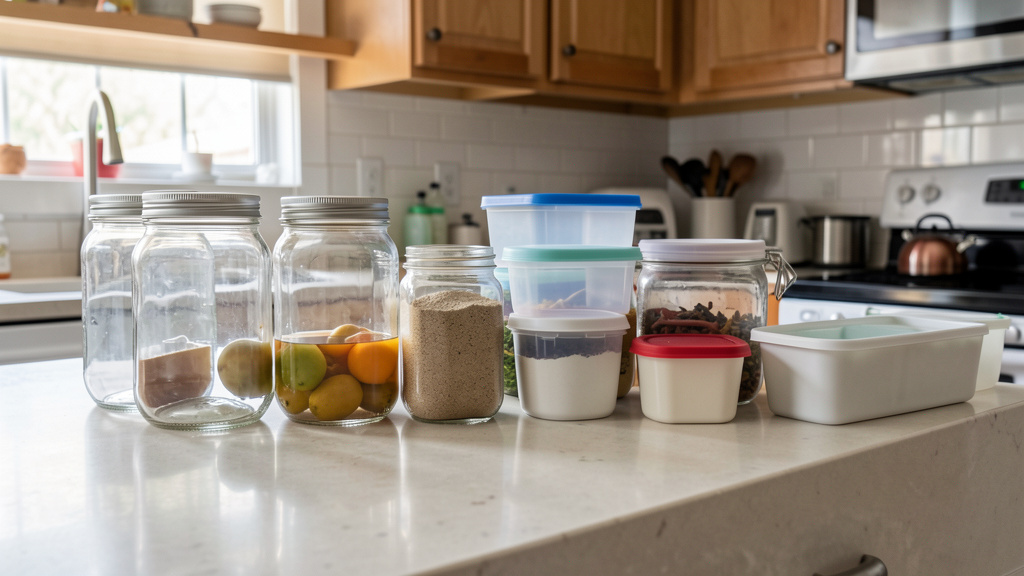
Move beyond fragmented tips with a grounded, adaptable system that transforms waste reduction from an overwhelming ideal into an achievable, joyful daily practice—tailored to your home, budget, and local context.
Household waste generation varies widely across regions and lifestyles, yet nearly every home produces materials that could be redirected from landfills through intentional systems. True progress lies not in perfection, but in consistent, informed choices aligned with circular economy principles. This guide synthesizes widely recognized frameworks—including the waste hierarchy endorsed by environmental agencies globally and standards from the Zero Waste International Alliance—to offer actionable, tiered strategies. Whether you live in an urban apartment, a suburban home, or a rural setting, you’ll find context-aware pathways to reduce waste at its source, adapt solutions to your constraints, and cultivate habits that compound over time. Let’s begin building a home ecosystem where resourcefulness becomes routine.
Introduction: Progress Over Perfection in Waste Reduction
The phrase “zero waste” can feel daunting. I don’t have time. My recycling rules are unclear. My household isn’t on board. Budget is tight. These aren’t failures—they’re starting points. Authentic zero waste philosophy, as articulated by leading sustainability organizations, centers on systemic redesign: preventing waste before it forms, rather than managing disposal after the fact. It’s a journey of incremental improvement. Reducing household discards by 30% is meaningful. Reaching 60% is transformative. Direction matters far more than an unattainable endpoint.
Insights from sustainable materials management research indicate that a substantial portion of typical household discards consists of recoverable materials—compostable organics, recyclables, or reusable items. This reflects systemic gaps and habitual patterns, not individual shortcoming. The solution lies in designing home routines where waste prevention integrates seamlessly into daily life. This guide draws on established behavioral insights, municipal infrastructure patterns, and practical household adaptations to move beyond generic checklists. We address the root layers: why waste forms, how to substitute thoughtfully, and what to do when challenges arise. Whether you’re taking your first step or refining long-held practices, this framework meets you where you are—with clear, adaptable next actions. The journey begins with a single, curious observation: What passes through my hands today, and how might its path shift?
The 5-Pillar Zero Waste Framework: Building Your Home’s Adaptive System
Sustainable change requires structure—not rigidity. Random swaps lead to frustration; intentional sequencing builds momentum. The 5-Pillar Framework offers a logical progression validated across diverse living situations. Pillars are designed to build upon one another: beginning with awareness (Pillar 1) ensures later efforts target your highest-impact opportunities. Each pillar includes tiered pathways (Foundational, Adaptive, Integrated) so you can align actions with your capacity, space, budget, and local resources. Progress sequentially. This method prevents overwhelm and creates compounding returns.
The Guiding Insight: Waste often signals a misalignment between systems and needs. Your role isn’t to manage trash more efficiently—it’s to gently redesign daily flows so unnecessary discards rarely form.
Pillar 1: Audit & Awareness – Understanding Your Unique Waste Patterns
You cannot shift what you do not see. An audit replaces guilt with clarity. For seven days, observe without judgment. Place a small notebook or digital note near each disposal point (kitchen, bathroom, workspace). When discarding an item, note:
– Item type: (e.g., food scrap, packaging fragment, paper)
– Material category: (compostable, rigid plastic, mixed paper, textile)
– Origin: (grocery trip, online order, subscription)
– Reason for discard: (expired, single-use design, habit, confusion)
– Potential alternative: (bulk option? reusable container? digital替代?)
Why this step matters: Self-assessment often reveals blind spots. Patterns emerge only over time—weekday routines differ from weekends; seasonal shifts affect discards. Seven days captures rhythm. Afterward, group observations:
– Food-related discards: Note types (produce, grains, leftovers) and causes (storage gaps, portion size, date-label confusion).
– Packaging streams: Identify recurring materials (flexible film, rigid containers) and sources (pantry staples, personal care).
– Disposable habits: Track frequent single-use items (napkins, utensils, sample packets).
– System friction points: Items misplaced due to unclear sorting or inaccessible alternatives.
Common pitfalls to avoid:
– Skipping the “why”: Noting “plastic wrapper” without context misses the leverage point (e.g., “forgot reusable produce bag”).
– Self-critique: This is neutral data gathering. A household generating frequent food scraps isn’t failing—they’ve pinpointed a high-opportunity area.
– Single-day snapshots: One day rarely represents the full cycle. Consistency reveals true patterns.
Adaptive example: An audit might show produce packaging dominates kitchen discards. The solution isn’t buying less produce—it’s shifting shopping habits: carrying mesh bags, prioritizing loose items, or supporting vendors with minimal packaging. Within weeks, packaging volume often declines noticeably. Your audit is your personalized compass. Without it, efforts scatter. With it, every action aligns with your reality.
Pillar 2: Refuse & Reduce – Preventing Waste at the Source
This pillar holds the greatest leverage. Recycling and composting manage materials after they enter your home. Refusing and reducing prevent unnecessary items from arriving altogether. As foundational zero waste guidance emphasizes: Refuse what you do not need. Reduce what you do need. Focus here first—upstream choices eliminate downstream burden.
Cultivating mindful refusal:
– At stores: Politely decline receipts (opt for digital), sample packaging, plastic produce bags, straws, or excess napkins. Simple phrases work: “No bag needed,” “I brought my own container.”
– At home: Unsubscribe from physical catalogs (via DMAchoice.org or regional equivalents), opt out of prescreened credit offers, place a “No Junk Mail” notice on your mailbox.
– In social settings: Carry a reusable cup (many cafes offer small discounts), request no utensils with takeout, suggest experience-based gifts.
Why refusal resonates: Each refused item avoids the full lifecycle burden—extraction, manufacturing, transport, disposal. While individual impact seems small, consistent refusal shifts personal habits and signals market demand for less packaging.
Thoughtful reduction strategies:
– The pause practice: For non-essential purchases (clothing, decor, gadgets), wait 24–48 hours. Often, the impulse passes. This reduces clutter and associated packaging.
– Digital transition: Shift bills, statements, and subscriptions to digital. Use cloud storage selectively. For children’s artwork, photograph favorites and display a rotating “gallery”; recycle others with gratitude.
– Bulk buying wisely: Only choose bulk if:
1. You regularly use the item (avoiding spoilage),
2. You have suitable storage (airtight containers),
3. The bulk option genuinely uses less total packaging per use.
– Subscription review: Audit recurring deliveries (meal kits, boxes). Cancel one unused service. Fewer shipments mean less packaging.
Budget-conscious path: Refusal costs nothing. Reduction often saves money (fewer impulse buys, less food waste). Start small: refuse one unnecessary item daily. Notice the cumulative effect—financial and material.
Important nuance: Refuse with grace. Avoid social friction over rare edge cases. Focus energy on frequent, high-impact opportunities (grocery runs, coffee stops). Accept gifts warmly; reuse wrapping later. Progress, not perfection, sustains momentum.
Pillar 3: Reuse & Repurpose – Creating Closed-Loop Flows
When refusal isn’t feasible, reuse extends an item’s life within your system. This pillar shifts perspective from “disposable” to “resource-in-transition.” It’s about designing intentional pathways for items to serve multiple purposes before final disposition.
Kitchen reuse systems:
– Container stewardship: Save clean glass jars, metal tins, and sturdy tubs. Use for:
– Storage: Dry goods, leftovers, homemade mixes
– Organization: Pantry, craft supplies, hardware
– Gifting: Fill with homemade treats or seeds
– Cloth alternatives: Replace paper towels with cut cotton squares (“unpaper towels”). Use cloth napkins daily. Keep a dedicated bin for used cloths; launder weekly.
– Produce preservation: Store herb stems upright in water. Keep mushrooms in paper bags. Place celery or carrots in water-filled containers. Simple tweaks extend freshness.
Bathroom & personal care reuse:
– Refill pathways: Seek brands offering pouch refills or partner with local refill stations (increasingly available in many communities). Transfer to existing durable containers.
– Container repurposing: Clean empty jars for travel sizes or cotton storage. Always verify material safety before repurposing for food or skin contact.
– DIY alternatives: Sew reusable makeup remover pads from flannel scraps. Consider a safety razor (one-time purchase, replaceable blades) versus disposable plastic razors.
Creative repurposing considerations:
– Wine corks: Use as plant markers, bulletin board material, or drawer spacers.
– Cardboard tubes: Seedling pots, cord organizers, or craft projects with children.
– Worn textiles: Cut into rags before final disposal. Braid t-shirt strips into reusable produce bags.
– Broken ceramics: Explore mosaic art or “kintsugi”-style repair if meaningful.
Why reuse precedes recycling: Reuse avoids the energy, water, and transport required for recycling processing. A reused jar has minimal additional footprint. Lifecycle analyses consistently show reuse offers greater net benefit than recycling the same item.
Avoiding clutter: Designate a “reuse station” (a shelf or bin). If an item remains unused after 60 days, donate or responsibly release it. Reuse should simplify, not complicate. Ask: “Will I realistically use this within two months?” If not, let it support someone else’s system.
Engaging households: Frame repurposing as creative play. “What could this box become?” Children often lead with imaginative solutions—forts, costumes, art. This nurtures resourcefulness early.
Pillar 4: Recycle Right – Navigating Local Systems Responsibly
Recycling is a valuable tool—but only when applied correctly. It is not the primary solution; it’s the fallback for materials that couldn’t be refused, reduced, or reused. “Wishcycling” (placing non-recyclables in the bin hoping they’ll be processed) contaminates loads, potentially sending entire batches to landfill. Mastery means understanding your specific community’s rules, which vary significantly by location, hauler, and facility capabilities.
Your localized recycling protocol:
1. Find your official source: Search “[Your City/Municipality] + official recycling guidelines.” Bookmark the page from your public works department or waste hauler. Avoid relying on social media graphics or generic websites.
2. Create a visual aid: Print your municipality’s guide. Tape it inside the bin lid or on a nearby wall. Update annually.
3. Know key contaminants: These commonly disrupt processing:
– Plastic film/bags: Never in curbside bins. Return clean film to grocery store collection points (bread bags, produce bags, bubble wrap).
– Food-soiled paper: Greasy pizza box? Recycle the clean lid; compost or discard the soiled base. Soiled paper plates follow similar rules.
– Tanglers: Hoses, wires, textiles. These damage machinery. Donate usable textiles; dispose of others per local guidance.
4. When uncertain: Use verified resources:
– Earth911.com or regional equivalents: Search by material and location.
– Contact your hauler directly: A brief call prevents contamination.
Understanding resin codes (beyond the chasing arrows):
The number inside the triangle identifies plastic type, not recyclability. Acceptance varies widely:
– Plastic #1 (PET) bottles: Often accepted if empty, rinsed, and caps on (caps are increasingly recyclable).
– Plastic #5 (PP) tubs: Accepted in some communities, not others. Verify locally.
– Polystyrene (#6) and mixed plastics (#7): Rarely curbside-recyclable. Seek specialized drop-offs if available.
Specialty material pathways:
| Material | Why Handle Separately | Responsible Pathway Options |
|——————-|——————————–|————————————————-|
| Electronics | Contains sensitive components | Retailer take-back (Best Buy, Staples), manufacturer programs, certified e-waste events |
| Batteries | Fire risk in collection streams | Retail drop-offs (Home Depot, Lowe’s), Call2Recycle.org locations |
| Light bulbs | CFLs contain trace mercury | Retailer drop-offs (IKEA, Home Depot), hazardous waste events |
| Ink cartridges| Resource-intensive to produce | Office supply store programs (often with incentives) |
| Textiles | Landfill burden is significant | Donate clean, usable items; use textile bins for worn pieces; check brand take-back |
| Plastic film | Machinery hazard | Clean and dry film to grocery store collection bins |
The “clean and dry” standard: Rinse containers until free of residue. Dry thoroughly—moisture ruins paper recycling. This small step ensures your effort isn’t undone.
Community perspective: Individual action gains power when paired with collective voice. Attend local meetings. Support businesses adopting minimal packaging. Advocate for clearer signage or expanded organics collection. Systemic progress grows from informed, engaged residents.
Pillar 5: Rot – Returning Organics to the Cycle
Food scraps and yard trimmings represent a major portion of household discards globally. When landfilled without oxygen, organics generate methane, a potent greenhouse gas. Composting transforms these materials into nutrient-rich soil amendment, closing a vital loop. Crucially: composting is accessible regardless of outdoor space. Multiple methods suit varied living situations.
Selecting your composting approach:
| Method | Ideal Context | Space Required | Timeframe | Key Notes |
|---|---|---|---|---|
| Backyard bin/tumbler | Homes with outdoor access | ~3’x3′ area | 2–6 months | Balance “greens” (scraps) and “browns” (leaves, paper); avoid meat/dairy in basic systems |
| Bokashi system | Apartments, small spaces | Under-sink bucket | 2 weeks fermentation + soil integration | Ferments all food scraps (including meat/dairy); requires bran inoculant; odor-controlled when sealed |
| Vermicomposting | Indoor spaces, educators | 1–2 sq ft | 3–6 months | Uses red wiggler worms; quiet, odorless; avoid excess citrus/onions |
| Municipal program | Urban areas with organics pickup | Countertop caddy | Varies by program | Confirm service availability; use provided bin |
| Community drop-off | Near gardens or farms | Transport needed | Varies | Many community gardens accept scraps; builds local connection |
Backyard composting essentials:
– The balance: Aim for a mix of nitrogen-rich “greens” (vegetable scraps, coffee grounds) and carbon-rich “browns” (dried leaves, shredded non-glossy paper). Too many greens causes odor; too many browns slows decomposition.
– What to include:
– Generally safe: Fruit/vegetable scraps, coffee filters, eggshells (crushed), yard waste, plain paper.
– Use caution: Meat, dairy, oils (attract pests in basic bins; Bokashi handles these).
– Maintenance: Turn pile occasionally for aeration. Maintain moisture like a damp sponge. In colder climates, insulate the bin; in heat, provide shade. Finished compost is dark, crumbly, and earthy-smelling.
Apartment-friendly composting:
1. Bokashi method: Layer scraps with bran in an airtight bucket. Press down to remove air. Drain liquid weekly (diluted, it fertilizes plants). After fermentation, bury contents in soil (community garden, large potted plant) or add to municipal organics.
2. Worm bin setup: Use a stacked-tray system. Add moistened bedding (shredded cardboard). Introduce worms. Feed small amounts under bedding. Harvest nutrient-rich castings monthly. Start slowly—worms process gradually.
Beyond waste diversion: Healthy soil built from compost sequesters carbon, reduces need for synthetic fertilizers, and supports resilient gardens. It embodies a tangible cycle: nourishment flows from soil to food to soil again.
Addressing hesitation: Use a countertop caddy with a filter lid. Empty daily. Clean regularly. Remember: you’re cultivating future soil. A well-maintained system smells earthy, not foul. Begin with one method that fits your space and comfort level.
Room-by-Room Integration: Adapting Strategies to Daily Spaces
Waste forms in context. A kitchen generates different streams than a home office. This section offers targeted, adaptable protocols for common household zones. Apply these after your Pillar 1 audit to focus energy where it matters most for your home.
The Kitchen: Heart of Resource Flow
Minimizing food discards:
– Intentional shopping: Plan meals around existing pantry/fridge items. Create a detailed list; stick to it. For perishables, consider more frequent, smaller trips if feasible. Embrace “imperfect” produce—it’s often equally nutritious and may reduce cost.
– Smart storage practices:
– Herbs: Trim stems, place in water-filled jar, loosely cover with bag. Refrigerate.
– Berries: Rinse in diluted vinegar solution (1 part vinegar to 3 parts water), dry thoroughly, store in container lined with paper towel.
– Leafy greens: Wash, spin dry, store with dry paper towel in sealed container. Revive wilted greens in ice water.
– Bread: Freeze half immediately; thaw slices as needed.
– “Use-First” zone: Designate a clear container in the fridge for items nearing peak freshness. Make it your first stop when cooking.
– Creative reuse of scraps:
– Stale bread → croutons, breadcrumbs
– Vegetable trimmings (onion skins, celery leaves) → freeze for homemade stock
– Overripe fruit → smoothie packs or baked goods
– Wilting greens → blended into sauces or soups
Packaging-conscious shopping:
– Bulk aisle approach: Bring clean, dry containers (jars, cloth bags). Before filling:
1. Get container weight (tare) at store scale or customer service; note it visibly.
2. Fill container.
3. At checkout, the tare weight is deducted. Start with low-mess items (grains, beans) to build confidence.
– Farmer’s market engagement: Arrive early for selection. Bring multiple reusable bags (mesh for produce, canvas for bread). Build vendor relationships—they often welcome containers.
– Online grocery notes: In delivery instructions: “Please minimize packaging. I’ve left reusable bags at the door.” Support services focused on reducing food waste.
Cleaning & dish care:
– Choose compostable loofahs or reusable Swedish dishcloths over single-use sponges.
– Make simple cleaners: diluted vinegar for surfaces; baking soda paste for scrubbing. Store in reused spray bottles. Note: For sanitizing, hydrogen peroxide (3%) is effective; vinegar is not a disinfectant.
– Select concentrated refills for dish soap to reduce container volume.
The Bathroom: Streamlining Personal Care
High-impact swaps:
– Oral care: Bamboo-handled toothbrushes (compost handle after removing bristles), toothpaste tablets in recyclable packaging, refillable floss containers.
– Hair and body: Shampoo/conditioner bars (often last longer than bottles), silicone travel containers for liquids.
– Skincare: Prioritize products in glass, aluminum, or widely recyclable packaging. Support brands with container take-back programs.
– Menstrual care: Reusable options significantly reduce long-term waste: menstrual cups (long lifespan), period underwear, cloth pads. Note: Learning curves exist; many brands offer trial periods. Start with one product to assess fit.
Medication & first aid:
– Use reusable pill organizers instead of daily blister packs.
– Dispose of expired medications responsibly: use authorized take-back locations (check local pharmacy or health department) or follow DEA mixing guidelines (mix with unappealing substance like coffee grounds in sealed bag) before discarding. Never flush.
– For bandages: seek compostable options where available. Standard bandages are landfill-bound—minimize use through prevention.
Water synergy: Install low-flow showerheads or faucet aerators to conserve water (a critical resource). Collect cool-down shower water in a bucket for plants. Every drop saved reduces energy for heating and treatment.
Home Office & Living Areas: Managing Paper and Digital Flow
Paper reduction system:
– Incoming mail: Use “No Junk Mail” stickers. Utilize apps or services to remove yourself from mailing lists. Shred sensitive documents; recycle the rest.
– Bills & records: Transition fully to paperless statements. Set digital reminders for due dates if helpful.
– Note-taking: Use digital tools (Notion, Evernote) or reusable notebooks. For physical notes, use scrap paper backsides first.
– Children’s creations: Implement a rotating “Art Gallery” on a wall. Photograph pieces not kept. Monthly, select 1–2 favorites to archive; recycle others with appreciation. Involve children in the process.
Electronics stewardship:
– Extend device life: Use protective cases, update software, clean ports gently. Seek repair options (iFixit guides, local repair cafes) before replacing.
– Responsible retirement: Before discarding:
1. Securely erase data using manufacturer tools.
2. Donate functional items to schools or nonprofits.
3. Recycle via certified e-waste handlers (e-stewards.org). Avoid uncertified recyclers.
– Cable organization: Store in reused containers (mint tins, jars). Label clearly. Use reusable ties to prevent tangles.
Furniture & textiles:
– Prioritize secondhand: Explore thrift stores, online marketplaces, or Buy Nothing groups. Well-made vintage pieces often outlast new mass-produced items. Inspect for sturdiness.
– Repair mindset: Learn visible mending for textiles. Use wood glue for loose furniture joints. Support local cobblers for shoe repairs.
– Textile end-of-life: When items are no longer wearable, cut usable sections into rags first. Then use municipal textile bins or brand take-back programs. Never place textiles in curbside recycling—they tangle machinery.
Garage & Outdoor Spaces: Handling Special Streams
Household hazardous waste (HHW):
Paint, chemicals, oils, and cleaners require specific handling. Never pour down drains or place in regular trash.
– Locate disposal options: Search “[Your County] + household hazardous waste disposal.” Many communities host seasonal collection events.
– Paint: Latex paint can often be dried out (mix with absorbent material like kitty litter) and discarded. Oil-based paint requires HHW facilities. Explore community paint exchange programs.
– Batteries & bulbs: Use dedicated drop-off points (retailers, municipal sites). Keep a small, labeled container in the garage for safe collection.
Yard waste as resource:
– Grasscycling: Leave clippings on the lawn after mowing—they decompose quickly, returning nutrients and reducing fertilizer needs.
– Leaf management: Shred fallen leaves with a mower; use as garden mulch or add to compost. Avoid bagging for landfill.
– Natural pest support: Plant marigolds or basil to deter pests. Use neem oil spray instead of synthetic pesticides. Encourage beneficial insects (ladybugs, lacewings) with diverse plantings.
Navigating Common Challenges: Adaptive Solutions for Real Life
Theory meets practice in the friction points. Acknowledging these builds resilience. Solutions here are empathetic, tested, and tiered for varying constraints.
“I feel overwhelmed by time demands.”
Reframe the approach: Zero waste integration isn’t an added chore—it’s weaving efficiency into existing routines. Initial setup (audit, gathering containers) requires focused time. Long-term, many practices save time:
– Smaller trash volume = fewer bag changes
– Meal planning reduces daily decision fatigue
– Reusable systems eliminate last-minute supply runs
Micro-habit integration:
– Attach new actions to existing habits: After unloading groceries, rinse containers. While coffee brews, empty compost caddy. Before bed, sort mail for 60 seconds.
– Start with one 5-minute action daily: Today, I’ll refuse one unnecessary napkin. Success builds confidence. Scale only when automatic.
“Upfront costs feel prohibitive.”
This is a critical misconception. Authentic zero waste philosophy aligns with mindful consumption—it’s about buying less, not replacing plastic with expensive alternatives.
– Reality check: Reusables often yield long-term savings. A reusable bottle eliminates recurring beverage purchases. Cloth napkins replace ongoing paper buys. Bulk staples frequently cost less per use.
– Budget-friendly path:
1. Use what you have: Finish current products. Repurpose existing jars, bags, containers.
2. Thrift key items: Find glass containers, baskets, or cloth bags at secondhand stores.
3. Prioritize high-frequency swaps: Focus on items purchased weekly (coffee, produce bags). Savings compound fastest here.
4. DIY selectively: Make cleaners only if ingredients are affordable and accessible locally.
– Track non-monetary wins: Reduced clutter, less time shopping, pride in resourcefulness. These reinforce commitment.
“Household members aren’t engaged.”
Force creates resistance. Invitation fosters participation.
– Connect to shared values: Share one relevant insight: “Switching to cloth napkins could free up $X monthly for family treats,” or “Composting might let us reduce trash service frequency.”
– Reduce friction: Place clearly labeled bins where waste forms (compost caddy on counter). Pre-wash containers so reusables are the easiest choice. Post simple visual guides on bins.
– Assign meaningful roles: Children can feed scraps to a worm bin. Teens manage reusable cup collection. Partners handle bulk shopping. Match tasks to interests and abilities.
– Celebrate collectively: “Look—we filled only half a trash bag this week! Great teamwork.” Positive recognition sustains effort.
“Local recycling rules are confusing or limited.”
Focus on what you can influence.
– Become informed: Spend 15 minutes on your municipality’s waste website. Print the guide. Call with specific questions (“Are yogurt tubs accepted?”). Knowledge reduces anxiety.
– Create micro-solutions: Partner with a neighbor who has compost access. Organize a TerraCycle brigade at school/work for hard-to-recycle items. Support businesses advocating for better systems.
– Amplify impact: Join neighborhood groups petitioning for clearer signage or expanded organics collection. Collective voices shape policy.
– Remember your leverage: Even without perfect municipal systems, refusing single-use items and reducing consumption creates immediate impact. Your choices influence market trends.
“I struggle with imperfection.”
Guilt undermines progress. Compassion sustains it.
– Embrace the spectrum: Aim for consistent effort, not flawless execution. Forgetting your cup once doesn’t negate 29 successful uses that month. Progress compounds.
– Practice self-kindness: Spilled food? Broken jar? Acknowledge it neutrally: “I’m learning. Next time, I’ll…” Release shame. Reset gently.
– Document small wins: Keep a “progress jar.” Note victories on slips (“Remembered produce bags!” “Composted coffee grounds”). Review when discouraged. Evidence of growth builds resilience.
– Reconnect to purpose: Revisit your deeper motivation—healthier home, teaching stewardship, protecting local ecosystems. This anchors you beyond daily hiccups.
Expanding Impact: Community as Catalyst
Individual action gains depth and joy through connection. Community multiplies impact, shares resources, and sustains motivation. Your journey need not be solitary.
Strengthen hyperlocal networks:
– Join or start a sharing group: Buy Nothing groups (Facebook or app-based) facilitate hyperlocal gifting. Offer jars, plants, or tools; request what you need. Reduces consumption and builds neighborhood bonds. Tip: Post clear photos and pickup details.
– Co-create resource libraries: Partner with neighbors to share infrequently used items (ladders, tools, specialty cookware). Start small with trusted households.
– Host skill-based swaps:
– Clothing swap: Gather gently used items; “shop” others’ contributions. Donate leftovers.
– Seed/plant exchange: Gardeners share seeds, seedlings, or divisions. Boosts biodiversity and knowledge.
– Repair café: Invite menders, fixers, and tinkerers to help neighbors restore items.
Engage local systems thoughtfully:
– Support aligned businesses: Patronize cafes with mug discounts, stores with bulk sections, farmers markets. Leave positive feedback highlighting their sustainable practices.
– Offer constructive feedback: Politely ask restaurants about container policies. Email product makers: “I value your product; would you consider minimal packaging?” Include photos. Companies track this input.
– Participate civically: Attend planning meetings. Advocate for public water stations, expanded composting, or plastic-reduction policies. Consistent, respectful voices shape change.
– Volunteer strategically: Join park cleanups, school garden programs, or repair events. Focus energy where it aligns with your skills and values.
Digital connection with care:
– Share authentically: Post real moments—not just polished outcomes. “Forgot my bags again—here’s my new reminder system!” Vulnerability invites connection.
– Curate local resources: Create a shared document with neighborhood tips: “Bulk stores near us,” “Battery drop-off locations,” “Composting workshops.” Share via community channels.
– Amplify inclusive voices: Follow and support Indigenous land stewards, environmental justice organizations, and waste-picker cooperatives. True sustainability centers equity and honors those historically impacted by waste systems.
Why community matters: Isolation fuels burnout. Connection fuels persistence. When neighbors adopt reusable habits because they see your consistent practice, change becomes cultural. You’re not just altering your home—you’re nurturing a shared ethic of care.
Your Questions, Answered: Clarifying Common Concerns
Q: Is achieving “zero waste” realistically possible for a household?
A: The term describes an aspirational methodology, not a literal state of producing zero discards. As defined by leading frameworks, it targets high diversion rates (e.g., 90%+) from landfill/incineration through systemic prevention. For households, it means relentlessly pursuing source reduction. Medical waste, unavoidable packaging, or regional limitations mean absolute zero is rarely feasible—and that’s okay. Focus on the verb: zero wasting. Every reduction counts. Progress, not perfection, drives collective impact.
Q: Are reusable items hygienic compared to disposables?
A: Hygiene depends on cleaning practices, not disposability. Studies indicate reusable items pose no greater risk when maintained properly. Wash cloth bags regularly (machine wash monthly). Designate colored cloths for specific zones (e.g., red for raw food areas). Launder kitchen textiles in hot water. Compare to paper products: they’re manufactured industrially and offer no inherent cleanliness advantage. Consistent cleaning protocols ensure safety for reusables.
Q: Can I compost living in an apartment with no outdoor space?
A: Yes. Bokashi systems ferment all food scraps (including meat/dairy) in a sealed, odor-controlled bucket under the sink. After fermentation, contents can be buried in a large potted plant, added to a community garden bin, or included in municipal organics if available. Vermicomposting (worm bins) is another quiet, indoor option. Many cities now offer curbside food scrap collection—check your local waste authority website. Start small: a countertop caddy for scraps you’ll drop at a farmer’s market collection point.
Q: Are “compostable” plastics a reliable solution?
A: Exercise caution. Most require industrial composting facilities (high heat, specific microbes) to break down—and will not decompose in home compost or landfill. If placed in recycling, they contaminate batches. They also perpetuate single-use culture. Only use certified compostable items (look for BPI or regional equivalent logos) if you have verified access to industrial composting and no reusable alternative exists. Prioritize reusables first. True solutions avoid single-use items entirely.
Q: How do I manage waste while traveling or dining out?
A: Pack a lightweight “on-the-go kit”: reusable bottle, cup, utensils, cloth napkin, and a small container for leftovers. Politely decline straws, napkins, and condiment packets. For takeout: call ahead—“I’ll bring my own containers; is that acceptable?” Many restaurants accommodate. While traveling: refill toiletries into small reusable bottles; choose accommodations with bulk amenities; carry a foldable bag for purchases. Accept that perfection isn’t feasible on the road—focus on high-impact refusals (bottled water, single-use toiletries). Every avoided item contributes.
Q: Doesn’t washing reusables consume more resources than disposables?
A: Lifecycle assessments consistently show reusables have lower net impact after minimal use. A cotton tote requires multiple uses to offset its footprint versus a single plastic bag—but since it’s used hundreds of times, long-term savings are significant. For dishes: run full dishwasher loads (more water-efficient than hand-washing). Rinse containers in cold water pre-recycling. The key is durability and repeated use. One reusable cup used daily for a year replaces hundreds of disposables. Initial resource investment yields exponential returns.
Q: How do I ensure safety when reusing containers?
A: Safety depends on material and care. Glass and stainless steel are non-porous and dishwasher-safe—ideal for food. For plastic containers: avoid heating (microwave/dishwasher) to reduce chemical migration. Discard containers that are cracked, cloudy, or deeply scratched (bacteria can harbor in grooves). Always wash thoroughly with hot, soapy water. When uncertain, repurpose worn containers for non-food uses (craft storage, hardware organization).
Q: How do I navigate gift-giving with family who prefer traditional presents?
A: Lead with warmth and strategy. Gently share your values: “Experiences mean so much to us—perhaps a shared activity?” Suggest specific alternatives: donations to a cause, homemade coupons for time together. For holidays: bring containers for leftovers; offer to host using real dishware. Accept gifts graciously; carefully save and reuse wrapping materials. Model joyful reuse without critique. Focus on connection over packaging.
Q: Is zero waste accessible across different income levels?
A: This is a vital conversation. Core zero waste principles—refusing unnecessary items, reducing consumption, repairing—align with budget-conscious living. However, access barriers exist (bulk store locations, upfront costs for reusables). Inclusive solutions include:
– Prioritizing free actions first: refusing junk mail, reducing food waste, using library resources.
– Leveraging thrift stores for affordable containers, bags, and tools.
– Supporting community initiatives (tool libraries, swap events) that increase access.
– Advocating for systemic equity: policies expanding municipal composting, regulating excessive packaging, and ensuring bulk/refill options exist in all neighborhoods.
True zero waste movements actively partner with environmental justice organizations to ensure solutions serve diverse communities. Progress requires both individual adaptation and collective advocacy.
Q: How do I maintain motivation during slow progress?
A: Shift focus from output (“How much trash did I make?”) to input (“What conscious choices did I make today?”). Celebrate micro-wins: “I remembered my produce bags!” Track non-scale victories: money saved, skills learned (mending!), connections made. Revisit your purpose journal. Engage with supportive online or local communities. Remember: cultural shift requires millions of imperfect, persistent efforts. Your consistent action—however small—is part of a meaningful global movement.
Conclusion and Your Next Step
This journey reframes waste reduction not as a test of purity, but as a practice of mindful living. Through the 5 Pillars—Audit, Refuse, Reuse, Recycle Right, and Rot—you now hold a flexible framework to understand your home’s unique patterns and implement solutions aligned with your reality. You’ve explored room-specific strategies, navigated common challenges with compassion, and seen how community multiplies individual effort. Your path will differ from others—and that’s essential. What matters is forward motion, however gradual.
Three Anchoring Principles
1. Begin with awareness: Your waste audit is your compass. Revisit it quarterly to observe shifts and adjust tactics. Data guides; guilt hinders.
2. Honor the hierarchy: Prioritize refusing and reducing. Preventing an item’s entry eliminates all downstream burden. Let this guide your energy.
3. Embrace iterative growth: Celebrate reducing discards by 10%. Then 25%. Then 50%. Each step builds resilience. Your “good enough” today creates momentum tomorrow.
Your 24-Hour Action: One Small Shift
Before this day ends, take one concrete step. Choose what feels genuinely achievable:
– 🥤 Coffee/tea drinker? Place your reusable mug beside your keys tonight. Use it tomorrow.
– 📧 Email overwhelmed? Unsubscribe from one marketing list before bed.
– 🥬 Food waste concern? Label a clear container “Eat Me First” and place one nearing-expiration item inside tonight.
– 📬 Junk mail frustration? Spend five minutes at DMAchoice.org (or your region’s equivalent) to reduce catalogs. Or affix a “No Junk Mail” notice to your mailbox tomorrow.
This single action breaks inertia. It proves change is possible within your rhythm. Tomorrow, you’ll be more inclined to take the next small step. Momentum grows action by action.
The Ripple Effect
As you adapt your home systems, you quietly influence your sphere. A child learns to compost scraps. A neighbor asks about your reusable bags. Your consistent choices signal demand for sustainable systems. You participate in a profound cultural shift—one where resources are honored, waste is designed out, and homes become centers of intention. This isn’t about achieving an idealized endpoint. It’s about daily choices rooted in care—for your household, your community, and the shared world. You have everything needed to begin. Start small. Start where you are. Your journey matters.
Explore Our Complete Sustainable Living System:
The Conscious Consumer’s Guide to Mindful Purchasing | Mastering Home Composting: Methods for Every Space | The Minimalist Kitchen: Reducing Clutter and Waste | Building Living Soil: A Gardener’s Guide to Regeneration | The Mindful Home: Cultivating Calm Through Intentional Spaces