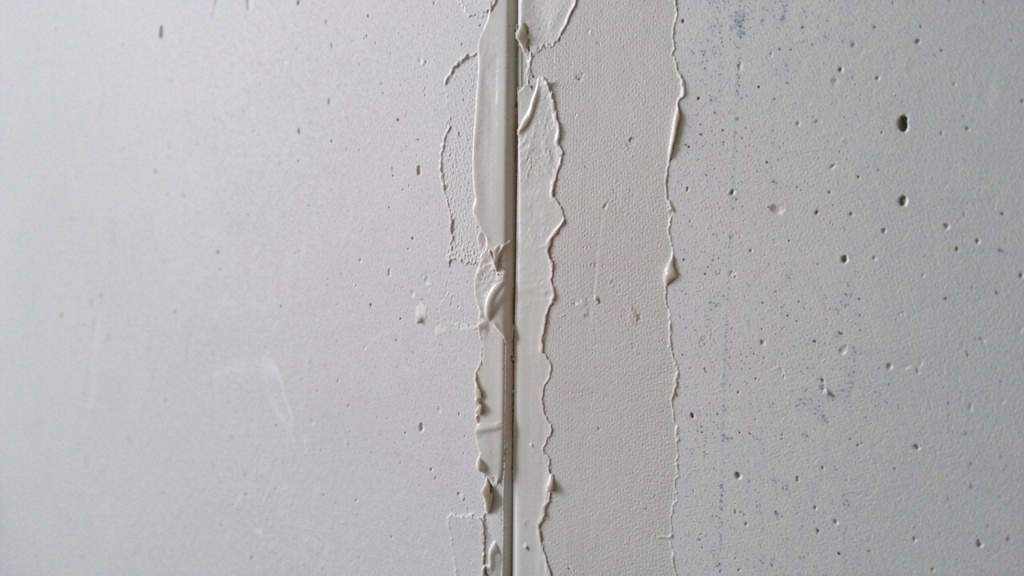
Transform Rough Framing into Smooth, Professional-Quality Walls Through Methodical Practice—Avoid Common Pitfalls and Build Lasting Skills Seam by Seam
Drywall—the foundational surface of modern interiors—transforms skeletal framing into the smooth canvases that define our living spaces. For many DIYers, the path from raw studs to a uniformly finished wall can feel uncertain, shadowed by concerns about visible seams, uneven surfaces, or material waste. This guide offers a clear, structured pathway grounded in established building practices and field-refined techniques. We walk through every phase: precise hanging, seamless taping, and meticulous finishing. Whether you’re enclosing a new space, repairing damage, or refreshing an older home, this system builds competence through understanding—not shortcuts—helping you create walls that reflect care, durability, and pride.
Introduction: Why Thoughtful Drywall Work Matters
Drywall installation bridges structural function and visual harmony. A rushed or inconsistent approach may not show flaws immediately, but over time can lead to hairline cracks near openings, uneven paint absorption, or compromised integrity in moisture-prone zones. Conversely, a carefully executed wall supports everything that follows: consistent paint adhesion, stable trim installation, and a perception of quality that elevates the entire space. In residential practice, drywall-related refinements are frequently noted during post-project reviews—often tied not to material failure, but to technique choices made during hanging or finishing. This underscores a foundational insight: excellence emerges from deliberate process, not expensive tools or innate talent.
This guide synthesizes widely validated methods into a logical, progressive workflow. We move beyond fragmented tips to present an integrated system where each phase intentionally supports the next. You’ll learn not only how to embed tape but why compound consistency affects long-term seam integrity; not only where to place fasteners but how framing variations influence your hanging strategy. By connecting actions to outcomes—such as how ambient humidity influences drying behavior or how panel orientation affects seam visibility—we cultivate intuitive judgment applicable across projects and conditions. This approach aligns with widely accepted building principles: precision in preparation reduces correction later. Let’s begin building that understanding, layer by layer.
The Three-Pass Framework: A Mental Model for Consistent Results
Before lifting a panel, adopt this foundational perspective: Drywall finishing is a single continuous process executed across three intentional passes. Each pass serves a distinct purpose, builds directly on the prior one, and includes clear quality checkpoints. Compromising any phase creates challenges that compound downstream.
- Pass 1: The Structural Pass (Hanging) – Goal: Establish a stable, aligned substrate. Success is measured by consistent panel alignment, secure fastening, and minimal gaps. Flaws introduced here are exceptionally difficult to correct later. A bowed panel or loose edge will manifest as visible irregularities regardless of finishing skill.
- Pass 2: The Seam Integration Pass (Taping) – Goal: Unify panels structurally and visually. Success is measured by fully embedded tape without voids, compound smoothly transitioned into the panel face. This pass conceals the framework; inconsistencies here become permanent features.
- Pass 3: The Optical Pass (Finishing) – Goal: Achieve uniform light reflection across the entire surface. Success is measured by absence of shadows or ridges under angled light, seamless transitions between coats. This pass creates the perception of a single, continuous plane.
The Guiding Principle: Drywall reveals process. Every texture you feel or shadow you see under raking light reflects a specific action—or omission—during one of these three passes.
This model shifts focus from “making it look good” to “executing each pass with intention.” When challenges arise, return to the framework: Which pass introduced this condition? Is a ridge from insufficient feathering (Pass 2)? A subtle dip from over-sanding (Pass 3)? A fastener pop from improper dimpling (Pass 1)? Diagnosis becomes precise. Corrections become targeted. Confidence grows through informed practice. Now, let’s prepare thoughtfully.
Essential Toolkit & Material Guidance: Choosing Wisely for Your Context
Success begins with intentional preparation. Tool and material choices should align with your project scope, physical context, and comfort level—not marketing claims. We focus on purpose-driven selection.
Core Toolset: Function Over Features
| Category | Essential Tool | Purpose & Critical Detail | Budget-Conscious Option | When to Consider an Upgrade |
|---|---|---|---|---|
| Measuring/Cutting | 48″ T-Square (Aluminum) | Critical for straight cuts. Verify squareness against a known edge before use. | Straight, rigid scrap (verify alignment first) | Laser-guided square for repetitive large cuts |
| Utility Knife w/ Quick Blade Change | Sharpness ensures clean paper cuts. Change blades proactively. | Standard utility knife (carry multiple blades) | Hook knife for precise inside cutouts | |
| Jab Saw / Keyhole Saw | For electrical boxes. Fine teeth reduce tear-out. | Coping saw (slower, requires steady hand) | Oscillating tool for complex cutouts | |
| Lifting/Positioning | Drywall Lift (Ceiling Work) | Reduces fatigue and improves alignment. Adjustable height is essential. | Helper + temporary 2×4 brace (coordinate carefully) | Powered lift for frequent ceiling work |
| Panel Carrier Hooks | Protects edges during transport; improves control. | Two-person carry with gloved hands (high caution) | Vacuum lifters for solo large-panel handling | |
| Fastening | Screw Gun w/ Depth Clutch | Enables consistent dimpling. Test settings on scrap first. | Drill/driver + practice board (higher error risk) | Auto-feed system for extensive new construction |
| Drywall Hammer | Convex face sets nails cleanly; notch removes misfires. | Standard claw hammer (less control) | — | |
| Taping/Finishing | 4″, 6″, 10″ Knives (Stainless) | 4″ for taping; 6″ for fill coat; 10″+ for feathering. Flex matters. | Single 6″ knife (compromises all stages) | Offset knives for inside corners |
| Mud Pan (Stainless) | Holds compound close; easy cleanup. | Sturdy plastic tray (may warp over time) | Hawk with wrist strap for mobility | |
| Corner Trowel (90°) | Creates sharp, consistent inside corners. | Two knives taped (unreliable angle) | Adjustable trowel for non-standard angles | |
| Sanding/Finishing | Pole Sander (Extendable) | Maintains flat contact; reduces ladder time. Use 120–150 grit screens. | Sanding block (fatiguing, uneven pressure) | Vacuum-assisted sander for dust control |
| Fine-Grit Sanding Sponge | Flexible for corners, edges, touch-ups. Washable. | Sandpaper on foam block (less conforming) | — | |
| Safety & Environment | N95 Respirator | Silica and gypsum dust require proper filtration. Non-negotiable during sanding. | — | P100 respirator for extended sanding sessions |
| Safety Glasses | Compound is alkaline; eye protection is essential. | — | Anti-fog goggles for humid environments | |
| Adjustable Work Lights (2+) | Critical for raking-light inspection. LED preferred. | Existing room lighting (inadequate for flaw detection) | Clamp-mounted task lights |
Why Tool Selection Matters: A flexible 6″ knife conforms to wall contours during feathering; a rigid blade may leave ridges. A depth-clutch screw gun promotes consistent dimpling—critical because torn paper around a fastener creates a weak point prone to future movement. Prioritize three foundational tools: a sharp cutting blade, a reliable fastening tool with depth control, and quality finishing knives. Other items enhance efficiency but are secondary to core technique.
Material Guidance: Purpose-Driven Choices
Drywall Panels:
Standard ½”: Typical for interior walls. Balances strength, weight, and acoustic performance.
Lightweight ½”: Typically 20–30% lighter than standard (varies by manufacturer). Beneficial for ceilings, solo work, or upper floors. Slightly higher cost may be justified by reduced fatigue.
⅝” Type X: Required by code between garages and living spaces in many regions; also resists ceiling sag. Heavier—plan handling accordingly.
Moisture-Resistant (Green Paper): Suitable for humid areas without direct water exposure (e.g., bathrooms away from showers). Important: Not waterproof. For tile-backer zones (showers, tub surrounds), use cement board or glass-mat water-resistant panels per manufacturer guidelines. Using moisture-resistant drywall behind tile is a common error that may lead to long-term moisture issues.
Edge Types*: Tapered edges (standard for flat seams), square edges (for full skim coats). Maintain consistency across a project for predictable seam behavior.
Joint Compound (“Mud”): Understanding Applications
All-Purpose (Pre-Mixed): Versatile for most DIY applications. Good adhesion, sandable. Ideal for embedding tape and initial coats.
Lightweight All-Purpose: Less shrinkage, easier sanding. Excellent for second and third coats. Verify compatibility with tape type per label.
Setting-Type (“Hot Mud”): Powder mixed with water; sets chemically (not by drying). Unaffected by humidity. Available in multiple set times (20, 45, 90 minutes). Best for: First coat in humid conditions, filling gaps >¼”, embedding tape on outside corners, or repairs needing quick turnaround. Note: Cannot be re-wetted; harder to sand; requires prompt cleanup.
Topping Compound: Very smooth finish; minimal shrinkage. Used only for final coat over a perfected surface. Often unnecessary for standard residential projects.
Tape Selection: Context Matters
Paper Tape: Industry-preferred for flat seams. Bonds chemically with compound as it cures, creating a durable, flexible seam less prone to telegraphing. Requires embedding in a compound bed. Encourages technique development.
Mesh Tape (Self-Adhesive): Convenient for patches or irregular angles. Critical consideration: Requires setting-type compound or mesh-specific compound for the first coat. Pre-mixed compound may not bond reliably to plastic mesh, potentially leading to delamination or visible patterns later. Not generally recommended for primary seams on new installations.
Inside Corner Tape: Pre-creased paper tape is essential for crisp 90° corners. Mesh corner tape rarely holds a clean angle.
Outside Corner Bead: Metal bead offers impact resistance. Vinyl bead provides rust resistance and flexibility—ideal for high-traffic zones or moisture-prone areas.
Primer Is Essential: Always apply a PVA-based drywall primer before painting. It seals porous compound, ensures uniform paint absorption (preventing “flashing” where seams show through), and provides optimal adhesion for topcoats. Skipping this step is a frequent contributor to visible seams after painting.
Phase 1: Hanging Drywall – Establishing a Stable Foundation
Hanging establishes the physical canvas. Precision here dramatically eases taping and finishing. This phase is predominantly preparation—rushing setup invites correction later.
Step 1: Site Preparation – Create a Controlled Workspace
Clear the area completely. Cover floors with heavy-duty plastic sheeting extending 3–4 feet beyond the work zone; seal edges to contain dust. Remove outlet/switch cover plates. Critical Safety Step: Verify no live wires protrude using a non-contact voltage tester. Label boxes if helpful (“Hall Light,” “Bath Fan”).
Inspect framing thoroughly:
Plumb & Level: Check studs with a 4-foot level. Significant deviations (>¼” over 8 feet) may require shimming before hanging to avoid panel bowing.
Straightness: Sight along the wall plane. Mark high spots (crowns) on studs—they may cause bulges. Note low spots for awareness.
Backing: Confirm fire-blocking and backing for future fixtures (shelves, handrails) are installed per local requirements. Missing backing creates “soft spots” where fasteners lack grip.
Clean Surface: Remove protruding nails, splinters, or old debris. Full panel contact with framing supports stability.
Step 2: Panel Strategy – Ceilings First, Walls Second
Always hang ceilings before walls. Wall panels will cover the ceiling perimeter gap, concealing minor inconsistencies. Installing walls first makes ceiling work cumbersome and risks damaging wall edges.
Ceiling Approach:
Orient panels perpendicular to joists when possible for better support.
Maintain a consistent ⅛” gap between panels and at wall intersections. Use a spacer block (scrap cut to ⅛”) for uniformity. This gap accommodates building movement and reduces cracking risk.
Lifting*: Use a drywall lift. Raise panel slowly until snug. Secure starting near the center, working outward. Do not force alignment—check for obstructions first.
Wall Strategy – Horizontal vs. Vertical:
Horizontal Hanging (Often Practical for DIY): Begin approximately 4 feet from the floor (use a story pole for consistency). Benefits:
* Fewer total seams on standard 8-foot walls
* Seams align near natural visual breaks (e.g., chair-rail height)
* Easier panel handling at lower heights
* Masks minor floor irregularities
Vertical Hanging: Necessary for walls taller than panel length (e.g., 9-foot ceilings) or specific design needs. Requires careful plumb referencing and is more demanding for solo work.
Stagger Seams*: Never align vertical seams on adjacent rows. Offset by at least 4 feet (like brickwork). Aligned seams create visual lines and potential weak points.
Cutting Technique:
1. Measure twice. Mark cut line clearly on the front (white paper) side.
2. Secure T-square. Score front paper firmly in one pass with a sharp blade.
3. Snap panel toward the scored side over a straight edge.
4. Cut through the back paper along the break.
5. Box Cutouts: Poke a starter hole inside the marked outline with a jab saw. Cut carefully along lines. Test fit before final installation. Maintain ~⅛” clearance around boxes.
Step 3: Fastening – Consistency Over Speed
Screws vs. Nails: Screws are generally preferred for DIY—they resist vibration-induced loosening and allow depth control. Use corrosion-resistant drywall screws.
Spacing Guidance (Aligned with Industry References):
Walls:
* Field (panel center): Max 16″ on center
* Edges (perimeter & seams): Max 12″ on center
* Practical approach: Fasten to every stud on edges; every other stud in the field (if studs are 16″ OC).
Ceilings:
* Field: Max 12″ on center
* Edges: Max 7″ on center
* Reason: Closer spacing counters gravitational pull between joists.
Achieving Proper Dimpling:
1. Set screw gun clutch to the lowest setting that fully seats the screw. Test on scrap.
2. Drive screw perpendicular to the surface. Angled screws can tear paper.
3. Stop when the head creates a clean dimple just below the paper surface—the paper must remain intact.
* Over-driven: Torn paper creates a weak point; compound may sink, leading to visible dimples later.
* Under-driven: Proud screw head creates a bump impossible to conceal and may damage tools.
4. Maintain even spacing. A stud finder with spacing marks aids consistency.
Special Situations:
Openings (Windows/Doors): Hang full panels first. Cut openings after panels are secured for maximum edge support.
Butted Seams (Square Edges): Ensure edges align precisely. Use setting-type compound for the first coat (less shrinkage). Feather compound widely (12+ inches) to minimize ridge visibility.
Curved Walls: Requires specialized techniques (kerf-cutting) or flexible drywall. Consider professional consultation for tight radii.
Tall Walls (9’+): Hang lower section first horizontally. Use stable platforms for upper sections. Meticulously stagger vertical seams.
Working Alone Tip*: For wall panels, a temporary ledger board (securely fastened to studs at seam height) provides stable support while starting fasteners. Remove after panel is secured.
Hanging Quality Check (Before Proceeding)
Inspect every panel before taping begins:
✅ All fasteners dimpled correctly (paper intact)?
✅ Consistent ⅛” gap at floor, ceiling, corners?
✅ Gaps >¼” between panels or framing? (Fill with setting-type compound if present)
✅ Box cutouts clean with ~⅛” clearance?
✅ No visible bulges from framing irregularities? (Mark high spots for light sanding)
✅ Seams staggered appropriately?
Address every item now. Taping cannot resolve structural inconsistencies. This checkpoint embodies Pass 1 integrity: a stable substrate is non-negotiable.
Phase 2: Taping – Integrating Seams with Intention
Taping unifies separate panels into a cohesive surface. Patience and attention to compound consistency are paramount. Rushing this phase guarantees extensive sanding later. Slow, deliberate work yields smoother results.
Step 1: Compound Consistency – The “Peanut Butter” Standard
Joint compound straight from the bucket is often too thick for optimal taping. Ideal consistency for embedding coat: Smooth, spreadable like creamy peanut butter. It should hold a soft peak but flow gradually off the knife.
- Too Thick: Hard to spread thinly; may pull tape; creates lumps.
- Too Thin: Sags on vertical seams; poor adhesion; excessive shrinkage.
Adjusting Consistency:
Pre-mixed compound: Add water sparingly (teaspoon increments). Mix thoroughly. Let rest 10 minutes (“slake”)—it may thicken slightly. Reassess.
Setting-type compound: Follow package water ratios precisely. Too much water weakens the set; too little accelerates curing. Mix small batches.
Tip: A light mist of water on dusty seams before applying compound can improve adhesion—avoid soaking. Test on scrap first.
Step 2: Flat Seams – Paper Tape Technique
- Apply the Bed: Load a 4″ knife. Spread a thin, even layer (⅛” thick) along the seam, extending 2–3 inches per side. Smooth thoroughly—no voids or ridges.
- Embed the Tape: Center paper tape over the wet bed. Do not press with fingers (oils can weaken bond). Using the 4″ knife flat against the tape, apply firm, even pressure from one end to the other. Goal: Compound squeezes through the tape mesh, embedding it fully, leaving a thin, uniform layer over the tape. Tape should be visible but not dry.
- Address Imperfections: If a bubble forms, lift only that section, add a tiny bit of compound underneath, and re-embed. Never smooth a wrinkle—it will remain visible. Cut out and replace wrinkled segments.
- Final Pass: One clean stroke to ensure even coverage and remove excess compound. The seam should resemble a smooth, low ridge.
Why Paper Tape Excels Here: Paper fibers bond chemically with curing compound, forming a unified structure stronger than the drywall itself. Mesh tape sits atop the surface; without perfect compound penetration (challenging with pre-mix), it remains a separate layer with higher long-term separation risk.
Step 3: Inside Corners – Precision with Purpose
Inside corners are highly visible. A crisp, straight corner signals care.
- Prep: Ensure both wall surfaces are clean. Verify corner is reasonably square.
- Apply Compound: Spread a thin bed (⅛” thick) on one side of the corner, extending 2–3 inches out. Repeat on the adjacent side.
- Position Tape: Place pre-creased paper corner tape apex into the corner. Gently hold initially.
- Tool the Corner: Use a corner trowel. Press firmly against one side and drag down smoothly. Immediately flip to the other side and repeat. Alternate sides every 12–18 inches. Goal: Full embedding on both sides simultaneously, creating a sharp apex with compound feathered evenly down each face.
- Clean Up: Wipe excess compound frequently. The corner should feel sharp, not rounded.
Critical Note: A standard knife rarely achieves equal pressure on both sides, often resulting in wavy or rounded corners. The corner trowel is a high-value, low-cost tool for this specific task.
Step 4: Outside Corners – Durability Through Design
Outside corners endure impact. Protection is essential.
- Select Bead: Metal bead for standard durability. Vinyl bead for high-impact zones (hallways, children’s rooms) or moisture-prone areas (rust resistance).
- Align: Position bead apex precisely with the wall corner apex. Verify plumb with a level. Temporary dabs of compound or staples can hold it during fastening.
- Secure:
- Metal bead: Fasten with drywall nails or screws every 8–10 inches along each flange.
- Vinyl bead: Often uses perforated flanges—apply a continuous bead of compound behind each flange and press firmly. Follow product instructions.
- Mud Flanges: Apply compound over one flange at a time using a 6″ knife. Spread smoothly from apex to flange edge, feathering 3–4 inches onto the wall. Allow first side to dry before coating the second to prevent shifting.
- Final Skim: After flange coats dry, apply a thin skim over the entire bead profile to smooth fastener dimples or ridges.
Advanced Option: “Cornerite” tape (paper-faced metal bead) offers metal reinforcement with a smoother finish profile. Requires practiced technique.
Step 5: Fastener Spots – Preventing Future Shadows
Every dimple must be filled. Unaddressed spots create subtle shadows under light.
- Load Knife: Use a 4″ knife with a small amount of compound.
- Apply: Place knife edge at dimple edge. Press firmly and drag across the dimple in one motion. Create a slight mound just larger than the dimple.
- Smooth: Make a second pass perpendicular to the first. Goal: A barely visible, smooth bump. Do not aim for perfect flatness now. The mound compensates for compound shrinkage during drying. Under-filling leads to visible dents after sanding.
- Consistency: Treat every fastener uniformly. Develop a rhythm.
Why This Works: Compound shrinks as it cures. A flush application will sink below the surface. This slight mound is a standard practice to counteract shrinkage—a small detail with significant visual impact.
Taping Quality Check (While Compound Is Wet)
Before compound sets, inspect under raking light (work light held at a sharp angle):
✅ Tape fully embedded? No bubbles, wrinkles, or dry spots?
✅ Compound feathered smoothly at tape/bead edges? No sharp ridges?
✅ Fastener spots have consistent, slight mounds?
✅ Inside corners sharp and straight? Outside corners plumb?
✅ Excess compound wiped from panel faces away from seams?
Correct issues immediately while compound is workable. Fixing wet is seconds; fixing dry is minutes. This mindful step reinforces Pass 2 purpose: seamless integration. When dry, seams should feel like subtle ridges—not sharp edges—and tape should be invisible beneath the compound layer.
Phase 3: Finishing – Refining for Visual Harmony
Finishing transforms structural seams into optically flat surfaces. The goal is not merely “smooth to the touch” but uniform light reflection. This phase demands patience—each coat builds toward invisibility.
The Three-Coat Rationale
Skipping coats is a frequent DIY challenge. Each coat serves a distinct function:
- Coat 1 (Taping Coat): Structural integration. Embeds tape, fills gaps, covers fasteners. Width: 4–6 inches over seams. Focus: Coverage and adhesion.
- Coat 2 (Fill Coat): Builds body, initiates feathering. Fills the valley from Coat 1. Width: 8–10 inches over seams. Focus: Creating a gradual slope from seam center to untouched panel.
- Coat 3 (Finish/Feathering Coat): Optical refinement. Eliminates the last trace of seam presence. Width: 12–16+ inches over seams. Focus: Seamless transition. The compound edge should taper to near-transparency at the perimeter.
Why Progressive Coats? Physics. Compound shrinks as it cures. Attempting to feather a single thick coat over a wide area invites cracking and requires aggressive sanding. Thin, layered coats minimize shrinkage stress and allow precise control over the feather edge—like building a gentle slope versus smoothing a cliff face.
Executing Coat 2: Building the Feather Foundation
Wait until Coat 1 is fully dry. Test: Compound is uniformly pale/white, hard to the touch, and leaves no mark when gently pressed. Drying time varies significantly with humidity, temperature, and airflow (24 hours is a cautious baseline for pre-mix in average conditions; setting-type follows package times). Rushing risks “mud pops” (cracking from movement in underlying layers).
- Compound Choice: Lightweight all-purpose is ideal—less shrinkage, easier sanding.
- Knife Selection: Use a 6″ knife for wider feathering capability.
- Application:
- Load knife with compound.
- Start outside the dried Coat 1 area. Press knife firmly against the wall.
- Drag across the seam with even pressure. Compound should build slightly over the seam center and thin dramatically toward the edges.
- Key Motion: Imagine “pushing” compound outward from the seam. Slightly lift the knife’s leading edge to encourage feathering.
- Use overlapping passes. Avoid reworking semi-dry compound—it creates ridges.
- Width Matters: Extend compound at least 2 inches beyond Coat 1 edges. For standard seams, target 8–10 inches total width. Wider feathering makes transitions disappear.
- Fastener Spots: Apply a second, slightly wider coat over each mound.
Common Coat 2 Challenges:
Too Narrow: Creates a “speed bump” effect—seam feels like a distinct ridge.
Too Thick in Center: Creates a bulge requiring aggressive sanding, risking paper damage.
Ridges at Stroke Ends: Caused by lifting the knife abruptly. Practice smooth motions ending with the knife lifting off* the wall.
Executing Coat 3: Mastering the Feather Edge
Wait until Coat 2 is completely dry. This coat is defined by its edges.
- Compound Choice: Lightweight all-purpose or topping compound for ultimate smoothness.
- Knife Selection: 10″ or 12″ knife. Wider blade enables longer, gentler feathering slopes.
- The Feathering Stroke:
- Load knife sparingly. Less compound is better here.
- Begin strokes well outside the Coat 2 area (2–3 inches beyond).
- Apply very light pressure. Goal: Deposit a microscopically thin layer tapering to nothing at the edge.
- Focus on the trailing edge of the knife—the point leaving the wall. Keep it perfectly flat.
- Overlap strokes slightly. Work systematically: top to bottom on vertical seams, left to right on horizontal.
- Width Target: 12–16 inches total width for flat seams. Inside corners: feather 4–6 inches down each face. Outside corners: feather 3–4 inches onto each wall.
- Touch Check: Gently run a finger perpendicular across the seam. You should feel a very slight, uniform ridge—not a sharp edge or valley. If an edge is detectable, apply a micro-coat focused only on the transition zone.
Analogy: Coat 3 resembles the final smoothing of frosting on a cake. Volume isn’t the goal; creating a seamless transition where frosting meets cake is. Any ridge or gap becomes glaringly obvious under light.
Sanding: Refinement, Not Removal
Sanding refines—it does not correct major flaws. Aggressive sanding destroys careful work.
When to Sand: Only after Coat 3 is completely dry. Sanding damp compound gums tools and creates deep scratches.
Sanding Sequence:
1. Pole Sander (120–150 Grit Screen): For large flat areas. Use light, circular motions. Focus on high spots (seam centers, fastener areas). Critical: Keep the sander flat against the wall. Tilting creates dips. Check progress frequently with raking light. Stop the moment the high spot aligns with the surrounding surface. Over-sanding creates depressions harder to fix than ridges.
2. Sanding Sponge (Fine Grit): For corners, edges, and final smoothing. Flexes to follow contours. Sand along inside corners, not across.
3. Final Inspection (The Definitive Test):
* Turn off room lights.
* Shine a bright LED work light parallel to the wall surface (raking light).
* Slowly scan every seam, corner, and fastener area.
* Look For: Shadows = low spots. Bright lines = high spots (ridges). Goal: uniform light reflection with no shadows or bright lines along seams. Fastener spots should be invisible.
* Mark flaws lightly with pencil.
Addressing Sanding Results:
Low Spot (Shadow): Apply a tiny amount of compound only to the shadowed area. Feather minimally. Dry completely. Lightly sand only the repair.
High Spot (Bright Line): Sand very lightly with fine sanding sponge. Re-inspect. Often, one or two gentle passes suffice.
Sanded Through Paper: STOP. If gray gypsum core or brown backing is visible, the paper is compromised. Clean the area. Apply a thin* layer of setting-type compound (superior adhesion to damaged paper). Dry completely. Apply a second thin layer, feathering widely. Sand minimally with fine grit. Prime immediately after sanding to seal.
Dust Management:
Use a shop vacuum with HEPA filter attached to your sander if possible.
After sanding, wipe walls with a barely damp microfiber cloth to remove fine dust (critical for primer adhesion).
* Replace HVAC filters post-project. Drywall dust is pervasive.
The Essential Prime: Sealing the Surface
Priming is a non-optional step. Use a PVA-based drywall primer. It:
Seals porous compound, preventing uneven paint absorption (“flashing”).
Binds residual dust particles.
Creates a uniform base for topcoats, improving coverage.
Reveals subtle flaws before expensive paint is applied.
Apply with a medium-nap roller for compound areas; cut in edges with a brush. Allow full drying per manufacturer instructions. Perform a final raking light inspection after priming. Primer often highlights imperfections invisible on bare compound. Address remaining flaws with lightweight spackle, sand minimally, and spot-prime repairs. Only then proceed to paint. This final verification reflects committed craftsmanship.
Navigating Real-World Challenges: Adaptive Solutions
Even with careful planning, projects present unique conditions. Anticipating challenges builds resilience. Below are field-tested approaches for common scenarios.
Challenge 1: Imperfect Framing (“Wavy Wall” Effect)
- Observation: Panel bows between studs, creating visible waves after finishing.
- Root Cause: Studs not aligned in the same plane (some proud, some recessed).
- Pre-Hanging Strategy (Ideal): Shim recessed studs with cardboard or wood shims until flush. Time-intensive but prevents waves.
- Post-Hanging Strategy: After hanging but before taping, identify high spots with a straightedge. Carefully sand the drywall surface over proud studs using coarse sandpaper on a block. Goal: Create a flat plane. Feather the sanded area widely. Never attempt to “mud out” a significant wave—it creates an unmanageable hump.
- Preventive Mindset: Always check framing plane with a long straightedge before hanging. Investing time here saves significant correction later.
Challenge 2: Humidity and Environmental Factors
- Observation: Compound remains tacky for extended periods; seams crack as underlying layers shift.
- Root Cause: High humidity (>70%) significantly slows water evaporation from pre-mixed compound. Cold temperatures (<60°F/15°C) further extend drying times.
- Adaptive Strategies:
- Environmental Control: Increase airflow (fans circulating room air, not blowing directly on walls), use a dehumidifier. Avoid sealing the room tightly.
- Material Adjustment: Switch to setting-type compound for affected coats. Its chemical cure is humidity-independent. Select an appropriate set time (90-minute offers beginners more working time). Critical: Mix only what can be used within 15–20 minutes. Clean tools immediately with water before compound sets.
- Workflow Adjustment: Work in smaller sections. Complete taping and first coat on one wall, allow to set (if using setting-type), then proceed. Avoid leaving large wet areas unattended in humid conditions.
- Regional Insight: In consistently humid climates, many practitioners use setting-type compound for the first coat as a standard practice to establish a stable base unaffected by overnight humidity shifts.
Challenge 3: Repairing Errors Without Starting Over
- Tape Bubble (Discovered After Drying):
- Avoid: Slicing and injecting compound.
- Do: Carefully cut out the bubbled section into a rectangle. Remove old material. Clean area. Apply fresh compound bed. Embed new tape section. Feather compound widely into the existing good compound on both sides. Dry. Sand smooth. Wide feathering hides the repair line.
- Over-Sanded Spot (Paper Damaged):
- Avoid: Applying thick compound to fill the dip.
- Do: Clean area thoroughly. Apply a thin layer of setting-type compound. Dry completely. Apply a second thin layer, feathering widely. Sand minimally with fine grit. Prime immediately. Thin layers prevent shrinkage cracks in the repair.
- Compound Crack in Seam:
- Avoid: Mudding directly over the crack.
- Do: Widen the crack slightly into a shallow “V” groove with a utility knife. Vacuum debris. Fill with setting-type compound. For cracks longer than 2 inches, embed a small piece of paper tape over the repair. Feather widely. This addresses movement, not just the symptom.
Challenge 4: Working Solo – Safety and Efficiency
- Ceiling Panels: A drywall lift is strongly recommended for solo ceiling work. Renting one enhances safety and precision. Position lift, raise panel, secure center screws first to hold it, then work outward.
- Large Wall Panels: Use panel carrier hooks. Slide under bottom edge, lift vertically. Rest top edge on wall plate, pivot bottom into place. Have a temporary brace (2×4) ready.
- Mechanical “Buddy”: Nail a temporary ledger board securely to studs at seam height (e.g., 4 feet). Rest the top edge of the lower panel on this board while securing it. Remove after fastening. For the upper panel, the ledger provides stable alignment.
- Fatigue Awareness: Drywall work is physically demanding. Work in focused 60–90 minute intervals. Take breaks. Hydrate. Listen to your body. Fatigue leads to the most avoidable errors (dropped panels, mis-driven fasteners).
Challenge 5: Older Homes and Renovations – Unique Considerations
- Lath and Plaster Walls: Do not hang drywall directly over old lath. Remove plaster down to lath. Assess lath condition. If sound, drywall can be screwed directly to lath (use longer screws, 1⅝”+), but framing is often irregular. Preferred method: Install new 1×3 furring strips vertically over lath, screwed into studs. Creates a flat nailing surface and adds space for insulation.
- Out-of-Plumb Walls: Common in older structures. Strategy: Hang panels plumb (use level consistently). Accept slightly wider gaps at floor/ceiling—these are easily concealed by baseboard and crown molding. Following the wall’s lean creates a visibly crooked surface.
- Material Safety: In homes built before 1980, do not sand existing drywall compound or disturb textured ceilings (e.g., “popcorn”) without professional asbestos testing. When uncertainty exists, consult a qualified specialist. Safety always precedes project timelines.
- Electrical Updates: Renovations offer opportunity to update boxes. Use “old work” (remodel) style boxes with adjustable flanges. Position boxes so the face will be flush with the new drywall surface (account for drywall thickness + any backing). Protruding boxes cause bulges; recessed boxes prevent proper cover plate seating.
Alternative Approaches: When Standard Drywall Isn’t Ideal
- Skim Coating Existing Walls: For walls with minor damage but sound structure. Apply a thin, uniform layer of topping compound over the entire surface. Requires advanced troweling skill. Best attempted after mastering standard finishing. Preserves original wall depth.
- Pre-Finished Drywall Panels: Panels with factory-applied texture and primer. Eliminates on-site taping/finishing. Considerations: Seams still require taping (though less finishing); limited texture/color options; higher material cost; demands perfect hanging—any gap or misalignment is permanent. Best suited for utility spaces (garages, workshops) or large commercial-style projects where speed outweighs seamless aesthetics.
- Veneer Plaster Systems: Special blue-board drywall is hung, then a thin (⅛”) plaster coat is applied. Creates a very hard, durable surface. Requires specific materials and plastering expertise. Not recommended for beginners but valuable for high-end renovations seeking historic durability.
- Cement Board: Mandatory substrate behind tile in wet areas (showers, tub surrounds). Never substitute standard drywall or moisture-resistant drywall here. Cement board provides a stable, moisture-immune base. Requires special screws and fiberglass mesh tape set in thin-set mortar—not joint compound.
Understanding these scenarios transforms uncertainty into informed action. The key is diagnosing the root cause (framing issue? environmental factor? technique adjustment?) rather than only treating the symptom. This problem-solving perspective, nurtured through the Three-Pass Framework, builds lasting confidence.
Your Questions, Answered
Q: How long should I wait between coats of joint compound?
A: Drying time depends entirely on compound type, humidity, temperature, airflow, and coat thickness—not a fixed clock. Pre-mixed compound in a cool, humid basement may take 48+ hours; setting-type compound cures in its specified time (20–90 minutes) regardless of humidity. Reliable Check: Press the compound gently with a fingertip. If it feels cool, leaves a mark, or is tacky, it needs more time. It must be uniformly dry, hard, and room temperature. When uncertain, wait longer. Rushing risks cracks, poor adhesion, or “mud pops.” Manufacturer guidelines offer a starting point, but environmental conditions dictate readiness.
Q: Can I use mesh tape with pre-mixed joint compound for all seams?
A: While convenient, this combination carries higher risk for primary seams on new walls. Pre-mixed compound has higher water content and shrinks more than setting-type compound. Mesh tape (plastic) has inherently lower adhesion to pre-mixed compound. As the compound shrinks during drying, it can pull away from the non-porous mesh, potentially leading to “telegraphing” (the mesh pattern showing through paint) or seam separation over time. Paper tape, embedded in a compound bed, bonds chemically with the curing compound, creating a stronger, more flexible seam. For reliability on new installations, paper tape with pre-mixed compound is widely recommended for flat seams. Mesh tape is better suited for small patches or when used with setting-type compound per product instructions.
Q: Screw heads are popping out months after finishing. What causes this and how is it fixed?
A: “Screw pops” typically stem from issues during the Hanging Pass: 1) Screws driven too deep, tearing the paper face and creating a weak point where the screw loses grip as framing shifts with seasonal humidity changes; or 2) Framing lumber was slightly damp during installation and shrank as it dried, loosening the screw hold. Repair: Drive a new screw next to the popped screw (about 1 inch away), ensuring it’s properly dimpled without tearing the paper. Remove the old popped screw if possible. Fill both dimples with compound, feathering widely. Sand and repaint. Prevention: Meticulous screw driving technique during hanging (intact paper dimple) and using properly dried lumber for framing are the primary preventatives. This underscores why Pass 1 quality has lasting consequences.
Q: Is taping the seam where drywall meets the ceiling necessary?
A: Yes. This horizontal seam is highly visible and subject to movement as a structure settles. Untaped, it will almost certainly develop a visible crack over time. Treat this seam like any flat seam: apply a compound bed, embed paper tape, and apply three finishing coats with wide feathering (extend compound several inches onto both the wall and ceiling surfaces). Pay close attention to full tape embedding—gravity can cause compound to sag slightly on horizontal seams during drying. Using setting-type compound for the first coat here can minimize sag risk.
Q: How do I fix a seam that cracked after painting?
A: Painting seals the surface, requiring careful repair. Do not simply mud over the crack. Steps: 1) Carefully widen the crack into a shallow “V” groove (~⅛” wide) using a utility knife. This provides mechanical key for the repair. 2) Vacuum out all dust and debris. 3) Apply a thin layer of setting-type compound into the groove (less shrinkage). 4) For cracks longer than 2 inches, embed a small piece of paper tape over the repair. 5) Apply two thin finishing coats of lightweight compound, feathering widely (6+ inches) onto the painted surface. 6) Sand smooth. 7) Critical: Spot-prime the repaired area before repainting. Unprimed compound absorbs paint differently, causing a visible “halo.” Feather the primer slightly beyond the repair. Repaint the entire wall section for optimal color match.
Q: Is it safe to use a power sander (orbital or belt) on drywall?
A: Generally not recommended, especially for those developing finishing skills. Random orbital sanders remove material too aggressively and unevenly, easily sanding through the paper face or creating noticeable dips and swirl marks. Belt sanders are far too aggressive for drywall surfaces. The pole sander with sanding screens (120–150 grit) and sanding sponges provide the controlled, even removal needed. If a power tool is essential for a large project, a drywall-specific vacuum sander with fine grit (150+) and very light pressure may be used by experienced individuals, but manual sanding offers superior tactile feedback for achieving optical flatness. The risk of irreversible damage typically outweighs time savings for most residential projects.
Q: What’s the practical difference between “all-purpose” and “lightweight” joint compound?
A: Both are pre-mixed and versatile, with nuanced differences:
All-Purpose: Denser formulation. Slightly stronger initial adhesion. Can be used for all coats. Heavier to work with, marginally more shrinkage, requires more effort to sand. Often preferred for the first (embedding) coat where maximum adhesion is prioritized.
Lightweight: Contains additives (like perlite) reducing density. Significantly easier to sand, less shrinkage, smoother application. Slightly reduced adhesive strength—verify product label suitability for embedding paper tape (many modern formulations are approved). Practical Workflow: Use All-Purpose for Coat 1 (embedding tape, filling fastener spots). Use Lightweight for Coats 2 and 3 (filling and feathering). This leverages adhesion where critical and sandability for visible surfaces. Always consult the specific product label.
Q: How do I cut drywall around electrical boxes safely?
A: Safety first: Turn off power at the breaker and verify with a non-contact voltage tester. For new boxes: Position panel over box location. Gently press—the box will create a slight bulge in the paper. Mark the outline. Remove panel. Cut inside the marked line using a jab saw (start with a small pilot hole). Test fit. Hole should be snug with ~⅛” clearance. For existing boxes during repair: Use a jab saw carefully. Critical: Never cut deeper than the drywall thickness. If resistance is felt beyond the panel, stop—you may have contacted a stud or wire. Cut conservatively; a slightly large hole is easier to repair (using a backing clip) than a damaged wire. When uncertain, enlarge slowly.
Q: Why do my finished seams show through paint despite careful work?
A: This “flashing” or “shadowing” usually stems from one of three causes: 1) Insufficient Feathering: The compound edge wasn’t feathered widely enough (Coat 3 too narrow), creating a subtle ridge that catches light. Solution: Sand very lightly to reduce the ridge, then apply a wider micro-coat focused on the edge transition. 2) Skipping Primer: Paint absorbs differently into porous compound versus paper-faced drywall. Primer creates a uniform surface. Never skip priming. 3) Sanding Through Paper: Creating a low spot that primer/paint cannot conceal. Solution: Fill the low spot with lightweight spackle, sand minimally, spot-prime. Always perform the raking light inspection after priming to catch these issues before topcoats.
Q: Do brand-name joint compounds (USG, Sheetrock) perform significantly better than store brands?
A: For standard pre-mixed all-purpose and lightweight compounds, performance differences for typical DIY projects are often minimal. Major brands invest in consistent quality control, which may yield slightly better workability or sandability. However, many store brands are manufactured by major gypsum producers under private label. Practical Approach: For your first project, try a small container of a reputable brand to experience optimal consistency. If results are satisfactory, compare side-by-side with a store brand on a scrap panel. For setting-type compounds, brand consistency is more critical—stick with established brands (USG Easy Sand, CertainTeed) as improper setting can compromise a section of work. Ultimately, technique has a far greater impact on results than brand selection, though using a known-quality product reduces variables during learning.
Q: How can I match existing wall texture when repairing a patch?
A: Texture matching requires patience and practice. Steps: 1) Complete all taping, finishing, and sanding on the patch until perfectly smooth. Prime the patch area. 2) Identify the existing texture type (orange peel, knockdown, slap brush, etc.). 3) Practice on scrap drywall or cardboard. For orange peel: Use a texture sprayer (often rentable) with diluted joint compound. Experiment with spray distance and pressure. For knockdown: Spray orange peel texture, then immediately (before it sets) drag a wide knife or knockdown tool lightly across the surface to flatten peaks. 4) Apply texture to the patch, feathering the edges into the existing texture on the surrounding wall. 5) Let dry completely. 6) Prime the entire textured area. 7) Paint. Helpful Tip: Take a high-resolution photo of the existing texture to paint store staff—they often have samples and advice. When uncertain, slightly under-texture the patch; it’s easier to add texture than to remove excess.
Q: What safety precautions are essential when working with drywall?
A: Three non-negotiable precautions: 1) Respiratory Protection: Always wear an N95 respirator (not a simple dust mask) when sanding. Joint compound dust contains particles that can irritate lungs with prolonged exposure. 2) Eye Protection: Safety glasses are mandatory during cutting, sanding, and fastening. Compound splatter is alkaline and irritating. 3) Lifting Safety: Drywall panels are heavy and awkward. Use proper lifting technique (bend knees, keep back straight) or mechanical aids (lifts, panel carriers). Get assistance for large panels. Never twist while lifting. These precautions prevent both immediate injuries and long-term health risks. Safety is the foundation of sustainable, enjoyable DIY.
Conclusion and Your Path Forward
You now possess a comprehensive, phase-based system for approaching drywall work with clarity and confidence. This journey is less about perfection on the first attempt and more about building durable skills through mindful practice. Let’s reinforce the core pillars:
Three Enduring Principles:
1. Honor the Three Passes: The Structural Pass (hanging) establishes the foundation. No amount of finishing skill can fully compensate for a poorly hung panel. Execute each pass with its distinct purpose in mind.
2. Prioritize Width in Feathering: A compound coat feathered gradually over 16 inches will integrate seamlessly; the same volume confined to 6 inches will remain visible. In Coats 2 and 3, width consistently outweighs thickness.
3. Trust Raking Light: Normal room lighting conceals flaws. The flashlight test (light held parallel to the surface) reveals truth. Inspect after every critical stage: post-hanging, post-taping (wet check), post-sanding, post-priming. Address imperfections at their origin.
Your 24-Hour Quality Step: Within 24 hours of completing your final sanding and before applying primer, perform one last thorough raking light inspection of the entire space. Walk slowly with a bright LED light parallel to each surface. Mark every shadow, ridge, or inconsistency with a light pencil dot. Address each mark with minimal, targeted compound application. Allow repairs to dry fully. This final verification transforms “acceptable” into “I built this with care”—a quiet source of lasting pride.
The Broader Perspective: Mastering drywall reshapes your connection to your environment. It shifts you from passive occupant to engaged creator. The patience, precision, problem-solving, and material respect cultivated here transfer naturally to other homecraft domains: trim installation, cabinet setting, furniture restoration, and beyond. You’ve learned to read surfaces, anticipate variables, and work with intention. This isn’t merely about walls; it’s about building confidence layer by layer, seam by seamless seam. The deep satisfaction of running your hand over a surface you know is thoughtfully crafted—from structure to finish—is a reward uniquely earned. Carry that confidence forward.
Explore Our Complete Homecraft System:
Drywall Repair Mastery: Fixing Holes, Cracks, and Water Damage | Choosing Drywall Types: Thickness, Fire Ratings, and Moisture Resistance Decoded | Soundproofing Walls: Advanced Drywall Techniques for Peace and Privacy | Painting Drywall Like a Pro: Primer, Paint, and Perfect Finish Guide | Ceiling Repair Handbook: Sagging, Cracks, and Water Stains Solved | Moisture-Resistant Drywall Installation: Bathrooms, Basements, and Beyond | DIY Framing Fundamentals: Building Walls That Last Generations