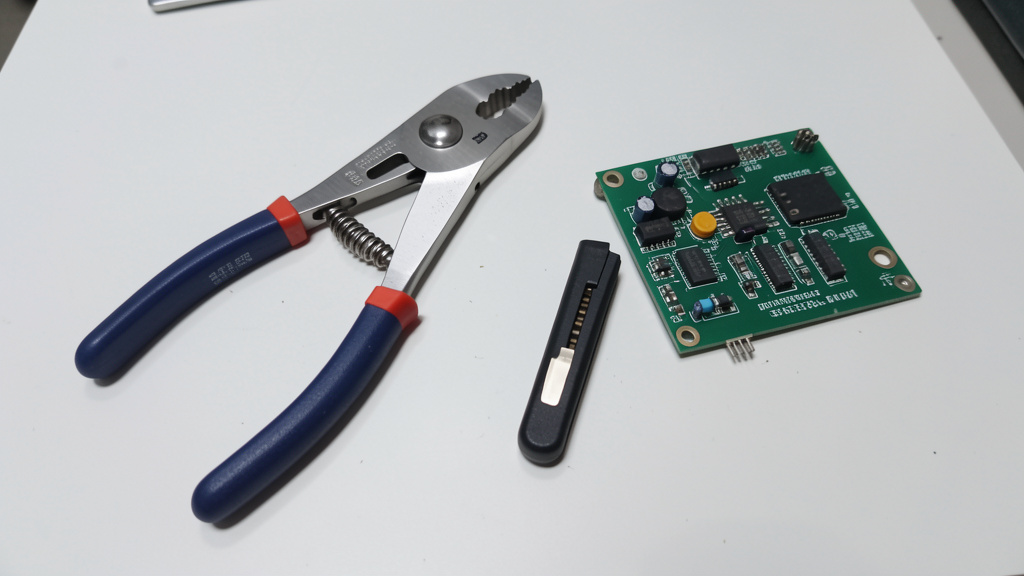
Transform uncertainty into informed action with this step-by-step framework for handling common home wiring tasks safely, responsibly, and in alignment with electrical safety principles—designed for the prepared homeowner who prioritizes caution over haste.
Electrical work understandably ranks among the most approached-with-caution DIY projects for homeowners. The stakes are real: improper modifications can create fire hazards, equipment damage, or personal injury. Yet with deliberate preparation, foundational knowledge, and unwavering respect for safety protocols, many routine wiring tasks—from replacing a worn outlet to installing a new light fixture—can be completed safely by a conscientious DIYer. This guide dismantles complexity by providing a clear, safety-centered framework grounded in widely recognized electrical safety standards and practical best practices. You’ll gain insight into not only the procedural steps but the critical reasoning behind each action, empowering you to move forward with clarity and confidence. Safety isn’t a barrier to progress—it’s the essential foundation that makes meaningful, lasting progress possible.
Introduction: Safety as the Non-Negotiable Foundation
Every responsible electrical project begins with acknowledging the authority of established safety standards. In the United States, the National Electrical Code (NEC), published by the National Fire Protection Association (NFPA), provides the benchmark for safe electrical installation, design, and inspection. While local jurisdictions may adopt specific editions or amendments, core principles—such as proper grounding, circuit protection, and wire sizing—remain universally relevant. Similarly, lockout/tagout concepts adapted from occupational safety practices offer a vital model for de-energizing circuits before any hands-on work begins. This guide synthesizes these widely respected sources into actionable, sequential steps tailored for the homeowner context.
Consider the broader context: electrical incidents contribute to numerous residential fires annually, often stemming from outdated systems or modifications made without adequate verification. These statistics aren’t shared to instill fear, but to underscore why meticulous preparation matters. Approaching wiring with informed respect—not avoidance—transforms a potentially daunting task into a manageable skill-building opportunity. This resource is crafted for the thoughtful homeowner who values safety as deeply as self-reliance. Understanding that electricity demands consistent vigilance, not momentary caution, is the pivotal mindset shift that enables safe, successful projects. True confidence emerges not from speed, but from thoroughness.
The SAFE Wiring Framework: A Four-Phase Approach to Every Project
Before handling tools or touching wires, adopt a repeatable mental model. The SAFE Wiring Framework—Survey, Assess, Frame, Execute—creates a structured rhythm that embeds safety into every decision point. This isn’t merely a checklist; it’s a cognitive scaffold that shifts focus from “Can I do this?” to “How will I do this safely?” Each phase intentionally builds upon the last, mirroring professional workflows while remaining accessible to the prepared DIYer. Whether replacing a switch or installing a new fixture, this framework scales to project scope without ever compromising core safety principles. Think of it as your personal electrical safety ritual—a consistent process that transforms ambiguity into controlled, deliberate action.
Phase 1: Survey – Mapping Your Electrical Landscape
The Survey phase is pure information gathering—no physical changes, no assumptions. Rushing this stage is the most frequent precursor to preventable errors. Begin by precisely defining your project scope in writing: location (e.g., “guest bathroom upper outlet”), purpose (“replace cracked receptacle”), and desired outcome (“install tamper-resistant GFCI-protected outlet”). Vague goals like “fix the weird outlet” invite confusion and risk.
Next, locate your home’s main electrical panel—typically a metal enclosure in the garage, basement, or utility closet. Open the door (do not touch breakers yet) and observe. Most panels include a circuit directory sticker. If missing, faded, or inconsistent with actual behavior—which is common in older or modified homes—you must map circuits yourself. Here’s a reliable method:
– Work during daylight hours with adequate natural light. A helper is strongly recommended.
– Turn off one breaker at a time.
– Have your helper note all devices (lights, outlets, appliances) that lose power.
– Immediately label the breaker clearly (e.g., “Hall Bathroom Lights,” “Kitchen Island Outlets”).
– Restore power before moving to the next breaker.
– Repeat until all breakers are verified and labeled.
This process typically requires 30–60 minutes but delivers lasting safety value. Knowing exactly which breaker controls your work area eliminates dangerous guesswork. While surveying, note panel condition: Are breakers labeled “Federal Pacific” or “Zinsco”? These older brands have documented reliability concerns and warrant professional evaluation before any DIY work. Is the panel full with no available slots? Adding a circuit may require a panel upgrade—a task for a licensed electrician. Document findings with clear, well-lit photos: panel interior, breaker labels, work area. These serve as critical references during work and if consultation becomes necessary. The Survey phase answers the foundational question: What am I working with, and what constraints exist?
Why Thorough Surveying Prevents Preventable Errors
Consider a common scenario: a homeowner replaces a bathroom outlet after turning off the breaker labeled “Upstairs Bath.” During reconnection, a shock occurs. Investigation reveals the panel directory was inaccurate due to prior unpermitted work; the circuit was actually controlled by the “Hall Light” breaker. Incidents like this—stemming from misidentified circuits—are frequently cited in safety reviews as preventable through methodical verification. Investing under an hour in precise circuit mapping eliminates this entirely avoidable risk. This phase isn’t bureaucratic overhead; it’s your first and most critical layer of defense.
Phase 2: Assess – Evaluating Risks, Skills, and Requirements
Assessment is where informed judgment separates safe preparation from hazardous assumption. Honestly evaluate three dimensions: your current skill level, the project’s alignment with safety standards, and site-specific hazards. This isn’t self-doubt—it’s strategic clarity. Proceeding without assessment is like navigating without landmarks; you might arrive, but the path becomes unnecessarily perilous.
Skill Self-Assessment Checklist
Before proceeding, reflect on these questions:
– Have I successfully completed simpler electrical tasks (e.g., replacing a switch cover, installing a light fixture) with verified safe outcomes?
– Do I understand foundational concepts: hot vs. neutral vs. ground, the purpose of circuit breakers, and why de-energizing is non-negotiable?
– Am I comfortable and practiced using a multimeter to confirm zero voltage?
– Do I recognize warning signs: brittle insulation, discoloration, burning odors, or warm outlets?
– Can I work patiently, verifying each step without rushing?
If any answer gives pause, this project may exceed current readiness. There is profound wisdom—not weakness—in choosing professional assistance. Consider building competence first with low-risk projects: replacing a light switch plate, testing outlets with a plug-in tester, or practicing wire stripping on scrap cable. Mastery grows incrementally.
Code Awareness and Local Requirements
The NEC is updated periodically; you need not memorize it, but awareness of relevant sections guides safer choices:
– Branch Circuits (Article 210): GFCI protection is required for outlets near water sources (sinks, bathtubs, laundry areas). Kitchen countertop circuits typically require 20-amp capacity.
– Receptacles (Article 406): Tamper-resistant (TR) receptacles are now standard in living areas. Weather-resistant (WR) models are intended for damp locations.
– Local Variations Matter: Building departments may have specific amendments or permit requirements. Most jurisdictions require permits for new circuits, panel modifications, or major installations. Simple like-for-like replacements (e.g., swapping an identical outlet) often do not—but always verify with your local building department. A brief phone call clarifies requirements and demonstrates responsible stewardship. Remember: safety standards evolve from documented incidents. They represent collective lessons, not arbitrary constraints.
Site Hazard Identification
Scan the work area for contextual risks:
– Moisture Exposure: Bathrooms, garages, outdoors, or unfinished basements require GFCI protection and appropriate device ratings (WR).
– Wiring Condition: Pre-1960s homes may have cloth-insulated or knob-and-tube wiring. Disturbing degraded insulation risks exposure. Aluminum wiring (common 1965–1973) requires specialized handling—do not modify without expert guidance.
– Workspace Safety: Is lighting adequate? Is the area clear of clutter, water, or tripping hazards? Are children or pets able to enter the space? Establish a temporary “work zone” boundary.
– Box Integrity: Is the electrical box secure, undamaged, and appropriately sized? A cracked, loose, or undersized box cannot safely support devices.
Document observations with notes or photos. If significant concerns arise (aluminum wiring, evidence of prior fire damage, unidentifiable modifications), pause and seek professional input. Assessment transforms vague concern into a specific, actionable risk-mitigation plan.
The Fundamental Principle: Safety is not the absence of risk but the presence of informed preparation. Every minute invested in assessment prevents hours of regret.
Phase 3: Frame – Gathering Tools, Materials, and a Verified Plan
With survey and assessment complete, Frame your project with precision. This phase eliminates on-the-spot guessing—the enemy of safety. Professionals arrive prepared; so should you. Framing transforms theoretical knowledge into a concrete, step-by-step action plan, ensuring you possess exactly what’s needed before beginning work. It is the critical bridge between understanding and execution.
Essential Tool Kit for Verified Safety
Quality tools are force multipliers for safety. Prioritize verification tools above all:
| Tool | Primary Purpose | Critical Safety Practice | Accessible Alternative |
|---|---|---|---|
| Non-Contact Voltage Tester (NCVT) | Preliminary live-circuit detection | Test on a known live source before and after use to confirm functionality. Never rely solely on NCVT. | None—this is foundational. |
| Digital Multimeter | Confirm zero voltage (hot-neutral, hot-ground, neutral-ground) | Set to AC voltage mode. Verify on known source first. | Basic analog multimeter if digital unavailable; ensure calibration. |
| Insulated Hand Tools | Screwdrivers, pliers with dielectric protection | Must display VDE or equivalent 1000V rating. Inspect handles for cracks before each use. | None—standard tools lack required insulation. |
| Wire Strippers | Remove insulation without nicking conductor | Adjust for wire gauge (14 AWG / 12 AWG common). Test on scrap first. | Never substitute with knives or scissors—nicked wires overheat. |
| Plug-In Outlet Tester | Verify wiring correctness post-installation | Use after power restoration. Understand indicator light patterns. | Multimeter can verify but is less intuitive for polarity checks. |
| Eye Protection | Shield from wire fragments, debris | ANSI Z87.1 rated. Wear consistently during all work. | None—eye safety is non-negotiable. |
| Task Lighting | Illuminate confined boxes | Headlamp preferred for hands-free operation. | Smartphone light taped securely (less ideal; ties up a hand). |
Verification Ritual (Perform Before Every Project):
1. Test NCVT on a known live outlet—it should activate.
2. Test multimeter on the same outlet—should display nominal voltage (~120V).
3. Confirm fresh batteries in all electronic tools.
This 60-second practice prevents catastrophic reliance on faulty equipment. Tools are only as trustworthy as their last verification.
Material Selection Principles
Choosing correct components is integral to long-term safety. Never substitute based solely on availability.
- Wire Gauge Guidance:
- 14 AWG: Standard for 15-amp lighting/general outlet circuits.
- 12 AWG: Required for 20-amp circuits (kitchen countertops, garage workshops, bathroom outlets).
-
Critical Rule: Never install a smaller gauge wire than the circuit breaker rating requires (e.g., 14 AWG on a 20-amp circuit). Undersized wire can overheat before the breaker trips. When uncertain, select the larger gauge (e.g., 12 AWG offers flexibility and safety margin).
-
Cable Types Clarified:
- NM-B (Romex®): Standard for dry, indoor residential wiring. Jacket color often indicates gauge (white=14 AWG, yellow=12 AWG).
- UF-B: Required for direct burial or damp locations (outdoor lighting, garage perimeter). Features solid plastic sheathing around conductors.
-
Metal-Clad (MC): Used in exposed areas (unfinished basements); requires specific connectors.
Practical Tip: Purchase 10–15% more cable than measured. Extra length accommodates routing adjustments; short cable invites unsafe splices. -
Device Selection Criteria:
- Receptacles: Choose tamper-resistant (TR) for living areas; weather-resistant (WR) for damp locations. Verify UL or ETL certification marks molded into the device (not just stickers).
- GFCI/AFCI: Install GFCI where moisture is present (bathrooms, kitchens, outdoors). AFCI is typically required in sleeping areas. Dual-function devices exist for kitchens/laundry.
- Switches: Standard toggles for most uses; confirm dimmer compatibility with bulb type. Smart switches often require a neutral wire—verify box contains one before purchase.
Purchase from reputable hardware retailers to avoid counterfeit products. Certification marks are your assurance of tested safety standards.
Create a Step-by-Step Action Script
Write every action chronologically. For replacing a standard outlet:
1. Turn off identified breaker; attach a visible “DO NOT OPERATE” tag.
2. Verify de-energization at outlet: NCVT first (no indication), then multimeter (zero volts across all combinations).
3. Remove cover plate screws; place in a small container.
4. Unscrew device mounting screws; gently pull assembly from box.
5. PHOTOGRAPH WIRING CONFIGURATION before disconnecting any wires.
6. Note terminal assignments: Black (hot) → brass screw, White (neutral) → silver screw, Bare/Green (ground) → green screw.
7. Loosen terminals; disconnect wires.
8. Inspect wire ends; trim damaged sections, re-strip cleanly if needed.
9. Form clockwise hooks on wire ends; secure under correct terminals (no bare copper visible beyond screw).
10. Gently fold wires into box; secure device with mounting screws.
11. Install cover plate.
12. Restore power; test with plug-in outlet tester.
13. For GFCI: Press TEST (power cuts), then RESET (power restores).
This script becomes your verified ritual. Deviating increases error probability. For complex tasks (adding a circuit), break into sub-steps with verification checkpoints. Framing replaces anxiety with actionable clarity—you follow a proven sequence, not improvisation.
Phase 4: Execute – Precision, Patience, and Verification
Execution is where disciplined preparation meets mindful action. Move deliberately. Rushing negates all prior phases. Electricity rewards patience and precision; haste invites error. Adopt the mindset: Slow is smooth, smooth is safe. Professionals work methodically because verification is woven into every motion—not an afterthought.
The Verification Imperative: Trust, But Confirm
Before any contact with conductors:
1. Breaker is OFF.
2. NCVT shows no voltage at work location.
3. Multimeter confirms zero volts across all relevant pairs.
4. After completion, verify device function and safety (outlet tester, GFCI test).
This multi-point verification is non-negotiable. Incidents frequently occur when assumptions replace testing—such as relying on an outdated panel label. Verification isn’t distrust; it’s professional discipline adapted for the DIY context. Make it an unbreakable habit.
Project Execution Deep Dives
Replacing a Standard Outlet
– Why it matters: Worn outlets develop loose connections, generating heat—a documented fire precursor. Visible discoloration, warmth, or wobbling plugs signal replacement need.
– Critical Details:
– Prefer screw-terminal connections over push-in (“back-wire”) holes. Screw terminals allow visual confirmation of tightness and generally offer more reliable long-term contact.
– For short wires: Create a “pigtail.” Join original wires to a short new wire with a correctly sized wire nut; connect the pigtail to the outlet. Prevents stress on device terminals.
– Torque awareness: Tighten screws firmly until wire is secure and insulation is snug against terminal, but avoid overtightening which can damage threads or insulation.
– Common Pitfall: Reversing hot and neutral. This creates shock risk even when devices are off (e.g., changing a lamp bulb). Your outlet tester will indicate “reverse polarity”—correct immediately before use.
Installing a GFCI Outlet in a Kitchen or Bathroom
– Why it matters: GFCIs detect small current leaks (as low as 4–6 milliamps) and interrupt power within milliseconds—critical protection near water sources.
– Critical Details:
– Identify LINE (power source) vs. LOAD (protected downstream) terminals. Misconnection disables protection for downstream outlets.
– Safe Identification Method: With power ON (before starting work), carefully test wires to find the pair showing voltage—this is LINE. Tag these wires immediately with colored tape before turning power off.
– If protecting downstream outlets, connect their wires to LOAD terminals. After installation, test all downstream outlets—they should lose power when GFCI TEST is pressed.
– Apply included “GFCI PROTECTED” labels to downstream outlets to prevent future confusion during troubleshooting.
– Practical Note: Mount GFCI with RESET button oriented upward. If it trips, gravity helps it remain in the open (off) position, making failure visually apparent.
Installing a Standard Light Switch
– Why it matters: Switches must interrupt the hot wire—not the neutral. Incorrect wiring leaves the light fixture energized even when switched off, creating shock risk during bulb changes.
– Critical Details:
– In a typical switch loop: Black (hot) connects to one brass terminal; black wire leading to light connects to the other brass terminal. White (neutral) wires are joined together with a wire nut and bypass the switch.
– For smart switches requiring a neutral: Confirm a white neutral wire bundle exists in the box. Older installations may lack this—do not proceed without it or choose a neutral-free compatible model.
– Grounding: Connect bare/green wire to switch’s green terminal. If mounting in a metal box, also connect a pigtail from the ground bundle to the box’s grounding screw. Plastic boxes do not require box grounding.
– Verification Step: After power restoration, use a multimeter to confirm the switch interrupts voltage to the light. With switch OFF, measure between the black wire to the light and ground—should read zero volts.
When Unexpected Conditions Arise
What if you open a box and find three black wires instead of two? Stop. Do not guess. Possible explanations include switch loops feeding other devices, multi-wire branch circuits, or prior unverified modifications.
Action Protocol:
1. Immediately restore power OFF at the panel.
2. Label every wire with colored tape based on position (e.g., red tape on top wire, blue on middle).
3. Take multiple clear, well-lit photos from different angles.
4. Consult authoritative resources: NEC handbook diagrams, manufacturer instructions, or reputable electrical safety websites.
5. If uncertainty persists after research, contact a licensed electrician for targeted advice. Many offer brief phone consultations for specific questions.
Pausing is not failure—it is responsible risk management. Forcing a solution risks creating a hidden hazard that may manifest later. The goal is a safe, functional outcome, not speed.
Navigating Real-World Constraints: Practical Adaptations and Friction Points
Even with a solid framework, practical hurdles emerge. This section addresses common friction points with adaptable, safety-preserving strategies—budget limitations, time pressures, emotional barriers, and legacy home challenges. These insights bridge ideal procedures and real-life constraints without compromising core safety.
Budget-Conscious Tool Acquisition
Safety verification tools are essential investments, but strategic approaches exist:
– Core Minimum Kit: NCVT (~$10–$15), basic digital multimeter (~$15–$25), insulated screwdriver set (~$20). Total under $60. This covers 95% of verification needs for common projects.
– Community Resources: Many public libraries and community centers offer tool-lending programs. Hardware stores (Home Depot, Lowe’s) often rent multimeters or testers for minimal daily fees.
– Avoid False Economy: Using improper tools (pocketknife for stripping) risks conductor damage—a hidden fire hazard. Prioritize tools directly tied to verification and safe wire handling.
– Temporary Lighting Hack: No headlamp? Secure a smartphone flashlight to a headband with painter’s tape (low-residue). Better than working in shadows, though dedicated task lighting is preferred.
Reframe tool cost as proportional risk management: a modest investment protects your home, your safety, and your peace of mind. It is foundational insurance, not optional expense.
Normalizing Error Recovery
Mistakes are learning opportunities when handled correctly. Normalize the process:
– Breaker Trips Immediately After Restoration:
– Action: Power OFF. Reopen device. Check for: bare wires touching, wire slipped from terminal, ground contacting hot terminal, or overcrowded box.
– Mindset: Celebrate the breaker tripping! It performed its critical safety function—preventing potential fire or damage. This is system success. Correct the fault; retest.
– Outlet Tester Shows “Open Ground”:
– Action: Power OFF. Verify ground wire is securely fastened to green screw and to metal box (if present). Clean paint/corrosion from contact points if needed.
– Slight Tingle from Switch Plate:
– Action: Power OFF at panel immediately. Do not use circuit. Indicates potential grounding fault or device failure. Investigate thoroughly or consult a professional. This is a critical warning sign.
Keep a “Lessons Learned” journal. Note what happened, why, and the correction. Review before future projects. Competence grows through reflected correction, not mythical perfection.
Legacy Wiring Systems: Knob-and-Tube and Aluminum
Knob-and-Tube Wiring (Common in Pre-1940s Homes):
– Characteristics: Individual cloth-insulated wires supported by ceramic knobs (along framing) and tubes (through framing). No grounding conductor. Insulation often brittle with age.
– DIY Guidance: Do not modify or disturb existing knob-and-tube circuits. The system is fragile; handling can crack aged insulation, exposing live conductors.
– Safe Path Forward:
– For new outlets/lights: Run a new NM-B cable circuit directly from the panel—do not tap into existing knob-and-tube.
– During renovations: Plan for full circuit replacement by a qualified electrician.
– Consult a professional for system assessment. Some insurers require documentation or replacement for coverage.
– Critical Note: Never insulate over knob-and-tube wiring. It relies on air circulation for cooling; insulation traps heat, creating fire risk.
Aluminum Wiring (Prevalent 1965–1973):
– Risk Context: Aluminum expands/contracts more than copper, potentially loosening connections over time. Oxidation increases resistance, raising fire risk.
– Safe Handling Principles:
– For replacing outlets/switches: Use devices explicitly rated “CO/ALR” (not merely “aluminum compatible”). Standard devices are unsafe.
– Do not attempt pigtailing repairs yourself. Methods like COPALUM crimps require specialized hydraulic tools; AlumiConn connectors demand precise torque application. These are best performed by electricians certified in aluminum wiring repair.
– If replacing CO/ALR devices: Apply UL-listed antioxidant compound to connections only if wires are clean, undamaged, and connections are verified tight.
– Monitor CO/ALR devices quarterly: Check for warmth, discoloration, buzzing sounds, or flickering lights.
– When to Seek Help: Visible damage (melted insulation, scorch marks), persistent issues, or uncertainty warrant immediate professional consultation. This is not a recommended DIY scope.
Time-Saving Shortcuts That Compromise Safety (And Safer Alternatives)
| Tempting Shortcut | Why It’s Unsafe | Safer, Verified Alternative | Time Investment |
|---|---|---|---|
| Working with power ON to “save time” | Risk of severe shock or arc flash. Even brief contact can be catastrophic. | Always de-energize. Verify with two methods. The few minutes saved are never worth the risk. | +2 minutes |
| Guessing wire function without labeling | Leads to reversed polarity, energized fixtures, or shock hazards during future use. | Label every wire with tape before disconnecting. Take reference photos. | +3 minutes |
| Reusing visibly damaged or brittle wire | Hidden cracks in insulation can expose live conductors during handling or over time. | Replace compromised wire sections. When in doubt, replace. | +10–15 minutes |
| Assuming no permit is needed | Unpermitted work may lack inspection, hiding flaws. Could affect insurance or future home sale. | Contact local building department. Describe project specifics. Many offer quick guidance. | +10 minutes phone call |
| Overstuffing wires into a box | Causes heat buildup, insulation damage, short circuits. NEC specifies box fill limits. | Use deeper “old work” boxes for retrofits. Calculate fill: each wire counts, devices add volume. | +5 minutes planning |
Addressing Emotional Friction: Fear, Doubt, and Confidence
Internal conflict is normal: “I should be able to do this” versus “What if I make a mistake?” Honor this tension—it reflects healthy respect for the task.
– Reframe Fear: Fear is your safety instinct activating. Channel it into thorough preparation, not avoidance.
– Start Microscopically: Before touching live circuits, practice on scrap cable: strip wires, form loops, tighten terminals. Build muscle memory in a zero-risk environment.
– The 5-Minute Commitment: Promise yourself only five minutes of preparation (gather tools, review steps). Often, initiating dissolves anxiety.
– Buddy System: Invite a calm, observant friend. They can hold lights, hand tools, or provide a second set of eyes. Fresh perspective catches oversights.
Confidence isn’t the absence of doubt—it’s the presence of preparation. Competence grows through deliberate, verified practice. Celebrate small wins: correctly mapping one circuit, safely replacing one cover plate. Progress compounds.
Your Questions, Answered: Electrical Safety Clarifications
Q: Is it generally permissible for homeowners to perform electrical work on their own residence?
A: Regulations vary significantly by location. In many U.S. jurisdictions, homeowners may perform electrical work on their primary residence, but critical considerations apply:
– Permits are commonly required for new circuits, panel modifications, major installations (subpanels), or work within walls/ceilings. Simple like-for-like replacements (e.g., swapping an identical outlet or switch) often do not require permits—but always confirm with your local building department.
– Some municipalities (certain areas of California, New York City, Chicago) restrict electrical work to licensed contractors regardless of homeowner status.
– Contact your local building department before starting. Describe your project precisely: “I plan to replace three standard outlets in the living room with tamper-resistant models.” They provide definitive guidance on permits and inspections.
Legality does not override safety judgment. When uncertainty exists about scope, skill, or local rules, professional consultation is a prudent investment.
Q: How can I verify that my circuit breaker matches the wire size?
A: Wire gauge and breaker amperage must align to prevent overheating. Standard pairings:
– 14 AWG copper wire → 15-amp breaker maximum
– 12 AWG copper wire → 20-amp breaker maximum
– 10 AWG copper wire → 30-amp breaker maximum
If you discover a mismatch (e.g., 14 AWG wire protected by a 20-amp breaker), do not use that circuit. This is a serious fire hazard—the wire may overheat before the breaker trips. Turn off the breaker and consult a licensed electrician for correction. Never increase a breaker size to match existing wire; this dramatically increases risk. When installing new circuits, always select wire rated for the intended breaker amperage.
Q: Are extension cords or power strips acceptable as permanent wiring solutions?
A: No. Electrical safety standards prohibit using flexible cords (extension cords, power strips) as substitutes for permanent wiring. Reasons include:
– Cords are designed for temporary use; insulation degrades faster when concealed, under carpets, or in high-traffic areas.
– Lack of secure anchoring leads to damage from foot traffic, furniture, or pinching.
– Overloading and daisy-chaining are common hazards.
Permanent solutions require NM-B cable installed within walls, secured in appropriate boxes, with code-compliant devices. If additional outlets are needed, install them correctly. For temporary needs (seasonal decorations, workshop tools), use heavy-duty cords rated for the environment, keep them visible and unobstructed, and unplug when not in use.
Q: What distinguishes GFCI from AFCI protection? Do I need both?
A:
– GFCI (Ground Fault Circuit Interrupter): Protects against ground faults—current leaking through water or a person. Trips at very low leakage levels (4–6 mA). Required near water sources: bathrooms, kitchens (within 6 ft of sink), garages, basements, outdoors, laundry areas.
– AFCI (Arc Fault Circuit Interrupter): Protects against arc faults—dangerous sparking from damaged wires, loose connections, or pinched cords. Detects erratic current patterns. Required in living/sleeping areas: bedrooms, living rooms, hallways.
– Dual-Function Devices: Modern breakers and outlets combine both protections. Required in specific zones per updated codes (e.g., kitchens, laundry).
Check your panel: GFCI breakers have a “TEST” button and a small sensor wire; AFCI breakers have “TEST” and often a status window. When upgrading devices, match the protection type required for the location. Prioritize adding missing protection, especially in older homes. Consult an electrician for whole-home assessment.
Q: Is it normal for an outlet to feel warm during use?
A: No. Warmth indicates resistance, commonly caused by:
– Loose wire connections at terminals
– Overloaded circuit (too many high-wattage devices)
– Failing outlet internals or damaged wiring
– Undersized wiring for the connected load
Immediate Actions:
1. Unplug all devices from that outlet and nearby outlets on the same circuit.
2. Turn off the controlling breaker.
3. After verifying power is OFF, inspect the outlet: look for discoloration, melting, burnt smell, or loose wires.
4. Replace the outlet if any damage is visible.
5. If warmth persists after replacement, or if wall wiring shows damage, stop and contact a licensed electrician. Warmth is a documented precursor to electrical fire—never ignore it.
Q: How frequently should GFCI outlets be tested?
A: Monthly testing is recommended by safety organizations. Procedure:
1. Plug a lamp or radio into the GFCI outlet; turn it on.
2. Press the “TEST” button—the device should click off, and the lamp/radio should turn off.
3. Press “RESET” to restore power.
Also test after lightning storms, power surges, or if the outlet has been unused for an extended period. If the GFCI does not trip when tested, replace it immediately—protection may be compromised. Note the installation date; proactively replace units older than 10 years.
Q: Can I install a light fixture heavier than the electrical box rating?
A: Never exceed the box’s weight rating. Risks include:
– Box pulling from ceiling/wall
– Wire stress or damage
– Fixture falling, causing injury or fire
Solutions:
– Standard plastic boxes (rated 10–15 lbs): Use only for lightweight fixtures (flush mounts, small fans).
– Heavier fixtures (chandeliers, ceiling fans):
– Replace box with a “fan-rated” retrofit brace (supports 35–70+ lbs).
– Install a support bar between joists before mounting the box.
– For very heavy fixtures (>75 lbs), consult an electrician for structural assessment.
Always verify fixture weight and box rating before purchase. When uncertain, choose a lighter fixture or upgrade the support system first.
Q: What steps should I take if I accidentally contact a live wire while drilling?
A:
1. Do not touch the drill, wire, or grounded surfaces. If you feel tingling, jump clear (do not step) to break contact with the floor.
2. If safely reachable, turn off the main breaker immediately.
3. Once power is confirmed OFF (verify with tester!), assess damage.
4. Do not attempt an in-wall splice. Damaged cable requires professional repair—typically involving access holes, cable replacement sections, and approved junction boxes.
5. Contact a licensed electrician for repair. Document the incident location.
Prevention is Paramount: Always use a stud finder with AC wire detection before drilling into walls. Map likely wire paths (typically vertical from outlets/switches, horizontal near top/bottom plates). Use depth guards on drills and proceed slowly. This underscores why surveying and verification are foundational.
Q: Are smart switches and outlets generally safe for DIY installation?
A: Often yes, with important considerations:
– Neutral Wire Requirement: Most smart switches require a neutral wire (white bundle) in the switch box. Homes built before the 1980s frequently lack this. Do not proceed without confirming its presence.
– Box Fill Capacity: Smart devices are bulkier. Ensure the electrical box has adequate space (minimum 18 cu in for single-gang). Overcrowding causes heat buildup.
– Compatibility: Verify compatibility with your wiring setup (e.g., standard vs. neutral-required models) using manufacturer diagrams.
– Certification: Use only UL-listed or ETL-listed devices from reputable retailers. Avoid uncertified products from unknown online sources.
– Complex Setups: Replacing 3-way switches (multiple switches controlling one light) often requires rewiring or companion switches—this frequently exceeds basic DIY scope.
When uncertain, start with smart outlets (simpler installation) or consult the manufacturer’s support team before purchasing.
Q: How should old electrical components be disposed of responsibly?
A:
– Standard components (outlets, switches, NM-B cable scraps): Typically acceptable in household trash. Check local municipal guidelines—some areas encourage recycling.
– Fluorescent ballasts: Pre-1979 units may contain PCBs. Take to a household hazardous waste facility. Do not incinerate.
– Batteries (from smoke alarms, smart devices): Recycle at hardware stores (Home Depot, Lowe’s) or designated collection points.
– Mercury-containing items (old thermostats, tilt switches): Hazardous waste facilities only.
Place small parts (screws, wire nuts) in a sealed container during removal to prevent loss. For projects requiring inspection, retain old components for 30 days. Responsible disposal completes the safety cycle.
Q: What is the single most critical safety habit for DIY electrical work?
A: Verification before contact—every single time. Never assume a circuit is de-energized. Always:
1. Turn off the identified breaker.
2. Test with NCVT at the work location.
3. Confirm with a multimeter (zero volts across hot-neutral, hot-ground, neutral-ground).
4. Test your testers on a known live source before and after use.
This ritual takes under a minute but prevents life-altering incidents. It is the cornerstone of electrical safety culture—adopted by professionals and accessible to every prepared DIYer. Make it non-negotiable.
Conclusion and Your Path Forward
Mastering safe DIY wiring isn’t about memorizing code volumes—it’s about cultivating a consistent, safety-centered mindset. The SAFE Framework (Survey, Assess, Frame, Execute) provides a reliable structure that transforms complex tasks into manageable, verified steps. Carry forward these three enduring principles:
1. Verification over assumption: Test circuits rigorously—before, during, and after work.
2. Standards as your guide: Let widely recognized safety principles inform material choices and methods.
3. Wisdom in knowing your scope: Recognizing when to consult a professional is the hallmark of a responsible DIYer.
Electrical work invites respect, not fear. With each project completed safely, you strengthen not only your home’s systems but your own capability and confidence. This confidence extends beyond wiring—it fosters deeper home stewardship and informed decision-making. Share knowledge responsibly: demonstrate outlet testing to a family member, discuss safety planning with a neighbor, or simply model thorough preparation. Together, we advance a culture where safety and self-reliance reinforce one another.
The 24-Hour Action Step: Build Momentum Today
Within the next day, complete one small, zero-risk action:
– New to electrical work? Spend 15 minutes mapping just two breakers in your panel. Label them accurately using the survey method. This immediate win builds tangible safety value.
– Planning a project? Lay out your core tools on a clean surface. Verify multimeter battery strength. Read the installation instructions for your new device—twice.
– Feeling overwhelmed? Bookmark the “When to Seek Professional Help” guidance. Revisit it tomorrow with fresh perspective. Knowledge deepens with reflection.
This single step bridges intention and action. Safety isn’t built in a single project—it’s cultivated through consistent, deliberate choices. You’ve already taken the most vital step: seeking knowledge before action. Honor that intention with patient practice.
The Broader Perspective: Wiring as Foundational Home Literacy
Electrical understanding is a cornerstone of holistic home care. Each safe project deepens your connection to your living environment and builds informed judgment for future decisions—whether tackling a workshop upgrade or evaluating a contractor’s proposal. The goal isn’t to replace licensed professionals; it’s to become a more capable, safety-conscious homeowner. Celebrate incremental progress. Document your learning. Share insights thoughtfully. And always, without exception, prioritize verified safety over perceived speed. Your home—and everyone within it—is worth the extra moment of care.
Explore Our Complete Home Electrical System:
[Understanding Your Home’s Electrical Panel: A Visual Guide to Breakers and Circuits] | [GFCI vs. AFCI Demystified: Choosing the Right Protection for Every Room] | [10 Silent Electrical Hazards Hiding in Plain Sight (And How to Address Them)] | [DIY Lighting Mastery: From Basic Switches to Smart Home Integration] | [Emergency Electrical Response: What to Do When Sparks Fly or Power Fails] | [Childproofing Your Home’s Electricity: A Room-by-Room Safety Protocol] | [Energy Efficiency Through Wiring: Practical Upgrades That Support Lower Bills]