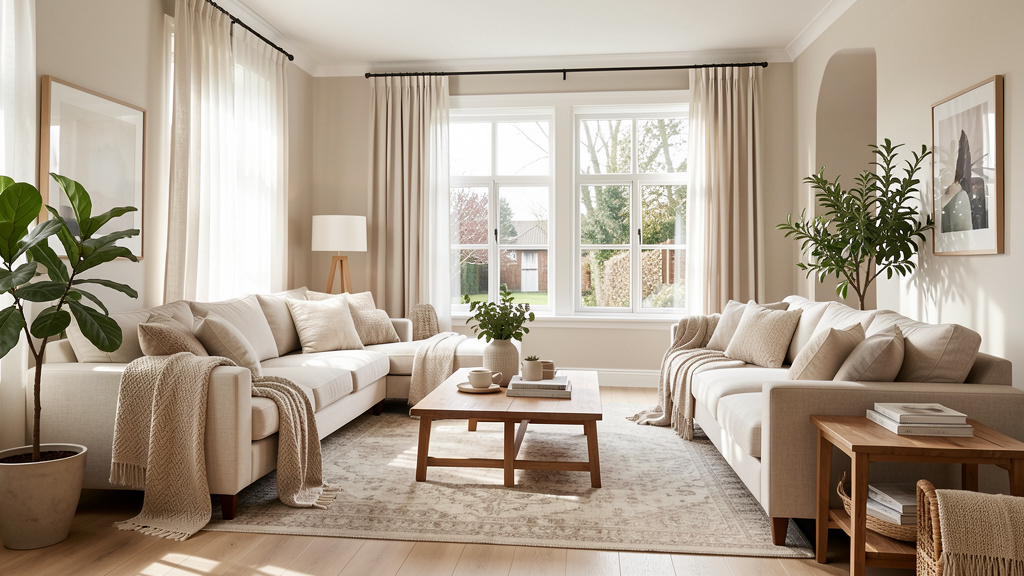
Unlock the designer’s secret to spaces that feel curated, not cluttered—where every material tells a story and every contrast feels intentional.
Material mixing is the invisible thread woven through every space you’ve ever admired—the weathered teak bench beside a smooth concrete planter, the rough-hewn stone fireplace against sleek plaster walls, the delicate rattan chair resting on a nubby wool rug. It’s not accidental magic. It’s a deliberate language of texture, temperature, and tactility that transforms ordinary rooms into emotionally resonant environments. This comprehensive guide gently dismantles the myth that “matching” equals harmony. Instead, you’ll discover a structured, adaptable framework informed by cross-cultural traditions, material science, and environmental psychology to blend wood, metal, stone, fabric, and greenery into cohesive compositions—indoors and out. Whether you’re refreshing a bookshelf, redesigning a kitchen, or crafting a garden sanctuary, these principles flex across styles, budgets, and lived realities. No design degree required. Just clarity, curiosity, and the confidence to create contrast that comforts.
Introduction: Why “Matching” Is a Myth—and Harmony Is the Goal
Walk into any space celebrated for its warmth and intentionality—a sun-drenched Kyoto teahouse with its charred cedar shou sugi ban walls meeting smooth river stones, a Mediterranean courtyard where rough-hewn limestone arches frame delicate wrought-iron lanterns, a modern Scandinavian cabin where raw birch logs support polished steel beams—and you’ll notice one universal truth: nothing matches. Yet everything belongs. This isn’t coincidence. For centuries, cultures across the globe have refined material juxtaposition as a core design philosophy. Japanese wabi-sabi embraces the beauty of imperfection through contrasts of aged wood against new paper. Mediterranean architecture leverages local stone, terracotta, and iron to create climate-responsive harmony. Indigenous building traditions worldwide intuitively blend earth, wood, fiber, and stone in ways that feel inherently of a place. These approaches emerged from deep observation of how materials interact with light, climate, human touch, and time—not from trend cycles.
Today’s design landscape, however, is saturated with “matchy-matchy” kits—from big-box store room sets where every wood tone is identical to outdoor furniture collections where metal, cushion fabric, and table surface feel unnaturally uniform. This often creates visual monotony, a space that can feel sterile or emotionally distant. True harmony arises not from sameness, but from thoughtful relationship. It’s the dialogue between smooth and rough, warm and cool, heavy and light, organic and geometric. When approached with intention, material mixing builds depth, invites touch, and grounds a space in authenticity. This guide synthesizes enduring principles and practical application into a single, adaptable system. You’ll move beyond guessing (“Does this go with that?”) toward understanding why certain combinations resonate—and how to thoughtfully replicate that success anywhere. The goal isn’t perfection. It’s personality. It’s creating spaces that feel lived-in, layered, and uniquely yours.
The Harmony-Contrast Framework: Your Blueprint for Balanced Design
Forget vague advice like “mix textures” or “add contrast.” Without structure, these directives can lead to uncertainty. The Harmony-Contrast Framework offers a five-step methodology informed by architectural principles, sensory psychology, and cross-cultural practice. It provides a repeatable process to evaluate, select, and arrange materials so contrast feels intentional. Think of it as your design compass—applicable whether you’re choosing a throw pillow, designing a backyard patio, or adapting a historic home. Each step builds upon the last, creating a cascade of thoughtful decisions. Master this sequence, and you’ll navigate material choices with greater clarity and confidence.
Step 1: Establish the Foundation of Unity
Before introducing contrast, anchor the space with unity. This is the essential base layer that prevents visual fragmentation. Unity isn’t about matching everything; it’s about creating a cohesive “ground” against which contrasts can shine. Without this foundation, mixed materials may feel random rather than curated.
How to execute it thoughtfully: Identify your dominant material—the one covering the largest surface area or carrying the strongest visual weight. In a living room, this is often flooring or wall treatment. In a garden, it might be patio pavers or predominant fencing. This dominant material sets the emotional tone: warm oak floors suggest coziness; cool gray concrete implies modernity; rough fieldstone evokes rustic charm. Once chosen, select 1–2 supporting materials that share a key characteristic with the dominant one. This shared trait creates subconscious cohesion. For example:
– Dominant: Wide-plank white oak floors (warm, organic grain)
– Supporting Unity: A linen sofa (natural fiber, subtle texture) and clay plaster walls (earthy, matte finish)
All three share an “organic warmth” despite differing textures.
Why this step matters: Human brains seek pattern recognition. A unified foundation reduces cognitive load, helping a space feel instantly calming. Research in environmental psychology suggests that environments with clear visual hierarchy (a strong base + intentional accents) may support lower stress responses compared to spaces with competing focal points. This step serves as your anchor.
Common considerations:
– If your space has existing irreplaceable elements (original hardwood, stone fireplace), let them guide your dominant material. Work with the bones of the space rather than against them.
– Avoid overloading the unity layer. Mentally apply the 60-30-10 concept: ~60% dominant material (flooring/walls), ~30% secondary unity material (large furniture), ~10% for initial contrast accents (expanded later).
– Consider scale. A tiny mosaic tile floor may not anchor a large open-plan space effectively. For expansive areas, materials with larger visual scale (wide planks, large-format tiles) often provide better grounding.
Illustrative application: In a Portland bungalow renovation, the preserved original Douglas fir floors set the dominant unity material. Instead of resisting their warm amber tone, the design selected a sofa in undyed Belgian linen (shared organic texture) and warm clay-based plaster walls (shared earthiness). This created a serene backdrop. Only then were contrasts introduced: blackened steel light fixtures, a chunky wool rug, ceramic table lamps. The contrasts felt deliberate because the foundation was cohesive.
Step 2: Apply the Rule of Three Textures
Texture engages our sense of touch visually, creating depth and preventing flatness. The Rule of Three Textures helps ensure contrast feels balanced. This isn’t about using exactly three materials—it’s about ensuring major surfaces represent one of three distinct textural categories: Smooth, Textured, and Patterned.
Defining the categories:
– Smooth: Materials with minimal surface variation that reflect light evenly. Examples: Polished stone (marble, quartz), glass, lacquered wood, glazed ceramic tile, stainless steel, high-gloss paint. Emotional effect: Modern, clean, serene.
– Textured: Materials with tactile, irregular surfaces that absorb light. Examples: Rough-sawn wood, honed stone (travertine, slate), woven rattan/seagrass, nubby bouclé fabric, board-formed concrete, handmade brick. Emotional effect: Organic, cozy, grounded.
– Patterned: Materials where texture creates visible repetition or motif with physical depth. Examples: Herringbone wood flooring, Moroccan zellige tile, ikat fabric with woven detail, fluted wood paneling, basketweave metal. Emotional effect: Dynamic, intentional, curated.
How to apply it: Audit your space. Does every major surface fall clearly into one category? In a kitchen:
– Smooth: Quartz countertops, stainless steel range
– Textured: Matte-finish shaker cabinets (visible wood grain), honed travertine backsplash
– Patterned: Herringbone oak floor, hand-formed tile accent strip
This trio creates visual rhythm. Smooth surfaces offer visual “rest,” textured elements add warmth, and patterned details reward closer inspection.
Why this step matters: Layered texture guides the eye and creates interest at multiple distances. Neuroaesthetic insights suggest environments with varied tactile qualities may encourage greater engagement and memory retention—making spaces feel more authentic and less like a showroom.
Common considerations:
– Overloading on smooth surfaces (glossy cabinets, polished floors, glass tables) can create a cold or “slippery” feel. Consider: Introducing one strong textured element—a woven pendant light, a live-edge wood shelf, a nubby wool runner.
– Clustering all texture in one area may cause visual imbalance. Consider: Distributing textures evenly. If the rug is textured, ensure the sofa has subtle texture (like linen) and wall art has dimension (a woven tapestry).
– Distinguish texture pattern from flat color pattern. A flat-printed floral fabric is smooth texture with color pattern. True textural pattern has physical depth (embroidery, woven threads). Tip: Run your hand over samples. If you feel variation, it’s textured/patterned.
Illustrative application: A Toronto homeowner refreshed her all-white bathroom by applying this rule. She kept the existing smooth porcelain tub (Smooth). She replaced glossy subway tile with honed, tumbled marble mosaic (Textured). Then she added a teak bath mat with subtle herringbone weave (Patterned) and a rattan storage basket (Textured/Patterned hybrid). The room felt warmer and more layered—without changing fixtures. The contrast felt harmonious because each texture had a defined role.
Step 3: Introduce the Bridge Element
A Bridge Element is a material, color, or finish that appears in at least two separate areas, creating a visual “handshake” between contrasting elements. It resolves tension and guides the eye fluidly through the space. Without bridges, contrasts may feel disconnected.
How to apply it: Identify your two strongest contrasting materials. Then, find a third element that shares a characteristic with both. Bridges work through:
– Color: Warm brass faucet (contrasting cool gray cabinets) echoed in brass cabinet pulls and a brass-framed mirror.
– Material: Concrete coffee table (industrial) bridged to a wool area rug (organic) by a side table with concrete base and embedded wood slats.
– Finish: Matte black window frames (architectural) echoed in matte black light fixtures (decor) and picture frames (accessories).
– Shape/Form: A round stone sink (organic shape) echoed by a round woven mirror and ceramic vases, creating cohesion amid material contrast.
Why this step matters: Bridges satisfy the brain’s tendency to seek relationships between elements (Gestalt principles of continuity and similarity). A bridge provides explicit connection, transforming potential visual tension into intentional dialogue.
Common considerations:
– Too many bridges can create visual noise. Consider: Limiting to 1–2 strong bridges per space. In a living room, one bridge color (like terracotta) appearing in pottery, a throw pillow, and a lamp base may be sufficient.
– A bridge that’s too dominant may overwhelm contrasts. Consider: Keeping bridges as subtle accents rather than primary materials. A single brass drawer pull bridges more effectively than an entire brass bookshelf.
– Scale matters. A tiny bridge element may get lost. Consider: Ensuring the bridge appears at multiple scales—a large item (rug), medium item (lamp), small item (vase).
Illustrative application: In a Brooklyn brownstone kitchen, cool gray soapstone countertops contrasted with warm reclaimed oak open shelves. Initially, the combination felt disjointed. The solution? A Bridge Element: blackened steel. Blackened steel shelf brackets connected to the countertops’ coolness; blackened steel cabinet hardware echoed the brackets. The steel’s dark tone bridged cool gray and warm wood, while its texture added dimension. The contrast felt intentional because the steel related to both materials without perfectly matching either.
Step 4: Define the Focal Point Through Intentional Contrast
Every space benefits from a visual anchor—a place for the eye to rest and understand the room’s purpose. Material mixing elevates focal points not by matching, but by using deliberate, heightened contrast against the surrounding unity. This contrast should feel earned, not arbitrary.
How to apply it: First, identify the room’s natural focal point (fireplace, window with a view, architectural feature) or create one (statement art, unique built-in). Then, apply contrast only to this element using one of these approaches:
– Temperature Flip: If your foundation is warm (oak floors, cream walls), make the focal point cool (slate fireplace surround, steel media console). If cool (gray walls, concrete floors), make the focal point warm (walnut bookshelf, terracotta planter).
– Texture Amplification: Surround a smooth focal point with textured elements (glossy ceramic vase on nubby wool rug) or a textured focal point with smooth elements (rough-hewn stone fireplace against smooth plaster walls).
– Scale Shift: Use a material at an unexpected scale. Example: Tiny mosaic tile covering an entire fireplace surround. Or massive concrete planters flanking a delicate garden gate.
Why this step matters: Focal points created through contrast command attention without overwhelming. They provide visual hierarchy, reinforcing the room’s function. A well-defined focal point also allows the rest of the space to feel calmer—because the eye has a clear destination.
Common considerations:
– Multiple competing focal points may cause visual chaos. Consider: Limiting to one primary focal point per space. Secondary accents should support, not compete.
– Ensure the focal point’s emotion aligns with the room’s intent (calm for bedrooms, energizing for kitchens). A stark black metal fireplace may feel disconnected in a serene bedroom.
– Use your Bridge Element (Step 3) to tether the focal point to the rest of the room. If your focal point is a black steel fireplace, include smaller black steel elements elsewhere (light fixtures, furniture legs).
Illustrative application: A Seattle gardener designed her patio around a view of Mount Rainier. The foundation was warm ipe wood decking and textured stucco walls (Unity). To avoid competing with the view, she made the fire pit the intentional focal point using Temperature Flip and Texture Amplification. Built from cool, smooth gray basalt stone—a sharp contrast to the warm wood—it was bridged by blackened steel fire tools (echoing the stone’s coolness) and surrounded by warm, textured river rocks (echoing the deck’s warmth). The fire pit became a magnetic gathering spot. Its contrast felt purposeful because it was the only place where cool stone dominated. The view remained the star; the fire pit enhanced the scene.
Step 5: Embrace the Restraint Principle
Harmonious contrast requires thoughtful editing. The Restraint Principle suggests: For every new material you introduce, consider removing or minimizing another. This prevents “material clutter”—the overwhelming feeling when too many textures, colors, and finishes compete. Restraint isn’t deprivation; it’s curation. It’s the difference between a gallery wall that tells a story and one that feels like visual noise.
How to apply it: Before adding any new material (a rug, furniture piece, garden ornament), ask:
1. Does this support the Foundation of Unity (Step 1)? If not, does it strengthen the Focal Point (Step 4)?
2. Does it fit within my Rule of Three Textures (Step 2)? Am I adding unnecessary texture categories?
3. Can I bridge it to existing elements (Step 3)? If not, is the contrast justified?
If the answers lean toward “no,” pause. Instead of adding, edit. Remove one existing element to make space. In practice:
– Before buying a new patterned pillow: Remove one solid pillow first.
– Before installing a stone accent wall: Paint one existing wall a solid, unifying color to balance it.
– Before adding a metal garden sculpture: Remove one overly busy planter to let the sculpture breathe.
Why this step matters: Cognitive load theory suggests humans process limited visual information at once. Spaces with excessive material variety may increase mental fatigue. Restraint creates negative space—both visual and psychological—allowing key contrasts to resonate more deeply. As the Japanese concept of “Ma” (the space between) teaches: emptiness holds meaning.
Common considerations:
– “Just one more” syndrome can lead to accumulation without intention. Consider: A “one in, one out” approach for decorative materials.
– Check sightlines from key viewpoints (front door, seating area). Tip: Photograph the space and blur your eyes. What competes for attention? Edit ruthlessly.
– Restraint differs from minimalism. It’s about quality of relationship, not quantity of objects. A room with ten carefully related materials may feel calmer than one with three clashing ones.
Illustrative application: During a London flat refresh, the homeowner loved collecting ceramics—earthenware bowls, porcelain vases, stoneware pots. Initially displayed together on open shelves, the result felt chaotic despite beautiful individual pieces. Applying the Restraint Principle, she grouped them by material family: all earthenware on one shelf (warm, textured), all porcelain on another (cool, smooth). She set aside the stoneware (it didn’t bridge well). Then she added a single Bridge Element: a woven seagrass tray holding three small earthenware pots. The collection felt curated. The restraint (removing stoneware, grouping intentionally) elevated the remaining pieces. The contrast between shelves felt intentional because each group had breathing room.
The Guiding Insight: Harmony is not the absence of contrast, but the presence of relationship. Every material in your space benefits from conversing with at least one other—through shared warmth, echoed texture, bridged color, or intentional opposition. When relationships are clear, contrast becomes comfort.
Material Mixing in Practice: Room-by-Room and Project-by-Project Guidance
Theory gains meaning through application. This section translates the Harmony-Contrast Framework into adaptable strategies for specific contexts, materials, and real-world constraints. We address nuanced questions like “Can I mix brass and chrome?” or “How do I blend new additions with old architecture?” with practical, tested approaches. Each scenario includes the reasoning behind recommendations, empowering you to adapt principles to your unique space and circumstances.
Mixing Wood Tones with Confidence: Beyond the “All One Tone” Myth
Fear of clashing wood tones is common. Yet nature mixes wood tones effortlessly—a pine forest contains sapwood, heartwood, weathered logs, and mossy stumps, all in harmony. The key lies in understanding undertones and value (lightness/darkness), not just surface color.
The Undertone Spectrum: Woods generally fall into three undertone families:
– Warm (Yellow/Red): Oak (especially red oak), cherry, mahogany, teak, bamboo. Evokes coziness, tradition.
– Cool (Gray/Brown): Ash, maple, birch, driftwood, weathered reclaimed wood. Evokes calm, modernity.
– Neutral (True Brown): Walnut, hickory, wenge. Often bridges warm and cool tones.
The Value Principle: Contrast in lightness often matters more than contrast in hue. A light oak floor (warm, light value) pairs gracefully with a dark walnut table (neutral, dark value) because the value difference creates clear hierarchy. Two medium-value woods (e.g., medium oak cabinets and medium cherry chairs) may compete visually.
Adaptable Action Plan:
1. Identify fixed wood elements first (flooring, built-ins, structural beams). These set your baseline undertone and value.
2. Choose one dominant wood tone for large movable furniture that either:
– Shares the undertone of your fixed wood but differs in value (e.g., light oak floors + dark oak table), OR
– Uses a neutral wood (walnut) to bridge warm floors and cool accents.
3. Introduce secondary wood tones sparingly (chairs, side tables, decor) that contrast in both undertone and value from the dominant wood. Example: Warm oak dining table (dominant) + cool gray-washed ash chairs (secondary contrast).
4. Bridge with non-wood elements: A black metal table base bridges warm wood top to cool-toned chairs. A jute rug bridges wood tones through shared organic texture.
Navigating Common Scenarios:
– “My oak floors are orange, and I’m unsure about them.” Work with them. Choose furniture with cooler undertones (ash, gray-washed pine) to create intentional contrast. Add Bridge Elements in cool tones: navy linen upholstery, charcoal wool rug, black iron light fixtures. The contrast can make the floors feel intentional.
– “I have mismatched antique furniture.” Group pieces by undertone where possible. Place warm-toned antiques together; cool-toned pieces in another zone. Use area rugs with blended undertones (e.g., rust and slate threads) to bridge zones visually.
– “Can I mix light and dark woods in a small room?” Yes—with unity. Paint walls and large furniture a consistent neutral (warm white for warm woods, cool gray for cool woods). Let the wood contrast be the primary variation. A light wood shelf against a dark wood desk feels dynamic against a unified backdrop.
Garden Adaptation: Blend wood tones intentionally outdoors. A warm cedar deck (fixed element) pairs well with cool gray ipe wood chairs (value + undertone contrast). Bridge them with black powder-coated steel chair frames and planters. Add texture with a woven seagrass outdoor rug. Avoid using three similar medium-value woods (cedar deck, pine bench, teak table)—this can create visual ambiguity.
Combining Metal Finishes Without Clash: The Layered Metals Method
Contemporary design embraces layered metals for depth and personality. Random mixing, however, can feel disjointed. Success lies in hierarchy, temperature awareness, and Bridge Elements.
Metal Temperature Guide:
– Warm Metals: Brass, gold, copper, bronze. Feel inviting, traditional.
– Cool Metals: Chrome, nickel, stainless steel, aluminum. Feel crisp, modern.
– Neutral Metals: Blackened steel, iron, oil-rubbed bronze (when dark), matte black. Often bridge warm and cool.
Adaptable Metal Strategy (Inspired by 60-30-10):
– Dominant Metal (~60%): Choose one metal for your most numerous or visually prominent fixtures (e.g., cabinet hardware, main light fixture). This sets the room’s metallic tone.
– Secondary Metal (~30%): Introduce a contrasting temperature metal for medium elements (e.g., if dominant is warm brass pulls, use cool nickel faucet). This creates intentional dialogue.
– Accent/Bridge Metal (~10%): Use a neutral metal (black iron) or a third metal only if it bridges the first two (e.g., unlacquered brass faucet develops patina that bridges warm brass pulls and cool nickel light fixture over time).
Critical Bridge Strategies:
– Use Neutral Metals as Bridges: Black iron light fixtures bridge warm brass hardware and cool stainless appliances. Matte black door handles bridge chrome faucets and gold mirrors.
– Leverage Patina: Unlacquered brass or bronze evolves over time, developing warm brown tones that bridge cool and warm elements. Ideal for high-touch areas (faucets, handles).
– Repeat Thoughtfully: Any secondary or accent metal benefits from appearing in at least two or three places to feel intentional. One brass lamp may feel accidental; brass lamp + brass picture frame + brass drawer pull feels curated.
Room-by-Room Adaptation:
– Kitchen: Dominant = Warm brass cabinet pulls. Secondary = Cool stainless steel range hood and faucet. Bridge = Black iron open shelving brackets and barstool frames. The black iron visually connects brass and steel.
– Bathroom: Dominant = Polished nickel shower fixtures. Secondary = Warm antique brass mirror frame. Bridge = Matte black toilet paper holder and towel bar. The matte black absorbs light, calming the contrast.
– Living Room: Dominant = Black iron floor lamp and coffee table base. Secondary = Warm brass side table. Accent = Cool chrome picture frames (repeated on multiple frames). Black iron anchors; brass and chrome feel like intentional accents.
Considerations:
– Mixing two similar-but-not-identical warm metals (shiny brass + antique brass) without a bridge may feel inconsistent. Consider: Choosing one brass finish consistently, or bridging with black elements.
– Using cool metals exclusively in a warm-toned room (chrome fixtures with oak floors and cream walls) may feel cold. Consider: Swapping one cool element for warm (brass faucet) or adding warm Bridge Elements (wood stool, terracotta pot).
– Scale matters. A tiny brass knob won’t bridge large chrome appliances. Consider: Larger bridging elements (black range hood, wood island).
Outdoor Note: In patios or decks, use weather-resistant metals strategically. Powder-coated black steel furniture (neutral) bridges warm teak tables and cool aluminum umbrellas. Add warmth with copper garden stakes or brass hose nozzles (accent metal, repeated thoughtfully). Avoid mixing untreated iron with aluminum outdoors due to corrosion risks—opt for powder-coated or stainless finishes.
Natural Material Alchemy: Stone, Wood, Fiber, and Greenery
Nature is the ultimate material mixer. A forest floor combines smooth stones, rough bark, soft moss, and delicate ferns—all in balance. Recreating this harmony requires understanding each material’s role and how they converse.
Four Natural Material Archetypes:
1. Stone (Earth Element): Heavy, permanent, grounding. Includes granite, slate, limestone, river rock, concrete (as analog). Best used for: Foundations (floors, patios), focal points (fireplaces, water features), anchors (large planters).
2. Wood (Growth Element): Warm, organic, evolving. Includes hardwoods, softwoods, bamboo, rattan, seagrass. Best used for: Structure (beams, furniture), warmth (floors, shelves), texture (woven baskets, live-edge slabs).
3. Fiber (Soft Element): Textural, tactile, comforting. Includes wool, linen, jute, sisal, cotton, hemp. Best used for: Softening hard surfaces (rugs, throws, cushions), adding pattern (woven wall hangings), bridging textures.
4. Greenery (Life Element): Dynamic, refreshing, connecting. Includes potted plants, vertical gardens, floral arrangements, moss. Best used for: Softening edges, adding color variation, creating movement, bridging indoors/outdoors.
Creating Harmonious Combinations:
– Stone + Wood: Stone provides cool stability; wood adds warm softness. Tip: Bridge with fiber. A wool rug between a stone fireplace and wood coffee table absorbs sound and visually connects them. Outdoors, place a rough-hewn wood bench against a smooth stone wall; add a jute cushion.
– Wood + Fiber: Creates cozy zones. Tip: Vary texture scales. Pair smooth hardwood floors (fine texture) with a chunky bouclé wool sofa (coarse texture) and a nubby jute rug (medium texture). This naturally fulfills the Rule of Three Textures.
– Stone + Greenery: Evokes serene landscapes. Tip: Use greenery to soften stone’s hardness. Train ivy over a stone garden wall. Place a trailing pothos on a marble console. In bathrooms, add air plants to a slate shower niche.
– The Full Quartet (Stone + Wood + Fiber + Greenery): The pinnacle of natural harmony. Example: Patio with slate pavers (Stone), ipe wood chairs (Wood), outdoor-rated wool-blend cushions (Fiber), potted olive trees in terracotta pots (Greenery + Stone bridge). Each element has a clear role.
Avoiding Common Pitfalls:
– “Too Rocky” Syndrome: Overusing stone (floors, walls, countertops). Consider: Introducing large wood elements (reclaimed wood island) and abundant fiber (thick rugs, heavy curtains). Add greenery at multiple heights.
– “Wicker Overload”: Too many woven materials (rattan chair, seagrass rug, bamboo blinds). Consider: Limiting woven elements to two per space. Choose one dominant (rattan chair), one accent (small seagrass basket). Bridge with solid wood or smooth stone.
– Maintenance Realities: Unsealed sandstone stains; untreated rattan mildews outdoors. Consider: Matching material properties to location. Use sealed porcelain tile that mimics stone in wet areas. Choose synthetic rattan (all-weather wicker) for uncovered patios. Prioritize durability without sacrificing aesthetic—many modern materials responsibly mimic natural textures.
Garden-Specific Alchemy:
– Pathways: Blend intentionally. A main path of crushed granite (Stone, smooth texture) leads to a seating area with ipe wood decking (Wood, textured). Bridge with stepping stones of irregular slate (Stone, textured) set into the granite. Add moss between stones (Greenery) for softness—note: moss thrives in shaded, moist areas; in arid climates, consider low-growing thyme or sedum.
– Planters: Mix planter materials to create rhythm. Group three: large concrete planter (Stone, smooth), medium terracotta pot (Stone, textured), small woven seagrass basket (Fiber) holding a trailing plant. Repeat this trio grouping elsewhere.
– Water Features: A copper bowl fountain (Metal, warm) nestled among river rocks (Stone, smooth) with ferns spilling over (Greenery). The copper bridges warm wood elements nearby; the rocks ground the feature.
Small Spaces, Big Impact: Material Mixing for Compact Areas
In tight quarters—studio apartments, powder rooms, balcony gardens—material mixing can enhance perceived space or create cozy intimacy. The key is strategic contrast, not minimalism.
Principles for Small Spaces:
– Amplify Light with Smooth Surfaces: In dark or narrow spaces, use smooth, light-reflective materials on primary surfaces. Example: Glossy white subway tile in a small bathroom (Smooth) paired with one textured element (a teak stool, Textured) and a patterned accent (hexagonal floor tile, Patterned). Smooth walls enhance light; contrasts add soul without clutter.
– Create Depth with Layered Textures: Flat surfaces feel shallow. Add dimension through texture variation at different depths. Example: In a narrow hallway, board-formed concrete-look wallpaper (Textured) on the main wall. Hang a thin black iron floating shelf (Smooth metal) holding a small woven basket (Patterned fiber) with a trailing plant (Greenery). Layered textures create visual depth.
– Define Zones with Material Shifts: In open-plan studios, use material changes to imply room divisions. Example: Light oak flooring throughout. Define the sleeping area with a wool rug in subtle herringbone (Patterned texture shift). Define the kitchen zone with a small section of matte black hex tile under the sink (Smooth texture shift + Focal Point). Material shifts signal function without walls.
– Vertical Mixing: Draw the eye upward. Paint lower walls in textured plaster (Textured), upper walls in smooth matte paint (Smooth), install black iron floating shelves (Bridge Element) holding plants and ceramics. The vertical gradient can elongate the space.
Balcony & Small Garden Tactics:
– Flooring Contrast: Use two materials to define zones. Interlocking porcelain tiles mimicking wood (Smooth) for seating; smooth river rocks set in gravel (Textured) for a tiny “garden” corner. Contrast makes the space feel intentionally zoned.
– Vertical Gardens as Texture Walls: Install a modular felt pocket planter (Textured fiber) filled with varied greenery (smooth succulents, fuzzy lamb’s ear, trailing vines). Adds immense texture without floor space. Bridge with a black iron wall-mounted shelf holding a ceramic pot.
– Furniture Material Strategy: Choose multi-material furniture. A bistro set with powder-coated steel frame (Smooth) and teak slat tabletop (Textured) provides built-in contrast. Add one outdoor cushion in subtle geometric print (Patterned). Avoid matching sets—mix chair styles if space allows, bridged by identical cushions.
Considerations for Small Spaces:
– High-contrast busy patterns on large surfaces (bold floral wallpaper) may overwhelm. Consider: Using pattern only on small, movable items (pillows, art).
– Too many dark materials can shrink a space. Consider: Keeping dominant materials light-valued; using dark accents sparingly for focal points (a black metal floor lamp).
– Cluttered surfaces increase visual noise. Consider: Applying the Restraint Principle rigorously. Every item should earn its place through material relationship.
Budget-Friendly Material Mixing Strategies
Harmonious contrast thrives on intentionality, not expense. These adaptable strategies leverage accessible materials to create thoughtful visual relationships.
Three Adaptive Paths:
– Option 1: The “Hero Material” Approach
Invest in one authentic, high-impact natural material; surround it with affordable mimics sharing its texture or color family.
Example: Splurge on a genuine live-edge walnut slab for a coffee table (Hero Material: Wood, Textured). Pair with:
– Concrete-look porcelain tile for a fireplace surround (mimics Stone’s coolness, Smooth texture)
– Jute rug with subtle weave (mimics Fiber’s warmth, Patterned texture)
– Bridge: Black iron table base and floor lamp (Neutral Metal)
The authentic wood becomes the soul; mimics provide cohesive contrast affordably.
- Option 2: Thrifted & Salvaged Material Mixing
- Wood Tones: Hunt for furniture with strong grain (oak, ash). Sand and re-stain all pieces to two intentional tones: one light (shelves), one dark (tables). Creates controlled contrast from mismatched origins.
- Metal Finishes: Spray-paint mismatched metal items in two finishes: matte black (Neutral Bridge) and one accent metal (brass for warmth). Group brass items; use black items to bridge zones.
-
Textile Layering: Combine thrifted wool blankets (Textured), linen tablecloths (Smooth fiber), vintage kantha quilts (Patterned) as throws or wall hangings. Wash all in similar tones (undyed, oat, charcoal) for unity.
-
Option 3: DIY Texture Creation
- Concrete Look: Mix cement powder with water to a thick paste. Apply over primed MDF for shelves or table tops. Sand lightly for honed finish (Smooth texture mimic). Seal thoroughly. Safety note: Wear gloves and eye protection; work in a ventilated area.
- Wood Grain Enhancement: On plain pine furniture, use a wire brush to accentuate grain before staining. Creates pronounced Textured surface from inexpensive wood.
- Plaster Effect: Mix joint compound with matte paint. Trowel onto walls for textured finish. Paint over with limewash for subtle variation.
Strategic Splurging vs. Saving:
– Splurge On: Materials you touch daily (faucets, door handles) and focal points (fireplace surround, statement light). Quality here elevates the entire composition.
– Save On: Large surface areas where texture matters more than material authenticity (area rugs—choose polypropylene mimicking wool; wall treatments—use textured paint instead of real plaster).
– Free Bridge Elements: Use nature. A bowl of river stones (Stone), dried eucalyptus bundle (Greenery/Fiber), or pinecones in a woven basket create authentic texture bridges at zero cost. Place near contrasting materials (stones near a metal vase; eucalyptus on a wood shelf).
DIY Project Spotlight: Building a Mixed-Material Console Table
This adaptable project applies all five framework steps to a single build. Ideal for entryways, behind sofas, or as a garden potting bench. Always prioritize safety: wear protective gear, follow tool instructions, and consult local guidelines if modifying structural elements.
Materials List (for approx. 48″L x 14″D x 30″H table):
– Wood (Textured): One 1x12x8′ reclaimed pine board (sanded, grain visible) for top
– Metal (Smooth): Four 28″ black iron pipe legs (1/2″ diameter) with flanges
– Stone Analog (Smooth): One 12″x48″ sheet of concrete-look porcelain tile (or slate tile)
– Bridge Element: Black iron pipe caps (to cover leg ends)
– Hardware: Wood screws, construction adhesive, wood stain (optional), tile mortar (if using real tile)
Step-by-Step Construction:
1. Foundation of Unity (Step 1): Black iron legs set the dominant industrial tone. Reclaimed pine top introduces organic warmth within the unity layer—the black iron bridges both.
2. Rule of Three Textures (Step 2):
– Smooth: Black iron pipes, porcelain tile inset
– Textured: Reclaimed wood top (visible grain), matte finish on tile
– Patterned: Herringbone layout of tile pieces (cut tile into 2″x4″ rectangles; arrange before adhering)
3. Bridge Element (Step 3): Black iron appears in legs, flanges, and pipe caps—creating multiple connection points between cool metal and warm wood.
4. Focal Point (Step 4): The herringbone tile inset serves as the intentional focal point. Its geometric pattern contrasts with organic wood grain. Place off-center for dynamic interest.
5. Restraint Principle (Step 5): Only three core materials (wood, metal, tile). No additional colors or finishes. Simplicity makes the contrast powerful.
Assembly Guidance:
– Cut wood board to size. Sand edges smooth. Apply wood stain if desired (walnut stain bridges warm/cool tones well); seal with matte polyurethane.
– Cut porcelain tile into rectangles. Dry-fit herringbone pattern on wood top. Adhere with construction adhesive. Alternative: Skip tile; use a wood-burning tool to etch subtle herringbone lines into wood for Patterned texture.
– Attach iron flanges to underside of wood top at corners using wood screws. Screw pipe legs into flanges.
– Screw pipe caps onto bottom of legs to protect floors and complete the Bridge Element.
– Garden Adaptation: Use cedar for top (naturally weather-resistant), skip tile inset, add a lower shelf of black iron pipe and wire mesh for storing pots. Apply outdoor sealant.
Why It Works: The table embodies harmonious contrast. Cool, smooth black iron contrasts with warm, textured wood. The patterned tile inset draws the eye. Repeated black iron bridges all elements. It feels intentional and layered—yet uses accessible materials and straightforward techniques. Place it in an entryway with a ceramic vase (Stone analog) holding dried grasses (Greenery/Fiber)—the console’s materials will bridge to the decor effortlessly.
Garden and Outdoor Spaces: Creating Flow from Indoors to Out
Outdoor material mixing must balance durability, climate, and emotional resonance. The goal: extend your home’s design language into nature, making gardens feel like intentional rooms.
The Indoor-Outdoor Bridge Strategy:
– Visual Continuity: Repeat one key material from indoors outside. If living room has black iron light fixtures, use black iron garden lanterns. If floors are wide-plank oak, use ipe wood (similar tone/texture) for deck flooring. Creates subconscious connection.
– Texture Translation: Mimic indoor texture categories outdoors. Indoors: Smooth plaster walls, Textured wool rug, Patterned herringbone floor. Outdoors: Smooth stucco wall, Textured crushed granite path, Patterned brick edging. The types of contrast feel familiar.
– Sightline Curation: Frame outdoor views from key indoor windows. Position a textured stone birdbath (Textured) against a smooth stucco wall (Smooth), with a patterned wrought-iron gate (Patterned) visible beyond. Creates a “living painting” applying the Rule of Three Textures to the landscape.
Patios & Decks: Zoning Through Material Shifts
– Dining Zone: Smooth porcelain tile pavers (easy to clean, Smooth texture)
– Lounge Zone: Textured ipe wood decking (warm underfoot, Textured)
– Transition Zone: Stepping stones of irregular slate (Patterned texture) set into gravel between zones
Material zoning defines function without walls. Add Bridge Elements: Black powder-coated steel furniture frames appear in both zones. A woven seagrass rug (Fiber) in the lounge zone bridges wood and stone.
Garden Pathways: Rhythm and Revelation
Avoid monotonous paths. Create journey through material contrast:
– Start with smooth, light-colored crushed shell path (Smooth, reflects light) leading from house
– Transition to textured, dark-hued stepping stones (Textured) set in moss (Greenery) —moss suitable for shaded, moist climates; in dry zones, use low-growing thyme or gravel
– End at a focal point: smooth river rock circle (Smooth) surrounding a textured corten steel fire bowl (Textured metal)
Changing materials guide movement and build anticipation. Bridge with repeated elements: Black steel edging along the shell path echoes the fire bowl.
Planters & Containers: The Material Trio
Group planters in odd numbers (3 or 5) using the Material Trio formula:
– One large container: Textured material (unglazed terracotta, rough concrete)
– One medium container: Smooth material (glazed ceramic, powder-coated steel)
– One small container: Patterned material (woven seagrass basket, mosaic tile pot)
Repeat this trio grouping in different garden areas. Consistent formula creates rhythm; varying plants add life. Bridge with plant selection: Trailing plants spill from the textured pot; upright plants in the smooth pot draw the eye up.
Water Features: Harmonizing Elements
A small fountain exemplifies material alchemy:
– Basin: Smooth, dark granite (Stone, Smooth)
– Spout: Textured, aged copper (Metal, Textured)
– Surround: Irregular river rocks (Stone, Textured) with moss growing between (Greenery)
– Bridge: Black iron stand supporting the spout
Copper spout (warm metal) bridges cool granite basin and warm-toned river rocks. Moss adds organic softness. Sound and movement make contrasts feel alive.
Climate-Responsive Material Choices (Seasonal Awareness):
– Hot/Sunny Climates: Prioritize light-valued, heat-reflective materials (light concrete, pale stone). Use smooth surfaces that don’t retain heat. Add shade with woven fiber pergola covers (Textured) to break sun. Seasonal note: In peak summer, ensure porous stone is sealed to prevent staining from irrigation.
– Cool/Wet Climates: Choose materials that gain character with moisture (corten steel develops rust patina; bluestone stays non-slip when wet). Incorporate warm wood tones (cedar, teak) to counter gray skies. Seasonal note: Before winter freeze-thaw cycles, reseal porous stone to prevent cracking.
– All Climates: Ensure material compatibility. Never place untreated aluminum directly against pressure-treated wood (chemical reaction). Use plastic or rubber separators. Seal porous stone in freeze-thaw zones.
Navigating Common Frictions and Alternatives
Even with a framework, doubts arise. This section addresses emotional and practical hurdles with compassionate, adaptable alternatives.
“I Don’t Trust My Eye—What If I Get It Wrong?”
This is deeply common. Consider starting micro. Apply the framework to a single shelf, windowsill, or small side table. Gather three objects: one Smooth (glass vase), one Textured (wood bowl), one Patterned (woven coaster). Arrange them. Notice relationships. Does the wood bowl bridge the glass vase and coaster? Adjust until it feels “right.” This low-stakes practice builds confidence. Remember: Decor is rarely permanent. Paint can be repainted; rugs can be returned. Give yourself permission to iterate. Progress, not perfection.
Style Conflicts: When Household Members Disagree
– Scenario: One partner loves rustic wood; the other prefers sleek modern.
– Adaptable Solution: Find a bridge material. Black iron works with both rustic wood tables and modern steel chairs. Choose a neutral foundation (light gray walls, oak floors). Let the rustic lover select the wood coffee table (Textured focal point); let the modern lover select the black iron floor lamp and sofa (Smooth/Neutral). Black iron bridges both preferences. Compromise becomes curation.
– Alternative: Designate style zones. Living room leans modern (smooth surfaces, cool metals); study leans rustic (wood beams, leather chair). Use a consistent Bridge Element throughout (e.g., black door hardware) for whole-house cohesion.
Historic Home Challenges: Blending Old and New
– Preserve the Soul: Honor original features (moldings, fireplaces, floors). Let them guide your Foundation of Unity. If you have honey-colored oak floors, work with warm undertones.
– Contrast with Respect: Introduce modern elements as intentional contrasts, not replacements. A sleek black steel staircase railing against original wood banisters. A minimalist concrete sink in a bathroom with vintage tile. Contrast can highlight historic elements’ beauty.
– Bridge Thoughtfully: Use materials plausible for the home’s era as bridges. In a 1920s home, unlacquered brass fixtures bridge original oak trim and modern matte black accessories. Brass develops patina over time, feeling increasingly “of” the house.
Rental Restrictions: Mixing Without Permanent Changes
– Floors: Layer rugs strategically. A large jute rug (Textured) anchors the space. Place a smaller vintage kilim (Patterned) on top near seating. Layered rugs create texture contrast without altering floors.
– Walls: Use removable wallpaper on a single accent wall in a textured pattern (grasscloth look). Or create a “texture wall” with removable adhesive hooks holding woven baskets, framed textiles, or macramé.
– Fixtures: Swap temporary elements where lease allows. Renters can often change cabinet hardware (introduce brass pulls) or light fixture shades (add a woven rattan shade). These small changes introduce contrast and bridges. Always confirm with landlord first.
– Furniture: Focus on material mixing within furniture groupings. A smooth leather armchair (Smooth) beside a nubby bouclé ottoman (Textured) with a patterned kilim pillow (Patterned). Contrast happens in arrangement, not architecture.
Sustainability Considerations: Mixing with Conscience
Harmonious contrast aligns naturally with sustainable practices:
– Salvage as Strategy: Reclaimed wood beams (Textured) paired with recycled glass countertops (Smooth) and vintage iron hardware (Bridge) tell a story of renewal. Contrast highlights each material’s history.
– Natural Aging as Design Feature: Choose materials that patina gracefully—unlacquered brass, corten steel, unfinished wood. Evolving contrast becomes part of the design narrative.
– Local Sourcing: Use regionally abundant materials. In the Southwest, adobe walls (Textured) with copper accents (Smooth metal); in the Pacific Northwest, cedar siding (Textured wood) with river rock foundations (Smooth stone). Local materials inherently harmonize with the landscape.
– Mindful Choices: “Eco-friendly” labels vary. Prioritize durability (a well-made wood table lasts decades) and low-VOC finishes. Sometimes the most sustainable choice is caring for what you own—reupholstering a chair in natural linen (adding Texture) bridges old and new.
Your Questions, Answered
Q: Can I mix gold (brass) and silver (nickel) fixtures in the same room?
A: Yes—with thoughtful strategy. Avoid equal measure. Choose one as dominant (~60%), the other as secondary (~30%), and bridge with a neutral metal like matte black or iron (~10%). Example: Brass cabinet pulls (dominant), nickel faucet (secondary), black iron light fixture (bridge). Ensure the secondary metal appears in at least two other spots (e.g., nickel picture frames) to feel intentional. Matte or brushed finishes often soften the contrast more than high-shine pairings.
Q: How many different wood tones are too many in one room?
A: It’s less about quantity and more about relationship. Four wood tones can work if they follow the Value Principle and Bridge Principle: light oak floors (warm, light), medium walnut table (neutral, medium), dark espresso chairs (cool, dark), light ash sideboard (cool, light). Clear value contrast (light vs. dark) and bridging elements (black metal chair frames connect walnut to espresso; jute rug bridges all wood tones) create cohesion. If tones are all medium-value and similar undertones, even two may compete. Edit using the Restraint Principle.
Q: What’s the easiest way to add material contrast to a beige-on-beige room?
A: Start with one intentional contrast point. Add a single black iron floor lamp (Smooth, cool metal) beside a beige linen sofa. The lamp’s dark value and cool temperature create immediate contrast against warm, light neutrals. Then bridge: Place a black ceramic vase on the coffee table; add charcoal throw pillows with subtle texture (nubby bouclé). This introduces the Rule of Three Textures (linen = Textured, black lamp = Smooth, bouclé pillow = Patterned) without overwhelming the space. Master material contrast before layering in color.
Q: How do I mix materials in a rental without damaging walls or floors?
A: Focus on vertical and surface layers. Hang removable textured wallpaper on one accent wall. Layer rugs: large neutral sisal rug topped with a smaller vintage textile. Use furniture with inherent material contrast—a rattan chair with smooth wood frame, metal bookshelf holding woven baskets. Swap temporary fixtures like lampshades (add woven rattan) or cabinet hardware (confirm lease allows). Create relationship between movable items, not architecture.
Q: Can I use smooth marble in a rustic cabin? Won’t it feel out of place?
A: Yes—if used intentionally as a focal point contrast. In a cabin with rough-hewn log walls (Textured) and wide-plank pine floors (Textured wood), a smooth marble-topped side table (Smooth) becomes a sophisticated focal point. Bridge the contrast with a black iron table base (Neutral metal) and a chunky wool throw draped nearby (Fiber bridge). Marble shouldn’t match rustic elements; it should converse with them. Its cool smoothness highlights the logs’ organic warmth. Limit marble to one or two small surfaces.
Q: What’s the difference between “clashing” and “harmonious contrast”?
A: Clashing often feels accidental, unresolved, or emotionally jarring (e.g., shiny chrome fixtures in a room with warm oak floors and no bridging elements). Harmonious contrast feels intentional, resolved, and resonant (e.g., those same chrome fixtures paired with black iron hardware and cool-gray walls—the black iron bridges chrome to the room’s other elements). Ask: “Does this contrast serve a purpose? Is there a bridge element? Does it enhance the focal point?” If yes, it’s likely harmonious. If it creates unresolved tension, revisit the framework.
Q: How do I mix materials in a small, windowless powder room?
A: Use material contrast to create depth where light is limited. Paint walls in a textured plaster finish (Textured) in warm light gray. Install a floating vanity with smooth matte black quartz top (Smooth) and black iron legs (Bridge). Choose a vessel sink in matte white ceramic (Smooth) with unlacquered brass faucet (Warm metal accent). Add a small framed mirror with black iron frame (Bridge repetition). Texture prevents flatness; black elements create depth; brass adds a warm focal point. Avoid large patterns—they can overwhelm small spaces.
Q: Are there materials that should never be mixed?
A: Prioritize functional compatibility over aesthetic rules. Examples:
– Untreated iron directly against aluminum outdoors (risk of galvanic corrosion). Solution: Use powder-coated finishes or stainless steel.
– Highly porous stone (travertine) in high-moisture areas without sealing (stains easily). Solution: Choose porcelain tile mimicking stone.
– Delicate natural fibers (silk, untreated rattan) in direct sun or damp areas (fades/mildews). Solution: Use performance fabrics or synthetics mimicking texture.
Aesthetically, few materials are “forbidden”—only poorly related. With intentional bridging and restraint, even challenging pairs (glossy lacquer and rough burlap) can harmonize in the right context.
Q: How does lighting affect material mixing?
A: Lighting is the invisible material. Warm light (2700K–3000K) enhances wood tones and softens cool metals. Cool light (3500K+) accentuates stone and metal but may alter wood appearance. Always view material samples under your actual room lighting. Use layered lighting to highlight contrasts: A focused LED spotlight on a textured stone wall; ambient warm light from a woven rattan pendant. Dimmers are invaluable—they let you adjust the “contrast level” of materials throughout the day.
Q: Can I apply this framework to closet or storage organization?
A: Absolutely. Material mixing brings calm to functional spaces. In a closet: Smooth melamine shelves (Smooth), woven seagrass bins for accessories (Textured/Patterned), black iron hanging rods (Bridge). Label bins with consistent typography on matte black tags (repeating the Bridge Element). Contrast makes categories visually distinct; bridges create order. In a garage: Pegboard with black hooks (Smooth/Patterned), wooden crate shelves (Textured), labeled clear bins (Smooth). Material zones signal function—tools on pegboard, seasonal items in crates.
Q: How do I maintain mixed-material spaces over time?
A: Embrace patina as part of the story. Unlacquered brass darkens; wood mellows; stone develops a soft sheen. Clean materials according to their needs: pH-neutral soap for stone, wood-specific oil for untreated wood, microfiber cloths for metal. For high-traffic contrast zones (stone floor with wood inlays), apply sealant consistently to all materials for even wear. The goal isn’t sterile perfection—it’s a space that ages gracefully, with contrasts deepening in character. Seasonal note: In climates with freeze-thaw cycles, inspect and reseal outdoor stone surfaces each spring.
Q: What if my personal style evolves? Will mixed materials feel dated?
A: Harmonious contrast is inherently adaptable because it’s based on universal principles (texture, relationship, restraint), not fleeting trends. A space built on material relationships evolves easily. Love maximalism tomorrow? Add more Patterned textiles—but keep the Foundation of Unity (walls, floors) intact. Prefer minimalism next year? Remove accent pieces; the core material contrasts (wood floor, stone fireplace) remain elegant. Unlike trend-driven color schemes, well-executed material mixing has enduring appeal because it engages fundamental human senses.
Conclusion: Your Journey to Harmonious Spaces
You now hold an adaptable system—not just tips, but a repeatable methodology to transform any space through intentional material relationships. Let’s crystallize the path forward.
Recap: Three Guiding Principles
1. Unity Before Contrast: Establish a cohesive foundation first (Step 1). Without this anchor, contrasts may feel fragmented. Let existing architectural elements guide your dominant material.
2. Relationship Over Randomness: Every new material benefits from conversing with at least one existing element through shared undertone, bridged color, echoed texture, or intentional opposition (Steps 3 & 5). Ask gently: “How does this belong here?”
3. Restraint as Refinement: Edit thoughtfully. For every addition, consider a subtraction (Step 5). Space between materials holds meaning—just as silence shapes music.
The 24-Hour Invitation: Your Tiny, Transformative Action
Within the next day, complete this single task:
Select one small surface in your home—a bookshelf, a windowsill, a side table. Remove everything. Arrange exactly three objects representing Smooth, Textured, and Patterned categories. Add one Bridge Element (a color, material, or shape repeated in two items). Step back. Notice how the relationship changes the feeling of the space.
This micro-practice builds intuitive confidence. You’ll witness the framework in action, proving that harmony stems from connection, not coincidence.
The Bigger Perspective: Design as Dialogue
Material mixing is more than aesthetics. It’s a practice of mindful observation—a way of seeing relationships in your environment and, by extension, in daily life. The rough stone beside the smooth wood reminds us that contrast can create beauty. The bridge element illustrates how connection resolves tension. The restraint principle echoes wisdom found across traditions: “less, but better.” As you apply these ideas, you’re not just designing spaces. You’re cultivating a lens for finding harmony amid diversity—in your home, your community, your world.
Start small. Trust your intuition. Your hands, your curiosity, and this framework are all you need. The most harmonious spaces aren’t flawless; they’re felt. They welcome touch, hold stories, and feel unmistakably, peacefully yours.
Explore Our Complete System:
The Complete Guide to Choosing Wood Finishes for Your Home | 10 DIY Garden Path Ideas Using Recycled Materials | How to Create a Cohesive Color Palette for Any Room | Metal Finishes Decoded: A Practical Buyer’s Guide | Small Space Design: Illusions of Space Through Material Choice | Sustainable Material Sourcing: A Homeowner’s Handbook | The Psychology of Texture: How Surfaces Influence Mood