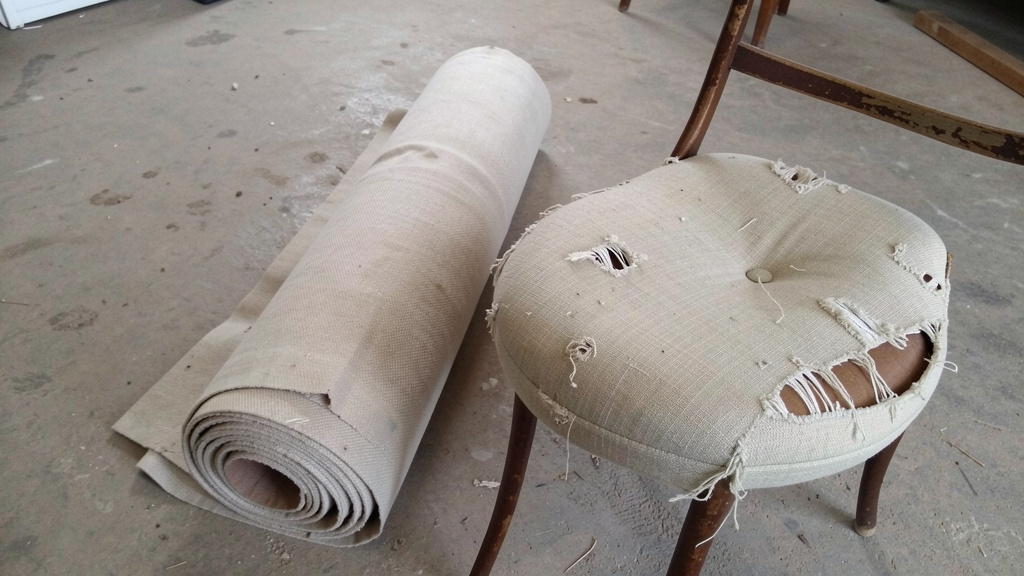
Practical Techniques for Thoughtful Restoration—From Targeted Repairs to Full Fabric Renewal
Upholstery represents a meaningful intersection of craftsmanship, resourcefulness, and care for the objects that shape our living spaces. Whether addressing a small seam separation on a well-loved reading chair or thoughtfully renewing the fabric on a solid-wood frame passed through generations, this guide offers clear, actionable pathways grounded in structural awareness and material understanding. We focus on diagnosing what a piece truly needs, selecting appropriate materials and methods for your context, and executing work with patience and precision—while honoring the integrity of the furniture and your own capabilities.
Introduction
Upholstery practices have evolved significantly over centuries—from hand-tied coil springs and natural fiber stuffing of earlier eras to modern high-resilience foams and performance textiles—yet the core principles remain consistent: structural soundness, thoughtful material selection, and respect for the object’s form and function. Engaging with upholstery today carries quiet significance beyond aesthetics. In a landscape of rapidly produced furnishings, choosing to repair or renew a well-constructed piece supports resource conservation, reduces waste, and cultivates a deeper connection to the items within our homes. This practice aligns with broader values of mindful consumption and stewardship.
The personal dimension matters deeply. There is genuine satisfaction in restoring comfort and beauty to a piece through your own hands—feeling the resilience of properly tensioned webbing, observing how light interacts with carefully folded fabric, knowing your effort extends the life of something meaningful. This guide meets you wherever you are: cautiously approaching your first visible tear, or building confidence to undertake more involved renewal projects. We emphasize foundational diagnostics, safety awareness, and adaptable techniques. Upholstery rewards attentiveness. It accommodates learning through doing. And it begins not with tools, but with observation.
The Repair or Renewal Decision Framework: Aligning Effort with Outcome
Before selecting fabric or gathering tools, thoughtful assessment prevents misdirected effort. This framework guides objective evaluation to determine whether targeted repair, full renewal, or professional consultation is most appropriate for your piece and goals.
Assess the Frame: The Structural Foundation
The frame is the skeleton. No surface treatment compensates for compromised structure. Conduct this inspection deliberately:
- Sturdiness Test: Place the piece on a level surface. Apply gentle, alternating pressure to arms, back, and seat. A sound frame remains stable with no creaking, shifting, or visible movement at joints. Any persistent wobble signals joint failure requiring attention before proceeding.
- Joint Inspection: Examine all connection points—corners, leg attachments, rail intersections:
- Tight Mortise-and-Tenon or Dowel Joints: Indicate quality construction. Minor looseness may be addressable with regluing and clamping.
- Visible Gaps or Separation: Suggest failed adhesive or wood damage. Requires disassembly and repair.
- Cracks Radiating from Joints: Represent critical failure. Do not proceed with upholstery work without woodworking assessment.
- Material Identification:
- Hardwoods (Oak, Maple, Ash, Walnut): Visible dense grain on unfinished edges. Ideal candidates—hold fasteners securely and withstand repeated tension.
- Softwoods (Pine, Fir): Lighter weight, possible resin pockets. Acceptable if joints are sound; requires careful fastening to avoid splitting.
- Engineered Woods (Particleboard, MDF, Plywood): Uniform fibrous texture, often veneered. Particleboard/MDF swells with moisture, crumbles under fastener pressure, and rarely survives disassembly intact. Plywood with solid hardwood edges may be viable. When uncertain, gently press a fingernail into an inconspicuous area—significant indentation suggests low density.
Why this step matters: Investing significant time in surface work on an unstable frame yields a visually improved piece that fails under use. Structural integrity is the essential prerequisite. If the frame shows critical issues, consult a furniture restorer. Many offer affordable assessments. For pieces with sentimental value, professional restoration may be justified; for budget furniture with compromised engineered frames, replacement may be the more practical path.
Evaluate the Support System: Comfort and Longevity
Beneath the fabric lies a layered support structure. Its condition directly impacts comfort and durability.
- Springs (If Present):
- Coil Springs: Sit gently. Does the seat feel evenly supportive? Peek underneath (after removing dust cloth). Look for broken coils, detached twine ties, or rust. Listen for metallic pinging. Re-tying coils is an advanced skill; replacement kits exist for determined DIYers.
- Sinuous (Zigzag) Springs: Press along the seat edge. Sagging suggests broken clips or detached springs. Clips are inexpensive and replaceable; detached springs require re-securing with heavy-duty fasteners.
- Webbing: Found under seats and sometimes backs. Made of jute (natural fiber) or polyester. Check for:
- Stretching: Creates a hammock effect. Webbing should feel drum-tight when plucked.
- Tears or Dry Rot: Brittle, frayed edges indicate failure. Jute deteriorates with age and humidity; polyester offers greater longevity but can snap under tension.
- Detachment: Staples pulled loose from the frame—common in high-use areas.
- Padding & Batting:
- Foam: Press firmly. Does it rebound within a few seconds? Permanent indentations (“body impressions”) indicate collapsed cell structure. Crumbling edges signal end of life. Note thickness—standard seat foam ranges from 2–4 inches (5–10 cm).
- Batting: The layer over foam/springs. Should appear smooth, resilient, and relatively clean. Yellowed, matted, or thin batting fails to cushion fabric from underlying hardware, potentially causing premature wear or visible fastener lines.
Diagnostic Insight: Consider a mid-century armchair with faded fabric but solid frame. Upon inspection, the jute webbing is stretched and the foam is brittle. Verdict: Frame integrity supports renewal; replacing the webbing, foam, and batting will yield significantly improved comfort and longevity. Contrast with a sturdy oak dining chair where only the seat fabric has a small tear near the edge and all underlying layers remain intact. Verdict: Targeted repair preserves the piece’s history efficiently and avoids unnecessary work.
Clarify Your Intent: Purpose, Resources, and Realistic Scope
Honest self-assessment prevents frustration and supports project success.
- Functional Need: Is the piece unsafe (sagging, unstable) or primarily cosmetically worn? Safety or comfort issues necessitate attention to the support system. Cosmetic wear may only require fabric refreshment.
- Aesthetic Goal: Do you wish to preserve the current look with minimal intervention, or envision a complete style transformation? Renewal unlocks full aesthetic change; repair honors existing design.
- Resource Consideration:
- Time: Simple tear repair: typically under an hour. Dining chair renewal: often requires several hours. Larger pieces demand proportionally more time. Be realistic about your availability and energy.
- Budget: Repair materials (thread, patch fabric): modest investment. Full renewal (fabric, foam, webbing, batting): varies widely based on fabric choice and piece size. Plan accordingly.
- Skill Level: Begin with a manageable project. Successfully completing a dining chair seat builds foundational skills and confidence for more complex forms. Each project develops muscle memory and judgment.
Guiding Principle: Repair is well-suited when damage is localized and the support system remains sound. Renewal is appropriate when fabric is extensively compromised, aesthetic change is desired, or the support system requires rebuilding—and the frame justifies the investment. This distinction centers on aligning effort with the piece’s condition and your personal goals, not on perceived difficulty.
Decision Pathway (Text-Based)
Follow this sequence thoughtfully:
- Frame Integrity Check:
→ Shows significant failure (wobble, cracks, particleboard damage)? Pause. Seek assessment from a furniture restorer or evaluate replacement.
→ Sound and stable? Proceed to Step 2. - Support System Assessment:
→ Shows failure (sagging webbing, broken springs, degraded foam)? Plan renewal including support system replacement. If spring/webbing work feels beyond current skill, professional assistance for this phase is a valid option.
→ Intact and functional? Proceed to Step 3. - Fabric Condition Evaluation:
→ Minor damage (small tear under 4 inches, loose seam, isolated stain)? Targeted repair is often the most efficient path.
→ Extensive damage (multiple tears, severe fading, widespread stains, thinning fabric)? Renewal is generally justified. - Goal Alignment:
→ Desire significant style change? Renewal.
→ Satisfied with current appearance, addressing only damage? Reassess Step 3. If damage is minor, repair remains optimal. If fabric is worn but intact and style change isn’t needed, a slipcover offers a reversible alternative worth considering.
This structured approach transforms emotional attachment into a clear, actionable plan grounded in the furniture’s physical reality. Carrying this diagnostic mindset forward supports thoughtful decision-making on all future projects.
Essential Tools and Materials: Building a Purposeful Toolkit
Professional results stem from appropriate tool selection, not workshop size. Strategic choices prevent frustration, support safety, and enable clean execution. We categorize by function, explain purpose, and offer adaptable options.
Core Hand Tools: Foundational Items
These form the essential starting point. Quality here supports reliability and safety.
- Staple Gun (Manual): Primary fastening tool for attaching fabric and batting.
- Key Considerations: Should accept 1/4″ (6mm) to 1/2″ (12mm) staples. Look for “upholstery staple gun” or “heavy-duty” models from reputable brands.
- Purpose: Staples must penetrate frame material sufficiently to hold securely without protruding. A reliable mechanism drives staples straight.
- Technique: Hold perpendicular to the surface. Apply smooth, firm pressure. Test on scrap wood first.
- Note: Light-duty or office staplers lack necessary driving force, often causing bent staples or insecure holds.
-
Adaptable Path: Tool libraries or hardware stores may offer quality guns for rent—ideal for initial projects before investing.
-
Staple Remover / Flathead Screwdriver: For safe, efficient removal of existing fasteners during disassembly.
- Purpose: Dedicated removers (e.g., “Staple Lifter”) slide under staple crowns to lever them upward cleanly, preserving old fabric for templates and reducing injury risk.
- Technique: Slide tip under crown near the wood. Apply steady upward pressure. Place removed staples in a dedicated container.
-
Alternative: A sturdy flathead screwdriver can function in a pinch; exercise caution to avoid slipping.
-
Sharp Fabric Scissors: Dedicated solely to fabric cutting.
- Key Considerations: 8–10 inch forged steel blades from trusted brands.
- Purpose: Dull scissors crush fibers, create frayed edges, and increase hand fatigue. Precision cutting directly impacts final appearance.
- Care: Never cut paper, thread, or packaging with them. Wipe blades clean after use. Store in a protective sheath. Sharpen periodically.
-
Indicator: If cutting feels gritty or fabric snags, blades likely need sharpening.
-
Upholstery Needles and Thread: For hand-sewing seams, closures, or button attachment.
- Needles: Curved upholstery needles (sizes 14–18) navigate thick layers effectively.
- Thread: Bonded polyester or nylon upholstery thread (size 69 or heavier). Standard sewing thread lacks necessary strength for seating stress and may fail prematurely.
- Note: While heavy-duty unwaxed dental floss has been mentioned anecdotally for very temporary emergency seam stabilization, it lacks UV resistance and long-term durability. Proper thread is strongly recommended for all permanent work.
Measuring, Cutting, and Precision Aids
These support accuracy, especially during renewal projects.
- Rotary Cutter, Self-Healing Mat, Acrylic Ruler:
- Purpose: Enables straight, smooth cuts on fabric and foam with reduced hand strain compared to scissors for large pieces.
- Key Considerations: 45mm rotary blade (replace when cutting feels rough), appropriately sized mat and ruler with non-slip features.
- Safety: Always cut away from your body. Retract blade immediately after use. Replace blades regularly—dull blades require more force and increase slip risk.
-
Adaptable Path: Sharp fabric scissors suffice for smaller projects. For foam, an electric carving knife (with clean blade) often yields smoother edges than a utility knife.
-
Flexible Measuring Tape:
- Purpose: Furniture has curves; a flexible tape follows contours accurately. Measure over existing upholstery to account for padding thickness when creating templates.
-
Tip: Mark measurements directly on old fabric pieces with chalk before removal—they become invaluable templates.
-
Seam Ripper:
- Purpose: Precisely opens seams without damaging surrounding fabric during repairs. Choose one with a fine point and protective ball tip.
- Technique: Insert tip under thread stitch, push gently upward to slice thread. Work slowly. Saved thread may provide a perfect color match for resewing.
Specialty Tools: Contextual Investments
- Webbing Stretcher: Metal tool with jaws and lever arm for tensioning webbing.
- Purpose: Achieves consistent, professional-grade tension difficult to attain by hand alone. Proper tension prevents premature sagging.
- Adaptable Path: For occasional use on low-stress pieces, having a helper pull webbing taut while stapling is possible, though results may be less consistent. For daily-use seating, the stretcher ($20–$40) is a worthwhile investment for reliability.
-
Technique: Staple one end securely. Clamp stretcher jaws onto free end. Pull lever until webbing produces a clear “twang” when plucked. Staple immediately. Repeat every 1.5–2 inches (4–5 cm).
-
Rubber Mallet:
- Purpose: Gently seats proud staples flush; assists with frame alignment during reassembly; shapes foam without cutting.
- Why rubber? Minimizes risk of marring wood or damaging fabric compared to metal hammers.
-
Alternative: A standard hammer wrapped securely in thick cloth can function temporarily.
-
High-Temperature Glue Gun:
- Purpose: Securing foam to bases, temporarily holding batting edges, attaching decorative trim.
- Important Note: Use sparingly. Excess glue can seep through fabric, create stiff spots, and is difficult to remove later. Apply small dots only where needed.
- Safety: Work in a well-ventilated area. Keep glue sticks organized—low-temp sticks may not bond effectively to foam.
Materials Deep Dive: Fabric, Padding, and Support Systems
Thoughtful material selection significantly influences longevity, comfort, and visual outcome.
Fabric Selection: Performance and Practicality
Fabric choice involves balancing aesthetics with functional needs.
- Fiber Content Considerations:
- Polyester / Performance Blends: Offer durability, fade resistance, and often built-in stain resistance. Generally affordable and suitable for high-traffic areas or homes with children/pets. Look for brands like Crypton Home, Revolution, or Sunbrella Indoor for enhanced performance.
- Cotton / Linen: Provide natural breathability and beautiful drape. More susceptible to fading in direct sunlight, staining, and wrinkling. Best suited for low-traffic accent pieces or formal settings. Pre-washing (if care instructions allow) helps prevent future shrinkage. Fabric protector spray applied after installation is advisable.
- Microfiber (Polyester): Soft hand feel with good stain resistance when tightly woven. Quality varies—rub a sample vigorously; if fibers pill easily, select a higher-grade option. Look for high abrasion test ratings.
- Velvet (Cotton, Polyester, or Blend): Creates luxurious depth. Has a “nap” (direction fibers lay). All pattern pieces must be cut with nap running consistently (typically top to bottom) for uniform color appearance. Shows wear patterns; requires gentle vacuuming. Ideal for lower-traffic settings.
-
Leather / Faux Leather: Extremely durable but challenging for initial projects. Requires specific needles, adhesives, and techniques to avoid cracking. Faux leather (vinyl) is less breathable. Genuine leather develops a patina over time but requires periodic conditioning. Not generally recommended for first renewal projects.
-
Durability Indicators:
- Double Rub Count (Wyzenbeek Test): Measures abrasion resistance. Reputable fabric retailers often provide this:
- Light Duty (Decorative Chairs): 9,000–15,000 double rubs
- Medium Duty (Living Room Seating): 15,000–25,000 double rubs
- Heavy Duty (Family Rooms, Daily Use): 25,000+ double rubs
- Guidance: For seating surfaces, selecting fabric rated at least 15,000 double rubs is generally advisable for DIY renewal projects. When unavailable, inquire with the supplier.
-
Weight: Upholstery-weight fabric is typically 12+ ounces per square yard. Lighter-weight fabrics (e.g., quilting cotton under 8 oz) may lack durability at stress points.
-
Pattern and Layout Factors:
- Large Patterns (Florals, Geometrics): Require additional fabric (often 15–25% more) for matching motifs at seams and corners. Budget accordingly.
- Stripes: Demand precise matching at every seam. Very challenging for beginners. Starting with solids, small-scale patterns, or textured weaves is often more manageable.
-
Napped Fabrics (Velvet, Corduroy): Consistent nap direction is essential. Layout templates carefully on the fabric’s wrong side to ensure uniform appearance.
-
Fabric Quantity Guidance:
- Best Practice: Use removed old fabric pieces as templates. Lay them on new fabric (wrong side up) to calculate exact yardage needs.
- General Estimates (for 54-inch wide fabric, approximate only):
- Dining Chair Seat: ~¾ – 1 yard
- Standard Armchair: ~5 – 7 yards
- Loveseat: ~10 – 14 yards
- Standard Sofa (approx. 84″): ~14 – 18 yards
- Important: Always add 15% extra for errors, pattern matching, and potential future repairs. Dye lots can vary; matching fabric later is often difficult.
Padding and Support Materials
- Foam: Understanding Density and Firmness
- Density (lbs per cubic foot): Indicates durability and longevity, not firmness. Higher density generally resists permanent compression longer.
- Low Density (<1.5 lbs): Suitable for decorative pillows only.
- Medium Density (1.5–1.8 lbs): Appropriate for back cushions or low-use seating.
- High Density (1.8–2.5+ lbs): Recommended for seat cushions where support and longevity are priorities.
- ILD (Indentation Load Deflection): Measures firmness. Higher number = firmer feel.
- Soft (15–25 ILD): Back cushions, decorative pillows
- Medium (25–35 ILD): General seating comfort
- Firm (35–50+ ILD): Supportive seating needs
-
Replacement Tip: Trace old foam pieces onto new foam. Cut with an electric knife or sharp utility knife on a stable surface. Lightly sand rough edges with fine-grit sandpaper. Avoid stretching foam to fit.
-
Batting: The Essential Smoothing Layer
- Purpose: Creates a smooth transition between padding/springs and fabric; prevents “show-through” of staples or hardware; adds subtle plushness; protects fabric from abrasion.
- Types: Polyester (common, resilient), Cotton (traditional, breathable but compresses faster), Wool (premium, temperature-regulating).
- Weight: 1–2 ounces per square yard is standard. Two layers may be used over coil springs for enhanced smoothness.
-
Application: Cut generously. Staple to frame first, pulling taut but not stretched. Fold corners neatly. Trim excess after fabric attachment.
-
Webbing: Seat Support Foundation
- Jute: Traditional, breathable. More prone to stretching over time, particularly in humid environments. Requires stretcher for proper tension.
- Polyester: Stronger, moisture-resistant, minimal stretch. Generally preferred for durability in modern contexts.
- Width: 2.5–3 inches (6–7.5 cm) standard for seats. Narrower (1.5″) for light-duty backs.
- Installation: Weave in a grid pattern—front-to-back strands first, then side-to-side woven over/under. Staple every 1.5–2 inches. Proper tension produces a clear “twang” when plucked.
Adhesives and Fasteners
- Spray Adhesive (High-Tack): For bonding foam to bases or attaching batting. Use in well-ventilated area. Apply light, even coat to both surfaces. Wait until tacky (typically 30–60 seconds) before joining. Avoid excess.
- Staples: Galvanized or stainless steel recommended to resist corrosion. Crown width must match your gun. Keep multiple lengths:
- 1/4″ (6mm): Delicate areas, thin frames, dust cloth
- 3/8″ (10mm): General fabric-to-frame attachment
- 1/2″ (12mm): Hardwood frames, webbing ends, heavy-duty applications
- Tack Strips: Thin wood strips with pre-installed tacks. Used in traditional upholstery methods (especially antiques) where fabric is secured over the strip. Requires specific technique.
Toolkit Summary by Project Scope
| Project Type | Essential Tools | Critical Materials | Time Consideration |
|---|---|---|---|
| Simple Repair (tear, seam) | Sharp scissors, seam ripper, upholstery needle/thread, iron | Matching thread, patch fabric (if needed) | Typically under 1 hour |
| Cushion Renewal | Staple gun, staples (3/8″), scissors, measuring tape, spray adhesive | New foam (appropriate density), batting, fabric | Several hours |
| Dining Chair Renewal | All above + staple remover, webbing stretcher (if replacing), rubber mallet | Webbing (if needed), high-density foam, batting, fabric, dust cloth | Several hours; varies by complexity |
| Armchair Renewal | All chair tools + curved needles, button kit (if tufted) | Springs/webbing repair kit (if needed), foam, batting, fabric, buttons | Significant time investment; plan in stages |
| Sofa/Loveseat Renewal | All above + helper highly recommended | Substantial fabric, multiple foam pieces, webbing/springs kit, batting | Major project; often completed over multiple sessions |
Building your toolkit incrementally is practical. Start with core tools for your initial project. Add specialty items as future projects warrant. Well-maintained tools serve reliably for years. Store tools clean and organized; a cared-for staple gun remains functional through many projects.
Preparing Your Workspace and Furniture: Setting the Stage for Success
Thoughtful preparation cultivates focus, supports safety, and prevents common errors. This phase establishes conditions for careful, intentional work.
Designing Your Workspace
- Space Requirements: Clear an area at least twice the footprint of your furniture piece. A dining chair needs modest space; a sofa requires significant floor area. Garages, basements, or spare rooms with hard, non-carpeted floors (concrete, tile, vinyl) are ideal for easy cleanup and staple safety. Avoid carpeted areas where staples and fibers become trapped.
- Lighting: Critical for detail work and accurate color assessment. Use layered lighting: overhead ambient light plus an adjustable task lamp with a daylight-spectrum LED bulb (around 5000K). Natural north-facing light provides excellent true-color evaluation when available.
- Ventilation: Essential when using spray adhesives, fabric protectors, or when disturbing old batting/dust. Open windows, use fans exhausting outward, or work near an open garage door. Prioritize airflow.
- Organization System: Prepare labeled containers before starting:
- Container 1: Removed hardware (screws, bolts)—label with piece name/location.
- Container 2: Removed fabric pieces—keep intact, label clearly (e.g., “Seat Top,” “Left Arm Front”).
- Container 3: Tools in active use.
- Container 4: New materials and scraps.
- Magnet Tray: Place nearby to instantly capture stray staples—prevents injuries and lost fasteners.
Why preparation matters: Upholstery involves numerous small components and sequential steps. Organization reduces errors like misplacing critical hardware, damaging template fabric, or using incorrect fasteners. A calm, orderly workspace supports patient, precise work.
The Art of Disassembly: Learning Through Removal
Removing old upholstery is investigative, not destructive. The goal is to understand the piece’s construction to inform renewal. Patience here saves significant time later.
Step-by-Step Disassembly Protocol
- Document Before Disturbing:
- Take clear photographs from multiple angles: overall views, close-ups of seams, corners, attachment points, and the underside.
- Note fabric grain direction, pattern alignment, and corner folding techniques. These images become your reassembly guide.
-
Insight: Original construction often contains valuable clues about sequence and technique.
-
Remove Detachable Elements First:
- Cushions, pillows, or bolted arms. Label each with painter’s tape (e.g., “Left Seat Cushion”). Place hardware in Container 1.
-
Why: Reduces bulk, improves access to the main frame, and prevents losing small parts.
-
Begin at the Underside (Dust Cloth):
- Turn the piece carefully (use helpers for heavy items; pad the floor).
- Locate and remove the dust cloth—a panel of inexpensive fabric (muslin, cambric) covering the bottom. Remove it carefully.
-
Why start here? Reveals the internal structure: spring arrangement, webbing pattern, frame condition, and fabric attachment method. This is your structural blueprint.
-
Systematic Fabric Removal:
- Work in reverse of assembly order: typically back panel first, then sides, arms, seat last.
- Use a staple remover to extract fasteners slowly. Place removed staples directly into the magnet tray.
- As each fabric section is freed, lay it flat. Label immediately with chalk or tape: “Back Panel Top,” “Right Arm Outer.”
-
Critical: Preserve fabric pieces intact whenever possible. They serve as cutting templates. If a piece is torn, trace its shape onto butcher paper or lightweight cardboard, noting grain lines and key features.
-
Layer-by-Layer Documentation:
- After fabric removal, photograph the batting layer—note its placement and thickness. Remove carefully, observing how it was folded at edges.
- Next layer: padding (foam) or springs/webbing. Photograph arrangement. Note attachment methods (glue, staples, clips).
-
Technique: Sketch a simple diagram labeling layers: “Frame → Webbing → Foam → Batting → Fabric.” Prevents confusion during rebuild.
-
Final Frame Inspection:
- With all layers removed, conduct your frame assessment (from Decision Framework). Check for:
- Loose joints (wiggle test)
- Wood damage (cracks, insect evidence, rot)
- Rust on springs or hardware
- Splintered edges at attachment points
- Address issues now: Reglue loose joints (clamp securely, allow full drying time per adhesive instructions). Sand rough edges smooth. Vacuum thoroughly to remove dust and debris. For significant wood damage, consult a furniture restorer before proceeding.
Common Disassembly Pitfalls to Avoid:
– Rushing fabric removal: Risks tearing template pieces. Work patiently with the staple remover.
– Skipping documentation: Leads to uncertainty during reassembly (“How was this corner folded?”). Photos are invaluable.
– Ignoring layer sequence: Results in incorrect rebuild order. Your diagram prevents this.
– Proceeding with frame issues: Installing new materials on a compromised frame guarantees future failure. Address structural concerns first.
Disassembly is a learning process. It builds familiarity with your piece. You may discover maker’s marks or previous repair history. Approach this phase with curiosity. The understanding gained here directly supports a successful renewal and ensures your work is structurally sound.
Step-by-Step: Repairing Common Upholstery Damage
Targeted repairs preserve history, conserve resources, and build foundational skills. Each technique includes purpose, execution steps, and considerations for success.
Fixing a Small Tear or Hole (Under 4 Inches)
Scenario: A clean 2-inch tear on a chair armrest with minimal fraying.
Materials: Matching upholstery thread, curved upholstery needle (size 16), small sharp scissors, iron, damp cloth.
Purpose: The ladder stitch (slip stitch) joins fabric edges with minimal visibility by mimicking the fabric’s weave, distributing stress along the repair line without adding bulk.
Step-by-Step Execution:
1. Prepare the Area: Wipe gently with a slightly damp cloth. Allow to dry completely. Place a clean cloth under the tear (inside the cushion or frame) to prevent thread from catching on underlying layers.
2. Thread Preparation: Cut an 18-inch length of thread. Thread the needle, double the thread, and tie a secure knot at the end.
3. Anchor Stitch: Begin ½ inch before the tear starts. Insert the needle from the back (wrong side) of the fabric, emerging through a fold or inconspicuous area. Take a tiny stitch (⅛ inch) on one edge of the tear to anchor.
4. Ladder Stitch Technique:
– Insert the needle horizontally into the opposite edge of the tear, ⅛ inch from the edge.
– Bring the needle out directly across on the first edge.
– Repeat, creating small “rungs” across the tear. Gently pull the thread after every 2–3 stitches to close the gap smoothly. Avoid pulling tightly—fabric should lie flat without puckering.
5. Finishing: At the tear’s end, take two small backstitches to secure. Knot the thread on the wrong side. Trim excess close to the knot.
6. Blending (Optional): Place a damp cloth over the repair. Press briefly with a warm iron (check fabric care instructions first). Steam can help fibers relax and blend the mend.
Patch Variation for Holes or Frayed Edges:
– Cut a patch from matching fabric (or a hidden area like under a cushion) approximately 1 inch larger than the hole on all sides.
– Apply a minimal amount of fabric glue only to the very edge of the patch (avoid the center to prevent stiffness).
– Slide the patch under the hole from the wrong side. Press edges down gently.
– Secure the perimeter with the ladder stitch described above. The patch provides reinforcement; the stitch conceals the edge.
Key Considerations:
– Excess glue creates stiff, visible spots. Glue is an adhesive aid, not a filler.
– Over-tightening thread causes puckering and distorts fabric pattern. Aim for smooth alignment.
– The backing cloth prevents thread or glue from bonding to padding, preserving future repair options.
When executed carefully, this method can render a repair nearly undetectable from normal viewing distance, extending the piece’s usable life significantly.
Repairing a Loose or Split Seam
Scenario: A 6-inch separation along a seat cushion seam due to stress.
Materials: Seam ripper, matching thread, sewing machine (ideal) or needle for hand-sewing, iron.
Purpose: Re-sewing along the original stitch line reinforces the weakened area. Extending stitches beyond the split prevents stress concentration at the repair ends.
Step-by-Step Execution:
1. Access the Seam: If the cushion has a zipper or opening, remove the insert. If not, carefully open only the split section using a seam ripper. Work slowly to avoid cutting the fabric.
2. Press Open: Iron the seam allowance flat on the wrong side. This removes old creases and ensures accurate re-sewing.
3. Reinforce Stitching:
– Machine Method (Recommended): Set to straight stitch, length 2.5–3.0. Backstitch at the start. Sew precisely along the original needle holes. Extend stitching 1 inch beyond the split on both ends. Backstitch to secure.
– Hand Method: Use a backstitch for strength. Insert needle from back, take a small stitch forward, then bring needle up behind the first stitch. Repeat. This creates overlapping stitches resistant to pulling.
4. Reinforce High-Stress Seams: For seams under frequent stress (seat edges, arm joints), add a second row of stitching ⅛ inch parallel to the first. This “double-stitch” distributes load and enhances durability.
5. Reinsert and Close: Place the cushion insert back inside. Hand-sew the opening closed with a ladder stitch for an invisible finish. Press lightly if appropriate.
Helpful Tip: For high-stress seams, applying a narrow strip of seam tape (iron-on fusible web) to the wrong side of the seam before sewing adds invisible reinforcement without bulk.
Common Oversight: Only sewing the split section without extending beyond the ends. Stress concentrates at the termination points, often causing the split to reappear immediately adjacent to the repair.
Restuffing a Flat or Lumpy Cushion
Scenario: A back cushion has lost resilience, feels lumpy, and provides inadequate support.
Diagnosis: Compressed fiberfill, degraded foam core, or shifted batting.
Materials: New high-loft polyester fiberfill, replacement foam insert (if applicable), seam ripper, needle/thread, spray bottle with water (optional).
Step-by-Step Execution:
1. Open the Cushion: Use a seam ripper to carefully open the seam on the least visible side (usually back or bottom). Save removed thread if matching is needed.
2. Remove and Assess Fill: Extract all old material. Inspect any foam core—if crumbling, discolored, or permanently indented, replacement is advisable. Trace the old foam onto new high-density foam; cut with an electric knife.
3. Revive Fiberfill (If Salvageable and Clean):
– Place old fiberfill in a clean pillowcase.
– Tumble in a dryer on air fluff (no heat) with 2 clean tennis balls for 10–15 minutes. The balls help fluff the fibers.
– Caution: Only attempt this if the fill is clean and dry. Never use heat on synthetic fills unless care instructions permit.
4. Rebuild the Cushion:
– Foam-Core Cushions: Insert new foam. Fluff fresh fiberfill evenly around the core. Pack firmly but not densely—overstuffing strains seams.
– All-Fiberfill Cushions: Layer fill gradually. Start with a base layer, fluff thoroughly, add the next layer. Rotate the cushion while filling to ensure even distribution. Squeeze gently—fill should spring back resiliently.
– Technique: Combining standard fiberfill with a smaller proportion of “super-loft” or “cluster” fiberfill can enhance resilience.
5. Close Seam: Hand-sew the opening with a ladder stitch. Ensure no fill is caught in the seam.
6. Final Fluff: Vigorously shake and reshape the cushion. Placing it in a dryer on air fluff for 5 minutes with a damp washcloth (adds slight moisture to help fibers reset) can be beneficial. Remove immediately and reshape.
Adaptable Approach for Slightly Flat Cushions: For minor loss of loft without opening the seam, vigorously fluffing and rotating the cushion daily, or a brief air-fluff cycle with tennis balls, may provide temporary improvement. However, severely degraded material typically requires replacement for lasting results.
Why This Approach Works: Fresh fiberfill contains resilient crimped fibers that trap air effectively. Proper layering prevents clumping. The slight moisture technique (damp cloth in dryer) can help synthetic fibers relax and reset into a fluffier configuration.
Addressing Sagging Seat Support (Webbing Renewal)
Scenario: A dining chair seat sags noticeably in the center when used. Frame is solid.
Diagnosis: Stretched, torn, or detached jute or polyester webbing.
Materials: New webbing (polyester often preferred for durability), webbing stretcher, staple gun, ½” staples, rubber mallet, safety glasses.
Step-by-Step Execution:
1. Remove Old Webbing: Cut away deteriorated strands. Remove all staples cleanly. Vacuum the frame thoroughly.
2. Prepare Frame: Lightly sand attachment points to ensure good staple grip. Wipe away dust.
3. Install Front-to-Back Strands (Primary Support):
– Cut the first strand approximately 6 inches longer than the seat depth.
– Staple one end securely to the front rail, centered. Use 3–4 staples in a line.
– Stretch the webbing hand-tight across the seat to the back rail.
– Critical Step: Clamp the webbing stretcher jaws onto the free end. Pull the lever until the webbing is drum-tight (it should produce a clear “twang” when plucked). Maintain tension with the stretcher.
– While holding tension, staple the end securely to the back rail (3–4 staples). Release the stretcher.
– Repeat every 1.5–2 inches across the seat width. Strands should be parallel and evenly spaced.
4. Install Side-to-Side Strands (Weaving):
– Cut strands to span the seat width.
– Weave over and under the front-to-back strands. Start at one side rail.
– Stretch each strand taut with the stretcher before stapling to the opposite rail.
– This woven grid distributes weight evenly across the seat.
5. Test Rigorously: Press firmly in the center and all quadrants. The surface should feel firm with a slight, even give. No localized sagging.
6. Add Padding Layer: Staple a layer of batting over the completed webbing grid before adding foam or final fabric. This prevents fabric from sinking between strands and creates a smooth surface.
Why the Webbing Stretcher Matters: Achieving consistent, professional tension by hand alone is difficult. Under-tensioned webbing sags prematurely. The stretcher is a modest investment that significantly improves support longevity.
Important Note: For coil spring seats with broken springs or detached ties, re-tying is highly specialized. If springs are intact but loose, replacement clips can often secure them. If multiple springs are damaged, consulting a professional or considering a modern replacement approach (e.g., new plywood base with high-density foam and batting) may be the most practical path for a durable, comfortable result.
These repair techniques address frequent household upholstery concerns. Each successful repair builds practical understanding of furniture construction and reinforces careful technique. Begin with the smallest, most manageable issue. Acknowledge the accomplishment. This growing confidence supports progression to more involved projects.
Step-by-Step: Full Renewal Process—From Stripped Frame to Finished Piece
Full renewal is a deeply rewarding process that transforms both the furniture and the maker’s understanding. We use a standard side chair (like a Windsor or ladder-back) as a foundational example—it teaches core techniques applicable to armchairs, sofas, and ottomans. Patience and attention to sequence yield satisfying results.
Phase 1: Template Creation and Fabric Cutting—The Planning Phase
Skipping templates risks fabric waste and misaligned patterns. Treat this phase with care.
Step 1: Prepare Old Fabric Templates
– Lay all removed fabric pieces on a large, clean surface. Smooth wrinkles.
– For torn sections, trace the shape onto butcher paper or lightweight cardboard. Label clearly: “Seat Top,” “Back Panel Left,” “Arm Front.”
– Mark critical details with chalk or pencil:
– Grain line (arrow showing fabric direction)
– Pattern placement notes (“Stripe must run vertical here”)
– Staple lines (dotted line where fabric was attached)
– Seam locations
Step 2: Add Seam Allowances
– Upholstery requires generous allowance for wrapping and stapling. Add 1.5–2 inches (4–5 cm) to all edges.
– Why this matters: Insufficient allowance causes fabric to pull tight, distorting patterns or risking tears at staples. Excessive allowance creates bulky, messy folds.
– Use a ruler and fabric marker to draw the new cutting line. Double-check measurements.
Step 3: Fabric Layout and Cutting
– Spread new fabric face down on a clean, hard floor or large table. Smooth out wrinkles. Avoid cutting on carpet.
– Arrange templates to minimize waste. For patterned fabric:
– Align pattern motifs across adjacent pieces where visible (e.g., ensure a stripe continues seamlessly from seat front to side).
– Use painter’s tape to temporarily secure templates.
– Critical: All pieces must face the same direction relative to the fabric grain (essential for napped fabrics like velvet).
– Pin templates securely through the allowance area (avoid pinning where the final fabric surface will show).
– Cut with sharp scissors or rotary cutter:
– Scissors: Follow the template edge slowly, rotating the fabric—not the scissors.
– Rotary Cutter: Use a ruler for straight edges; freehand carefully for curves. Apply even pressure.
– Immediately label each cut piece with chalk: “SEAT TOP,” “BACK LEFT.” Place in a labeled container.
– Helpful Tip: Cut one extra scrap piece (6″x6″) for testing staples, adhesives, or cleaning methods later.
Common Template Considerations:
– Cutting fabric face-up risks marking the visible side. Working face-down minimizes this risk.
– Ignoring grain direction can cause uneven stretching during attachment, leading to wrinkles.
– Skipping allowance leads to stressed stapling and poor corner finishes.
Phase 2: Rebuilding the Support System—Foundations of Comfort
A renewed piece is only as good as its foundation. Rebuild layers in strict sequence: Frame → Webbing (if applicable) → Padding → Batting → Fabric. Each layer serves a distinct purpose.
Installing Webbing (If Applicable)
Follow the sagging seat repair steps precisely. For a dining chair seat:
– Install 4–5 front-to-back strands of polyester webbing.
– Weave 3–4 side-to-side strands.
– Test tension: Should support weight without sagging.
– Note: Some chairs use a solid plywood seat base. If so, ensure the plywood is sanded smooth and splinter-free before proceeding to padding.
Adding Padding: Foam Selection and Attachment
Foam Cutting Guidance:
1. Place the old foam piece (or template) on new high-density foam (1.8–2.2 lbs density recommended for seats). Trace the outline with a marker.
2. Cut with an electric carving knife (ideal) or sharp utility knife:
– Hold the knife perpendicular to the foam.
– Use a slow, sawing motion. Rushing causes jagged edges.
– For curves, make small relief cuts as needed.
3. Lightly sand rough edges with 120-grit sandpaper for smoothness.
4. Test fit on the frame. It should sit snugly without forcing.
Attachment Method:
– Clean the frame surface with a tack cloth.
– Apply a light, even coat of high-tack spray adhesive to both the frame surface and the foam bottom.
– Wait 30–60 seconds until the adhesive is tacky (not wet).
– Align the foam carefully. Press down firmly, starting from the center and working outward to eliminate air bubbles.
– Critical: Avoid sliding the foam after initial contact—adhesive sets quickly.
– Allow sufficient time for the bond to set (per adhesive instructions) before proceeding.
Alternative Padding Approaches:
– Traditional: Layer cotton batting directly over webbing for a softer, less defined seat profile. Requires skill to achieve even thickness.
– Hybrid: Glue 1″ high-density foam to a plywood base, then wrap the assembly in a thinner layer of softer foam. Offers a balance of support and comfort, common in modern reproductions.
Applying Batting: The Essential Smoothing Layer
Batting is highly recommended for professional results. It:
– Prevents fabric from catching on staple crowns or foam seams
– Softens edges for comfortable use
– Creates a uniform surface that conceals underlying imperfections
– Adds subtle plushness
Step-by-Step Application:
1. Cut the batting piece 4–6 inches (10–15 cm) larger than the padded area on all sides.
2. Center the batting over the foam/webbing. Smooth out wrinkles with your hands.
3. Stapling Sequence (Key to Smoothness):
– Start at the center of the longest side. Pull the batting taut (not stretched) and staple once.
– Move to the opposite side. Pull evenly and staple the center.
– Repeat for the remaining two sides. This centers the batting.
– Work outward from the centers, adding staples every 2 inches (5 cm). Maintain consistent, gentle tension.
4. Corner Folding Technique:
– At each corner, gather the excess batting.
– Fold neatly into a “hospital corner” (similar to making a bed): Create a crisp diagonal fold, then fold the flap flat against the edge.
– Staple securely. Trim excess close to the staples.
5. Repeat this process for each section (seat, back, arms) before attaching the final fabric.
Why batting first? Attaching fabric directly to foam or webbing often results in visible staple lines, rough edges, and accelerated wear at stress points. Batting provides a crucial smoothing and protective layer.
Phase 3: Attaching the Final Fabric—Precision and Patience
This phase demands methodical work. Rushing invites wrinkles, misaligned patterns, and frustration. Proceed deliberately.
Step 1: Dry Fit and Pattern Alignment
– Place fabric pieces face down over the batting-covered sections.
– Check alignment carefully:
– Stripes should run vertically on seat fronts and chair backs.
– Large motifs should be centered on prominent panels.
– Grain lines should follow the furniture’s contours (e.g., run parallel to the seat edge).
– Adjust until satisfied. Pin temporarily if helpful. Take a reference photo.
Step 2: Stapling Sequence—The Center-Out Principle
Always work from center to edges, opposite sides first. This promotes even tension and minimizes wrinkles.
For Seat Panel:
1. Position the fabric face down over the seat. Center carefully.
2. Pull the fabric taut across the front edge. Staple once at the exact center.
3. Move to the back edge. Pull the fabric evenly (matching the front tension). Staple once at the center.
4. Move to the left edge. Pull evenly. Staple once at the center.
5. Move to the right edge. Pull evenly. Staple once at the center.
→ The fabric is now centered with four anchor staples.
6. Return to the front edge. Add staples every 1–1.5 inches (2.5–4 cm), working from center toward the corners. Maintain consistent, gentle tension—fabric should be smooth, not drum-tight.
7. Repeat for the back, left, and right edges.
Tension Guidance: Fabric should lie flat without wrinkles, but never distort the weave or pull patterns out of alignment. If puckering occurs, remove staples and re-pull with adjusted tension.
Step 3: Mastering Corners—Defining the Finish
Corner treatment significantly impacts the final appearance. Two primary techniques:
- Hospital Corner (for Square Edges like Dining Chairs):
- After stapling the main sides, excess fabric will gather at the corners.
- Fold the bottom flap up tightly against the frame edge.
- Fold the side flap over the bottom flap, creating a neat diagonal crease.
- Pull the top layer smooth and staple securely along the edge.
- Trim excess fabric, leaving approximately 1 inch (2.5 cm) beyond the staples to prevent unraveling.
-
Practice Tip: Practice this fold on scrap fabric and batting before working on your project piece. Visual tutorials online can be very helpful.
-
Rolled Edge (for Curved Arms or Rounded Profiles):
- Pull the fabric smoothly over the curved edge.
- Instead of a sharp fold, roll the fabric edge over the frame edge, creating a soft, padded lip.
- Staple from the top surface and bottom surface toward the center of the roll.
- This technique conceals raw edges and creates a tailored, comfortable finish. Essential for rolled arms on sofas or club chairs.
Pattern Matching at Corners:
– For striped or directional fabrics, take extra time before securing the final corner staples.
– Adjust the fabric slightly to ensure the pattern continues as seamlessly as possible around the corner.
– It may require removing a few staples to shift alignment—this attention to detail is worthwhile.
– Perspective: A well-matched pattern at a visible corner elevates the entire piece’s appearance.
Step 4: Final Inspection and Cleanup
– Run your hands over the entire surface. Feel for wrinkles, loose spots, or protruding staples.
– Remove and re-staple any problematic areas.
– Use a rubber mallet to gently tap any staples sitting above the wood surface flush.
– Trim all excess fabric, leaving a clean margin beyond the staples.
– Vacuum gently to remove fabric fibers and dust.
Phase 4: Finishing Touches—Completing the Piece
Attaching the Dust Cloth:
– Cut inexpensive black cambric or muslin to cover the entire underside.
– Staple neatly around the perimeter, starting at centers and working outward.
– Purpose: Conceals staples, batting, and hardware; reduces dust accumulation; provides a professional finish visible when the piece is moved.
– Detail: Folding the edges under before stapling creates a cleaner hem.
Reassembly:
– Reattach the seat to the frame with original screws (replace stripped screws). Ensure a secure fit.
– Reinstall any arms, backs, or cushions removed during disassembly.
– Tighten all hardware securely.
Final Cleaning and Protection:
– Vacuum the entire piece with an upholstery attachment.
– For fabric: Follow the manufacturer’s cleaning code (W, S, WS, X).
– Apply fabric protector spray (e.g., Scotchgard) in a well-ventilated area. Hold the can 6 inches away. Apply a light, even coat. Allow to dry completely before use. Always test spray on a scrap fabric piece first.
– For exposed wood frames: Clean with an appropriate wood cleaner; apply paste wax if desired for protection and luster.
Adapting the Process for Different Furniture Types
- Armchairs:
- Work in logical sections: seat deck first, then back panel, then arms.
- Arms present challenges—pull fabric smoothly over curves. Use adequate staples on arm fronts to prevent slipping.
- For rolled arms: Master the rolled edge technique. Batting is crucial here for smoothness.
-
Tip: Completing one entire side (arm + side panel) before moving to the other aids symmetry.
-
Sofas and Loveseats:
- A helper is highly recommended. Large pieces require two people for fabric alignment and maintaining even tension.
- Work section by section: seat deck → back deck → arms → cushions.
- For attached back cushions: Rebuild padding before covering with fabric. Ensure even thickness.
- For loose cushions: Renew each cushion individually using the cushion renewal steps. Label them during disassembly to ensure correct reinsertion.
-
Critical: Maintain consistent staple spacing and tension across the entire piece for a uniform appearance.
-
Ottomans and Benches:
- Often simpler due to rectangular shapes. Focus on crisp, sharp corners using the hospital corner technique.
- If skirted: Attach the main fabric first. Then sew skirt panels (with pleats or gathers) and attach separately to the bottom edge using tacks or hidden staples.
-
For storage ottomans: Ensure fabric allowance doesn’t interfere with lid operation. Leave extra ease at hinge points.
-
Antique Pieces with Tack Strips:
- Instead of stapling directly to the frame, staple the fabric to pre-installed tack strips.
- Pull the fabric taut over the strip, then fold the edge under and staple to the strip.
- Creates a clean, traditional finish and helps protect antique wood from additional staple holes.
Full renewal is a journey of incremental progress. Schedule breaks. Step back frequently to view your work from a distance. Acknowledge small achievements—a neatly folded corner, a smoothly tensioned panel. The transformation unfolding through your careful attention is meaningful. When the final staple is set, you have not merely covered furniture; you have invested care, skill, and intention into an object designed to serve and bring comfort for years to come.
Advanced Considerations and Problem-Solving: Navigating Nuanced Situations
Even careful planning encounters unexpected details. This section offers perspective on nuanced scenarios, framing challenges as opportunities to deepen understanding.
Working with Challenging Fabrics
Different fabrics require tailored handling. Anticipating challenges supports better outcomes.
- Slippery Fabrics (Satin, Silk, Some Microfibers):
- Challenge: Fabric shifts during positioning, causing wrinkles or misalignment.
- Approach:
- Spray a light coat of temporary fabric adhesive (like 505 Spray) on the batting before placing the fabric. Allow to dry until tacky (approx. 30 seconds).
- Position the fabric carefully—the adhesive provides temporary hold.
- Work in small sections (6–8 inches at a time). Staple immediately after positioning.
- Use slightly closer staple spacing (every ¾ inch) for security.
- Critical: Test any adhesive on a scrap fabric piece first. Some delicate fabrics may be sensitive.
-
Alternative: A piece of non-slip shelf liner placed between batting and fabric during dry fit (removed before stapling) can provide temporary grip.
-
Stretchy or Knit Fabrics (Velvet, Some Performance Knits):
- Challenge: Over-stretching distorts the weave, causes “smiling” (fabric pulling upward at staples), or creates permanent wrinkles.
-
Technique:
- Pull fabric only until smooth—never tight. Imagine smoothing a bedsheet.
- Use T-pins to temporarily secure fabric at key points before stapling. Remove pins as you staple.
- For velvet: Always work with the nap (direction the fibers lay). Stroke the fabric with your hand—the smooth direction is “down.” All pattern pieces must face the same direction. Staple from top to bottom to avoid crushing the nap.
- After stapling, gently brush the nap with a soft-bristled upholstery brush to restore uniform appearance.
-
Thick or Textured Fabrics (Wool Tweed, Tapestry, Bouclé):
- Challenge: Staple guns may struggle to penetrate multiple thick layers; staples can bend or fail to grip.
- Approaches:
- Use longer staples (½ inch) and ensure the staple gun is robust.
- For very dense hardwood frames, minimal pre-drilling of tiny pilot holes (1/16 inch bit) only at critical staple points may be considered to prevent splitting—use sparingly.
- Apply firm, confident pressure when firing the staple gun. Hesitation can cause bending.
- For extreme thickness, a pneumatic (air-powered) staple gun—often available for rent—provides greater driving force.
- Safety: Wear safety glasses; bent staples can deflect.
Button Tufting: Adding Dimension and Structure
Tufting introduces elegant detail and can enhance structural support by pulling fabric taut over padding. Common on headboards, sofas, and armchairs.
Materials: Upholstery buttons (cover with your fabric), long curved needle (size 14), heavy-duty button twine or doubled polyester thread, drill with 3/16″ bit, staple gun, pliers.
Step-by-Step Tufting Process:
1. Plan Placement:
– Create a paper template with evenly spaced dots (e.g., 6″ apart in a diamond pattern).
– Tape the template to the wrong side of the fabric before attaching it to the frame. Mark dots with chalk.
– Critical: Ensure the pattern is symmetrical. Measure meticulously from multiple reference points.
- Drill Guide Holes:
- From the back of the frame (after padding/batting are attached but before final fabric), drill small holes at each marked point.
- Holes must align precisely with the chalk marks on the fabric.
-
Why from back? Prevents visible drill marks on the front surface and guides the needle accurately.
-
Cover Buttons (If Not Pre-Covered):
-
Place a fabric scrap over the button cover kit. Snap shut per kit instructions. Ensure fabric grain/pattern aligns consistently across all buttons.
-
Thread and Attach:
- Thread the curved needle with approximately 24″ of doubled twine. Knot the end securely.
- Position the fabric over the frame. Align chalk marks with drilled holes.
- Push the needle through the fabric and frame hole from front to back.
- Attach the button to the thread end (most kits have a loop; thread through and knot securely).
- Pull the thread firmly from the back until the button creates a clean, consistent dimple in the fabric. Avoid pulling so tight that it distorts the surrounding fabric.
- Secure the thread tightly to the frame’s internal bracing: Wrap around a staple or wood brace 3–4 times, then staple the thread bundle down securely. Trim excess.
-
Tip: Work systematically—complete one row before moving to the next—to maintain even tension across all buttons.
-
Enhancing the Dimple (Optional):
- For a more pronounced dimple (as seen on Chesterfield styles), add a small circle of extra batting behind each button point before attaching the fabric. Position over the drill holes and staple lightly in place. This creates a cushioned “well” for the button.
Common Tufting Considerations:
– Uneven button depth often stems from inconsistent pulling tension. Using a consistent technique and periodically checking dimple depth helps.
– Visible thread on the front usually means the thread wasn’t pulled tightly enough before securing. Ensure a clean dimple forms.
– Skipping the paper template frequently leads to misaligned buttons. Precision in marking is essential.
Renewing Antique or Historically Significant Pieces
Antique furniture (generally pre-1950s) warrants special consideration. The goal shifts toward preservation and respect for original craftsmanship.
- Material Sensitivity:
- Traditional Materials: Horsehair, curled hair, cotton batting, jute webbing, hand-tied coils were commonly used.
- When Authenticity Matters: For pieces with documented provenance or significant historical value, sourcing period-appropriate materials from specialty suppliers and consulting a professional conservator is strongly advised.
-
Practical Approach: For family heirlooms valued for sentiment rather than museum significance, using high-quality modern equivalents (e.g., polyester batting instead of cotton) is often acceptable, provided structural integrity is maintained and changes are reversible. Prioritize the piece’s long-term stability.
-
Reversible Techniques:
- Avoid permanent alterations to the original frame whenever possible.
- Where feasible, use hand-tacking with brass tacks instead of staples (requires a tack hammer).
- If replacing springs or major components, document the original configuration thoroughly through notes and photographs for future reference.
-
Guiding Principle: Strive for changes that could be reversed by a future conservator without damaging the original structure.
-
When to Seek Professional Guidance:
- The piece has documented historical significance or high monetary value.
- The frame shows extensive damage (significant woodworm, major cracks, missing sections).
- Original upholstery features unique historical techniques (e.g., eight-way hand-tied springs).
- You feel uncertain about proceeding. A consultation fee is a prudent investment to avoid irreversible damage.
Troubleshooting Guide: Addressing Common Challenges
| Issue | Likely Cause | Step-by-Step Consideration |
|---|---|---|
| Wrinkles or Puckering After Stapling | Uneven tension during stapling; fabric stretched too tightly in one area | 1. Remove staples in the affected section. 2. Re-pull the fabric with even, gentle tension from all sides. 3. Restaple following the center-to-edges sequence. 4. If the wrinkle persists, the fabric piece may have been cut too small—re-cutting with adequate allowance may be necessary. |
| Fabric Tearing at Staple Lines | Staples too close to raw edge; sharp frame edges; low-quality or delicate fabric | 1. Ensure staples are placed at least ½ inch from the raw fabric edge. 2. Sand any sharp frame edges smooth before beginning work. 3. For delicate fabrics, consider wider-crown staples or a fabric repair tape applied to the wrong side under high-stress areas before stapling. 4. For existing tears: Apply clear fabric repair tape to the wrong side under the tear before restapling. |
| Sagging After Completion | Webbing not tensioned sufficiently; foam density too low; insufficient batting | 1. For webbing seats: Carefully remove fabric/batting. Re-tension webbing with a stretcher until it produces a sharp “twang.” 2. For foam seats: Replace with higher density foam (2.0+ lbs) if feasible. 3. Add an extra layer of batting over the support system before re-covering. |
| Visible Staple Lines Through Fabric | Batting omitted or too thin; fabric is very light-colored or thin | 1. Prevention is key: Always use an adequate layer of batting (minimum 1 oz weight). 2. For an existing issue: Carefully remove the fabric. Add a new layer of batting. Reattach the fabric. 3. For future projects, consider slightly thicker or textured fabrics which naturally conceal underlying details. |
| Pattern Misalignment at Seams/Corners | Templates not aligned during cutting; fabric shifted during stapling | 1. During dry fit, use straight pins through seam allowances to lock pattern alignment before stapling. 2. For corners: Remove staples near the corner. Re-fold the fabric to improve pattern match. Restaple. 3. Accept minor imperfections—hand-renewed pieces possess character distinct from factory perfection. |
| Staples Not Penetrating Frame | Staple gun lacks power; staples too short; frame wood is very dense | 1. Switch to longer staples (½ inch). 2. For extremely dense hardwoods, minimal pre-drilling of tiny pilot holes (1/16 inch) at staple points may be considered. 3. Use a rubber mallet to gently tap partially set staples flush after firing. 4. For future projects, a heavy-duty or pneumatic staple gun may be beneficial for dense woods. |
| Foam Shifting Under Fabric | Insufficient adhesive bond; fabric pulled too tightly during stapling | 1. Carefully remove the fabric. 2. Clean old adhesive residue from both foam and frame. 3. Reapply high-tack spray adhesive to both surfaces. 4. Wait until tacky. Re-position the foam precisely. 5. When attaching fabric, use less tension—fabric should smooth over the foam without stretching it. |
Cultivating a Problem-Solving Mindset
Upholstery is iterative. Challenges are learning opportunities, not failures. When encountering difficulty:
1. Pause. Step away for 15–20 minutes. Fresh perspective often reveals solutions.
2. Review Documentation. Refer back to your “before” photographs and notes.
3. Test on Scrap. Practice the potential fix on leftover fabric, foam, or batting before applying it to the piece.
4. Adapt Thoughtfully. Sometimes the textbook method isn’t feasible. A creative, functional solution that respects the piece’s integrity is valid and valuable.
5. Document the Solution. Note what worked in a project journal. This builds your personal knowledge base for future projects.
These advanced considerations expand your capacity to respond thoughtfully to nuance. Each challenge navigated deepens respect for the craft and builds resilient problem-solving skills. Remember: experienced upholsterers also encounter surprises. It is the patient, informed response that defines the quality of the work and the growth of the maker.
Your Questions, Answered
Q: How much fabric do I realistically need for a standard armchair?
A: While general estimates suggest 5–7 yards of 54-inch-wide fabric, the most reliable method is to use your removed old fabric pieces as templates. Lay them on the new fabric (wrong side up) to calculate exact yardage. Add 15% for errors, pattern matching, and potential future repairs. For large-scale patterns or stripes, add 20–25%. When purchasing, inform the fabric store staff it’s for upholstery—they often provide helpful cutting guidance. Online calculators offer rough estimates only; actual needs vary significantly by chair design.
Q: Is it ever acceptable to renew upholstery over existing fabric?
A: Generally, no. Existing fabric adds unnecessary bulk, making clean folds and tight corners difficult to achieve. It conceals damage to underlying padding, springs, or the frame that requires attention. Staples struggle to penetrate multiple fabric layers securely, potentially leading to loosening over time. Moisture trapped between layers can accelerate deterioration of both old and new materials. The only rare exception might be a very minor localized patch over sound, intact existing fabric—but even then, removing the damaged section is superior practice. Stripping to the frame is considered a hallmark of quality renewal work. It ensures longevity, comfort, and professional results. The time invested in proper disassembly pays significant dividends in the final outcome and durability.
Q: What makes upholstery thread different from regular sewing thread?
A: Upholstery thread is engineered for high stress and durability. It is significantly thicker (higher tex count), typically made from bonded polyester or nylon that resists abrasion, UV exposure, and moisture. Regular sewing thread lacks the tensile strength to withstand the constant stress of seating surfaces and may fail prematurely. Always select thread labeled “upholstery weight” or “bonded polyester.” For hand-sewing repairs, doubling the thread adds extra security. Thread quality is a small investment that significantly impacts seam longevity.
Q: How should I prepare new upholstery fabric before starting?
A: Preparation depends entirely on the fabric’s fiber content and care instructions:
– Pre-Washable Fabrics (Cotton, Linen, Some Polyesters): Wash and dry exactly as you would clean the finished piece. This prevents shrinkage after installation. Use mild detergent, avoid bleach. Air dry or tumble dry on low. Press with an iron before cutting if needed.
– Dry-Clean Only Fabrics (Most Performance Fabrics, Velvet, Silk): Do not wash. Instead, vacuum gently with an upholstery attachment to remove finishing residues. Air out in a well-ventilated room for 24 hours.
– Critical Step: Always check the fabric bolt’s cleaning code (W, S, WS, X) and any care labels. When uncertain, contact the manufacturer. Applying fabric protector after installation is recommended for most fabrics (test on a scrap first). Never skip this step for natural fibers or light colors in high-use areas.
Q: My staple gun keeps jamming or bending staples. What should I check?
A: This issue commonly stems from one of several factors:
1. Staple Quality or Fit: Ensure staples match your gun’s specifications (gauge and length per the manual). Inexpensive staples with inconsistent crown widths frequently cause jams. Purchase reputable brands.
2. Gun Mechanism: Budget guns may have weaker springs. Apply firm, smooth pressure when firing—avoid light “taps.” Clean the nosepiece regularly; debris causes jams. Light lubrication of the mechanism (per manual) may help.
3. User Technique: Holding the gun at an angle causes staples to bend. Always hold it perpendicular to the surface.
If jams persist after cleaning and using correct staples, the gun may require servicing or replacement. Renting a quality gun for a critical project is a practical solution.
Q: How can I tell if a furniture frame is truly worth renewing?
A: Apply this multi-point assessment:
– Material: Solid hardwood (oak, maple, ash, walnut) with visible grain on unfinished edges is an excellent candidate. Avoid particleboard, MDF, or plywood with crumbling edges.
– Joints: Mortise-and-tenon, dovetail, or dowel joints that are tight and stable are positive signs. Loose joints can often be reglued; cracked wood at joints is a concern.
– Weight and Feel: Solid wood pieces feel substantial. Very lightweight pieces often use engineered woods less suited for renewal.
– History and Value: Pieces from known makers (check for stamps/labels) or with strong sentimental value may justify extra effort.
– Practical Evaluation: Compare estimated material costs and your time investment against the price of a comparable new piece of quality furniture. Renewing a solid frame often yields a more durable and character-rich result than purchasing new at a similar price point. When uncertain, a consultation with a local furniture restorer provides valuable insight.
Q: What’s the key to achieving crisp, professional-looking corners?
A: Success comes from technique and practice, not specialized tools. For the hospital corner (square edges):
1. After stapling the main sides, excess fabric forms a triangle at the corner.
2. Fold the bottom edge up tightly against the frame edge.
3. Fold the side edge over the bottom fold, creating a sharp diagonal crease.
4. Pull the top layer smooth and staple securely along the edge.
5. Trim excess, leaving a clean 1-inch margin.
Practice: Cut scrap fabric and batting. Practice the fold multiple times before working on your project fabric. Watching slow-motion video tutorials can clarify the hand movements. For rolled corners (curved edges), consistent, gentle tension and careful stapling technique are essential—practice on a curved scrap piece first.
Q: Can I renew a piece with pet damage or lingering odors?
A: Assessment is key. For surface scratches or small tears, standard repair techniques apply. For deeper damage (claw marks penetrating padding) or odors:
– Odor Removal: Thoroughly clean the frame and all accessible surfaces with an enzymatic cleaner designed for pet odors before adding new materials. Allow to dry completely. Replace all padding, batting, and fabric—odors can linger in porous materials. Baking soda sprinkled on the frame (vacuumed thoroughly afterward) may help absorb residual odors.
– Structural Damage: If claws have damaged the wood frame, assess the depth. Superficial scratches can be sanded; deeper gouges may require wood filler and refinishing. If the frame integrity is compromised, consult a furniture restorer.
– Prevention: Consider performance fabrics with stain resistance and tight weaves less prone to snagging for future projects in homes with pets.
Q: How do I maintain my newly renewed furniture to extend its life?
A: Proactive care preserves your work:
– Regular Cleaning: Vacuum weekly with an upholstery attachment to remove dust and debris that abrade fabric. Address spills immediately by blotting (never rubbing) with a clean, absorbent cloth. Follow the fabric’s cleaning code for deeper cleaning.
– Rotation: For loose cushions, rotate and flip them regularly to ensure even wear.
– Sunlight: Position furniture