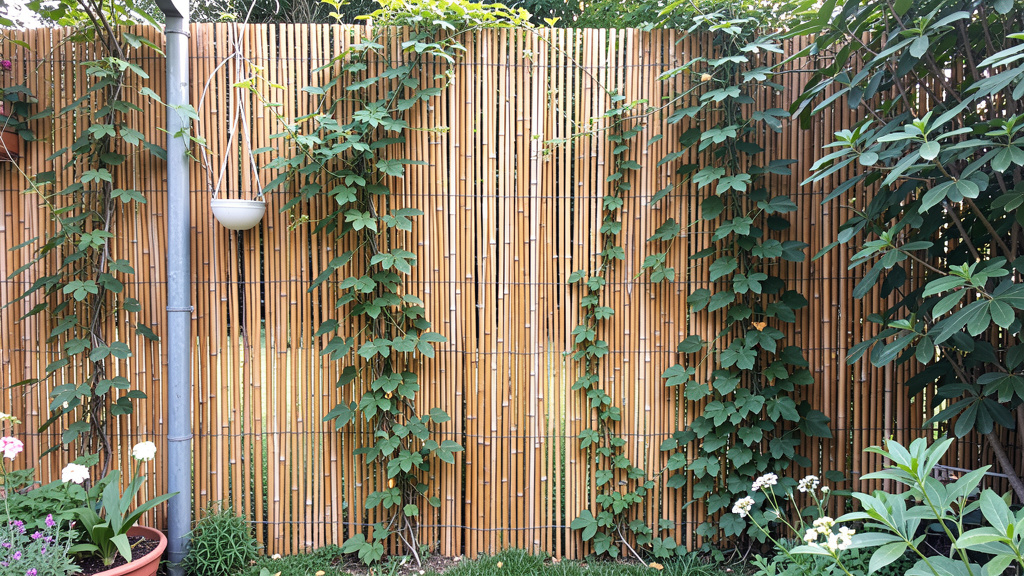
Discover a balanced, adaptable approach to creating sanctuary—where ecological awareness, structural integrity, and human connection shape solutions tailored precisely to your property, climate, and community.
True privacy emerges not from barriers alone, but from intentional design that honors your landscape’s unique rhythms, respects neighboring spaces, and evolves gracefully across seasons. This guide synthesizes horticultural science, building practice fundamentals, and community-centered design principles to help you cultivate seclusion that feels generous, sustainable, and deeply personal. Whether you seek relief from street visibility, desire intimate garden rooms, or wish to soften boundaries with grace, you’ll find clear pathways grounded in observable patterns—not promises—crafted for real-world conditions and lasting harmony.
Introduction
Privacy transforms outdoor space from exposed terrain into sanctuary. It invites deeper breaths, quieter conversations, and moments of genuine respite. Yet many well-intentioned efforts falter: fences erected without verifying property lines trigger disputes; fast-growing plants selected without soil assessment struggle or invade; solutions designed for summer leave winter gaps. These outcomes rarely stem from poor intent, but from overlooking interconnected variables—site conditions, seasonal shifts, regulatory context, and human dynamics.
This resource draws upon widely referenced frameworks including USDA Plant Hardiness Zone guidelines, International Residential Code (IRC) structural considerations for non-engineered installations, and regional best practices shared by cooperative extension services across North America and Europe. It reflects documented patterns from diverse residential landscapes—not isolated anecdotes—to offer adaptable strategies rather than rigid prescriptions. Privacy, at its best, balances personal need with ecological responsibility and neighborly awareness. It is less about concealment and more about curating space where connection—to nature, to home, to self—can flourish undisturbed.
The 5-Pillar Privacy Assessment Framework
Enduring privacy begins not with plants or posts, but with clarity. Jumping straight to solutions without assessing foundational conditions often leads to wasted effort, cost, or conflict. The 5-Pillar Privacy Assessment Framework offers a structured yet flexible sequence to align your project with reality. Spend 45–60 minutes moving through these pillars with a simple sketch of your property. This investment prevents missteps and builds confidence in every subsequent decision.
Pillar 1: Define Your Privacy Goals and Zones
Privacy needs shift across a property and throughout the day. Mapping these variations ensures effort and resources target what matters most.
- High-Privacy Zones: Areas requiring consistent visual and acoustic separation (e.g., hot tub, bedroom patio, outdoor shower). Prioritize year-round solutions with sound-dampening qualities.
- Medium-Privacy Zones: Spaces where casual observation is acceptable but direct sightlines feel intrusive (e.g., dining area visible from a side street, children’s play zone near a walking path). Partial screening or strategic sightline breaks often suffice.
- Low-Privacy Zones: Perimeter edges or front-yard areas where screening serves aesthetic definition, wind buffering, or seasonal softening rather than seclusion.
- Temporal Considerations: Note time-based vulnerabilities. Does afternoon sun create glare revealing interior activity? Do deciduous trees leave winter gaps? Does privacy need shift between daytime gardening and evening relaxation?
Action Step: Sit in key locations at different times over two days. Sketch where unwanted sightlines originate (e.g., “neighbor’s second-story window at 3 PM,” “sidewalk glance during morning coffee”). Label each zone with its purpose and sensitivity. This emotional and spatial mapping guides intelligent targeting—not perimeter-wide overbuilding.
Pillar 2: Analyze Your Site Conditions
Nature operates on non-negotiable terms. Aligning with site realities prevents plant failure, structural stress, and maintenance frustration.
Sun and Shade Patterns:
Track sunlight over a full day. Categorize areas as:
– Full sun (6+ hours direct light)
– Partial sun/shade (3–6 hours)
– Full shade (<3 hours)
Why it matters: Arborvitae thrives in sun but thins in deep shade; hostas scorch in full sun. Structural materials also respond: dark finishes on south-facing exposures accelerate thermal expansion.
Soil and Drainage Assessment:
– Texture test: Moisten soil. Sandy soil crumbles; clay forms a tight ball; loam holds shape gently then breaks.
– Drainage test: Dig a 12″x12″ hole, fill with water twice. If water remains after 4 hours, drainage is poor—critical for plant selection and post installation.
Adaptation tip: Amend clay with compost and expanded shale; sandy soils benefit from coconut coir to retain moisture.
Wind and Microclimate Mapping:
Observe vegetation movement, hang ribbons on stakes, or note snow accumulation patterns. Identify prevailing wind direction. High-wind zones demand flexible solutions: dense hedges filter wind safely; solid fences act as sails and require engineered reinforcement. Coastal sites need salt-tolerant species (e.g., Juniperus, Podocarpus).
Existing Features:
Note mature tree root zones, utility lines (always call 811 before digging), slopes, and proximity to structures. A screen planted too close to a foundation may trap moisture; roots near septic fields risk system damage.
Pillar 3: Evaluate Timeline and Maintenance Capacity
Honest self-assessment here prevents future resentment. Match solutions to your realistic capacity—not an idealized version of yourself.
Timeline Alignment:
– Immediate (0–6 months): Structural elements (fence panels, trellis), mature transplants (costlier), or temporary solutions (outdoor fabric panels, large container plantings).
– Medium-term (1–3 years): Young shrubs, vines on supports, phased structural additions.
– Long-term (3+ years): Slow-growing trees, layered ecological screens designed for legacy value.
Maintenance Realism:
– Low effort (1–2 hrs/month): Vinyl fencing, ornamental grasses, drought-tolerant natives. Avoid high-pruning hedges or wood requiring frequent sealing.
– Moderate effort (3–6 hrs/month): Wood fencing (staining every 2–3 years), deciduous hedges (annual pruning), mixed perennial layers.
– High effort (7+ hrs/month): Formal clipped hedges, fast-growing species needing frequent trimming, living walls with irrigation systems.
Key insight: Maintenance includes skill and access. Can you safely prune at height? Is the screen base accessible for weeding? A “low-maintenance” bamboo grove becomes high-effort without root barrier vigilance.
Pillar 4: Navigate Legal and Neighbor Context
Overlooking this pillar risks fines, forced removal, or strained relationships. Proactive diligence is foundational.
Property Lines and Setbacks:
– Obtain a current survey. Never assume existing fences mark true boundaries.
– Municipal codes typically require structures to sit inside your property line (often 6″–24″ setback). Fences built directly on the line may be considered jointly owned—discuss plans with neighbors early.
– Height restrictions vary widely: Front yards often limited to 3–4′; rear/side yards commonly 6–8′. Historic districts or HOAs may impose stricter rules on materials, colors, or plant species.
Action step: Visit your local building department with a simple sketch. Ask: “What permits or restrictions apply to a [height] [material] screen at this location?” Request written confirmation.
Regional Considerations:
– UK/EU: Verify Tree Preservation Orders (TPOs) before altering mature trees. Check local planning authority guidelines for boundary structures.
– Water rights/arid regions: Some municipalities restrict water-intensive plantings; explore xeriscaping-compatible screens.
– Shared boundaries: A written agreement outlining cost, maintenance, and design choices prevents future disputes. Frame collaboration positively: “I’d like this to feel good for both our homes.”
Pillar 5: Establish a Realistic Budget
Budget holistically—beyond visible materials.
| Cost Category | Natural Screening Example (50-ft hedge) | Structural Screening Example (50-ft fence) | Often Overlooked |
|---|---|---|---|
| Materials | $300–$1,200 (plants, soil amendment) | $1,500–$4,000 (posts, boards, hardware) | Soil test kits, root barriers, specialized tools |
| Installation | $0 (DIY) to $800 (pro planting) | $0 (DIY) to $3,000+ (pro installation) | Permits ($50–$300), survey fees ($300–$800) |
| Year 1 Care | $50–$150 (mulch, irrigation setup) | $100–$200 (sealing, adjustments) | Unexpected site prep (rock removal, grading) |
| Long-Term (5+ yrs) | $150–$300/yr (pruning, replacements) | $100–$250/yr (maintenance, repairs) | HOA compliance updates, neighbor adjustments |
| TOTAL 5-YR ESTIMATE | $1,000–$2,800 | $2,200–$7,500+ | Add 15–20% contingency |
Smart Strategies:
– Phase intentionally: Install structural framework Year 1; plant fast-establishing vines Year 1; add slower shrubs Year 2.
– Value engineering: Use pressure-treated posts (buried) with cedar boards (visible) for wood fences—saves ~30% with minimal visual trade-off.
– Community resources: Tool libraries, plant swaps, or skill-sharing with neighbors can reduce costs meaningfully.
– Long-view framing: Thoughtful screening often enhances property appeal. Frame investment around daily well-being and functional enjoyment—not just resale.
The Guiding Insight: The most resilient privacy solutions feel inevitable—not imposed—because they emerge from careful observation of place, purpose, and people. They honor constraints while unlocking possibility.
Natural Screening Solutions: Living Layers That Evolve
Living screens offer dynamic beauty, ecological contribution, and sensory richness—rustling leaves, seasonal color shifts, habitat for birds and pollinators. Success hinges on matching species to site conditions and embracing patience. Below, solutions are organized by function, climate adaptability, and maintenance profile.
Trees: The Canopy Layer (15–50+ ft)
Trees block upper-story views and create overhead enclosure. For year-round privacy in temperate zones, evergreens are essential. Deciduous trees provide summer density with winter light penetration—ideal when paired with lower evergreen layers.
Climate-Informed Evergreen Selection:
– Zones 3–7: Canadian Hemlock (Tsuga canadensis)—dense, shade-tolerant, graceful habit. Note: Monitor for hemlock woolly adelgid; avoid drought-prone sites. Eastern White Pine (Pinus strobus)—fast-growing, soft texture. Prefers acidic, well-drained soil.
– Zones 4–8: ‘Green Giant’ Arborvitae (Thuja plicata ‘Green Giant’)—vigorous (3–5 ft/yr), disease-resistant, deer-tolerant. Requires full sun and consistent moisture during establishment. Space 8–10 ft apart for solid screening.
– Zones 5–9: Southern Magnolia (Magnolia grandiflora)—glossy leaves, fragrant blooms, heat/humidity tolerant. Needs acidic soil; surface roots may disrupt paving. Leyland Cypress (x Cupressocyparis leylandii)—very fast but shorter-lived (15–25 yrs); prone to disease in humid zones. Verify local restrictions.
– Zones 7–10: Italian Cypress (Cupressus sempervirens)—extremely narrow (3–10 ft wide), ideal for tight spaces. Requires excellent drainage. Olive (Olea europaea, fruitless cultivars)—silvery foliage, drought-tolerant, long-lived. Slow initial growth.
Planting Protocol:
– Space at 60–75% of mature spread for solid coverage (e.g., 15-ft spread tree planted 9–11 ft apart).
– For wind resistance and density, plant in staggered double rows (4–6 ft between rows).
– Dig holes 2–3x wider than root ball; backfill with native soil amended with 20–30% compost. Avoid fertilizer in hole.
– Water deeply 2–3x/week first year; mulch with 3″ arborist chips (keep 4″ from trunk).
– Critical spacing: Plant at least half the tree’s mature height away from foundations, driveways, or septic fields.
Shrubs and Hedges: The Workhorse Layer (3–15 ft)
Shrubs form the primary visual barrier at human scale. Selection depends on desired height, growth habit, seasonal interest, and site conditions.
Evergreen Options (Year-Round Density):
– Japanese Holly (Ilex crenata): Zones 5–8. Boxwood-like texture; cultivars range from compact (‘Compacta’) to narrow (‘Sky Pencil’). Prefers partial shade; more disease-resistant than true boxwood.
– Inkberry Holly (Ilex glabra): Zones 5–9. Native, deer-resistant, tolerates wet soil and partial shade. ‘Shamrock’ offers dense, compact growth.
– Hicks Yew (Taxus x media ‘Hicksii’): Zones 4–7. Extremely shade-tolerant, slow-growing (less pruning), columnar form. Note: All parts toxic if ingested; avoid where pets/children may chew.
– Southern Yew (Podocarpus macrophyllus): Zones 7–10. Glossy foliage, heat/humidity tolerant, drought-resistant once established. Very slow initial growth.
Deciduous Options (Seasonal Interest + Summer Density):
– Arrowwood Viburnum (Viburnum dentatum): Zones 3–8. White spring flowers, blue fall berries (bird-friendly), crimson autumn foliage. Tolerates wet soil and partial shade.
– Red Osier Dogwood (Cornus sericea): Zones 2–7. Vibrant red winter stems, white flowers, adaptable to wet areas. Prune hard every 2–3 years in late winter to renew colorful stems.
– Winterberry Holly (Ilex verticillata): Zones 3–9. Spectacular red berries persist after leaf drop (requires male pollinator within 50 ft). Needs moist, acidic soil.
– Ninebark (Physocarpus opulifolius): Zones 2–7. Peeling bark (winter texture), pink/white flowers, purple-leaf cultivars available. Tolerates poor soil, drought, pollution.
Hedge Establishment Tips:
– Trench method: Dig continuous trench 18–24″ wide/deep for uniform root environment.
– Pruning for density: First year—light shear after initial growth to encourage basal branching. Subsequent years—prune 2–3 times during growing season, tapering sides inward (wider at base) to prevent bare bottoms.
– Watering: Deep, infrequent watering encourages deep roots. Drip irrigation at base conserves water and reduces disease risk.
– Pest awareness: Inspect regularly. Horticultural oils (dormant or summer-weight) offer effective organic management for scale or mites.
Vines and Vertical Growers: Space-Smart Screening
Ideal for narrow lots, balcony railings, or softening existing structures. Success depends on matching vine growth habit to support type and site conditions.
Attachment Types & Support Needs:
| Attachment Method | How It Works | Support Required | Examples | Key Consideration |
|——————-|————–|——————|———-|——————-|
| Twining Stems | Stems spiral around supports | Thin wires, trellis, lattice | American Wisteria, Trumpet Honeysuckle | Guide stems initially; avoid girdling thin supports |
| Tendrils | Modified leaf parts grasp | Fine mesh, strings, thin rods | Clematis, Passionflower | Needs frequent tying early on |
| Adhesive Disks | Suction-cup pads on tendrils | Smooth masonry, stucco | Boston Ivy (Parthenocissus tricuspidata) | Can damage soft mortar; avoid on wood |
| Aerial Roots | Rootlets cling to rough surfaces | Brick, stone, textured walls | English Ivy (Hedera helix) | Highly invasive in many regions; avoid near natural areas |
Recommended Vines by Purpose:
– Fragrance & Pollinators: Trumpet Honeysuckle (Lonicera sempervirens)—native, non-invasive, hummingbird magnet (Zones 4–9). Star Jasmine (Trachelospermum jasminoides)—intoxicating scent, evergreen in mild climates (Zones 8–10; container elsewhere).
– Rapid Coverage (Non-Invasive): Virginia Creeper (Parthenocissus quinquefolia)—brilliant red fall color, tolerates shade, non-invasive (Zones 3–9).
– Edible Interest: Hardy Kiwi (Actinidia arguta)—vigorous, edible fruit (requires male/female plants; Zones 4–8). Needs strong support.
– Shade Tolerance: Climbing Hydrangea (Hydrangea anomala subsp. petiolaris)—slow start but magnificent mature coverage, tolerates deep shade (Zones 4–8).
Installation Best Practices:
1. Plant vines 12–18″ away from walls to ensure root access to rain and prevent moisture trapping.
2. Install support before planting: galvanized wire mesh (1″x1″ grid) or horizontal wires spaced 12″ apart, mounted on stand-off brackets creating a 2–3″ air gap.
3. For first two years, gently tie main stems with soft plant ties; pinch tips to encourage lateral branching.
4. Prune annually: summer pruning controls size; winter pruning shapes structure. Remove dead wood each spring.
Critical caution: Never plant clinging vines (ivy, Boston ivy) directly against wood, vinyl, or composite siding. Use freestanding trellises set 6+ inches from the surface to protect structures.
Ornamental Grasses and Bamboo: Texture and Movement
Grasses provide seasonal screening with minimal inputs. Bamboo offers dramatic height but demands species-specific caution.
Ornamental Grasses (Low-Risk, High-Reward):
– Feather Reed Grass (Calamagrostis x acutiflora ‘Karl Foerster’): Zones 4–9. Upright habit, early plumes, tolerates clay and partial shade. Excellent for narrow spaces.
– Switchgrass (Panicum virgatum): Zones 4–9. Native, drought-tolerant, golden fall color. ‘Northwind’ stays upright in wind.
– Maiden Grass (Miscanthus sinensis ‘Gracillimus’): Zones 5–9. Arching form, silvery plumes. Space 3–4 ft apart.
Care: Cut back to 4–6″ in late winter. Divide clumps every 3–4 years to maintain vigor. Plant in drifts of 5+ for cohesive effect.
Bamboo: Proceed with Precision
– Clumping Bamboo (Non-Invasive): Fargesia, Borinda species. Grow in tight clumps; spread slowly (1–3 inches/year). Safe for residential use.
– Fargesia robusta ‘Campbell’: Zones 6–9. Dense, weeping habit, cold-hardy.
– Fargesia rufa: Zones 5–9. Compact, ideal for containers.
– Running Bamboo (Highly Invasive): Phyllostachys, Sasa species. Spread aggressively via underground rhizomes. Avoid unless installed in professionally engineered contained pits with 80-mil HDPE root barriers extending 2–3″ above soil.
Safe Implementation:
– Containers: Use pots ≥24″ diameter, elevated for drainage. Refresh top soil annually; repot every 2–3 years.
– In-ground: Line planting pit (36″ deep) with root barrier. Backfill with 50/50 native soil/compost. Water deeply 2–3x/week first year. Mulch heavily.
Designing Multi-Layered Living Screens
The most resilient natural screens mimic forest edges—layered vertically and horizontally. This approach maximizes density, extends seasonal interest, supports biodiversity, and builds redundancy.
The 4-Layer Model:
1. Canopy (15–50+ ft): Tall evergreens block upper views (e.g., ‘Green Giant’ Arborvitae).
2. Understory (8–15 ft): Small trees or large shrubs fill mid-gaps (e.g., Serviceberry, Flowering Dogwood).
3. Shrub Layer (3–8 ft): Dense hedges form primary barrier (e.g., Inkberry Holly, Arrowwood Viburnum).
4. Groundcover (0–3 ft): Suppresses weeds, prevents erosion (e.g., Liriope, native sedges like Carex pensylvanica).
Implementation Sequence:
1. Plant canopy trees first (longest establishment).
2. Add understory species after 1 year.
3. Install shrub layer, staggering plants for natural appearance.
4. Finish with groundcovers and heavy mulching.
5. Install drip irrigation before groundcovers to zone water needs.
Patience note: Full density takes 3–7 years. Use temporary solutions (potted grasses, fast annual vines like morning glory) during establishment.
Ecological Benefits: Layered screens reduce wind speed significantly on the leeward side, provide habitat corridors for birds and pollinators, improve soil health through leaf litter, and contribute to localized cooling through evapotranspiration. They transform privacy into active stewardship.
Structural Screening Solutions: Engineered Clarity
When immediate privacy is essential, site conditions challenge plant survival, or low-maintenance certainty is prioritized, structural solutions deliver precision and predictability. Material choices carry implications for longevity, aesthetics, regulatory compliance, and environmental impact. This section provides clear, actionable guidance grounded in material science and installation practice.
Wood Fencing: Warmth with Wisdom
Wood offers timeless appeal but varies significantly by species, treatment, and construction. Understanding these nuances prevents premature failure.
Species Considerations:
– Cedar/Redwood: Naturally rot/insect resistant, weathers to silver. Cedar is widely available; redwood excels in coastal zones. Softer than hardwoods—dents more easily.
– Pressure-Treated Pine: Affordable, strong, treated for ground contact. Modern ACQ treatment is copper-based (safer than old CCA) but requires hot-dipped galvanized or stainless-steel fasteners to prevent corrosion.
– Cypress: Good rot resistance, attractive grain. Availability varies regionally.
– Tropical Hardwoods (Ipe, Cumaru): Extremely dense and durable. Verify FSC certification for ethical sourcing. Heavy; requires pre-drilling and specialized fasteners.
Value Tip: Use pressure-treated pine for buried posts and rails, cedar for visible boards—reduces cost 25–35% with minimal visual impact.
Style Selection by Need:
– Solid Privacy Fence: Boards installed tightly. Critical: Solid fences act as wind sails. In exposed areas:
– Use shadow-box style (boards staggered on alternating sides of rails) or leave ½” gaps between boards to reduce wind load.
– Set posts deeper (1/3 above-ground height + 6″); use concrete footings in unstable soil or high-wind zones.
– Semi-Privacy (Shadow Box, Board-on-Board): Blocks direct sightlines while allowing airflow. Feels less imposing to neighbors; reduced wind stress.
– Lattice-Top: Adds height without solid-wall effect; ideal for supporting vines. Use PVC lattice (won’t rot) and mount 2–3″ away from main fence for vine growth and airflow.
– Picket: Primarily decorative; minimal privacy. Angle pickets slightly outward for classic detail.
Installation Essentials:
1. Layout: Use string lines and batter boards. Verify square with 3-4-5 triangle method.
2. Post Setting:
– Hole diameter: 3x post width (e.g., 12″ for 4×4 post).
– Depth: 1/3 above-ground height + 6″ (e.g., 6′ fence = 8′ post, 2.5′ in ground). Verify local frost line depth.
– Base: 6″ gravel for drainage.
– Option A (Stable soil): Tamp native soil firmly in layers around post.
– Option B (Unstable soil/wind): Set post in concrete, sloping top away from post to shed water. Leave top 2–3″ for soil cover.
3. Boards: Pre-drill near ends to prevent splitting. Use two fasteners per board per rail. Leave ¼” gaps between boards for wood expansion.
4. Finishing: Apply penetrating oil stain within 4–6 weeks. Reapply every 2–3 years. Avoid film-forming paints—they trap moisture.
Common Pitfalls to Avoid:
– Rot at ground line: #1 failure cause. Use posts rated for “ground contact”; slope soil/concrete away from post; avoid mulch piled against wood.
– Gate sagging: Use heavy-duty strap hinges; install diagonal brace; limit gate width to ≤4′.
– Warping: Use kiln-dried-after-treatment (KDAT) lumber; seal all sides before installation; ensure airflow behind boards.
Vinyl (PVC) and Composite: Low-Maintenance Modernity
These materials eliminate staining/sealing needs but require precise installation.
Vinyl Fencing:
– Pros: Zero painting/staining; resists rot, insects, moisture; consistent appearance; recyclable.
– Cons: Higher upfront cost; expands/contracts with temperature (requires manufacturer-specified expansion gaps); can feel less substantial than wood.
– Installation Imperative: Hollow vinyl posts must be set over wooden or steel insert posts anchored in concrete. Never rely on vinyl alone for structural support. Follow spacing specs exactly to prevent buckling.
– Best for: Pool areas, humid climates, homeowners prioritizing minimal upkeep.
Composite Fencing (Wood-Plastic Blend):
– Pros: No painting; resists rot/insects; often contains recycled content; realistic wood textures available.
– Cons: Can fade (verify UV warranty); lower-quality products may warp in extreme heat; difficult to repair (panels often require full replacement).
– Selection Tip: Choose brands with co-extruded cap layer (protects core) and minimum 25-year warranty against fade/warp (e.g., Fiberon, Trex). Avoid “plasticky” finishes; seek textured surfaces.
– Best for: Eco-conscious projects where wood aesthetics are desired without maintenance burden.
Metal Screening: Sleek and Enduring
Modern metal options offer design flexibility with exceptional longevity.
Aluminum:
– Lightweight, rust-proof, powder-coated in diverse colors.
– Ideal for modern designs, pool enclosures, coastal zones (salt-resistant).
– Integration tip: Break solid planes with cut-out patterns (lasers create leaf or geometric silhouettes) or combine with wood slats. Train non-clinging vines (Clematis, Jasmine) on panels for softening.
– Caution: Hollow tubes can dent under sharp impact (though won’t rust).
Steel (Ornamental):
– Stronger than aluminum; requires galvanization + powder coat for rust resistance.
– Wrought-iron styles offer classic elegance but demand prompt touch-up of scratches to prevent rust.
– Recommendation: For most residential uses, high-quality aluminum provides similar aesthetics with far less maintenance. Reserve steel for historic restorations or high-security needs.
Corten Steel:
– Develops stable rust patina that protects the metal. Striking architectural presence.
– Critical note: Rust runoff can stain light-colored patios during initial weathering (6–18 months). Avoid near pools, light stone, or high-traffic areas.
– Best for: Contemporary landscapes where industrial aesthetic is intentional; dry climates.
Masonry and Stone Walls: Permanent Presence
Stone, brick, or concrete block walls offer profound acoustic privacy, security, and architectural value—but demand engineering rigor and regulatory compliance.
Key Considerations:
– Footings: Required below local frost line (depth varies: 12″ in mild zones, 36″+ in cold climates). Width typically 2x wall width. Never skip proper footings—cracking and failure are inevitable otherwise.
– Drainage: Install perforated drain pipe at base, wrapped in landscape fabric, backfilled with gravel. Prevents hydrostatic pressure buildup.
– Reinforcement: Walls over 3–4 ft often require vertical rebar in footings and grouted cores. Consult local code.
– Expansion Joints: Include every 20–25 ft to accommodate thermal movement and settling.
– Permits: Almost always required for walls over 3–4 ft. Structural engineer stamp often needed for walls over 6 ft. Verify before design.
– Setbacks: Masonry walls frequently require greater setbacks from property lines than fences (e.g., 12–24 inches). Confirm with survey and building department.
When Masonry Excels:
– Creating permanent room-like enclosures for high-use patios
– Significant noise reduction needs (e.g., adjacent to busy roads)
– Combining with retaining function on slopes
– Historic properties requiring authentic materials
When to Reconsider:
– Temporary or evolving privacy needs
– Budget constraints (high upfront investment)
– DIY-only projects (safety and structural risks)
– Properties with unstable soil or high water tables (requires specialized engineering)
Decorative Panels and Flexible Systems
Modular screens offer targeted privacy without full-perimeter commitment.
Material Options:
– Composite Panels: Resemble wood; resist rot/fading. Ideal for humid climates.
– Metal Laser-Cut Panels: Aluminum or steel with intricate patterns. Allow light/shadow play while blocking direct views.
– Fabric Screens: Outdoor-rated Sunbrella® or marine vinyl on frames. Offer softness, color options, wind permeability. Remove in high winds or winter.
– Reclaimed Materials: Salvaged wood, corrugated metal. Verify safety (no lead paint, structural integrity).
Strategic Placement:
– Define garden rooms within larger landscapes
– Soften patio corners or balcony edges
– Create movable privacy for renters (with landlord approval)
– Cast artistic shadows at specific times of day
Installation Tip: For freestanding panels, build frames from pressure-treated 4×4 posts set in concrete footings. Add diagonal bracing in windy locations. Choose perforated designs or leave small gaps between panels to reduce wind load.
Hybrid Privacy Systems: Synergy in Practice
The most resilient, satisfying privacy solutions intentionally blend living and structural elements. This synergy leverages immediacy with evolution, structure with softness, function with beauty. Hybrid systems acknowledge that privacy is rarely solved by a single tactic—it thrives in layered ecosystems of solutions.
Why Hybrid Approaches Excel
| Challenge | Structural-Only | Natural-Only | Hybrid Advantage |
|---|---|---|---|
| Initial Gap | Immediate coverage | 3–7 years to establish | Structure provides instant privacy; plants mature into primary screen |
| Wind Stress | Solid fence = high pressure | Dense hedge filters wind safely | Structure engineered for wind; plants absorb turbulence, reducing load |
| Aesthetic Feel | Can feel stark or institutional | May lack definition in winter | Structure provides clean lines; plants add seasonal texture and life |
| Longevity | Material degrades (UV, moisture) | Plants vulnerable to pests/disease | Plants shield structure from sun/rain; structure supports plants during establishment |
| Ecological Role | Minimal habitat value | High value but slow start | Plants support biodiversity immediately; structure ensures privacy during growth phase |
Proven Hybrid Templates
Template 1: The Reinforced Living Wall
Ideal for: Urban lots, space constraints, immediate privacy needs.
Execution:
1. Install semi-transparent structural screen (shadow-box fence, metal slat panel, or lattice framework).
2. Plant adaptable vines outside the structure (on the public/neighbor side). Why? Creates visual buffer zone; keeps maintenance (pruning) on your side.
3. Select vines for light conditions:
– Full sun: Trumpet Honeysuckle (non-invasive), Climbing Hydrangea (slow start, magnificent mature coverage)
– Partial shade: Sweet Autumn Clematis, Dutchman’s Pipe
– Full shade: Climbing Hydrangea (tolerates shade once established)
4. Critical detail: Mount horizontal wires or trellis strips 2–3″ away from fence surface. Creates air gap preventing moisture trapping against fence, allowing vine tendrils to grip freely.
Outcome: Within 2 years, vines soften and obscure the framework. Structure provides support and immediate privacy during establishment. Annual vine pruning and occasional fence inspection maintain the system.
Template 2: The Layered Buffer Zone
Ideal for: Street-facing properties, noise reduction, multi-story neighbor views.
Execution:
1. Outer Layer (Public Side): Low-maintenance ornamental grasses (Switchgrass) or low shrubs (Boxwood ‘Green Velvet’). Signals boundary gently.
2. Middle Layer (Structural Backbone): 6-ft privacy fence or wall positioned per local setback rules.
3. Inner Layer (Private Side): Dense evergreen hedge (Inkberry Holly, ‘Green Giant’ Arborvitae) planted 18–24″ in front of fence.
– Why the gap? Essential for air circulation (prevents plant disease), fence maintenance access, and perceived depth.
4. Overhead Element: Pergola with retractable canopy over seating area to block upper-story views.
Outcome: Multi-sensory buffer. Grasses absorb road noise and catch debris; fence blocks direct sightlines; hedge adds biological filtration and habitat. Feels intentional, not defensive.
Template 3: The Phased Transition System
Ideal for: Budget-conscious projects, uncertain long-term plans, renters (with approval).
Execution:
– Phase 1 (Year 1): Install attractive, movable screens (composite panels, fabric curtains on tracks) in key zones. Provides instant privacy with no permanent modification.
– Phase 2 (Year 1): Plant slow-growing structural trees (Columnar Hornbeam, Skyrocket Juniper) at planned permanent locations.
– Phase 3 (Year 2): Add fast-establishing deciduous shrubs (Ninebark, Viburnum) between trees; install permanent trellis panels.
– Phase 4 (Year 3+): As plants mature, remove temporary screens. Train vines on trellises; add groundcovers.
Outcome: Privacy evolves with your investment capacity. Temporary elements prevent the “naked yard” feeling. Flexibility to adjust based on plant performance in your microclimate.
Advanced Integration Principles
Thermal Synergy:
In hot climates, position deciduous vines (Wisteria, Grape) on west-facing fence sections. Vines provide shade during intense afternoon sun, reducing heat absorption by the fence and lowering ambient temperature in shaded areas. In winter, after leaf drop, bare vines allow warming sunlight to reach the patio—dynamic shading that enhances comfort year-round.
Acoustic Optimization:
Sound waves behave differently than light. For effective noise reduction:
1. Use a solid structural barrier (masonry wall, solid wood fence) as the primary block.
2. Plant dense, multi-layered vegetation on the noise source side of the barrier. Plants absorb and diffract sound waves before they hit the hard surface, reducing reflection and echo. A thick hedge on the street side of a fence significantly outperforms plants on the quiet side.
3. Layer vertically: Tall trees (high-frequency absorption), dense shrubs (mid-frequencies), groundcovers (low frequencies).
4. Psychological enhancer: Incorporate a small water feature (bubbler, fountain) on your side. Gentle water sounds mask intermittent traffic noise through auditory masking.
Moisture Management:
In humid climates or shaded areas:
– Maintain 18–24″ gap between dense evergreen hedges and wood fences.
– Choose plants with open growth habits near structures (Serviceberry vs. dense Boxwood).
– Use drip irrigation at plant bases—not overhead sprinklers that wet fence surfaces.
– Select naturally rot-resistant wood (cedar, redwood) or non-organic materials (vinyl, metal) for structural components in high-moisture zones.
Navigating Constraints with Care: Legal, Ecological, and Community Dimensions
A privacy solution that triggers conflict, harms ecosystems, or fractures community ultimately fails its purpose. True mastery lies in designing with constraints—transforming potential obstacles into opportunities for thoughtful, generous design.
Municipal Codes and Permits: A Practical Workflow
Regulations are hyper-local. Assumptions risk costly corrections.
Verified Process:
1. Identify Authorities: Municipal building/zoning department (primary), HOA (if applicable), historic commission, utility companies (for easements).
2. Request Documentation: Visit building department in person with a simple property sketch showing proposed screen location, height, materials. Ask specific written questions:
– “What is the maximum allowable height for a rear-yard screen at this location?”
– “Are permits required for a [material] screen under [height] feet?”
– “What are the required setbacks from the property line?”
Request answers via email for your records.
3. Understand Common Triggers:
– Permits often required for structures over 6 ft, masonry walls over 3–4 ft, screens within utility easements, or pool enclosures.
– Setbacks: Front yards often require 3–6 ft from line; side/rear yards may allow building on line only with neighbor consent.
– Height measurement: Usually from the lower ground level on slopes. A 6-ft fence on a slope may exceed limits downhill.
4. Submit Professionally: Provide clear site plan (property lines, existing structures, proposed screen), elevation sketch, material specs. Mentioning compliance with relevant IRC sections (e.g., post depth per R403) demonstrates diligence.
Real Example: In Seattle, alley fences are limited to 6 ft for safety. A homeowner installed a 6-ft solid fence with a 2-ft lattice top (lattice not counted in height per code interpretation) and trained Virginia Creeper on the lattice—achieving additional height legally.
Environmental Stewardship: Screening as Habitat
Thoughtful screening can actively support local ecosystems.
Invasive Species Vigilance:
Planting invasive species harms biodiversity and may violate local laws.
– Critical Action: Before selecting any plant, verify its status with authoritative sources:
– U.S.: USDA National Invasive Species Information Center, state Department of Natural Resources
– UK: Non-Native Species Secretariat (NNSS)
– EU: European Alien Species Information Network (EASIN)
– High-Risk Species to Avoid: Running bamboo (Phyllostachys spp.), Japanese Honeysuckle (Lonicera japonica), Burning Bush (Euonymus alatus), Wintercreeper (Euonymus fortunei).
– Safer Alternatives: University extension services publish region-specific lists. Example: Replace invasive Wintercreeper with native Virginia Creeper (Parthenocissus quinquefolia).
Water-Wise Strategies (Arid Regions):
– Group plants by water needs (hydrozoning).
– Use drip irrigation with moisture sensors; apply 3–4″ mulch to reduce evaporation.
– Select drought-tolerant species: Texas Sage (Leucophyllum frutescens), Mountain Mahogany (Cercocarpus), Blue Grama grass (Bouteloua gracilis).
– Integrate rainwater harvesting: Direct downspouts to screen plantings via swales or perforated pipes.
Wildlife-Friendly Design:
– Bird Habitat: Choose berry-producing plants (Winterberry Holly, Serviceberry), dense branching shrubs (Inkberry Holly), and seed heads (Ornamental Grasses). Avoid pesticides.
– Pollinator Support: Include flowering vines (Trumpet Honeysuckle), shrubs (sterile Butterfly Bush cultivars), and native perennials in ground layer.
– Corridors: Align your screen with existing green corridors (neighbor’s hedge, park edge) where possible to allow safe wildlife movement. Avoid creating impenetrable barriers across known paths.
– Toxicity Awareness: Research plant safety for local wildlife (e.g., Yew berries are toxic to many birds).
The Neighbor Protocol: Communication as Foundation
How you implement privacy shapes community relationships. Transparency builds trust; unilateral action breeds resentment.
Pre-Installation Communication:
1. Timing: Approach neighbors before finalizing plans.
2. Framing: Position as collaboration: “I’m planning to enhance privacy in my yard and want to ensure it works well for both our properties.”
3. Key Points:
– Share a simple sketch (location, height, materials).
– Ask: “Do you have any concerns about sightlines, light, or access from your side?”
– For shared boundaries: “Since this is near our property line, I wanted your thoughts before proceeding.”
– Offer solutions: “If height is a concern, I could use a lattice top,” or “I’m happy to maintain the side facing your yard.”
4. Document Agreements: For shared projects, confirm understanding via email: “Per our conversation on [date], we agree to share the cost of a fence on the property line, with [Your Name] handling installation.”
Addressing Concerns Proactively:
– “Your screen blocks my light/view”: Offer alternatives (semi-transparent design, lower height with plant screening), share mutual benefits (“The vine will also provide summer shade for your patio”), or propose phasing.
– “I’m worried about maintenance on my side”: Commit to trimming overgrowth; install fence with finished side facing neighbor; draft a simple maintenance agreement for shared structures.
– “The style doesn’t match my house”: Show material samples; offer to match stain color where feasible; emphasize how plants will soften the structure over time.
If Tension Arises:
– Listen first to understand core concerns (often fear, not the screen itself).
– Acknowledge feelings: “I appreciate you sharing your perspective.”
– Focus on shared interests: “How might we create privacy for my patio while preserving your view of the garden?”
– Seek neutral mediation if needed (neighborhood association, community dispute resolution service).
Your Questions, Answered
Q: How tall can my privacy screen legally be?
A: Height limits are strictly local. Front yards commonly cap at 3–4 feet for traffic safety; rear/side yards often allow 6–8 feet. Historic districts or HOAs may impose lower limits. Always verify with your municipal building department before purchasing materials. Provide a sketch of your proposed screen for precise guidance.
Q: What’s the fastest way to get privacy without planting?
A: For immediate results: install temporary outdoor fabric panels (Sunbrella®) on freestanding frames, use large container plantings (bamboo in pots, ornamental grasses), or add lattice panels to existing fences. These require no permits in most areas and can be adjusted or removed as permanent solutions establish.
Q: Are there truly non-invasive bamboo options for small spaces?
A: Yes. Clumping bamboo species (Fargesia, Borinda) grow in tight, expanding clumps with minimal spread (1–3 inches/year). Fargesia rufa (Zones 5–9) is compact and container-friendly. Avoid all running bamboo (Phyllostachys, Sasa) unless installed in professionally engineered contained pits with root barriers—these are rarely suitable for residential lots.
Q: How do I choose plants that won’t damage my fence?
A: Maintain an 18–24 inch gap between dense evergreen hedges and wood fences to allow airflow and prevent moisture retention. Avoid planting vines that cling directly to wood (English Ivy, Boston Ivy); instead, install freestanding trellises 6+ inches from the fence and grow non-clinging vines (Clematis, Honeysuckle) on them. In humid zones, select plants with open growth habits near structures.
Q: My soil is heavy clay. What screening options will actually thrive?
A: Many excellent choices tolerate clay: Ilex vomitoria (Yaupon Holly), Thuja Green Giant (plant on a slight berm with amended soil), Cornus sericea (Red Osier Dogwood), and Calamagrostis ‘Karl Foerster’ (Feather Reed Grass). Amend planting holes with 30% compost and expanded shale for drainage. Avoid species requiring perfect drainage (Leyland Cypress, most pines).
Q: Can privacy screening really reduce noise from a busy street?
A: Yes, but effectiveness depends on design. A solid structural barrier (masonry wall, solid wood fence) blocks direct sound paths. For greater reduction, plant dense, multi-layered vegetation on the street side of the barrier—trees absorb high frequencies, shrubs mid-range, groundcovers low frequencies. Combining structure with layered plants significantly outperforms either alone. Adding a water feature on your side provides psychological masking of residual noise.
Q: What should I do if my neighbor objects to my planned screen?
A: Pause construction. Request a calm conversation to understand their specific concern (light blockage, aesthetics, property value). Share your research on local codes. Explore compromises: lower height with vine coverage, semi-transparent design, phased installation. Document any agreement in writing. If unresolved, consult your local mediation service—many municipalities offer free neighbor dispute resolution.
Q: How do I maintain privacy in winter when deciduous plants lose leaves?
A: Layer evergreen elements strategically: plant evergreen trees/shrubs along critical sightlines (e.g., neighbor’s second-story window), use structural elements (fence sections, pergola with evergreen vines like Star Jasmine in mild climates), or incorporate winter-interest plants with persistent structure (Red Osier Dogwood stems, ornamental grasses left standing). For deciduous hedges, position them in front of an evergreen backdrop so winter views remain filtered.
Q: Are there low-maintenance options for renters or temporary housing?
A: Absolutely. Focus on non-permanent solutions: freestanding decorative screens (composite or metal panels on weighted bases), large container plantings (bamboo, grasses, tall shrubs in pots), outdoor fabric curtains on tension rods or portable frames, or modular living wall panels (like Florafelt) mounted on existing fences with removable hooks. Always confirm with your landlord first.
Q: How do I know if a plant is invasive in my area?
A: Consult authoritative regional resources: U.S. residents should check the USDA National Invasive Species Information Center and their state’s Department of Natural Resources website; UK residents should reference the Non-Native Species Secretariat (NNSS); EU residents can use the European Alien Species Information Network (EASIN). Local cooperative extension offices provide tailored lists and native alternatives—this verification step is essential before purchasing.
Q: What’s the most common mistake people make with privacy screening?
A: Installing a solution without first mapping precise sightlines and verifying site constraints. A fence built along the entire perimeter may miss the actual intrusion point (e.g., a neighbor’s upper window), wasting resources and creating a claustrophobic feel. Similarly, selecting plants without soil or sun assessment leads to failure. The 5-Pillar Assessment Framework exists to prevent this—spending one hour on assessment saves hundreds of dollars and years of frustration.
Q: Can I create privacy without making my yard feel closed in?
A: Yes—thoughtful design enhances spaciousness. Use “privacy gradients”: taller screening (8–10 ft) along street-facing edges; medium height (5–6 ft) beside neighboring yards; lower elements (3–4 ft) defining internal garden rooms. Incorporate sightline breaks rather than solid walls (shadow-box fencing, staggered plantings). Frame desirable views outward while blocking unwanted ones inward. Layering creates depth perception, making spaces feel larger and more intentional.
Conclusion and Your Next Step
Creating meaningful privacy is a journey of alignment—between your needs and your landscape’s realities, between personal sanctuary and community connection, between immediate relief and long-term stewardship. The most enduring solutions emerge not from quick fixes, but from patient observation, adaptive choices, and respect for the systems surrounding us. Whether you choose the gentle rhythm of living screens, the steadfast presence of structural elements, or the rich synergy of hybrid systems, your effort cultivates more than seclusion: it nurtures daily well-being, ecological contribution, and a deeper sense of home.
Recap: Three Foundational Principles
1. Assess before you act: The 5-Pillar Framework transforms overwhelm into clarity—mapping zones, honoring site conditions, aligning with timeline and budget, navigating constraints with care.
2. Layer with intention: Combine elements vertically (canopy to groundcover) and functionally (structure + plants) to build resilience, beauty, and redundancy.
3. Design with generosity: Consider neighbors, local ecology, and future seasons. Privacy that feels welcoming—not defensive—creates harmony for everyone.
The 24-Hour Rule
Within the next day, take fifteen minutes to sit in your most-used outdoor space at the time of day when privacy feels most needed. Sketch a simple map noting:
– One specific sightline causing concern (e.g., “neighbor’s kitchen window at 7 AM”)
– One existing feature you appreciate (e.g., “afternoon sun on patio”)
– One constraint to honor (e.g., “property line near fence,” “clay soil in corner”)
This small act shifts privacy from abstract worry to grounded possibility—and illuminates your very next step.
The Bigger Picture
Your screened space is more than a personal retreat. It is a node in a larger web—supporting pollinators, softening urban edges, modeling thoughtful land stewardship, and offering quiet inspiration to those who pass by. In cultivating seclusion with care, you contribute to a landscape where privacy and connection coexist, where boundaries honor both self and community, and where every planted seed or placed post reflects intention. Begin where you are. Use what you have. Build gently, wisely, and well.
Continue Your Journey:
Designing Your Outdoor Sanctuary | Soil Health Fundamentals for Gardeners | Neighbor-Friendly Landscaping Strategies | Sustainable Material Choices for Outdoor Projects | Seasonal Maintenance Calendar for Privacy Screens | Creating Wildlife Corridors in Suburban Yards | Water-Wise Screening for Arid Climates