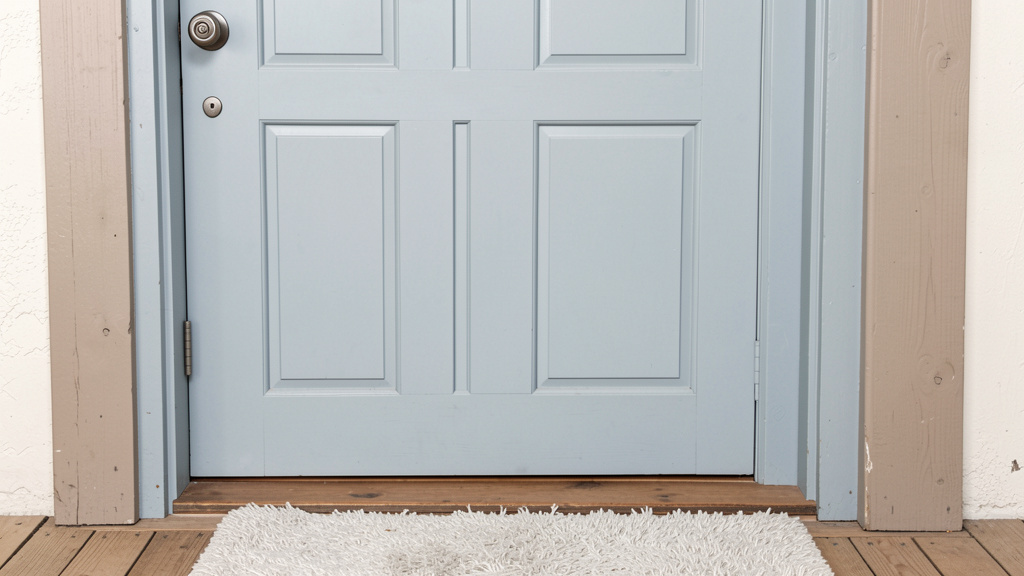
Stop wasting money on fleeting fixes. Discover proven, budget-friendly home improvements that deliver real value, enhance daily living, and avoid common pitfalls—guided by a practical framework adaptable to your unique space, constraints, and goals.
Tired of scrolling through endless “budget hack” lists that leave you frustrated, underwhelmed, or deeper in debt? You’re not alone. Much home improvement content prioritizes aesthetics over function, overlooks hidden complexities, or assumes tools and skills you may not have. This guide cuts through the noise with a thoughtful, adaptable approach. We focus exclusively on upgrades typically under $500 that solve genuine friction points, improve daily functionality, and deliver meaningful returns—whether emotional, practical, or preparatory for future needs. No fluff. No filler. Just actionable steps, flexible options, and insights designed to help you work with your home, not against it.
Introduction
Walk into any home improvement aisle, and you’ll see the same promise: transform your home for under $100! Yet many homeowners report spending time, energy, and money only to end up with peeling finishes, mismatched elements, or projects abandoned halfway. Why does this cycle repeat? Because effective improvement begins not with a product, but with strategic alignment. A fresh coat of paint can revitalize a room—but only if the underlying issue is visual fatigue, not poor lighting or dysfunctional layout. Similarly, new cabinet hardware feels satisfying, but if your storage system is chaotic or inaccessible, the upgrade offers limited relief.
Observations across countless home projects reveal a consistent pattern: the most satisfying budget improvements share three traits. First, they address a specific, recurring friction point in daily life (e.g., “I spend noticeable time each morning searching for keys”). Second, they work with your home’s existing structure and your household’s routines. Third, they prioritize durability and ease of maintenance over fleeting trends. This isn’t about cutting corners—it’s about directing effort where it matters most. When you align action with genuine need, even modest investments compound into lasting satisfaction. This guide translates that principle into a flexible system you can apply room by room, season by season. Whether you rent or own, live in a century-old home or a modern apartment, these strategies adapt to your reality—not an idealized vision.
The Value-First Framework: How to Choose Improvements That Deliver
Before purchasing a single item or measuring tape, pause. The most common misstep in budget home improvement isn’t overspending—it’s misdirecting effort. You could refresh a rarely used closet, but if your morning routine is derailed by a chaotic entryway, that effort delivers minimal functional return. The Value-First Framework helps evaluate every potential project through three practical layers. Apply this filter to any idea—before committing time or resources—and you’ll consistently identify high-impact opportunities while avoiding decorative distractions. This approach centers your lived experience, not generic checklists.
Layer 1: Impact Assessment – Does This Solve a Real, Recurring Problem?
Impact isn’t measured by how “Instagrammable” a change appears. It’s defined by how frequently the improvement removes friction, saves time, reduces stress, or enhances safety in your actual daily routine. Ask these guiding questions:
– Frequency: How often does this issue affect someone in the household? (e.g., “Searching for tools daily” = high frequency)
– Pain Level: How irritating, inefficient, or unsafe is the current state? (e.g., “Tripping over a threshold” = high concern)
– Beneficiaries: How many household members gain relief? (A fix helping multiple people often yields greater collective value)
– Ripple Effect: Does solving this unlock other improvements? (e.g., Organizing a utility drawer makes repairs faster)
Illustrative Comparison:
– Lower-Impact Idea: Refreshing the ceiling of a seldom-used guest room.
Consideration: Low frequency of use, minimal daily friction, limited beneficiaries.
– Higher-Impact Idea: Adding task lighting under kitchen cabinets.
Consideration: Used frequently during meal prep, reduces eye strain and safety risks, benefits all who use the kitchen, supports extended usability of the space.
Practical Tip: Keep a small notebook or digital note accessible for one week. Jot down minor frustrations as they occur: “Can’t locate scissors,” “Door sticks in humidity,” “Cord tangles behind desk.” These observations reveal your home’s true friction points—not someone else’s curated feed. This raw data becomes your most reliable project filter.
Layer 2: Effort Analysis – What Resources Will This Truly Require?
“Quick DIY” labels often overlook hidden complexities. Effort encompasses more than active work time. Break it down thoughtfully:
– Time Investment: Total hours including planning, shopping, prep, execution, cleanup, and drying/cure time. Be realistic—many “30-minute projects” require several hours when fully accounted for.
– Skill Threshold: Does this align with your current abilities? (e.g., “Hanging a shelf” ranges from peel-and-stick to locating studs in challenging wall types)
– Tool Access: Do you own necessary tools? Can you borrow or rent them feasibly? Factor in rental costs or time.
– Hidden Logistics: Disposal of old materials? Weather dependencies? Coordination with others? Lease restrictions?
Scenario Comparison:
| Project | Common Perception | Realistic Considerations | Guidance |
|———|——————-|————————–|———-|
| Peel-and-Stick Backsplash | “Quick weekend project” | Surface prep is critical (cleaning, drying, smoothing); cutting tiles requires precision; adhesion fails on textured or porous surfaces | Proceed only if surface is smooth, dry, non-porous, and in a low-moisture zone. Test a sample tile first. |
| Drawer Organizer Insert | “Instant fix” | Measure drawer interior accurately; allow time for online ordering/delivery; minimal installation effort | Highly feasible for most skill levels. Low risk of complications. |
Budget Insight: For skill-intensive tasks (electrical, plumbing, structural), consider the “learning investment”: time watching tutorials, cost of practice materials, potential repair needs if errors occur. Sometimes, allocating funds for a professional to handle one critical step (e.g., securing a heavy mirror) protects the entire project. Frame this not as failure, but as strategic resource allocation. Track decisions in a simple log: “Project X: DIY estimate = $40 + 4 hrs. Pro assistance for key step = $75. Value of my time and peace of mind = worth the difference.”
Layer 3: Longevity Check – Will This Hold Up, or Create Future Headaches?
A “budget” fix requiring replacement in months isn’t economical—it creates recurring cost and frustration. Evaluate longevity through three lenses:
– Material Suitability: Will this withstand actual use and environmental conditions? (e.g., Vinyl flooring in a high-traffic entryway vs. a durable indoor/outdoor rug)
– Maintenance Needs: How much ongoing care is required? (e.g., Light-colored grout in a shower demands frequent cleaning; darker or epoxy-based options reduce upkeep)
– Adaptability: Can it evolve with changing needs? (e.g., Modular shelving reconfigures; built-ins do not)
Illustrative Scenario:
Project: Using temporary adhesive strips to hang heavy artwork in a rental.
– Short-Term Appeal: No holes, immediate installation.
– Longevity Concern: Humidity, temperature shifts, or vibration may compromise adhesion over time, risking damage.
– Value-First Alternative: Discuss with your landlord. Many appreciate proactive tenants. Request permission to install one properly anchored hook (using a small nail), offering to patch and paint upon move-out. Document agreement. This addresses the core need (secure display) while respecting lease terms and preventing future stress.
The Guiding Principle: The most valuable budget improvements sit at the intersection of meaningful daily impact, realistically manageable effort, and durable, low-maintenance execution. Compromising any one layer diminishes overall value.
Apply this framework to your friction-point notes. Identify 2–3 issues scoring strongly across all three layers. These become your priority projects. This disciplined filtering prevents scattered spending and builds momentum through genuine, sustainable wins. Now, let’s translate this strategy into adaptable upgrades across key areas of your home—starting where impact is highest and barriers are lowest.
Kitchen Upgrades That Transform Function and Feel
The kitchen serves as a home’s operational hub. Small inefficiencies here ripple through meals, cleanup, and daily routines. Forget full remodels. These targeted upgrades solve specific friction points with minimal disruption, using the Value-First lens to maximize return on every dollar and minute invested. Always confirm surface compatibility and lease permissions before proceeding.
Project 1: The Focused Drawer & Cabinet Audit (Cost: $0–$30)
Why This Works: Cluttered storage causes daily friction—wasted time searching, damaged items, meal prep stress. This begins not with buying organizers, but with diagnosing the dysfunction. Reclaiming even small amounts of time daily compounds into significant weekly relief.
Step-by-Step Execution:
1. Empty Completely: Remove everything from one problem drawer or cabinet. Place items on the counter.
2. Categorize Thoughtfully: Create simple piles:
– Daily Use (spatulas, measuring tools, can opener)
– Occasional Use (specialty gadgets, holiday items)
– Discard/Donate (chipped items, expired spices, single-use gadgets rarely used)
– Relocate (items stored here out of convenience but belonging elsewhere)
3. Measure & Map: Note interior dimensions (width, depth, height). Sketch where daily use items should live for optimal workflow (e.g., spatulas near stove, mugs near coffee maker).
4. Implement Solutions:
– Ideal Path: Purchase adjustable dividers sized to your sketch. Bamboo or acrylic options offer durability.
– Budget Path: Repurpose clean cardboard (cereal boxes, tea boxes) cut to size. Line with contact paper for easier cleaning.
– Immediate Step: Use rubber bands or small containers to group similar items (e.g., all measuring spoons together).
Critical Consideration: Avoid purchasing organizers before auditing. Without measurements and a clear understanding of contents, you risk buying solutions that don’t fit—a common source of unused products. One household spent resources on modular inserts, only to discover their drawer depth was insufficient. Audit first. Buy second.
Sustainability Tip: Schedule a brief “reset” (3–5 minutes) weekly. Wipe surfaces, return stray items. This small habit prevents chaos from rebuilding. The initial audit plus consistent micro-maintenance creates lasting order with minimal ongoing cost.
Project 2: Strategic Task Lighting Installation (Cost: $25–$80)
Why This Works: Overhead lights often cast shadows directly onto countertops—the exact spots where you chop, read recipes, or handle tools. Adding focused light where hands work reduces eye strain and supports safer task execution. Modern plug-in or battery-powered options require no electrical expertise.
Step-by-Step Execution:
1. Identify Shadow Zones: Stand at your main prep area in typical evening lighting. Note where shadows fall (typically under upper cabinets).
2. Choose Your Approach:
– Plug-In LED Strips (Ideal): Adhesive-backed strips with a slim plug. Run cord discreetly along cabinet underside to nearest outlet. Select “warm white” (2700K–3000K) for natural food appearance and reduced eye fatigue.
– Battery-Powered Puck Lights (Budget): Adhere 3–4 lights under the front edge of cabinets. Opt for models with motion sensors (activate when hands approach) or timers. Use lithium batteries for longer life.
– Clip-On Task Lamp (Temporary): A small, adjustable LED lamp clipped to the cabinet edge.
3. Install Carefully: Clean surface thoroughly with isopropyl alcohol. Press firmly along the entire strip or puck edge. For strips, use included clips to secure the cord.
4. Test & Refine: Evaluate at night. Ensure light covers the work area without causing glare in your eyes. Adjust positioning as needed.
Real-World Insight: Many users report that improved under-cabinet lighting transforms evening kitchen use—making tasks feel calmer and more precise. This upgrade addresses high-frequency needs, requires moderate effort (20–40 minutes), and leverages long-lasting LED technology.
Key Nuance: Avoid cool white/blue light (4000K+). It can distort food colors and create a clinical feel. Warm white mimics natural evening light, supporting visual comfort. Position lights toward the front edge of the cabinet underside—not the back—to illuminate the countertop surface effectively.
Project 3: Cabinet Hardware Refresh (Cost: $40–$120)
Why This Works: Hardware acts as the “jewelry” of cabinetry. Worn, mismatched, or sticky pulls can make an entire kitchen feel dated. Refreshing them signals care and intentionality. Crucially, this delivers value only if cabinets are structurally sound and clean. If doors are warped or hinges malfunction, address those first—hardware won’t mask deeper issues.
Step-by-Step Execution:
1. Measure Existing Holes: Remove one pull. Measure the center-to-center distance between screw holes (common sizes: 3″, 3.5″, 5″). Photograph it with a ruler for reference.
2. Select New Hardware:
– Style: Consider your home’s character (e.g., bin pulls for traditional, slim bars for contemporary).
– Finish: Matte black hides fingerprints well; brushed nickel offers versatility; oil-rubbed bronze develops a gentle patina. Avoid high-polish finishes in hard-water areas (show spots easily).
– Function: Pulls often provide easier grip than knobs for lower cabinets, especially with wet or busy hands.
3. Template Verification (Critical): Before purchasing or drilling:
– Place old hardware over potential new hardware on paper. Trace screw holes.
– Hold the template against the cabinet door. Verify alignment visually.
– If holes won’t match existing ones, search specifically for hardware with your measured spacing. Filling old holes in finished wood is challenging; matching spacing is far simpler.
4. Install Thoughtfully: Use a drill bit slightly smaller than the screw diameter for pilot holes. Hand-tighten screws—over-tightening can crack wood. Clean hardware with a vinegar solution before installing to remove manufacturing oils.
Common Pitfall: Purchasing hardware without verifying measurements. Returning opened hardware is often difficult. Order samples online if uncertain ($5–$10). Test fit before committing to a full set.
Adaptive Option: Refresh existing hardware. Remove pulls, lightly sand, clean thoroughly, apply a metal primer, then 2 light coats of appliance epoxy spray paint (matte black is forgiving). Allow full cure time (check product instructions, often 72 hours). Cost: <$15. Durability: Several years with gentle use. Ideal for rentals where originals can be reinstalled later. Always confirm with your landlord first.
Bathroom Boosts Without the Renovation Price Tag
Bathrooms face unique challenges—humidity, temperature shifts, frequent use. Budget upgrades here must prioritize moisture resistance, safety, and ease of cleaning. Skip trendy peel-and-stick tiles for wet zones (adhesion often fails with steam). Focus on fixes that prevent damage, enhance usability, and create a sense of calm through subtle, durable changes.
Project 4: Grout & Caulk Renewal Protocol (Cost: $15–$40)
Why This Works: Discolored grout and cracked caulk aren’t merely cosmetic concerns—they can trap moisture, inviting mold and potential structural issues. Refreshing these seals is preventative maintenance that protects your space far more effectively than superficial decor changes.
Step-by-Step Execution:
1. Assess Condition: Run a fingernail along caulk lines (tub/shower edges, sink perimeter). If brittle, cracked, or peeling, it’s compromised. For grout, check for crumbling or deep-set stains.
2. Remove Old Material Safely:
– Caulk: Use a utility knife or dedicated caulk removal tool. Slice carefully down the center of the bead, peel away. Clean residue with rubbing alcohol.
– Grout: For surface stains only—do not dig out grout unless crumbling. Use an old toothbrush with baking soda paste. For stubborn stains, try an oxygen bleach solution (mix oxygen cleaner powder with warm water, apply, wait 10–15 minutes, scrub gently).
3. Select the Right Sealant:
– 100% Silicone Caulk: Best for wet areas (tub, shower). Choose a “kitchen & bath” formula with mildew resistance.
– Grout: Sanded for joints wider than 1/8″; unsanded for narrower joints. Pre-mixed tubes work for small areas.
4. Apply Carefully:
– Use painter’s tape on both sides of the joint for clean lines (remove tape before the caulk skins over).
– Cut the caulk tube tip at a 45-degree angle; start with a small opening.
– Apply steady pressure while moving the tip along the joint. Smooth immediately with a damp finger or tool.
– Critical: Allow full cure time per product instructions (often 24–72 hours) before exposing to water. Rushing leads to failure.
Why This Beats Surface Treatments: Grout pens or paints sit on top of grout. In humid zones, they can peel, bubble, or trap moisture underneath, worsening decay. Proper cleaning or resealing addresses the root concern. For renters: Document existing conditions with photos. Propose performing the refresh yourself using landlord-approved products. Many property managers value proactive maintenance.
Safety Note: Ensure good ventilation. Never mix cleaning agents (e.g., bleach with vinegar or ammonia)—harmful fumes can result. Oxygen-based cleaners are generally safer for grout. When in doubt, spot-test any cleaner in an inconspicuous area first.
Project 5: Vanity Refresh: Surface and Finish (Cost: $80–$200)
Why This Works: A dated vanity significantly influences a bathroom’s feel. Replacing the entire unit is costly. This two-part refresh delivers substantial visual and functional improvement for less, provided the cabinet structure is solid and dry. Avoid this path if the vanity is swollen particleboard or shows water damage.
Step-by-Step Execution:
Part A: Refinish the Cabinet
1. Remove doors, drawers, and hardware. Label hinges and parts with tape for easy reassembly.
2. Clean surfaces thoroughly with a TSP substitute to remove soap scum and oils. Lightly sand (120-grit) to create a surface for paint to grip. Wipe away dust.
3. Apply a bonding primer suitable for humid environments.
4. Paint with 2 coats of semi-gloss or satin paint formulated for bathrooms (mold/mildew resistant). Use a small roller for flat surfaces, an angled brush for edges.
5. Allow full cure time (typically 48–72 hours) before reattaching doors/drawers.
Part B: Refresh the Countertop Surface
– Ideal Path: Install a pre-cut solid surface or quartz vanity top. Measure existing top precisely (length, width, sink cutout). Many retailers offer standard sizes.
– Budget Path: Refinish the existing surface. Lightly sand, clean, then apply 2–3 coats of a high-quality epoxy coating designed for countertops (follow product instructions meticulously).
– Renter-Friendly Path: Use a large, attractive cutting board or tray as a dedicated zone for daily items (soap, toothbrushes). Or, apply a high-quality, removable adhesive film rated for countertops after impeccable surface cleaning. Seal edges carefully.
Critical Integration Step: When reinstalling fixtures on a new or refinished top, apply appropriate sealant under the rim to prevent water intrusion. Test for leaks thoroughly before positioning the vanity against the wall.
Illustrative Outcome: Many homeowners report that refreshing a dated vanity—through paint and a new surface—creates a perception of a much larger update. The real benefit often lies in the durable, easy-to-clean surface that simplifies daily maintenance. This project scores well on impact (daily visual and functional improvement), requires moderate effort (a dedicated weekend), and offers strong longevity with proper materials.
Project 6: Mirror and Lighting Harmony (Cost: $30–$150)
Why This Works: Poor mirror lighting causes daily frustration—makeup application errors, shaving nicks, general morning stress. Upgrading both the lighting placement and mirror condition creates compounded value. Avoid fixtures that cast shadows downward onto the face.
Step-by-Step Execution:
1. Evaluate Current Setup: Is the mirror functional and clear? If yes, focus on lighting. If the mirror is small, distorted, or has deteriorating edges, replacement may be warranted.
2. Lighting Solutions:
– Plug-In LED Vanity Lights (Ideal): Mount horizontal bars on both sides of the mirror (not above). This minimizes facial shadows. Look for “dimmable” options and adjustable color temperature (2700K–4000K). Use cord covers for a tidy appearance.
– Adhesive LED Strips (Budget): Apply warm-white strips around the inner perimeter of the mirror frame for soft, even illumination. Use a timer plug for automatic shutoff.
– Clip-On Ring Light (Temporary): A small, adjustable LED ring light clipped to the top of the mirror offers immediate improvement.
3. Mirror Consideration (If Replacing):
– Measure carefully. Search for “frameless bathroom mirror [your size].”
– Installation: Use mirror mastic adhesive (NOT construction adhesive) and safety clips. Have a helper. Wear cut-resistant gloves.
– Renter Option: Place a new full-length mirror securely against the wall beside the sink. Anchor the top to the wall using heavy-duty, removable adhesive hooks rated for the mirror’s weight.
Key Insight: Color Rendering Index (CRI) matters. Choose lights with CRI >90 where possible. Lower CRI distorts colors (e.g., makeup appearing correct indoors but mismatched outdoors). Check product specifications—many affordable LEDs now offer high CRI.
Safety Priority: Keep all electrical components, cords, and plugs away from direct water exposure zones (sink, shower). Never mount heavy items over the sink where splashes could reach connections. When electrical work is involved beyond plug-in solutions, consult a qualified professional. Safety is foundational.
Living and Common Areas: Creating Inviting, Functional Spaces
Common areas accumulate subtle friction points: cords across walkways, inconsistent furniture heights, uneven lighting. Budget improvements here focus on flow, safety, and psychological comfort. The goal isn’t sterile perfection; it’s intentional harmony that supports how you actually live and gather.
Project 7: Trim and Baseboard Refresh (Cost: $20–$100)
Why This Works: Scuffed or mismatched trim can silently communicate neglect. Refreshing it creates an immediate “clean canvas” effect, making the entire room feel more cared for. Unlike repainting entire walls (higher effort, variable results), trim refresh delivers strong visual return with focused effort. Light-colored trim also reflects available light, enhancing perceived spaciousness—a valuable benefit for smaller or north-facing rooms.
Step-by-Step Execution:
1. Preparation is Key:
– Remove dust with a vacuum crevice tool.
– Fill minor dents or holes with lightweight spackle. Sand smooth when dry.
– Wipe the entire surface with a TSP substitute to remove grime (essential for paint adhesion).
– Optional but helpful: Apply painter’s tape above and below the trim. Use a putty knife to press the tape edge firmly against the trim for sharp lines.
2. Spot Prime: Apply stain-blocking primer to any marked areas. Let dry.
3. Paint Technique:
– Use a 1.5″–2″ angled sash brush. Load bristles halfway.
– Start at inside corners. Work in manageable 2–3 foot sections.
– “Cut in” along the top edge first, then fill the face. Feather strokes to avoid drips.
– Apply two thin coats rather than one thick coat (reduces drips, improves drying).
4. Product Selection:
– Ideal: Semi-gloss or satin enamel paint (scrubbable, durable).
– Budget: High-quality sample pots ($5–$8 each) of “trim white” shades.
– Renter Path: Use removable adhesive wall trim decals. Clean the surface meticulously first. Apply slowly with a credit card to smooth out air bubbles.
Critical Consideration: Skipping preparation guarantees poor results. Painting over dirt or grease leads to peeling. Invest time upfront in cleaning and minor repairs—it prevents redoing the work later.
Pro Tip: Keep a damp cloth nearby to wipe away drips immediately—they’re invisible when wet but noticeable when dry. For smoother application, some painters add a tiny drop of dish soap to the paint can (reduces surface tension), but test first on a scrap surface.
Project 8: Purposeful Accent Wall Strategy (Cost: $0–$150)
Why This Works: An accent wall succeeds when it solves a spatial challenge, not merely adds color. Use color, texture, or arrangement to guide the eye, define zones, or improve proportions. This transforms decoration into functional design.
Problem-Solving Scenarios:
– Challenge: Room feels long and narrow.
Approach: Apply a deeper, warm-toned color or textured treatment to the shortest wall. This can visually “pull” the wall forward, creating better balance.
– Challenge: Open-plan space lacks definition (e.g., dining area blends into living room).
Approach: Install removable wood-look planks only on the wall behind the dining table. Creates a subtle visual anchor for the zone.
– Challenge: Low ceiling feels confining.
Approach: Apply vertical stripes (using painter’s tape) in varying sheens of the same color family. Draws the eye upward.
Step-by-Step for Peel-and-Stick Planks (Renter-Friendly):
1. Clean the wall thoroughly with alcohol wipes. Allow to dry completely.
2. Begin at the bottom corner. Peel backing incrementally (2″ at a time).
3. Use a level for the first row—accuracy here is critical. Press firmly with a J-roller or credit card.
4. Stagger seams like brickwork for a natural appearance.
5. Trim edges carefully with a sharp utility knife.
6. Recommendation: Order 10% extra material for adjustments. Save scraps for future minor repairs.
Why Thoughtful Color Choice Matters: A very bright or saturated color in a small room can feel overwhelming rather than energizing. Instead, select a shade 2–3 tones deeper than your main wall color for cohesion. Apply large test patches (2’x2′). Observe them at different times of day over 48 hours before proceeding.
Zero-Cost Alternative: Create a purposeful “gallery arrangement.” Group framed art, photos, or textiles to define a functional zone. Example: Hang three medium frames vertically beside a narrow hallway nook with a small bench. This visually establishes the space as a “landing zone” for bags and shoes, reducing clutter elsewhere. Use removable adhesive hooks rated for the frame weight. Arrange pieces on the floor first to perfect spacing.
Project 9: Integrated Cord Management System (Cost: $10–$60)
Why This Works: Exposed cords create visual noise and potential tripping hazards. They can undermine a room’s sense of calm. A systematic approach restores order and safety—especially important in homes with children, pets, or mobility considerations. This is about creating intentional pathways, not just hiding wires.
Room-by-Room Strategy:
– Entertainment Center:
– Ideal: Cable management sleeve kit. Bundle cords, feed through sleeve, secure to furniture back with adhesive clips.
– Budget: Repurpose cardboard tubes (toilet paper rolls). Cut lengthwise, slide over cord bundles, tape shut. Paint to match furniture.
– Labeling: Use small colored washi tape flags on cord ends (“TV,” “Soundbar”). Simplifies troubleshooting.
– Desk/Workspace:
– Install an under-desk cable tray. Route cords underneath.
– Use Velcro straps (not zip ties—they’re permanent) to group cords neatly.
– Position the power strip on the wall behind the desk, running the cord through a grommet if available.
– Floor Crossings:
– Use heavy-duty cord covers with adhesive backing. Choose a color close to your flooring.
– Critical Safety Step: Never run cords under rugs—this traps heat and creates a fire hazard. Always use surface-mounted covers rated for the location.
Psychological Note: Many people report that reducing visual clutter, including tangled cords, contributes to a calmer, more focused environment. Taming cords is a tangible step toward a more intentional living space.
Maintenance Habit: Spend 2 minutes weekly unplugging devices, wiping dust from power strips, and checking for damaged cords. Discard frayed cords immediately—do not attempt to repair with tape. This small ritual supports safety and extends electronics life.
Exterior Curb Appeal That Pays Off
First impressions matter, but curb appeal isn’t just for selling. A welcoming exterior eases the transition home, supports safety, and helps prevent costly damage. Budget exterior work must prioritize weather resistance, safety, and practicality. Skip purely decorative items; focus on fixes that protect your home’s envelope and create intuitive, safe pathways. Always check local regulations or HOA guidelines before proceeding.
Project 10: Front Door Refresh Protocol (Cost: $30–$120)
Why This Works: Your front door is a focal point. A door that is difficult to operate, drafty, or visually worn creates friction before you even enter. Refreshing it signals care and addresses function (smooth operation, weather sealing) alongside appearance.
Step-by-Step Execution:
1. Deep Clean First:
– Mix equal parts vinegar and warm water with a small amount of dish soap.
– Scrub the door surface, glass inserts, and hardware with a soft brush. Rinse.
– Clean tracks and weatherstripping with an old toothbrush.
2. Assess Hardware:
– Lubricate the lock mechanism with graphite powder (avoid oil-based lubricants like WD-40—they attract dust).
– Tighten loose hinge screws. If stripped, replace with slightly longer screws to anchor into the frame.
– Clean brass or bronze hardware with a paste of lemon juice and baking soda.
3. Refresh Finish (If Needed):
– Best Practice: Remove the door if possible and lay it flat on sawhorses for even application.
– Lightly sand, clean, apply an exterior-grade bonding primer.
– Use exterior semi-gloss paint. Apply thin, even coats.
– Renter Alternative: Clean thoroughly. Apply a high-quality, removable adhesive door wrap. Measure precisely. Apply on a dry, mild-temperature day for optimal adhesion.
4. Weatherproofing Check:
– Close the door on a dollar bill. If it slides out easily with little resistance, weatherstripping may need replacement.
– Replace worn adhesive-backed foam tape or V-strip weatherstripping. Ensure the door sweep seals tightly against the threshold.
Climate Consideration: Dark colors absorb more heat, which can accelerate paint deterioration on doors with high sun exposure (south/west-facing). In hot climates, medium tones may offer better longevity. In cooler climates, darker tones can be suitable. Test samples on a small, inconspicuous area first.
Safety Note: If removing the door, have a helper and mark hinge positions with tape beforehand. Never block your primary exit during work. Keep the door operational until the final stages.
Project 11: Landscaping Edging and Mulch Reset (Cost: $40–$100)
Why This Works: Overgrown beds and faded mulch can suggest neglect, potentially inviting pests or weeds. Crisp edging and fresh mulch define boundaries, suppress weeds, conserve soil moisture, and reduce long-term upkeep. This is preventative care that supports plant health and home protection. Best performed in spring or early fall when soil is workable and plants are not under heat stress.
Step-by-Step Execution:
1. Define the Edge:
– Use a flat-edged spade or dedicated edger tool.
– Create a shallow trench (2″ deep, 3″ wide) between lawn and bed. Angle the spade slightly outward.
– Pro Tip: Run a string line between stakes for straight edges. For curves, use a garden hose as a flexible guide.
2. Refresh Mulch:
– Remove old, decomposed mulch if the layer exceeds 3 inches.
– Apply a pre-emergent weed preventer if desired (follow label instructions).
– Spread new mulch 2–3 inches deep. Crucially: Do not pile mulch against tree trunks or house siding (“mulch volcanoes” retain moisture against wood, promoting rot and pest entry). Leave a small gap.
– Types: Shredded hardwood (breaks down slowly), pine bark (acidic, suits azaleas/rhododendrons), or cocoa hulls (fragrant, but avoid if dogs are present).
3. Budget-Friendly Options:
– Many municipalities offer free wood chips from tree trimming crews (search “[Your City] free mulch program”).
– Shred fallen autumn leaves with a mower and use as seasonal mulch.
– Edge with recycled materials: Half-buried bricks, stones, or wine bottles create permanent, attractive borders.
Critical Consideration: Avoid landscape fabric under mulch in planting beds. It can trap moisture, hinder soil health, and become problematic when weeds grow through it. Healthy soil with proper mulch depth naturally suppresses weeds. Fabric may be appropriate under stone pathways, but not in active planting areas.
Long-Term Benefit: Well-defined beds reduce mowing time (no need to trim around messy edges) and protect your home’s foundation from soil splash-back during heavy rain. This small investment supports structural preservation.
Project 12: Pathway Safety Lighting (Cost: $25–$90)
Why This Works: Uneven pathways, steps, or dark entries pose fall risks—especially for visitors, children, or those with mobility considerations. Solar path lights serve as safety infrastructure. Proper placement guides movement and defines boundaries after dark.
Step-by-Step Execution:
1. Map the Path: Walk the route at dusk. Note trip hazards (cracks, roots, level changes), steps, gate latches, or hose bibs.
2. Choose Fixtures:
– Solar Path Lights (Ideal): Select models with “dusk-to-dawn” sensors and replaceable batteries. Choose fixtures with sturdy ground stakes. Height: 12″–18″ to illuminate the path without glare.
– Budget Path: Repurpose mason jars. Place solar-powered tea lights inside. Bury the jar rim-deep in soil.
– Temporary Aid: Apply glow-in-the-dark tape along step edges. “Charge” with a flashlight before dusk.
3. Strategic Placement:
– Install lights on both sides of pathways for balanced illumination.
– Place one light at the top and bottom of every step.
– Highlight gate latches, mailboxes, or other key features.
– Space lights 6–8 feet apart for continuous guidance.
4. Seasonal Maintenance: Clean solar panels monthly with a vinegar solution. In regions with heavy snowfall, choose lights with removable tops for easy snow clearance. Replace rechargeable batteries every 1–2 years as performance declines.
Light Quality Note: Warm white (2700K) light is generally less disruptive to nighttime vision and wildlife than cool white. It also creates a more welcoming ambiance. Verify product specifications before purchasing.
Safety Standard: Lights should provide gentle, ambient glow—not blinding beams. Test the setup at night: Can you clearly discern the path texture and edges without squinting? Adjust angles as needed.
Overcoming Common Friction Points: Time, Skill, and Hidden Costs
Even well-planned projects encounter obstacles. Acknowledging potential friction before starting builds resilience and adaptability. This section addresses three frequent challenges—and offers practical, compassionate workarounds grounded in real-world constraints. Planning for these reduces frustration and supports consistent progress.
Friction Point 1: “I Don’t Have Time for a Multi-Day Project”
The Reality: Life is unpredictable. Illness, work demands, or family needs can interrupt project momentum. The solution isn’t “finding more time”—it’s micro-batching. Break projects into discrete, 10–25 minute tasks that fit into natural pauses in your day.
Action Plan:
– Kitchen Drawer Audit:
– Session 1 (7 min): Empty one problem drawer. Sort items into piles on the counter.
– Session 2 (5 min): Measure the drawer interior. Note dimensions.
– Session 3 (8 min): Order or prepare organizers. Install when ready.
– Trim Painting:
– Session 1 (15 min): Prep one wall’s baseboards (clean, fill minor holes).
– Session 2 (10 min): Spot-prime patched areas.
– Session 3 (20 min): Apply first coat of paint to that section.
– Session 4 (15 min): Apply second coat after recommended dry time.
– Tool: Keep a “Project Progress” note on your phone or a sticky note. Check off completed micro-tasks. Visual progress fuels motivation.
Why This Works: Completing small, defined tasks builds momentum. A 15-minute session feels achievable; a “paint the whole room” commitment can feel overwhelming. Many people successfully complete significant refreshes by consistently dedicating small pockets of time. Celebrate each micro-win—they accumulate.
Friction Point 2: “I Lack the Skills or Confidence for This Step”
The Reality: Online tutorials cannot replace hands-on experience. Attempting complex tasks (electrical, structural, gas-related) without foundational knowledge risks safety, damage, or costly corrections. True resourcefulness includes knowing when to seek help.
Decision Framework:
Ask these questions before starting:
1. Safety Risk: Could an error cause fire, electrocution, water damage, or structural compromise? (If yes, prioritize professional assistance.)
2. Repair Complexity: If I make a mistake, can I correct it myself with minimal cost and effort? (e.g., Patching a small paint drip = yes; incorrect plumbing = no)
3. Tool Necessity: Do I need a specialized tool I’ll rarely use again? (e.g., Tile cutter. Renting may be wiser than buying.)
Smart Support Strategies:
– Skill Sharing: Know someone with complementary skills? Offer to exchange services (e.g., “I’ll organize your garage if you help hang this shelf”).
– Targeted Assistance: Use task-based services for one critical step (e.g., “Securely mount this heavy mirror”). Cost is often modest and prevents anxiety.
– Community Resources: Check if your local library offers tool-lending programs, DIY workshops, or repair cafes. Many communities have hidden support networks.
Critical Insight: Many home projects encounter unforeseen complexities. Investing modestly in professional help for a pivotal step (like ensuring a window is properly sealed) protects your entire effort. Frame it as strategic planning, not personal shortcoming. Safety and sound execution are non-negotiable foundations.
Friction Point 3: “Hidden Costs Blew My Budget”
The Reality: A “$50 project” can escalate after primer, tape, extra fasteners, and forgotten items. Hidden costs erode confidence. Prevention requires thorough upfront planning and flexible thinking.
The Pre-Project Budget Worksheet:
Create this simple table before shopping:
| Item | Estimated Cost | Source | Notes |
|——|—————-|——–|——-|
| Paint | $25 | Store | Sample first! |
| Primer | $12 | Store | Required for adhesion on trim |
| Painter’s Tape | $6 | Store | 1 roll |
| Drop Cloth | $8 | Store | Reusable cotton preferred |
| Subtotal | $51 | | |
| Contingency (15%) | $8 | | For unexpected needs |
| TOTAL PLANNED | $59 | | |
Pro Tactics:
– The “One Trip” Rule: List every item needed, including disposables (sandpaper, rags, gloves). Add 10% for forgotten items. Use online shopping with in-store pickup to minimize impulse buys.
– Repurpose First: Scan your garage, shed, or closets. Old t-shirts = rags. Cardboard = templates. Leftover paint = touch-ups.
– Track Learnings: After completion, note actual costs versus estimates. This builds accurate intuition for future projects. One person discovered they consistently underestimated tape needs—now they buy two rolls upfront.
Mindset Shift: View the contingency fund not as “extra spending,” but as respect for the process. Unexpected variables are normal, not failures. Budgeting for them reduces stress and builds project resilience.
Your Questions, Answered
Home improvement journeys raise common questions. These answers provide clear, balanced guidance—prioritizing safety, practicality, and your unique context.
Q: How do I decide whether to DIY or hire help for a project?
A: Use a practical filter. If the task involves gas lines, main electrical panels, structural elements, or plumbing behind walls, prioritize licensed professionals. For skill-based tasks (tiling, complex painting), consider your comfort level, available time, and the cost of potential errors. Calculate: (Estimated material cost + your valued time) versus professional quote. If the DIY path causes significant stress or carries high risk of damage, professional help is often a wise investment. Projects requiring specialized tools you’ll rarely use may also favor renting tools or hiring for that step.
Q: I’m renting. What improvements can I make without risking my deposit?
A: Focus on reversible, non-invasive solutions. Peel-and-stick wallpaper only on smooth, painted walls (test in a closet first). Removable adhesive hooks (check weight ratings) for art or organizers. Tension rods for closet organization or curtain dividers. Command™ picture hanging strips for frames. Always document the original condition with dated photos before starting. For larger ideas (painting), seek written landlord approval first—frame it positively: “I’d like to refresh this space and will return it to its original condition upon moving out.” Many landlords appreciate tenants who maintain the property. Avoid nails, screws, or permanent adhesives unless explicitly permitted.
Q: What’s a universally impactful, low-cost improvement for any home?
A: Deep cleaning combined with intentional decluttering. It requires minimal financial investment but transforms perception and function instantly. Focus on high-traffic zones: wipe baseboards and light switches, vacuum under furniture, organize one problem drawer. A clean, orderly space reduces visual stress and makes existing features shine. This foundational step also clarifies what genuinely needs repair versus what simply needed tidying.
Q: Are peel-and-stick tiles or flooring reliable for budget upgrades?
A: Proceed with caution and realistic expectations. They may work in low-moisture, low-traffic areas on perfectly smooth, clean, dry surfaces (e.g., a closet floor, a backsplash area away from direct sink splash). They often fail in bathrooms, kitchens near sinks, or entryways due to humidity, heat, or foot traffic. If attempting:
– Clean surface meticulously with TSP substitute; allow 24 hours to dry completely.
– Use a hairdryer on low heat while applying to activate adhesive.
– Seal edges with clear silicone caulk rated for the location.
For most situations, durable alternatives offer better long-term value: indoor/outdoor rugs for floors, removable wallpaper for walls, or refinishing existing surfaces.
Q: How can I choose paint colors with confidence?
A: Never commit gallons based on a tiny chip. Purchase sample pots ($5–$8). Paint a 2’x2′ section on the actual wall. Live with it for 48 hours—view it at dawn, noon, dusk, and under your room’s artificial light. Note how it interacts with your floors, furniture, and natural light direction. For trim, classic whites (e.g., Sherwin-Williams “Pure White” or Benjamin Moore “Chantilly Lace”) reflect light well and pair flexibly. For walls, choose colors slightly lighter than you envision; rooms often feel darker once painted. When uncertain, warm neutrals (greiges, soft taupes) offer versatility and timeless appeal.
Q: What tools are most valuable to acquire first on a limited budget?
A: Prioritize versatile, frequently used items:
1. Cordless drill/driver kit (with assorted bits)
2. 25-foot tape measure
3. Level (24″ size is highly versatile)
4. Utility knife with spare blades
5. Claw hammer
6. Adjustable wrench
7. Screwdriver set (Phillips #1, #2; flathead)
Invest in quality for the drill and level—they endure heavy use. Starter kits offer value for other items. Borrow specialty tools (tile cutter, pipe wrench) from friends, family, or community tool libraries. Maintain tools: clean after use, store bits organized, keep blades sharp.
Q: How can I make a small room feel more spacious without construction?
A: Apply optical principles thoughtfully:
– Light: Maximize natural light with sheer window coverings. Place a mirror opposite a window to reflect light. Layer lighting (overhead + task + accent) to eliminate dark corners.
– Color: Paint walls, trim, and ceiling in the same light, warm neutral tone. This reduces visual “stops” that can make walls feel closer.
– Furniture: Choose pieces with exposed legs to create sightlines. Prioritize multi-functional furniture (storage ottoman, nesting tables). Keep pathways clear.
– Vertical Space: Install shelves higher on walls. Hang curtains from ceiling to floor to draw the eye upward.
Avoid very dark colors, heavy floor-length drapes, or oversized furniture—they can amplify a cramped feeling.
Q: What’s a frequently overlooked safety consideration in home projects?
A: Proper ladder use and electrical safety fundamentals. Never stand on the top two rungs. Ensure ladder feet rest on solid, level ground. For any electrical work:
– Turn off power at the breaker AND verify with a non-contact voltage tester ($10).
– Never work on live circuits.
– Use GFCI (Ground Fault Circuit Interrupter) outlets in kitchens, bathrooms, garages, and outdoor areas.
– If uncertainty exists, pause and consult a qualified electrician. A modest service call fee is far less costly than an injury. Safety is the essential foundation of every project.
Q: How can I maintain motivation when a project feels overwhelming?
A: Break it into “micro-wins” (see Friction Point 1). Celebrate completing each small step—a cleared drawer, a painted trim section. Play music that energizes you. Work alongside a friend (even virtually). Try the Pomodoro Technique: 25 minutes of focused work, followed by a 5-minute break. Reconnect with your “why”: “This organized entryway saves me time and calm every morning.” Write that reminder where you’ll see it. Progress, not perfection, builds lasting momentum.
Q: Do any budget improvements support future home resale?
A: Yes—focus on functional readiness over personal style. Buyers value move-in condition:
– Fresh paint in neutral, light colors
– Deep cleaning and decluttering
– Updating light fixtures to modern, energy-efficient styles
– Landscaping cleanup (edging, mulch, weeding)
– Addressing minor repairs (leaky faucets, sticking doors, cracked tiles)
Avoid highly personalized changes (bold wallpaper, niche built-ins). Document repairs and upgrades; provide records to potential buyers. A well-maintained home signals care and reduces perceived risk for buyers.
Q: How should I handle project mistakes or “oops” moments?
A: Breathe. Mistakes are universal—even experienced renovators encounter them. Assess calmly:
– Minor: Paint drip? Sand lightly when dry, touch up.
– Moderate: Small hole in drywall? Use a patch kit.
– Major: Structural or safety concern? Stop. Consult a professional.
Keep a “repair kit” handy: spackle, sandpaper, touch-up paint, wood filler. Document the fix—you’ll learn for next time. One person accidentally drilled a small hole while hanging art. They installed a tiny floating shelf over it to display a small plant. “Now it’s a charming feature,” they shared. Adaptability is a valuable skill.
Q: What’s the best way to store leftover paint and materials for future touch-ups?
A: Label everything clearly. For paint:
– Write the room, date, and color name/number on the can lid and side with a permanent marker.
– Place plastic wrap directly on the paint surface before sealing the lid to prevent skinning.
– Store upside down in a cool, dry place (avoid garages or sheds with extreme temperature swings).
For small amounts: Pour into clean glass jars (pasta sauce jars work), seal tightly, label. For hardware (screws, hinges): Use small plastic containers sorted by type. Take a photo of the organized container and save it on your phone for quick reference during future repairs.
Conclusion and Your 24-Hour Action Plan
You now hold a flexible system—not just a project list. The Value-First Framework transforms how you engage with your home: not as a collection of flaws to fix, but as a series of opportunities to align your space with your life. Remember the core insight: Budget home improvement isn’t about spending less. It’s about investing thoughtfully. Every dollar and minute directed toward meaningful, durable solutions compounds into greater daily ease, safety, and satisfaction. Success belongs not to those with the largest budgets or most experience, but to those who start intentionally, learn continuously, and value progress over perfection.
Recap: The 3 Guiding Principles
- Solve Real Problems: Target friction points documented in your daily life—not trends.
- Respect Realistic Effort: Break projects into micro-steps. Delegate critical tasks wisely. Plan for contingencies.
- Prioritize Longevity: Choose materials and methods suited to actual use and your maintenance capacity.
The 24-Hour Rule: Your Simple First Step
Within the next 24 hours, complete this single action:
Spend 10 minutes observing ONE high-friction zone in your home.
– Grab a notebook or phone.
– Stand in your most frustrating spot (e.g., kitchen drawer, entryway floor, bathroom cabinet).
– Write down exactly what happens there daily: “I search for keys each morning,” “Shoes pile up here,” “I can’t find tools.”
– Circle the one issue causing the most consistent stress.
– Apply the Value-First lens: How impactful is it? What effort would a solution truly require? How durable should the fix be?
– Commit to one micro-step to address it tomorrow (e.g., “Empty the drawer,” “Measure the space,” “Research one organizer option”).
This tiny action breaks inertia. It shifts you from passive observation to active, compassionate problem-solving. Momentum begins with a single, intentional choice.
The Bigger Picture: Your Home as a Living System
Your home is not a static project to “complete.” It’s a dynamic environment that evolves with your life stages, seasons, and changing needs. Today’s solution for toy storage becomes tomorrow’s solution for craft supplies. By mastering this thoughtful approach, you build confidence to adapt gracefully. Each small win reinforces your agency—you can shape your environment with care and intention. Share your first micro-win. Text a friend: “I cleared my junk drawer today—found three things to donate!” Celebrate the act of caring for your space. That intentionality nurtures calm and control, rippling outward into other areas of life. You’ve got this. Start small. Start today.
Explore Our Complete System:
Smart Storage Solutions for Every Room | Lighting Layers: A Room-by-Room Guide | The Renter’s Toolkit: 20 Reversible Upgrades | Preventative Home Maintenance Calendar | Decluttering with Purpose: Beyond the Hype | Sustainable Swaps for a Healthier Home | Mastering Paint: From Prep to Perfect Finish