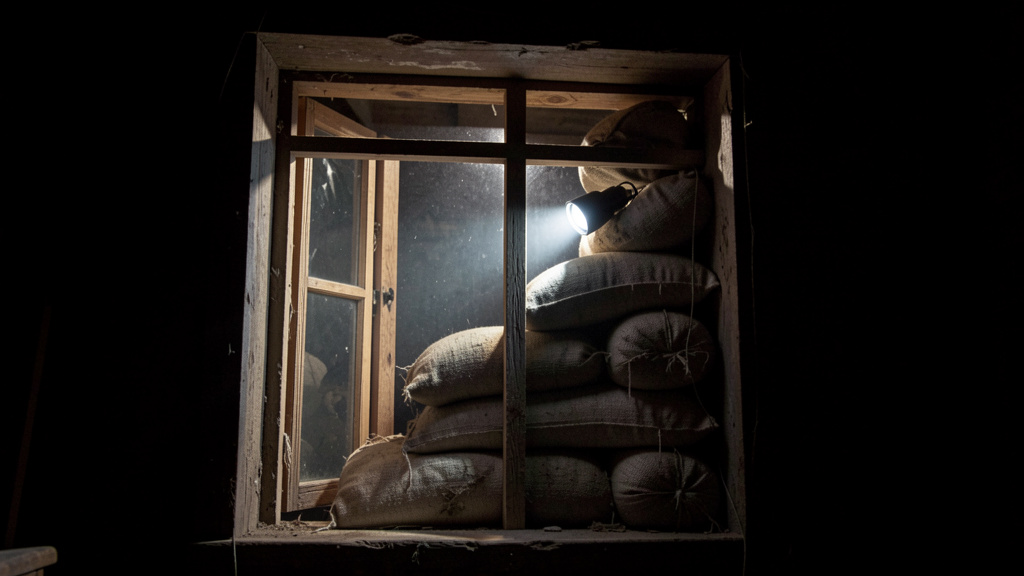
Stop Feeling Overwhelmed. Follow This Step-by-Step Guide to Protect Your Home, Family, and Peace of Mind—No Matter the Storm.
When storm clouds gather on the horizon, that familiar knot of anxiety tightens in your stomach. Will the power hold? Is the garage door secure? Where are the important documents? What if someone gets hurt? You’ve scrolled through fragmented social media tips, bookmarked half-finished checklists, and felt the weight of uncertainty grow with every weather alert. This guide transforms that anxiety into actionable confidence. Developed through analysis of FEMA protocols, Red Cross field reports, community resilience case studies, and building science principles, this isn’t just another list of supplies. It’s a living system designed for real homes, real families, and real-world constraints—whether you face hurricanes on the Gulf Coast, derechos in the Midwest, nor’easters in New England, or sudden thunderstorms anywhere in between. Your journey to unshakable preparedness begins now.
Introduction
Storms don’t negotiate. They arrive with indifference to our schedules, our budgets, or our readiness. Yet patterns observed across decades of community disaster response reveal a consistent truth: households with a documented, practiced plan experience reduced property damage, faster emotional recovery, and greater capacity to support neighbors during crises. This isn’t about fear-mongering or stockpiling extremes. It’s about cultivating practical resilience—the quiet confidence that comes from knowing exactly what to do, when to do it, and why each action matters. Whether you live in a century-old farmhouse, a suburban split-level, a downtown apartment, or a mobile home community, the principles in this guide adapt to your reality. We move beyond generic “have water and flashlights” advice to deliver nuanced, phase-specific strategies that address the hidden friction points most guides ignore: the psychological weight of decision-making under pressure, the logistical puzzle of pet evacuation, the documentation nuances that support insurance processes, and the emotional aftermath that lingers long after skies clear. This is preparedness reimagined—not as a burden, but as an act of care for yourself, your loved ones, and your neighbors.
Understanding Storm Types: Why Your Strategy Must Be Specific
Treating all storms identically is like using a snow shovel to clear a sandstorm—it misses the core threat. Effective preparation begins with recognizing the distinct signature of each storm type. A tornado demands seconds-scale decisions; a hurricane offers days of lead time but requires sustained resource management; a winter storm traps you indoors for extended periods with unique heating and mobility hazards. Confusing these leads to critical misallocation of effort. Below is a detailed breakdown of common storm profiles, their primary threats, and the strategic mindset each requires. Keep this reference visible during weather season—it transforms vague anxiety into targeted action.
Thunderstorms & Derechos: The Sudden Impact Event
- Signature Threats: Damaging straight-line winds (derechos exceed 58 mph over 250+ miles), hail (baseball-sized hail can shatter windows and dent roofs), frequent lightning (causing fires and power surges), flash flooding (especially in urban areas or near waterways), brief tornadoes.
- Critical Window: 30 minutes to 2 hours for severe warnings. Derechos may provide slightly longer radar indication but move rapidly.
- Strategic Mindset: Speed and shelter. Focus shifts entirely to immediate personal safety and protecting against flying debris. Property hardening is limited to pre-storm actions (securing loose items). During the event, location is everything—interior room on the lowest floor, away from windows. Post-event hazards (downed power lines, unstable trees) dominate recovery.
- Real-World Insight: Communities with pre-identified “safe interior rooms” (often windowless bathrooms or closets) consistently report fewer injuries during high-wind events. Families who practiced “where to go in 60 seconds” moved with purpose when warnings sounded.
- Critical Reminder: Never wait for visual confirmation of danger. Lightning can strike miles ahead of rain; tornadoes can form rapidly within severe thunderstorms. If a warning is issued for your area, act immediately.
Hurricanes & Tropical Storms: The Predictable Siege
- Signature Threats: Sustained high winds (causing structural damage, roof loss, flying debris), storm surge (a leading cause of hurricane fatalities—rapid, powerful inundation of coastal areas), torrential rainfall (leading to river flooding miles inland), prolonged power outages (days to weeks), tornadoes spawned in outer bands.
- Critical Window: 3–7 days for initial watches, narrowing to 24–48 hours for evacuation considerations. This extended timeline is both a blessing (time to prepare) and a risk (complacency sets in).
- Strategic Mindset: Phased execution and evacuation clarity. Preparation is methodical. The single most critical decision isn’t if you’ll prepare supplies, but if and when you will evacuate. Know your zone (coastal surge zone vs. inland flood zone), have multiple evacuation routes mapped, and establish a clear trigger (“If the governor issues a mandatory order for Zone A, we leave by Tuesday morning”). For those sheltering in place, focus shifts to structural reinforcement, water security, and communication redundancy.
- Real-World Insight: Households that documented their property before the storm (with dated photos/video stored off-site) processed insurance claims significantly faster than those who waited. Similarly, homes with pre-installed storm shutters or impact-resistant windows typically experience less interior water damage than those relying on last-minute plywood.
- Critical Reminder: Never underestimate surge risk based solely on past experience. Storm surge depends heavily on the storm’s angle of approach, speed, and local topography—not just wind speed. Always follow official guidance for your specific location.
Tornadoes: The Seconds-Scale Crisis
- Signature Threats: Extremely violent, localized winds, flying debris (the leading cause of injury/death), structural collapse, sudden pressure changes.
- Critical Window: Average warning time is 10–15 minutes. Some tornadoes form with little to no warning (“rain-wrapped” or at night).
- Strategic Mindset: Absolute priority on shelter location and speed. There is no time for last-minute preparation once a warning is issued. Your entire strategy hinges on pre-identifying the safest possible location in advance and practicing getting there instantly. Forget “opening windows to equalize pressure”—this is a dangerous myth that wastes precious seconds and increases injury risk from flying glass.
- Real-World Insight: Survivor accounts consistently highlight that knowing exactly where to go (a designated interior room, basement, or storm shelter) without hesitation was critical. Families who conducted “tornado drills” with children (including practicing in the dark) moved with purpose amid chaos.
- Critical Reminder: Never seek shelter under highway overpasses. This creates a wind tunnel effect, increasing wind speed and debris concentration. If caught driving with no sturdy shelter nearby, abandon the vehicle and lie flat in a ditch, covering your head.
Winter Storms & Nor’easters: The Isolation Event
- Signature Threats: Heavy snow/ice accumulation (collapsing roofs, blocking exits, downing power lines), extreme cold (hypothermia, frozen pipes), whiteout conditions (making travel impossible), prolonged isolation (days without power or road access).
- Critical Window: 24–72 hours for forecasts, allowing for supply gathering and home preparation. The danger often escalates after the storm passes due to cold exposure during cleanup.
- Strategic Mindset: Sustained self-sufficiency and heat management. Focus shifts to maintaining core body temperature, preventing carbon monoxide poisoning (from improper generator/heater use), managing limited fuel/resources, and creating safe egress paths. Unlike wind storms, significant hazards frequently emerge during recovery (shoveling strain, falls on ice, CO exposure).
- Real-World Insight: Households with verified non-electric heat options (properly vented propane heaters used outdoors only for warming items, or wood stoves with confirmed chimney safety) avoided dangerous attempts to run generators indoors. Those who pre-staged traction material near exits maintained safer pathways for emergency access.
- Critical Reminder: Never run a gasoline generator inside a garage (even with the door open). Carbon monoxide is odorless, colorless, and deadly. Generators must be placed at least 20 feet away from all windows, doors, and vents. Similarly, using camp stoves or charcoal grills indoors for heat is a frequent cause of fatal CO poisoning during outages.
Flash Floods: The Deceptively Fast Killer
- Signature Threats: Rapidly rising water (just 6 inches of moving water can knock an adult off their feet; 12 inches can carry away most cars), hidden debris and hazards underwater, contaminated water, structural undermining.
- Critical Window: Minutes. Flash floods develop with terrifying speed, especially in burn scars (post-wildfire areas), urban zones with poor drainage, or near dams/levees.
- Strategic Mindset: Vertical evacuation and absolute avoidance of water. Never attempt to walk, swim, or drive through floodwaters. “Turn Around, Don’t Drown” is a critical survival rule. If flooding begins while you’re indoors, move immediately to the highest possible level (attic, roof) and signal for help. Do not wait until water is at your door.
- Real-World Insight: Survivors who moved to upper floors before water entered the ground floor were rescued safely. Those who waited to “see how high it gets” became trapped as water rose faster than expected, blocking stairwells and exits.
- Critical Reminder: Never underestimate water depth and force. Roads may appear passable but be washed out beneath the surface. Vehicles provide minimal protection—most flood-related fatalities occur in cars. If your planned evacuation route crosses low-water crossings, have a pre-identified alternate route.
The Three-Phase Resilience Framework: Your Roadmap to Confidence
Preparation is not about fear; it’s about freedom—the freedom to face uncertainty with confidence, to protect what matters most without panic, and to emerge from adversity with your spirit intact. This framework moves beyond fragmented checklists to create a cohesive system where each phase logically supports the next. Think of it as building a bridge: Phase 1 (Before) constructs the sturdy foundation and anchor points. Phase 2 (During) is the careful crossing, relying entirely on that foundation. Phase 3 (After) is the inspection and reinforcement, ensuring the bridge is stronger for next time. Skipping any phase compromises the entire structure. Communities practicing this cyclical approach consistently demonstrate more efficient recovery and greater psychological resilience. Let’s build your bridge, step by deliberate step.
Phase 1: Before the Storm – Building Your Foundation of Readiness (The 72-Hour Countdown and Beyond)
This phase is where the majority of your impact is made. It’s not a single task completed days before a storm—it’s an ongoing state of readiness punctuated by targeted actions as threats emerge. We break it into two layers: Baseline Readiness (maintained year-round) and Activation Protocol (triggered by forecasts).
Baseline Readiness: The Always-Ready Home
- Why This Layer is Crucial: Storms rarely provide perfect warning. A sudden microburst or nighttime tornado offers zero activation time. Baseline readiness ensures your household has a functional safety net always. It eliminates frantic last-minute scrambling, which leads to critical oversights (forgetting medications, leaving pets behind) and dangerous decisions (driving in worsening conditions to buy supplies).
- How to Implement It Correctly:
- The Core Emergency Kit (Stored in an Accessible, Known Location): Maintain a dedicated bin (clear plastic tub with lid) containing: 1 gallon of water per person/pet per day for 3 days (rotate every 6 months), 3-day supply of non-perishable food (energy bars, canned goods with pull-tabs, dried fruit—no cooking required), manual can opener, battery-powered or hand-crank NOAA Weather Radio, flashlight + extra batteries (store batteries separately to prevent corrosion), first-aid kit (expand beyond basics: include prescription meds list, EpiPens, insulin cooling case), whistle, dust mask, local maps (physical, marked with evacuation routes), cell phone charger (solar or hand-crank), cash in small bills ($100–$200), copies of critical documents (see documentation section below). Place this kit near your designated shelter location.
- Home Hardening Audit (Conducted Biannually): Schedule this with seasonal changes (spring/fall). Walk your property perimeter: Are gutters clear? Are dead branches within 20 feet of the house trimmed? Are outdoor furniture, grills, potted plants, and trash cans secured or stored? Check window integrity—replace cracked panes. Test garage door reinforcement (if applicable). Verify sump pump function (pour water into pit). Inspect roof for loose shingles. This isn’t about perfection; it’s about mitigating the most obvious projectile hazards.
- Digital Preparedness: Save critical contacts in your phone: local emergency management, utility companies, insurance agent, family out-of-area contact. Bookmark official weather sources (NWS, local emergency management social media). Enable Wireless Emergency Alerts (WEAs) on all devices—do not disable them. Store digital copies of insurance policies, IDs, medical records in a secure cloud folder (Google Drive, iCloud) with shared access to a trusted out-of-area contact.
- Common Mistakes to Avoid:
- Storing the emergency kit in the attic or basement. During a tornado warning, you won’t have time to retrieve it. Keep it where you shelter.
- Letting water/food supplies expire. Set a recurring calendar reminder (every 6 months) to rotate supplies. Use expiring items in regular meals and replace them.
- Assuming your phone will work. Cell towers fail. A NOAA radio is essential for official updates. Hand-crank options eliminate battery anxiety.
- Ignoring pet needs. Baseline kit must include pet food, water, leash, carrier, vaccination records, and comfort item. Practice getting pets into carriers calmly.
Activation Protocol: The 72-Hour Countdown
When a storm threat enters the 72-hour window (hurricane watch, severe thunderstorm outlook with high risk), shift into targeted activation. This is methodical, not frantic.
-
72 Hours Out: Information & Communication Lockdown
- Action: Identify your single most reliable information source (e.g., National Weather Service website/app, local emergency management Twitter/X account). Mute non-official social media to avoid rumor panic. Finalize your family communication plan: Who is the out-of-area contact? (Choose someone unlikely to be affected by the same storm, e.g., relative in another state). Confirm meeting spots: 1) Near home if separated during storm; 2) Outside neighborhood if home is inaccessible. Practice sending a group text now to ensure everyone’s phone numbers are correct. Charge all devices (phones, power banks, laptops). Fill vehicle gas tanks—stations lose power quickly.
- Why This Step is Crucial: Information chaos is a major stressor. Designating one trusted source prevents decision paralysis from conflicting reports. The out-of-area contact acts as a communication hub when local networks are congested (it’s often easier to call out of the area than within it). Full gas tanks enable timely evacuation if ordered and prevent dangerous fuel shortages later.
- Budget Alternative: No power bank? Use a car charger while driving to top up phones before sheltering. No cloud storage? Use a USB drive stored in your emergency kit (but recognize it’s vulnerable if the kit is damaged).
- Real-Life Friction Point: “My teenager won’t answer texts during games.” Solution: Practice the protocol now. Agree on a specific signal (e.g., three rapid texts) that means “Check weather app immediately.” Involve them in choosing the out-of-area contact.
-
48 Hours Out: Supply Amplification & Property Fortification
- Action: Amplify your baseline kit: Fill additional water containers (bathtub, clean trash cans lined with food-grade bags—only if no sewage risk), purchase extra non-perishable food, batteries, cash. For hurricanes/winter storms: Fill propane tanks, ensure generator is fueled and tested (OUTDOORS ONLY), stock sandbags if flood-prone. Fortify property: Install storm shutters or pre-cut plywood for windows (label each piece for its window). Secure all outdoor items—nothing should be left loose. Move vehicles into garage or away from trees/power lines. Park facing the direction of your evacuation route. Bring in potted plants, garden tools, children’s toys.
- Why This Step is Crucial: Water is often the first critical shortage post-storm. Amplifying supply reduces dependence on potentially compromised municipal systems. Securing property before winds pick up prevents your belongings from becoming dangerous projectiles that damage your home or neighbors’. Pre-cutting plywood saves invaluable time and reduces injury risk (cutting wood in high winds is dangerous).
- Common Mistake: Waiting until the last minute to buy plywood or sandbags. Stores sell out rapidly. Having pre-cut materials stored (labeled!) is a game-changer. Never tape windows—it does not prevent shattering and creates larger, more dangerous shards. Shutters or plywood are the only effective barriers.
- Rental/Homeowner Nuance: Renters: Focus on securing your belongings (patio furniture, bikes). Document pre-existing property damage with photos now to avoid disputes later. Discuss evacuation plans with landlord if building-wide (e.g., apartment complex shelter location). Homeowners: Verify shutters are properly anchored. Check garage door bracing kits (many fail under wind pressure without reinforcement).
-
24 Hours Out: Final Verification & Mental Preparation
- Action: Conduct a final walk-through using your pre-made checklist. Verify emergency kit is accessible. Confirm all family members know the plan: shelter location, communication steps, pet protocol. Fill sinks, bathtubs, and clean containers with water for non-drinking uses (flushing toilets, washing). Set refrigerator/freezer to coldest settings. Unplug sensitive electronics (TVs, computers) to protect from surges. If evacuating: Pack “go-bags” (see below), load vehicle, secure home (lock doors/windows), turn off utilities only if instructed (gas shutoff requires professional restart; water shutoff prevents contamination if pipes break). If sheltering: Move to interior room, gather supplies, put on sturdy shoes and helmet (bike/hard hat) for debris protection.
- Why This Step is Crucial: The mental shift from “preparing” to “executing” reduces panic. Verifying details builds collective confidence. Filling containers provides crucial water for sanitation when pressure drops. Unplugging electronics prevents costly damage from grid fluctuations during restoration. Mental preparation—acknowledging fear but focusing on the plan—is as vital as physical prep.
- Critical Nuance on Utilities: Do not turn off natural gas unless you smell gas, hear hissing, or see damage. Improper shutoff can create hazardous leaks when restarting. Only trained personnel should restore gas. Turning off main water before a predicted major impact (like a hurricane) can prevent flooding from broken pipes inside your walls. Know where your main shutoff valves are now and ensure everyone over 12 knows how to operate them.
- The Go-Bag (For Evacuation): A separate, portable kit (backpack/duffle) for each person: 3 days of medications, copies of IDs/insurance, cash, phone charger, change of clothes, sturdy shoes, hygiene items, comfort item for children, pet carrier/leash/food. Keep it by the door. This is distinct from your main emergency kit.
Phase 2: During the Storm – Executing with Calm Precision
This phase tests your preparation. Panic is the enemy of safety. Your actions here are almost entirely dictated by decisions made before the storm. Trust your plan. Your role shifts from preparer to protector and observer.
Sheltering in Place: The Protocol for Safety
- Location is Non-Negotiable: Go to your pre-identified safest location before conditions deteriorate. For tornadoes/hurricanes: lowest level, interior room, no windows (bathroom, closet, hallway). Put as many walls as possible between you and the outside. For flooding: move upward immediately—attic or roof. For winter storms: stay in one heated room to conserve warmth; close off unused rooms.
- During the Event Checklist:
- Monitor Official Sources: Use your NOAA radio. Avoid windows. Do not go outside to “check conditions”—debris travels at lethal speeds.
- Protect from Debris: Sit on the floor, under a sturdy table if possible. Cover yourself with mattresses, heavy blankets, or helmets. Wear sturdy shoes and long sleeves/pants before sheltering—flying glass and splinters cause most injuries.
- Manage Communication: Conserve phone battery. Send a single group text to your out-of-area contact: “SAFE IN SHELTER [LOCATION] [TIME].” Avoid calling unless life-threatening emergency—networks are overloaded. Use social media only to signal safety to a wide network if texts fail (“All safe in basement – J. Smith”).
- Address Anxiety (Yours and Others’): Breathe slowly (4 seconds in, 6 seconds out). For children: use calm, simple language (“We’re in our safe spot. The house is strong. We’re listening to the radio.”). Sing familiar songs, tell stories in the dark. For pets: keep leashed or in carrier; speak calmly. Their anxiety mirrors yours.
- Critical “Do Nots”: Do not use candles (fire risk). Do not run generators indoors or in garages (CO poisoning). Do not open windows (myth—increases damage). Do not leave shelter until officially declared safe (multiple tornadoes can follow; hurricane eyewall has calm then violent winds return).
- Real-World Scenario: During a tornado warning, the power flickers and dies. Wind howls. A child starts crying. Your trained response: “Remember our drill? We’re safe here. Let’s count our breaths together: 1…2…3…” You shine a flashlight calmly on a book, reading aloud. You avoid saying “Don’t be scared”—acknowledge feelings (“It’s loud, isn’t it? Our walls are keeping us safe”). This deliberate calm is contagious and prevents escalation.
Evacuation: When Staying is More Dangerous
- The Decision Trigger: Evacuate only when directed by authorities for your specific zone, or if you observe immediate, life-threatening conditions (rapidly rising floodwater, structural damage to home, fire). Do not wait until the last minute—roads become impassable.
- Execution Protocol:
- Before Leaving: Take your go-bags. Lock doors/windows. Turn off utilities only if instructed and safe to do so. Leave a note on the door with your destination and contact info. Take pets—shelters increasingly accommodate them, or identify pet-friendly hotels in advance.
- During Travel: Follow designated evacuation routes (avoid shortcuts—roads may be blocked). Keep windows up, doors locked. Drive slowly; debris may be on roads. If traffic stops, stay in vehicle unless instructed otherwise by officials. Keep emergency kit accessible in car.
- If Trapped: If floodwaters rise around your car, abandon it immediately and move to higher ground. If tornado threatens while driving: park away from traffic, get below window level (floorboards), cover head. Do not seek shelter under overpasses.
- Psychological Friction Point: “But my house might get looted.” Data from FEMA and insurance studies consistently shows looting is far less common than feared post-disaster. First responders prioritize life safety. Protecting human life is always the priority over property. Trust the system; your safety is irreplaceable.
Special Circumstances During the Storm
- Power Outage Management: Assume it will happen. Use flashlights, not candles. Open fridge/freezer only when necessary—food stays cold ~4 hours (frozen food ~48 hours if full). Group family members to share body heat if cold. In winter storms, close curtains at night for insulation; open on sunny days for passive heat.
- Medical Emergencies: Have a pre-storm plan with your healthcare provider for critical needs (dialysis, oxygen). Know the location of the nearest emergency shelter with medical support. If a life-threatening emergency occurs during the storm, call 911—but understand response may be delayed until conditions allow. Provide clear location details.
- Communication Failure: If all tech fails, rely on your pre-established meeting spots. Trust that your out-of-area contact is your hub. Write notes if moving between locations (“Gone to Smith St shelter – Mom”).
Phase 3: After the Storm – Navigating Recovery with Clarity and Care
The storm has passed. Relief washes over you. This is a critical phase. Complacency sets in. Hazards are hidden. Emotions run high. Recovery is a marathon, not a sprint. Your actions now influence the safety and efficiency of your return to stability.
Immediate Safety Assessment (First 1–2 Hours)
- Do NOT Exit Immediately: Wait for official “all clear” if possible. Listen to NOAA radio for updates. Structural damage may not be visible; secondary hazards can occur.
- Exiting Protocol: Wear sturdy shoes, long pants, gloves. Watch for downed power lines—assume all are live. Stay far away (at least 30 feet) and report to utility company. Check for gas leaks (smell of sulfur/rotten eggs, hissing sound)—if suspected, evacuate immediately, do not operate switches or lighters, call gas company from neighbor’s house. Look up for hanging branches or damaged structures before moving outside.
- Document Before Touching Anything: This supports insurance processes. Take extensive photos and video before moving debris or making temporary repairs. Capture overall damage, close-ups of specific damage (roof, windows, interior water stains), serial numbers of damaged appliances. Date-stamp if possible. This visual evidence is valuable for claims.
- Temporary Repairs (Only if Safe): Cover broken windows with plastic sheeting/tarp. Place tarps over roof holes. Do not make permanent repairs until insurance adjuster approves. Keep all receipts for materials/labor—these may be reimbursable. Safety first: if climbing a ladder feels unsafe, wait for professionals.
Navigating Insurance and Documentation
- Contact Insurer Promptly: Call your agent as soon as communication is possible. Provide policy number, brief damage description. Ask: “What is the claims process timeline?” “Do I need pre-approval for temporary repairs?” “Can you recommend licensed contractors?” Get claim number and adjuster contact.
- The Damage Inventory: Create a detailed list of all damaged/destroyed items. Include: Description, approximate age, purchase price (receipts/photos help), current estimated value. For electronics: model/serial numbers. Be thorough—clothing, linens, pantry items count. This inventory, paired with your pre-storm documentation (see Phase 1), streamlines claims.
- Beware of Storm Chasers: After major storms, unlicensed contractors (“storm chasers”) may appear, offering quick fixes with high-pressure tactics. Never pay large upfront fees. Verify licenses and insurance before signing contracts. Get multiple written estimates. Check with BBB and state licensing board. Legitimate contractors understand the insurance process and work with your adjuster.
- Emotional Reality: Claims processes can be stressful. Keep a dedicated notebook for all communications: date, time, name, summary of conversation. Be polite but persistent. If denied unfairly, ask for the specific policy clause and request escalation. Many states have insurance department advocates to assist policyholders.
Physical and Emotional Recovery
- Safety During Cleanup: Wear PPE: N95 mask (mold/dust), goggles, heavy gloves, steel-toed boots. Beware of wildlife displaced into homes (snakes, rodents). Use caution with chainsaws—many post-storm injuries occur during DIY tree removal. Hire professionals for major structural work or large trees near power lines/houses. Stay hydrated; take frequent breaks. Heat exhaustion is a real risk during summer storm cleanup.
- Mental Health is Physical Health: Acknowledge the experience. It’s normal to feel anxious, irritable, have trouble sleeping, or experience flashbacks. Talk about it with family, friends, or support groups. Limit exposure to distressing media coverage. Re-establish routines as soon as possible (meals, bedtime). For children: maintain calm demeanor, encourage drawing/talking about feelings, limit news exposure. Seek professional help if symptoms persist beyond two weeks or interfere with daily function. Resources: SAMHSA Disaster Distress Helpline (1-800-985-5990), Crisis Text Line (text HOME to 741741).
- Community Connection: Check on neighbors, especially elderly or disabled individuals. Share resources (water, tools) if you have surplus. Volunteer with established organizations (Red Cross, local churches) rather than self-deploying—uncoordinated efforts can hinder professional response. Helping others fosters resilience and restores a sense of control.
The Learning Loop: Updating Your Plan
- Conduct a Post-Event Review (Within 1 Week): Gather your household. Discuss: What worked well in our plan? What caused stress or confusion? What supplies did we run out of? What would we do differently next time? Update your written plan, checklists, and contact lists accordingly. Rotate any used/expired supplies in your emergency kit. This transforms experience into valuable data for future resilience. This step is what separates reactive households from truly resilient ones.
Building Your Storm Preparedness Kit: A Room-by-Room Implementation Guide
A generic “emergency kit” list fails because it ignores how homes function. Supplies get scattered, forgotten, or inaccessible when seconds count. This room-by-room approach integrates preparedness into your daily environment, making readiness effortless and intuitive. Think of it as “pre-positioning” critical resources where they’re needed most. Maintain these locations year-round; refresh supplies during seasonal time changes (spring forward/fall back).
| Room/Area | Core Items (Baseline) | Activation Additions (72-Hour Window) | Critical “Why” & Pro Tips |
|---|---|---|---|
| Designated Shelter Location (Interior closet/bathroom) | Clear plastic tub: NOAA radio, flashlight + batteries, whistle, dust masks, local map, cash, copies of critical docs, first-aid kit, water (1 gal/person), non-perishable snacks, manual can opener, phone power bank | Add: Extra water containers (filled), comfort items (blankets, stuffed animals), helmets, sturdy shoes, pet carrier/leash/food | This is your lifeline during the event. Keep it uncluttered. Practice opening it blindfolded. Label the tub “STORM SHELTER – DO NOT MOVE.” |
| Kitchen | Water storage (food-grade containers), non-perishable food stockpile (canned goods, energy bars, dried fruit), manual can opener, camp stove with fuel stored separately, matches/lighter in waterproof container | Fill sinks/bathtubs with water (for sanitation), amplify food/water stores, pack cooler with ice for perishables if power out <4 hrs | Water is priority #1. Store water away from direct sunlight. Rotate food stock using “first-in, first-out” method. Camp stove is ONLY for outdoor use post-storm. |
| Bedroom(s) | Sturdy shoes under bed, flashlight on nightstand, whistle on keychain, change of clothes (long sleeves/pants), N95 masks in drawer | Pack go-bag (meds, copies of IDs, cash, hygiene items, comfort object), charge all devices overnight | Seconds matter. Shoes protect from broken glass/debris when evacuating in dark. Whistle signals rescuers if trapped. Go-bags ready = no last-minute panic. |
| Garage/Utility Room | Tool kit (hammer, nails, duct tape, utility knife), heavy-duty tarps, rope, work gloves, safety goggles, N95 masks, battery-powered work light | Pre-cut plywood labeled for windows, sandbags (if flood-prone), generator (tested, fuel stored safely outside), propane tanks filled | Property protection hub. Label plywood pieces with window dimensions/location (e.g., “LIVING ROOM WINDOW – 36×48”). Store fuel in approved containers away from living areas. |
| Vehicle | Emergency car kit: Jumper cables, flares/reflectors, blanket, water, non-perishable snacks, first-aid kit, phone charger, ice scraper, small shovel | Fill gas tank, pack go-bags, load evacuation supplies (pet carrier, important docs), verify spare tire pressure | Mobile safety net. Keep kit in trunk year-round. In winter storms, add cat litter (traction), extra warm clothing. Never store water bottles in car in extreme heat (plastic leaches). |
| Digital Space (Cloud/USB) | Scanned copies: Insurance policies (home, auto, life), IDs (driver’s license, passport), medical records, prescriptions, property deed/mortgage info, pet vaccination records | Update with recent photos/video of entire home interior/exterior (room-by-room), inventory of valuables | Insurance claim accelerator. Store in password-protected cloud folder shared with out-of-area contact. USB drive in emergency kit is backup (vulnerable to damage). Date all files. |
Specialized Kit Additions:
* Infant/Child Kit: Formula (ready-to-feed preferred), bottles, diapers, wipes, comfort items, favorite books/toys, child-specific meds. Practice calming techniques before storms.
* Elderly/Medical Needs Kit: 7-day supply of all medications (rotate!), list of prescriptions/dosages/doctors, medical devices (CPAP with battery backup option), oxygen supply plan, copies of advance directives, hearing aid batteries.
* Pet Kit: 7-day food/water, collapsible bowls, leash/harness, carrier (labeled with contact info), vaccination records, photo of pet (for ID if separated), comfort item, waste bags, pet first-aid basics. Microchip pets now—it’s the best chance of reunion.
Securing Your Property: Exterior and Interior Hardening Techniques That Actually Work
“Hardening” isn’t about turning your home into a fortress—it’s about strategically reducing vulnerabilities to common storm impacts. Focus efforts where they deliver the highest return: preventing wind-driven rain intrusion, mitigating projectile damage, and protecting structural integrity. Prioritize based on your top local threat (hurricane = windows/roof; tornado = shelter location; winter storm = roof load/heat retention).
Exterior Hardening: The First Line of Defense
- Roof Reinforcement (Critical for High Winds): The roof is the most vulnerable component. Focus on the connection between roof and walls. Hurricane Straps/Clips: Metal connectors fastened between rafters/trusses and top wall plates. This is widely regarded as one of the most cost-effective structural upgrades for wind resistance—helps prevent roof uplift. Hire a licensed contractor; costs vary by region and home size. Roof Deck Attachment: Ensure roof sheathing is secured with ring-shank nails (not staples) per modern building codes. An inspector can verify this. Regular Maintenance: Replace missing/damaged shingles immediately. Clean gutters biannually—clogged gutters cause water backup under shingles and ice dams in winter.
- Window and Door Protection (Non-Negotiable for Wind/Rain): Impact-Resistant Windows: Best long-term solution (tested to withstand debris impact). Expensive but adds value and may reduce insurance premiums. Storm Shutters: Accordion, roll-down, or Bahama-style offer excellent protection and quick deployment. Plywood Panels: Most affordable effective option. Pre-cut to fit each window/door opening. Label each piece clearly (“KITCHEN WINDOW”). Store with corresponding hardware (screws, drill bits) in a marked container. Install before winds reach 30 mph—doing it in high winds is dangerous and ineffective. Myth Busting: DO NOT TAPE WINDOWS. Tape does not prevent shattering. It creates larger, more dangerous shards of glass and wastes critical time. Focus energy on proper barriers.
- Garage Door Bracing (A Hidden Weak Point): Standard single-car garage doors can fail at relatively low wind speeds, potentially causing internal pressurization that compromises structural integrity. Solution: Install a garage door reinforcement kit (vertical braces that attach to the door sections). Cost varies. Test your door’s strength now—if it flexes significantly when pushed firmly, it needs bracing. For double-wide doors, professional assessment is highly recommended.
- Yard and Perimeter Mitigation: Tree Management: Hire a certified arborist to assess trees within 50 feet of your home. Remove dead/diseased limbs (“widowmakers”). Thin dense canopies to allow wind passage (reduces sail effect). Never top trees—it weakens them. Secure Loose Objects: Create a “storm-ready” storage protocol: Patio furniture → garage/shed. Grills → disconnect propane tank, store tank upright outside away from structure, store grill covered. Trash cans → store in garage or secure with bungee cords to fixed object. Potted plants → bring inside or lay flat. Children’s toys → store in shed/bin. Drainage: Ensure downspouts extend at least 5 feet from foundation. Clean French drains. Fill sandbags only if flood warning is imminent (store empty bags and sand nearby for quick deployment).
Interior Hardening: Safety Within the Shelter
- Identify Your Safe Room: This is paramount. Best: Underground storm shelter or basement. Next Best: Small, windowless interior room on the lowest floor (bathroom, closet, hallway). Why these work: Multiple interior walls provide structural redundancy; plumbing in bathrooms adds strength; small spaces are less likely to collapse completely. Avoid: Rooms with exterior walls, windows, or large spans (like great rooms). Apartment Dwellers: Identify the most interior room/closet on the lowest floor. Avoid ground-floor units if flood-prone; know building evacuation routes and shelter locations. Mobile Home Residents: No mobile home is safe during a tornado. Your plan must include evacuation to a designated community shelter or sturdy permanent structure before warnings are issued. Know the location of the nearest shelter now.
- Reinforce the Safe Room (If Feasible): For existing interior rooms, adding mass strengthens protection. Store your emergency kit tubs, water containers, or mattresses against the exterior-facing wall of the safe room. This adds ballast against debris impact. Install heavy-duty deadbolts on the safe room door.
- Utility Safety Protocols: Know Your Shutoffs: Locate main water valve (usually near water meter or where supply enters house), main electrical panel, natural gas meter. Tag valves with bright tape. Ensure all responsible adults know how to operate them. Practice turning water valve off/on. Surge Protection: Install whole-house surge protectors at the electrical panel (requires electrician). Use UL-listed surge-protecting power strips for sensitive electronics (TVs, computers)—not just extension cords. Unplug electronics before the storm arrives for maximum protection.
- Winter-Specific Interior Prep: Prevent Frozen Pipes: Insulate pipes in unheated areas (garage, crawl spaces, attics). During extreme cold warnings: drip faucets served by exterior walls, keep cabinet doors open under sinks, set thermostat no lower than 55°F even if away. Heat Source Safety: If using supplemental heat (propane heater), ensure it is outdoor-rated only and used outside to warm items brought in. Never use camp stoves, charcoal grills, or gasoline generators indoors. Install battery-operated CO detectors on every level and near sleeping areas—test monthly.
Special Considerations: Ensuring No One is Left Behind
True preparedness is inclusive. Generic plans fail vulnerable populations. Integrate these considerations into your core framework—not as an afterthought, but as essential design elements. Compassion is a critical component of resilience.
Caring for Pets and Service Animals
- Pre-Storm Integration: Include pets in drills. Practice loading carriers calmly. Ensure pets are microchipped and tags are current. Photograph each pet with you (proves ownership) and store in cloud/docs kit. Keep vaccination records accessible.
- Evacuation Reality: Identify pet-friendly hotels along your evacuation route (call ahead to confirm policy). Compile a list of boarding facilities, veterinary clinics, or trusted friends/family outside the risk zone who can shelter pets. Many Red Cross shelters now partner with animal welfare groups for co-located pet sheltering—verify local protocols before a storm. Never leave pets behind “to fend for themselves.” They cannot survive structural collapse, floodwaters, or lack of food/water.
- Sheltering in Place: Keep pets leashed or in carriers during the storm—they may panic and hide or bolt. Include familiar bedding/toys in their carrier to reduce stress. Have a two-week supply of food/meds in your kit. For service animals: Ensure backup harnesses/leashes are available. Document the animal’s role and your dependency for shelter access.
Supporting Elderly Family Members, Individuals with Disabilities, or Chronic Medical Conditions
- Personalized Plan Development: Involve the individual directly. What are their specific needs? Mobility limitations? Sensory impairments (hearing loss may require visual weather alerts)? Cognitive considerations? Medical equipment dependencies (oxygen, dialysis, refrigerated meds)? Create a written “Personal Assistance Plan” with photos of equipment, contact info for providers, medication schedules.
- Medical Continuity Strategy: Work with healthcare providers in advance on emergency protocols. For oxygen users: Have a backup portable tank and know supplier’s emergency contact. For refrigerated meds: Use a cooler with ice packs; know pharmacy’s emergency refill policy. Maintain a 7–14 day medication supply (discuss with doctor/pharmacist). Keep a printed list of all medications, dosages, allergies, doctors, and insurance info in the emergency kit and on your person.
- Evacuation Assistance: Identify neighbors, family, or community resources (local Office on Aging, disability services) who can assist with evacuation if needed. Practice the evacuation sequence. For wheelchair users: Verify evacuation routes are accessible; have a manual backup plan if power chairs fail. Register with your local emergency management’s special needs registry if available—this alerts responders to your location and needs post-disaster (research privacy policies first).
Preparing Children: Building Confidence, Not Fear
- Age-Appropriate Communication: Toddlers/Preschoolers: Focus on safety and routine. “We have a special safe spot in the house where we go when the wind gets loud. We’ll bring your teddy bear.” School-Age: Explain simply using science (“Storms are like the weather getting very strong for a little while. Our house is built to be strong too.”). Involve them in kit preparation (“You pick the snacks for our safe spot!”). Teens: Engage them as partners. Assign meaningful roles (monitoring weather radio, managing pet kit, leading younger siblings to shelter). Discuss the “why” behind steps to build buy-in.
- Practice Through Play: Conduct low-stress “drills” during calm weather. Time how fast the family can get to the safe room. Make it a game (“Beat our record!”). Practice using flashlights. Role-play scenarios (“What if the power goes out during dinner?”). This builds muscle memory and reduces panic.
- Addressing Anxiety: Validate feelings: “It’s okay to feel scared. I feel a little nervous too, but I know our plan keeps us safe.” Limit exposure to dramatic media coverage. Focus on helpers (meteorologists, first responders). Post-storm, encourage expression through drawing or talking. Watch for signs of prolonged distress (sleep changes, regression, clinginess) and seek support if needed. Resources: National Child Traumatic Stress Network (nctsn.org).
Renters: Maximizing Preparedness Within Constraints
- Know Your Rights and Responsibilities: Review your lease. Landlords are typically responsible for structural integrity (roof, windows, foundation), major systems (electrical panel, main water shutoff), and common areas. Tenants are responsible for securing personal property and following building safety protocols. Document pre-existing damage with dated photos now to avoid deposit disputes later.
- Focus on What You Control: Secure your belongings (furniture straps for tall bookcases, securing outdoor items on balconies/patios). Create your personal emergency kit and go-bags. Develop your family communication plan. Identify the building’s designated shelter area (if any) and evacuation routes. Discuss storm protocols with landlord before storm season: “Where is the main water shutoff? What is the building’s plan for generator use in common areas?”
- Evacuation Clarity: Know if your building has mandatory evacuation protocols. Identify pet-friendly evacuation options early. Keep critical documents and go-bags easily accessible near your door. Renters insurance is strongly recommended—it covers your personal property and liability. Review coverage limits annually.
Navigating Insurance and Documentation: Your Post-Storm Advocacy Toolkit
Insurance is a key component of financial recovery after a storm, but navigating claims without preparation is challenging. Proactive documentation transforms you from a passive claimant into an informed participant. This section provides practical steps, language, and evidence needed to support a smoother process. Start this work long before clouds gather.
Pre-Storm Documentation: The 20-Minute Investment That Saves Significant Effort Later
- The Digital Home Inventory: Dedicate one afternoon per year (schedule it!) to create a comprehensive visual record. Walk through every room with your smartphone. Record a continuous video, narrating as you go: “Master bedroom—king bed, dresser, two nightstands. Closet: suits, dresses…” Open drawers and closets. Capture serial numbers on electronics (TVs, laptops, appliances). Store this video in a secure cloud folder (Google Drive, Dropbox) with a clear filename: “Home Inventory – [Address] – [Date].” Share access with your out-of-area contact or trusted family member. Alternative: Use a free app like Encircle, KnowYourStuff (IIA), or even a dedicated photo album on your phone backed up to cloud.
- Critical Document Vault: Scan and store digital copies of: Homeowners/Renters insurance policy (declarations page), auto insurance, life insurance, mortgage documents, property deed, IDs (driver’s license, passport), medical records, pet vaccination records. Organize in a folder labeled “EMERGENCY DOCS.” Print a condensed physical copy (2–3 pages) with policy numbers, agent contact info, and critical IDs to keep in your emergency kit.
- Why This Works: After a disaster, memory is unreliable. Stress clouds recall. Having dated, visual proof of your possessions and policy details eliminates guesswork and supports claims. Adjusters process claims with clear documentation more efficiently. This also protects against misunderstandings.
During the Storm: Capturing Critical Evidence
- If Safe and Possible: Take photos/video of conditions as the storm impacts your property (e.g., rising floodwater at specific landmarks, wind damage beginning). This establishes timeline and causation. Only do this if you are in a safe location (inside, away from windows).
- Immediately Post-Storm (Before Cleanup): This is the most critical documentation window. Before moving anything:
- Exterior Panorama: Stand at each corner of your property. Take wide shots showing overall damage context.
- Room-by-Room Interior: Start at the entrance. Pan slowly around each room. Capture water lines on walls, ceiling stains, debris locations.
- Close-Ups: Focus on specific damage: broken window with glass pattern, roof hole showing sky, water-damaged flooring close-up, serial number on ruined appliance.
- Damaged Items: Photograph individual destroyed items (sofa, electronics, clothing piles) against a recognizable background.
- Date/Time Stamp: Ensure your phone camera settings include date/time stamp. If not, hold up a dated newspaper or handwritten note in one photo per area.
- Pro Tip: Use a measuring tape in close-up shots to show scale of damage (e.g., “hole is 18 inches wide”). This adds credibility.
Filing the Claim: A Step-by-Step Protocol
- Contact Insurer Immediately: Call your agent or claims hotline as soon as communication is possible. Have policy number ready. State clearly: “I am filing a claim for storm damage occurring on [date] at [address].” Get claim number, adjuster name, contact info, and expected timeline.
- Submit Initial Documentation: Email your pre-storm inventory video/photos and post-storm documentation to the claims department. Reference your claim number in the subject line. This jumpstarts the process.
- Prepare for the Adjuster Visit: Create a written summary: Timeline of events, list of damaged areas/items (reference your inventory), copies of pre-storm photos for comparison. Be present during the inspection. Point out all damage—adjusters can miss things. Take notes on their observations. Ask: “What is the next step?” “When can I expect the estimate?” “Do I need pre-approval for temporary repairs?”
- Temporary Repairs: Only make repairs necessary to prevent further damage (cover roof hole, board broken window). Keep all receipts. Take photos before and after repairs. Get written approval from the adjuster if possible before spending significant money.
- Review the Settlement Offer: Scrutinize the adjuster’s estimate. Does it cover all documented damage? Are depreciation amounts fair? Compare line items to your inventory. If items are missing or undervalued, provide additional evidence (receipts, photos, contractor estimates) and request a supplement. Be polite but firm: “I appreciate the initial estimate. I have additional documentation for the damaged HVAC system that wasn’t included. Can we review this?”
- Beware of Pitfalls:
- “Assignment of Benefits” (AOB) Scams: Never sign an AOB giving a contractor direct control of your insurance claim without consulting your agent first. This can lead to complications. Work directly with your insurer.
- Storm Chasers: Verify contractor licenses before signing. Get multiple written estimates. Never pay more than 10–15% upfront. Legitimate contractors work with your insurance timeline.
- Policy Limits: Know your coverage limits (dwelling, personal property, loss of use) before a storm. Consider scheduled personal property riders for high-value items (jewelry, art).
- If Disagreement Occurs: Request a re-inspection. Ask for the specific policy language supporting their decision. Escalate to a supervisor. Contact your state’s Department of Insurance consumer advocacy division—they mediate disputes free of charge. As a last resort, consult a public adjuster (hired by you, paid a percentage of settlement) or attorney specializing in insurance law.
Overcoming Common Obstacles: Practical Solutions for Real Constraints
Preparedness isn’t one-size-fits-all. Budget limits, rental agreements, small spaces, and time constraints create real friction. Dismissing these barriers breeds guilt and inaction. Instead, embrace adaptable strategies. Resilience is built incrementally. Every small step counts. Here’s how to navigate the most common hurdles with dignity and effectiveness.
“I Can’t Afford a Full Emergency Kit”
- The Micro-Step Strategy: Build your kit over 3–6 months. Allocate $5–$10 per grocery trip. Month 1: Buy extra water bottles (rotate into kit). Month 2: Add canned goods. Month 3: Purchase flashlight/batteries. Month 4: Add first-aid supplies. Month 5: Get NOAA radio. Month 6: Assemble documents. Progress, not perfection.
- Budget Hacks: Use empty soda bottles (thoroughly cleaned) filled with tap water for emergency water storage. Repurpose old backpacks as go-bags. Source gently used tarps, ropes, or tools from community swaps or local groups. Dollar stores offer affordable flashlights, whistles, dust masks, and basic first-aid items. Prioritize: Water > Food > Light/Communication > Comfort.
- Community Resources: Check if your local fire department, Red Cross chapter, or community center offers free emergency kit workshops or discounted supplies. Some utility companies provide free weather radios. Libraries often lend tools (ladders, drills) for home projects.
“I Rent My Home / Live in an Apartment”
- Focus on Portable Preparedness: Your power lies in what you can control: your personal emergency kit, go-bags, communication plan, and knowledge. Secure furniture to walls with affordable anti-tip straps (available at hardware stores). Use removable adhesive hooks for hanging emergency supplies near your door. Store water containers under beds or in closets.
- Apartment-Specific Protocol: Identify the building’s designated shelter area (stairwell? interior hallway?) and evacuation routes now. Introduce yourself to neighbors—build a “floor buddy” system for checking on each other post-storm. Know building management’s emergency contact and protocol. For balcony items: Store lightweight furniture indoors during storm season; secure heavier items with bungee cords to railings only if building policy allows.
- Advocate Respectfully: At tenant meetings, suggest building-wide preparedness: Request management install hurricane straps on common-area windows, maintain clear evacuation routes, or host a Red Cross safety workshop. Frame it as enhancing property value and resident safety.
“I Have Limited Storage Space”
- Vertical and Multi-Functional Storage: Use under-bed storage containers for water, blankets, documents. Install shelving in closets for kit components. Choose multi-use items: A camping lantern that also charges phones; a thermal blanket that doubles as ground cover; a bucket with toilet seat lid for sanitation.
- Decentralized Kit Strategy: Instead of one large tub, create mini-kits: “Shelter Kit” (radio, light, docs) in closet; “Kitchen Kit” (water, food) under sink; “Go-Bag” by door. This makes supplies accessible where needed and fits into small spaces.
- Digital Over Physical: Maximize cloud storage for documents. Use apps for checklists and contact lists instead of printed papers. Store critical info on a password-protected USB drive kept in your wallet or go-bag.
“I Don’t Have Time for This”
- The 15-Minute Weekly Habit: Break preparation into tiny, sustainable actions. Week 1: Bookmark weather apps and set phone alerts. Week 2: Locate your water shutoff valve and take a photo. Week 3: Buy one extra water bottle for your kit. Week 4: Text family your out-of-area contact plan. Consistency beats intensity.
- Anchor to Existing Routines: Rotate emergency water when you change smoke alarm batteries (twice a year). Review your family plan during monthly family meetings. Pack go-bag items while watching TV. Integrate preparedness into habits you already have.
- Delegate and Involve: Assign age-appropriate tasks to family members. “Teen: Research pet-friendly hotels on evacuation route.” “Spouse: Check generator fuel this weekend.” “Child: Pick snacks for the safe room kit.” Shared ownership builds collective resilience and distributes effort.
“I Feel Overwhelmed by Information”
- Start with ONE Phase: Don’t try to master Before, During, and After today. Pick one actionable step from Phase 1: “This weekend, I will find my water shutoff valve and take a photo.” Master that. Then add the next micro-step. Momentum builds confidence.
- Curate Your Sources: Unfollow chaotic social media accounts. Subscribe only to official sources: National Weather Service (weather.gov), FEMA app, your county emergency management Twitter/X account. Limit weather checking to 2x/day during non-threatening periods to avoid anxiety.
- Find Your Community: Join a local CERT (Community Emergency Response Team) program—free training builds skills and connections. Connect with neighbors to share resources (one family buys bulk water, another has a generator). You are not alone. Resilience is a community endeavor.
Your Questions, Answered
Q: How much water do I really need per person? Is 1 gallon per day enough?
A: FEMA and Red Cross guidelines specify at least 1 gallon per person per day for drinking and sanitation. However, this is a minimum baseline. In hot climates, for pregnant/nursing individuals, or for those with medical needs, 1.5–2 gallons is prudent. Prioritize drinking water first. For sanitation (flushing toilets, washing), water from filled bathtubs, sinks, or stored containers is sufficient. Remember: a standard bathtub holds 30–50 gallons—fill it before the storm hits for non-potable uses. Rotate stored drinking water every 6 months; water for sanitation doesn’t require rotation but should be stored in clean, covered containers.
Q: Should I really unplug all my electronics before a storm? Isn’t a surge protector enough?
A: Unplugging is the only 100% effective way to protect electronics from a direct or nearby lightning strike, which can induce massive power surges that overwhelm even high-quality surge protectors. Surge protectors (especially UL-listed ones with a high joule rating) are excellent for everyday minor surges and should be used year-round, but they are sacrificial devices—they absorb the surge and may be destroyed in the process, potentially taking your connected devices with them during a major event. For significant storm threats (hurricanes, severe thunderstorms with lightning), unplug sensitive electronics (TVs, computers, game consoles, modems/routers). For essential items you can’t unplug (refrigerator), ensure they are on a quality surge protector. This small action prevents costly replacements and data loss.
Q: What’s the absolute safest place in my house during a tornado if I don’t have a basement?
A: The safest location is a small, windowless, interior room on the lowest floor—typically a bathroom or closet. Why these work best: Bathrooms often have reinforced walls due to plumbing pipes; closets are centrally located with multiple walls between you and the outside. Get into the bathtub and cover yourself with a mattress or heavy blankets for added debris protection. Avoid rooms with exterior walls, windows, or large open spans (like living rooms with vaulted ceilings). If in a mobile home, leave immediately for a designated sturdy shelter—no interior location is safe. In an apartment building, go to the lowest floor possible, into the most interior hallway or closet away from windows. Do not use elevators.
Q: How do I know if my roof is storm-ready? What should I look for?
A: Conduct a visual inspection twice a year (spring and fall). From the ground with binoculars: Look for missing, cracked, curled, or blistered shingles; excessive granule loss in gutters (looks like black sand); sagging areas of the roof deck; damaged or missing flashing around chimneys, vents, and skylights. Inside your attic on a sunny day: Look for pinpricks of light (indicates holes) or water stains on rafters/sheathing. For a definitive assessment, hire a licensed roofing contractor for a pre-storm inspection—they can check roof deck attachment, flashing integrity, and ventilation. Critical upgrade: Ensure hurricane straps/clips connect the roof framing to the top wall plates; this is often invisible from outside but is a key factor in wind resistance. Ask your contractor to verify this.
Q: Is it safe to use a generator to power my refrigerator during an outage?
A: Yes, but only if used with extreme caution. Generators save food and prevent spoilage, but improper use causes deadly carbon monoxide (CO) poisoning. Non-negotiable rules: 1) Operate generator outdoors only, at least 20 feet away from all windows, doors, and vents. 2) Never run it in a garage, carport, or under an overhang—even with doors open. CO is odorless and can seep into your home. 3) Install battery-operated CO detectors on every level of your home and near sleeping areas; test monthly. 4) Use heavy-duty, outdoor-rated extension cords rated for the generator’s wattage. 5) Let the generator cool completely before refueling (hot engines ignite gasoline vapors). Consider a transfer switch installed by an electrician for safer, more convenient whole-house connection. Never plug a generator directly into a wall outlet (“backfeeding”)—this is illegal and can electrocute utility workers restoring power.
Q: What should I do if I see a downed power line after a storm?
A: Treat every downed line as live and extremely dangerous—even if it’s not sparking. Electricity can travel through the ground, puddles, or fences. Immediate actions: 1) Stay far away (at least 30 feet—more for high-voltage lines). 2) Do not touch anything or anyone in contact with the line (including fences, vehicles, or puddles). 3) If a power line falls on your car while you’re inside: Stay put! The car’s metal frame may be energized. Honk horn, flash lights to alert others. Only exit if fire forces you out—jump clear without touching car and ground simultaneously, land with feet together, shuffle away (don’t run) keeping feet close. 4) Call 911 and your utility company immediately to report the location. Warn others to stay away. Never attempt to move a line with sticks, poles, or other objects.
Q: How can I keep my medications safe if the power goes out for days?
A: Planning is critical for temperature-sensitive meds (insulin, some biologics, epinephrine). Before the storm: Ask your pharmacist for travel-sized coolers or insulated pouches. Get a small, dedicated cooler just for meds. Have ice packs ready (freeze them pre-storm). For insulin: Unopened vials can be stored at room temperature (59–86°F) for up to 28 days; check specific drug guidelines. During outage: Keep meds in the cooler with ice packs. Minimize opening the cooler. Never store insulin directly on ice (can freeze and become ineffective)—wrap ice packs in towels. For refrigerated meds with no cooling option: Contact your doctor or pharmacist before the storm for specific guidance; some have short-term stability at room temp. Critical: Maintain a printed list of all medications, dosages, prescribing doctors, and pharmacy contact info in your emergency kit. For oxygen users: Have a backup portable tank and know your supplier’s emergency protocol. Discuss contingency plans with your healthcare provider annually.
Q: What’s the difference between a Watch and a Warning? Why does it matter?
A: This distinction is vital for knowing when to act. Watch (Be Prepared): Conditions are favorable for a specific hazard (tornado, severe thunderstorm, hurricane) to develop. Time to review your plan, check supplies, stay informed. Watches cover large areas and can last several hours. Warning (Take Action Now): The hazard is imminent or occurring. Time to execute your plan immediately—seek shelter or evacuate. Warnings are issued for smaller, specific areas and last 30–60 minutes (tornado) or several hours (hurricane). Memory aid: “Watch = Watch the sky and stay alert. Warning = Warning! Take shelter now.” Enable Wireless Emergency Alerts (WEAs) on your phone—they deliver warnings directly even if you’re not watching TV. Never ignore a Warning.
Q: How do I help my anxious child cope during a storm without dismissing their fears?
A: Validation is key. Avoid “Don’t be scared” or “It’s nothing to worry about.” Instead: “I hear that the wind is loud and scary. It’s okay to feel nervous. Our house is strong, and we have a safe plan.” Offer concrete control: “Would you like to hold the flashlight?” “Let’s count our breaths together: 1…2…3…” Use distraction: Read a favorite book by flashlight, sing songs, play “I Spy” in the dark. For younger children, frame it positively: “We get to have a special adventure in our cozy safe spot!” Practice calming techniques before storms (deep breathing, mindfulness). Post-storm, encourage expression through drawing or play. Limit their exposure to distressing news coverage. If anxiety significantly disrupts sleep or daily activities for more than two weeks, consult a pediatrician or child therapist. Resources like the National Child Traumatic Stress Network (nctsn.org) offer free guides for parents.
Q: Do I really need cash? Won’t cards work after the storm?
A: Yes, cash is essential. Power outages disable ATMs, credit card machines, and gas pumps. Cell network failures prevent mobile payments. In the immediate aftermath, cash is often the only way to purchase critical supplies (water, fuel, food) from small vendors or neighbors. Keep $100–$200 in small bills ($1s, $5s, $10s) in your emergency kit and go-bag. Rotate this cash annually to avoid degraded bills. Use it for: Paying for a hotel room if evacuated, buying supplies from a local store that’s open but can’t process cards, tipping someone who helps you, or contributing to community relief efforts. Think of it as your immediate liquidity lifeline when digital systems fail.
Q: What should I do if I’m separated from my family when a storm hits?
A: Your pre-established communication plan is critical. Before separation: Ensure everyone knows the out-of-area contact person (choose someone unlikely to be affected). Program this contact’s number into every phone. Agree on two meeting spots: 1) A location near home (e.g., neighbor’s house) if separated locally. 2) A location outside your neighborhood (e.g., library, community center) if you cannot return home. During separation: Do not drive around looking for family—roads may be blocked or dangerous. Go directly to the pre-agreed meeting spot. If unable to reach it, go to the out-of-area contact’s location if feasible. Send a single text to the out-of-area contact: “SAFE AT [LOCATION] [TIME].” Texts often get through when calls fail. Trust the plan. First responders prioritize life-saving efforts; searching for family diverts critical resources. Reunification centers are often set up by Red Cross or emergency management post-disaster—know the location of the nearest one.
Q: How long should I wait before going outside after the storm passes?
A: Wait for official confirmation that it is safe. Listen to your NOAA Weather Radio or official emergency alerts for the “all clear.” Do not assume the storm is over because the rain stops or winds die down—this could be the calm of a hurricane’s eye, with violent winds returning shortly. Even after the all-clear, exercise extreme caution: Downed power lines may be hidden under debris or water. Structural damage to buildings, bridges, or trees may not be visible. Wait until daylight if possible to assess hazards. Wear sturdy shoes, long pants, gloves, and eye protection when exiting. Check on neighbors, especially the elderly or disabled. Report hazards (downed lines, gas leaks) to authorities immediately. Patience prevents secondary injuries.
Conclusion: From Preparedness to Resilience
You now hold more than a checklist—you possess a living system. A system built on understanding storm-specific threats, executing deliberate actions across three critical phases, adapting to real-world constraints, and honoring the emotional journey of preparedness. Let’s crystallize the core pillars that transform information into enduring resilience:
- Knowledge Over Fear: You can distinguish a Watch from a Warning. You know why taping windows is dangerous and where your water shutoff valve lives. This knowledge replaces anxiety with agency. You understand that preparation is not about predicting the unpredictable, but about building capacity to respond to any challenge.
- Phased Execution Over Panic: The Three-Phase Resilience Framework provides your anchor. Baseline readiness ensures you’re never starting from zero. The Activation Protocol turns chaos into calm sequence. During the event, you trust your pre-identified shelter and communication plan. Afterward, you navigate recovery with clarity, documentation, and compassion. This structure is your psychological safety net.
- Inclusive Preparedness Over Isolation: You’ve considered the needs of children, elders, pets, and neighbors. You recognize that true resilience is woven through community connection—checking on the elderly couple next door, sharing resources, volunteering with established groups. Your strength multiplies when shared.
The 24-Hour Rule: Your Immediate Next Step
Within the next 24 hours, complete one tangible action that moves you from reading to doing. Choose the step that feels most achievable right now:
* If you have 5 minutes: Text your family group chat: “Our out-of-area emergency contact is [Name] at [Phone Number]. Save this now.”
If you have 15 minutes: Locate your home’s main water shutoff valve. Take a clear photo with your phone. Text it to yourself with the caption “WATER SHUTOFF – KNOW HOW TO TURN OFF.”
If you have 30 minutes: Fill one empty water bottle from your recycling bin with tap water. Label it “EMERGENCY WATER – ROTATE [Today’s Date + 6 Months].” Place it in your kitchen cabinet.
This single action breaks the inertia of overwhelm. It proves you can do this. Momentum begins with motion.
The Big Picture: Preparedness as an Act of Care
Storm preparedness is rarely about the storm itself. It is a profound expression of care—for your family’s safety, your home’s integrity, your community’s well-being, and your own peace of mind. It is the quiet confidence of knowing you have done what you can. It is the dignity of self-reliance paired with the humility to accept help. It is the legacy of teaching your children that challenges are met with preparation, not panic. Each documented photo, each secured outdoor chair, each practiced drill is a thread woven into the fabric of resilience. This fabric does not prevent storms from coming. But it ensures that when they do, you stand firm—not in fear, but in readiness. You are not just preparing for a storm; you are cultivating a mindset of proactive care that enriches every day, long after the skies clear. Your journey continues. Share this knowledge. Support your neighbors. Update your plan. Your resilience inspires others. The work is never truly finished—but with each step, you build a safer, stronger, more compassionate world, one household at a time.
Explore Our Complete System:
Creating a Home Emergency Communication Plan That Actually Works | Budget-Friendly Home Hardening: 10 Upgrades Under $100 | The Ultimate Guide to Water Storage and Purification for Emergencies | Building Community Resilience: How to Organize a Neighborhood Preparedness Network | Post-Disaster Emotional First Aid: Supporting Yourself and Your Family | Pet Preparedness Deep Dive: Evacuation Plans, Kits, and Reunification Strategies | Understanding Your Homeowners Insurance Policy: A Room-by-Room Coverage Guide