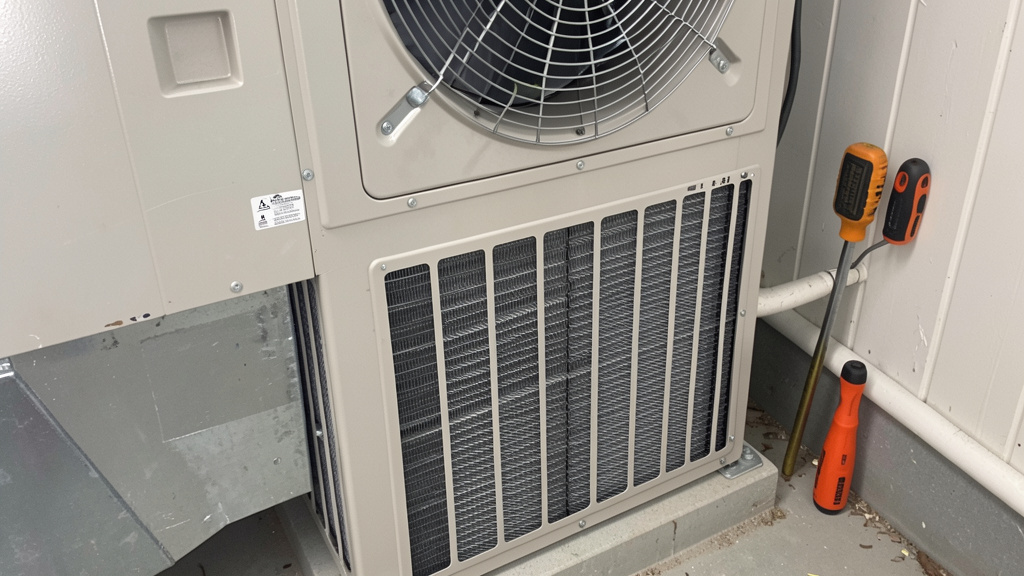
Navigate minor HVAC disruptions with informed confidence. This guide provides methodical, safety-focused steps for accessible troubleshooting while explicitly defining when professional expertise is essential—prioritizing your well-being and system integrity above all.
When your heating or cooling system behaves unexpectedly, the impulse to seek immediate professional help is understandable. Yet many routine disruptions stem from simple, accessible causes—like a depleted thermostat battery or a restricted air filter—that homeowners can safely address with clear protocols and deliberate caution. This resource offers structured guidance for common scenarios where DIY intervention is appropriate, while rigorously emphasizing critical boundaries. You’ll gain practical knowledge to restore comfort when feasible, sharpen your ability to recognize genuine emergencies, and cultivate a more informed partnership with your home’s climate system. True empowerment lies not in attempting every repair, but in discerning which actions align with safety, skill, and system design.
Introduction: Cultivating Informed HVAC Stewardship
Your HVAC system operates as an integrated network of mechanical, electrical, and airflow-dependent components. When performance falters, discomfort follows—but not every symptom signals major failure. Industry experience suggests a meaningful portion of routine service visits address issues resolvable through foundational homeowner maintenance. This guide reframes HVAC interaction: not as a test of technical prowess, but as an exercise in mindful observation, safety discipline, and respectful system engagement. Recognizing that a blank thermostat display often traces to replaceable batteries—not catastrophic breakdown—shifts perspective from anxiety to agency. This mindset reduces unnecessary service calls during minor disruptions while sharpening vigilance for authentic warning signs. Safety, patience, and contextual awareness form the cornerstone of responsible HVAC care, whether you’re replacing a filter or deciding it’s time to call a certified technician. Understanding your system’s rhythms fosters proactive stewardship without overstepping prudent boundaries.
The SAFE HVAC Approach: A Framework for Calm, Confident Action
Before interacting with any component, adopt a consistent methodology. Random intervention risks injury, equipment damage, or misdiagnosis. The SAFE Approach—Safety Verification, Access Preparation, Focused Diagnosis, Evaluation Protocol—transforms uncertainty into structured problem-solving. This isn’t a rigid checklist but a cognitive scaffold designed to anchor decisions in evidence, not urgency. Each phase builds deliberately on the last, embedding pause points for reflection and verification. Whether addressing a silent outdoor unit or weak airflow, this framework cultivates the same systematic mindset professionals rely on: moving with intention, not impulse. Industry best practices consistently affirm that methodical processes significantly reduce common troubleshooting errors—from electrical assumptions to overlooked root causes. Internalizing SAFE builds lasting competence while honoring your personal comfort zone.
Phase 1: Safety Verification – Confirm De-energization (Non-Negotiable)
Why this phase matters: HVAC systems integrate high-voltage electricity (often 240V), potential fuel sources, and components retaining charge after shutdown. Assuming power is off without verification invites serious risk. Safety Verification is the absolute prerequisite for any physical interaction—no exception.
How to execute properly:
1. Locate all power sources: Identify the outdoor disconnect box (weatherproof enclosure near the condenser) AND the dedicated circuit breaker in your main electrical panel (typically labeled “AC,” “Furnace,” or “HVAC”). For gas-fired systems, locate the manual gas shutoff valve on the supply line entering the unit.
2. Execute dual shutdown: Turn OFF the circuit breaker first. Then pull the disconnect fuse block at the outdoor unit. For gas systems, rotate the valve lever 90 degrees until perpendicular to the pipe (closed position). Never rely solely on the thermostat.
3. Verify de-energization: Use a non-contact voltage tester (NCVT) rated for HVAC applications. Test terminals at the outdoor disconnect, furnace service panel screws, and any component you intend to touch. Hold steadily for 3 seconds. No indicator = proceed. Verification transforms assumption into certainty.
4. Document baseline: Photograph wiring connections, switch positions, and component layouts before disassembly. This visual reference prevents reassembly errors.
Common pitfalls to avoid:
– Thermostat misconception: Setting the thermostat to “Off” halts system calls but leaves internal components energized. Capacitors may retain charge long after power loss.
– Single-point shutdown: Flipping only the breaker leaves the outdoor circuit live; pulling only the disconnect leaves indoor circuits active. Dual shutdown is essential.
– Skipping verification: Never bypass voltage testing. It takes seconds and prevents irreversible consequences.
– Overlooking gas systems: During furnace-related checks, failing to secure the gas valve introduces ignition hazards. Treat gas lines with the same caution as electrical components.
Accessible adaptation: A reliable NCVT is an affordable safety essential. Borrow one if needed—no repair warrants skipping verification.
Critical exception: If you detect gas odor (rotten egg scent), see smoke, or observe flames—EVACUATE immediately. Call emergency services from outside. Do not operate switches or attempt shutdown. Safety Verification applies only to non-emergency scenarios.
Phase 2: Access Preparation – Opening Components with Care
Why this phase matters: Forcing panels damages fragile housings, wiring, or mounting hardware—turning a simple task into a complex repair. Thoughtful access preserves system integrity, prevents new issues, and builds familiarity with your unit’s unique configuration. It shifts the question from “Where do I start?” to “How does this assemble?”
How to execute properly:
1. Identify fasteners: Note screw types (Phillips, Torx/star, slotted) or clip mechanisms. Match tools precisely to avoid stripping. Keep a small magnetic parts tray nearby.
2. Work deliberately: Remove screws in a sequential pattern (like tire lug nuts) to prevent panel warping. Place each screw immediately into the tray—never on the unit or floor. For clip-style panels, use a plastic putty knife (not metal) to gently release latches.
3. Handle wiring respectfully: If wires connect to the panel, reference your pre-access photo. Note terminal labels (R, C, G, Y, W). Unclip harnesses gently; never pull wires.
4. Prepare your workspace: Place a tarp under outdoor units to catch small parts. Wear safety glasses in dusty environments like attics. Access includes creating a safe, organized space.
Common pitfalls to avoid:
– Metal prying tools: Flathead screwdrivers crack plastic housings and risk shorting terminals. Plastic tools flex safely; metal tools cause damage.
– “Screw dumping”: Tossing fasteners leads to loss or cross-threading. A $2 magnetic tray prevents frustration.
– Ignoring manufacturer cues: Panels often feature “REMOVE FIRST” arrows or warning labels. Heed them—they exist for operational or safety reasons.
– Rushing reassembly: Forcing panels misaligns clips, creating air gaps that compromise efficiency or invite moisture. Align edges fully before securing screws.
Practical analogy: Opening an HVAC panel resembles careful preparation before any precise task—you organize tools, document steps, and handle components with respect. Patience here prevents cascading complications later.
Phase 3: Focused Diagnosis – Evidence Before Action
Why this phase matters: Jumping to replace parts (“It must be the capacitor!”) wastes resources and obscures the true cause. Effective troubleshooting follows observable evidence: document symptoms precisely, isolate variables, and test hypotheses logically. This phase ensures you address the root issue, not just the visible symptom.
How to execute properly:
1. Document symptoms concretely: Instead of “AC isn’t cooling,” note: “Indoor air feels warm after 10 minutes; outdoor fan spins but compressor hums then clicks off; frost visible on large copper line.” Specifics guide accurate diagnosis.
2. Follow the “Least Intrusive First” sequence:
– Verify thermostat settings, mode (“Auto” vs. “Fan On”), and battery status
– Inspect and replace air filter if dirty
– Confirm power at disconnects and breakers
– Clear visible obstructions (debris on condenser, blocked vents)
– Then proceed to component-level checks if needed
3. Test before replacing: Suspect a capacitor? Measure with a multimeter against its labeled rating. Suspect a clogged drain? Pour water into the access port to observe flow before disassembly. Evidence guides action.
4. Change one variable at a time: Clean condenser coils, then test. Don’t clean coils, replace the filter, and reset breakers simultaneously—you won’t know which step resolved the issue (or introduced a new one).
Common pitfalls to avoid:
– Part roulette: Purchasing multiple components hoping one works wastes money and creates disposal challenges. Test first.
– Ignoring context: Is outdoor temperature extreme? Did new furniture block a return vent? Environmental factors explain many perceived failures.
– Overlooking user settings: Thermostat accidentally set to “Emergency Heat”? Fan mode on “On” instead of “Auto”? Verify settings before touching hardware.
– Skipping fundamentals: A loose low-voltage wire can mimic major failure. Recheck simple items thoroughly.
Illustrative example: A clicking sound from a furnace might prompt ignition module replacement. Methodical diagnosis would first include a visual inspection and gentle tap-test on panels—revealing a loose screw vibrating against the housing. Tightening the screw resolves the issue without cost or complexity.
Phase 4: Evaluation Protocol – Validate, Monitor, Document
Why this phase matters: A repair isn’t confirmed until the system operates correctly under representative conditions. Rushing this step misses residual issues (intermittent faults) or creates new hazards (improper reassembly). Evaluation closes the loop, confirms resolution, and builds a valuable repair history.
How to execute properly:
1. Restore power systematically: Reinsert disconnect fuse block → Open gas valve (if closed) → Flip circuit breaker ON. Allow 60 seconds for control boards to initialize.
2. Conduct staged testing:
– Thermostat check: Set to “Fan On.” Confirm blower runs smoothly with no unusual noises. Switch to “Cool” or “Heat.” Listen for proper sequence: outdoor fan starts → compressor engages (or gas valve clicks → igniter glows → burners light).
– Performance check: Run system 15+ minutes. Measure temperature difference between supply and return vents (a healthy AC system typically shows a 14–20°F drop; use two thermometers if no infrared tool is available). Verify strong, consistent airflow.
– Safety scan: Note any burning odors (beyond initial dust burn-off on first heat cycle), grinding/screeching sounds, or unexpected moisture.
3. Monitor beyond initial test: Observe operation over the next 24 hours. Does it maintain temperature? Cycle normally? Display error codes?
4. Document the intervention: In a home maintenance log, record: Date, Observed Symptom, Action Taken, Parts Used, Notes. Example: “July 15: Weak airflow noted. Replaced visibly soiled 20x25x1 filter. Airflow restored immediately. Filter heavily loaded; will inspect monthly during peak usage periods.”
Common pitfalls to avoid:
– “It turned on, so it’s fixed”: Operation alone doesn’t confirm health. Performance metrics and stability matter more.
– Skipping sensory checks: Unusual smells or sounds indicate developing issues. Stop operation immediately if detected.
– No documentation: Forgetting steps complicates future troubleshooting. Your log becomes invaluable during technician consultations.
– Ignoring seasonal relevance: Testing AC during mild weather won’t reveal cooling limitations. Validate under conditions reflecting typical use when safely possible.
Accessible adaptation: Without an infrared thermometer, tape one standard thermometer to a supply vent grille and another to a return grille. Run AC 15 minutes. Subtract return temperature from supply temperature. A difference within the expected range suggests proper airflow and function.
Guiding Principle: HVAC troubleshooting mastery resides not in technical complexity, but in disciplined process: verify safety before action, diagnose through evidence before replacement, and validate performance through observation after intervention. Respect the system’s design, and it reveals its patterns.
Applying the SAFE Approach: Twelve Common Scenarios with Clear Boundaries
This section translates the SAFE framework into practical guidance for frequent, accessible scenarios. Each entry includes symptom identification, phased execution, critical cautions, and adaptive options. Always complete Phase 1 (Safety Verification) before proceeding. These address situations where root causes typically involve accessible, low-risk components. If symptoms deviate significantly from descriptions, stop and consult a qualified professional. Your safety and system integrity are paramount.
Scenario 1: Thermostat Unresponsive or Display Blank
Symptom Profile: Screen dark, buttons unresponsive, or system ignores temperature changes. Critical distinction: Is only the thermostat affected, or is the entire HVAC system inactive? Check other devices on the same circuit.
Typical Causes: Depleted batteries (battery-powered models), tripped GFCI outlet (for thermostats with wall adapters), loose low-voltage wiring, or temporary power disruption. Rarely indicates thermostat failure.
SAFE Execution:
– Safety: Turn OFF HVAC circuit breaker. Prevents accidental activation during handling.
– Access: Remove faceplate (typically snaps off or has hidden screws). Note wire colors at terminals (R, C, G, Y, W). Photograph connections.
– Diagnosis & Action:
1. Replace batteries with fresh, name-brand alkalines—even if recently changed (corrosion can block contact).
2. For hardwired units with C-wire: Check nearby GFCI outlets (garage, basement, utility room). Press “Reset” firmly.
3. Gently reseat wires at terminals. Ensure bare copper contacts metal terminals, not insulation.
4. Perform soft reset: Remove batteries/unplug adapter for 60 seconds. Reconnect. Wait 2 minutes for reboot.
– Evaluation: Restore power. Confirm display functions, buttons respond, and system activates per settings. Monitor for 60 minutes.
Key Considerations:
– Pitfall: Assuming thermostat failure and replacing unnecessarily. GFCI outlets are a frequent culprit for “dead” thermostats with adapters.
– Adaptation: Keep spare thermostat batteries in your maintenance kit. A GFCI tester ($5) confirms outlet function.
– Boundary: If display flickers erratically or shows garbled text after reset/battery replacement, internal circuitry may be compromised. Discontinue DIY efforts and seek professional evaluation.
Scenario 2: Restricted Airflow from Clogged Filter
Symptom Profile: Weak airflow from vents, extended runtime, ice forming on refrigerant lines (AC mode), or furnace cycling off prematurely (overheating protection). Always inspect the filter first—it resolves more airflow complaints than any other single action.
Typical Causes: Filters accumulate dust, dander, and debris. When saturated (often within 30–90 days depending on pets, allergies, or environment), airflow diminishes significantly. This strains the blower motor, reduces heat exchange efficiency, risks evaporator coil freezing (AC), or triggers safety limits (furnace).
SAFE Execution:
– Safety: Turn OFF system at thermostat. Power shutdown isn’t required solely for filter replacement, but prevents cycling during access.
– Access: Locate filter slot—typically at return air grille (wall/ceiling) or inside furnace/air handler cabinet (slide-out tray near blower). Note airflow direction arrow on existing filter.
– Diagnosis & Action:
1. Remove old filter. Hold to bright light. If light doesn’t pass through most of the surface, it’s restricted.
2. Wipe slot edges with a microfiber cloth. Vacuum loose debris from grille.
3. Insert new filter matching exact dimensions (printed on old frame: e.g., 20x25x1). Ensure airflow arrow points toward the furnace/air handler.
– Evaluation: Set thermostat to “Fan On” for 5 minutes. Confirm strong, consistent airflow from all vents. Monitor system runtime over the next cycle—should normalize. Schedule next inspection.
Key Considerations:
– Pitfall: Installing filter backward (reduces efficiency, strains motor) or using incorrect size (allows bypass airflow). Some systems have multiple filters—check thoroughly.
– Contextual Insight: Neglected filters contribute to higher energy use and increased strain on critical components like compressors or heat exchangers over time. This simple maintenance task supports overall system health.
– Adaptation: Buy filters in bulk for cost efficiency. Set recurring calendar reminders. If temporarily out of filters, gently vacuum large debris from the surface of the existing filter—but replace within 48 hours. Never operate without a filter.
Scenario 3: Tripped Circuit Breaker or Blown Fuse
Symptom Profile: Entire HVAC system inactive—no fan operation, thermostat display off, outdoor unit silent. May follow a brief operational period or audible “click.”
Typical Causes: Breakers trip (or fuses blow) due to electrical overload: short circuit, component strain (e.g., seized motor), or transient surge (storm, grid fluctuation). Repeated tripping signals an underlying fault requiring professional diagnosis.
SAFE Execution:
– Safety: CRITICAL. Stand clear of electrical panel. Wear dry footwear. Use one hand only when operating breakers. If panel feels hot, smells burnt, or shows discoloration—STOP. Contact a licensed electrician immediately.
– Access: Locate main electrical panel. Identify HVAC breaker (usually double-pole, labeled “AC,” “Furnace,” or “HVAC”). For outdoor disconnects with fuses, use insulated pliers to remove fuse block.
– Diagnosis & Action:
1. Turn breaker handle firmly to FULL OFF position (past any “Trip” zone). Wait 10 seconds.
2. Turn breaker firmly to ON. Listen for distinct engagement. Do not “jiggle” the handle.
3. For fuses: Inspect glass window for broken filament or discoloration. Replace only with identical amp-rated fuse. Never substitute with foil, coins, or higher-rated fuses.
4. If breaker trips immediately upon reset: STOP. Do not reset repeatedly. This indicates a significant fault (short circuit, mechanical seizure). Leave breaker OFF.
– Evaluation: If breaker holds: Restore thermostat settings. Verify system powers on and operates normally for 15 minutes. Monitor for unusual sounds or smells. If tripping recurs within hours or days, document the pattern and contact a technician.
Key Considerations:
– Pitfall: Resetting breakers multiple times rapidly (generates heat, damages contacts) or ignoring repeated tripping as “nuisance events.”
– Critical Nuance: A single trip after a severe storm may relate to a transient surge. Two trips in quick succession warrant investigation. Three trips indicate a definite fault requiring professional assessment. Respect the breaker’s protective function.
– Emergency Protocol: If tripping occurs with buzzing, visible sparks, or burning odor—evacuate the area, leave the breaker OFF, and contact an electrician or HVAC professional immediately. Do not approach the panel.
Scenario 4: Frozen Evaporator Coil (Due to Airflow Restriction)
Symptom Profile: AC runs but delivers warm air. Visible ice on the large insulated copper line near the indoor unit or frost on the access panel. Water pooling under the air handler. Only proceed if the cause is confirmed as airflow-related (clogged filter, blocked vents).
Typical Causes: Insufficient airflow (from dirty filter, closed vents, blower issues) causes evaporator coil temperature to drop below freezing. Moisture in the air freezes on coil fins. Ice acts as insulation, worsening performance and potentially stressing the compressor. Never chip or strike ice—thermal shock can crack delicate coils.
SAFE Execution:
– Safety: Turn OFF AC at thermostat. Turn OFF HVAC circuit breaker. Ice combined with electrical components creates severe shock hazard. Wait for complete thaw before any access.
– Access: Remove air filter. Open evaporator coil access panel only if designed for homeowner access per your manual. Do not force panels.
– Diagnosis & Action:
1. Thaw phase: Set thermostat fan to “ON” (heat off). Allow blower to circulate room-temperature air over the coil for 2–4 hours. Place towels under the unit to absorb meltwater. Patience is essential.
2. Address root cause: Replace clogged air filter. Ensure all supply and return vents are fully open and unobstructed. Verify blower wheel spins freely (only after confirming power is OFF).
3. Dry thoroughly: After ice melts completely, run fan “ON” for 30 minutes to evaporate residual moisture inside the cabinet.
– Evaluation: Restore power. Run AC. Monitor airflow strength and cooling. Check copper lines after 30 minutes—should feel cold but dry. If ice returns quickly, an underlying issue persists (possible refrigerant concern or blower problem)—contact a professional.
Key Considerations:
– Pitfall: Using hair dryers, heat guns, or hot water to accelerate thawing (fire risk, damages insulation). Chipping ice with tools (punctures coil fins). Restarting AC before the coil is fully dry (causes immediate re-freezing).
– Why Airflow Matters: Evaporator coils rely on precise airflow to maintain temperature above freezing. Significant restriction disrupts this balance. Filter replacement isn’t optional maintenance—it’s operational necessity.
– Adaptation: During thawing, position box fans to gently circulate room-temperature air toward return vents. Never introduce external heat sources near electrical components.
Scenario 5: Clogged Condensate Drain Line (AC/Heat Pump)
Symptom Profile: AC cycles off unexpectedly. Water leaking under the indoor unit. Primary drain pan overflowing. Float switch activated (if equipped). Common in humid conditions or after extended runtime.
Typical Causes: Condensate (moisture removed from humid air) drains via PVC pipe. Algae, mold, or dust accumulate, especially at P-traps or low points. Blockage causes water backup, triggering safety switches that shut down the system to prevent water damage.
SAFE Execution:
– Safety: Turn OFF AC at thermostat. Electrical shutdown isn’t required solely for drain clearing.
– Access: Locate drain line access—typically a T-fitting with removable cap near the air handler, or the drain pipe exit point outside your home. Have bucket and towels ready.
– Diagnosis & Action:
1. Vacuum method (safest): Attach wet/dry vacuum hose securely over the drain outlet (outside) or access port (inside). Seal gaps with a rag. Run vacuum 2–3 minutes to extract clog.
2. Flush method: Pour 1 cup distilled white vinegar down the access port. Wait 20–30 minutes (dissolves organic buildup). Follow with 2 cups warm (not boiling) water. Never use bleach—it can corrode internal coils if backflow occurs.
3. Snake method (stubborn clogs): Gently feed a flexible drain snake or stiff wire into the line. Rotate while advancing. Stop if significant resistance is met—do not force.
– Evaluation: Restore AC. Place a small container under the drain outlet to confirm steady drip. Check the primary drain pan inside the unit is dry. Monitor operation for 60 minutes. Consider installing a float switch if not present—it provides affordable overflow protection.
Key Considerations:
– Pitfall: Using compressed air (forces clog deeper, risks water intrusion into electrical areas). Pouring boiling water (warps PVC pipes). Ignoring the secondary drain line (clean both if accessible).
– Preventative Practice: Monthly during cooling season: Pour ½ cup vinegar down the drain access port. Wait 20 minutes, then flush with water. This brief ritual prevents most blockages.
– Boundary Insight: Persistent clogs or recurring overflow after clearing may indicate deeper line issues or secondary drain problems. If water damage is present near the unit, discontinue operation and consult a professional to assess structural impact.
Scenario 6: Dirty Outdoor Condenser Coils
Symptom Profile: AC runs continuously but struggles to reach set temperature. Outdoor unit feels excessively hot to the touch. Noticeably higher energy usage. Audible strain from the compressor area.
Typical Causes: Condenser coils reject heat outdoors. Grass clippings, seeds, dust, or pet hair coat the fins, acting as insulation. Heat cannot dissipate efficiently, forcing the compressor to work harder and longer—reducing performance and potentially shortening component life.
SAFE Execution:
– Safety: Turn OFF AC at thermostat. Turn OFF outdoor disconnect switch AND circuit breaker. Verify no voltage at disconnect terminals with NCVT. Wait 10 minutes for capacitor discharge.
– Access: Remove top grille of condenser unit (typically secured by screws or clips). Do not remove the fan motor assembly. Note fin direction (usually vertical).
– Diagnosis & Action:
1. Dry clean first: Use a soft-bristle brush (coil brush) or vacuum with brush attachment. Gently brush in the direction of the fins (top to bottom) to lift debris. Never brush sideways—bends fins permanently.
2. Low-pressure rinse: Use a garden hose with spray nozzle set to “fan” or “mist” (NOT jet stream). Spray from inside the coil outward (opposite normal airflow) to push debris out. Keep nozzle 12+ inches away. Rinse until water runs clear.
3. Straighten bent fins (if needed): Use a fin comb matching your coil’s fin density (e.g., 14 fins per inch). Slide gently between fins to restore alignment. Measure fin spacing on your unit before purchasing a comb.
– Evaluation: Reassemble grille securely. Restore power. Run AC 15 minutes. Feel airflow from the top of the unit—should be warm/hot. Monitor temperature difference at vents. Clean coils seasonally (spring) and after storms or heavy debris events.
Key Considerations:
– Pitfall: Using a pressure washer (flattens fins, damages tubing). Spraying water into the coil (pushes debris deeper). Forcing a brush against fins (creates “fin smash” reducing airflow). Skipping grille removal (prevents thorough cleaning).
– Critical Detail: Bent fins disrupt airflow and heat transfer. A fin comb is a modest investment that supports efficiency.
– Adaptation: No fin comb? Wrap a butter knife tightly in electrical tape and gently separate bent fins. Work slowly. Prevention is simpler: Maintain 2-foot clearance around the unit; install a mesh screen (not solid barrier) to block large debris while allowing airflow.
Scenario 7: Contactor Issues (Stuck Open or Chattering)
Symptom Profile: Outdoor unit remains silent when AC calls for cooling. Audible rapid “chattering” or buzzing from the contactor area. Visible pitting or burning on contact points. Only attempt if you are comfortable with component-level access after full safety shutdown and verification.
Typical Causes: The contactor is an electrically controlled switch engaging the compressor and fan. Contacts wear from arcing, become pitted, or stick open (no power to components) or closed (components run continuously). Humidity and insects accelerate wear.
SAFE Execution:
– Safety: NON-NEGOTIABLE. Turn OFF circuit breaker AND pull outdoor disconnect fuse block. Verify NO VOLTAGE at contactor terminals with a multimeter. Wait 5 minutes. Capacitors nearby hold dangerous charge—do not touch terminals.
– Access: Remove service panel on outdoor unit. Locate contactor (rectangular component with thick wires, often labeled). Photograph all wire connections clearly before proceeding.
– Diagnosis & Action:
1. Visual inspection: Look for burnt/melted plastic, welded contacts (stuck closed), or heavy pitting. Listen for a faint hum when the system calls for cooling (indicates coil energized but contacts not closing).
2. Manual test (power OFF): With an insulated screwdriver, gently press the contactor plunger down. It should move smoothly and spring back fully when released. Stiff movement suggests mechanical failure.
3. Replacement (if confirmed faulty): Disconnect wires one at a time, labeling each with tape. Remove mounting screws. Install an identical replacement contactor (match coil voltage, typically 24V). Reconnect wires per your photo. Secure screws snugly without overtightening.
– Evaluation: Reassemble panel. Restore power. Call for cooling. Listen for a single, solid “CLUNK” as the contactor engages. Verify compressor and fan start. Monitor for 10 minutes—no chattering should occur.
Key Considerations:
– Pitfall: Attempting any step with power ON. Touching capacitor terminals. Replacing the contactor without confirming failure (chattering often stems from a weak capacitor, not the contactor itself). Using an incorrect replacement part.
– Why Verification Matters: Diagnosing the true cause prevents unnecessary part replacement. Testing the capacitor first is a critical step often overlooked.
– Professional Boundary: If contacts are welded shut (unit runs constantly), or significant burning is visible on wiring/components—stop. This indicates deeper electrical issues requiring certified technician diagnosis. Safety must always come first.
Scenario 8: Furnace Shutdown Due to Limit Switch Activation
Symptom Profile: Furnace ignition sequence begins (audible clicks, gas valve sound), but burners shut off after 30–60 seconds. No airflow from vents. Control board LED may flash a specific code (consult manual).
Typical Causes: The high-limit switch is a critical safety device that shuts off burners if airflow is insufficient over the heat exchanger (preventing overheating). The most common trigger is a clogged air filter restricting airflow. The switch “trips” open and typically resets automatically once cooled.
SAFE Execution:
– Safety: Turn OFF furnace power at the unit’s service switch (usually red) AND the circuit breaker. Gas valve remains open—no gas shutoff needed for this specific fix.
– Access: Remove furnace front panel. Locate the high-limit switch (small rectangular component with two wires, mounted on or near the heat exchanger housing). Note wire positions.
– Diagnosis & Action:
1. Address root cause FIRST: Replace the air filter immediately. Ensure all supply and return vents are fully open throughout the home.
2. Reset limit switch: Most are auto-reset. Wait 15–30 minutes for the heat exchanger to cool sufficiently. The switch resets internally. Do not repeatedly press manual reset buttons if present.
3. Manual reset types (less common): If the switch has a small red button, press firmly once after the cooling period. If it trips again immediately—STOP.
– Evaluation: Restore power. Call for heat. Listen for the full sequence: inducer fan → igniter glow → gas valve click → burners light → main blower starts after 60–90 seconds. Confirm warm airflow. Monitor for normal cycling behavior.
Key Considerations:
– Pitfall: Resetting the limit switch without correcting the airflow restriction (it will trip again). Confusing the limit switch with the flame sensor (a different component). Forcing a manual reset button repeatedly (can damage the switch).
– Critical Insight: A tripped limit switch is a symptom, not the failure itself. Ignoring the root cause (dirty filter) risks repeated tripping, which can contribute to heat exchanger stress over time. Filter replacement is the essential corrective action.
– Boundary: If the limit switch trips repeatedly after filter replacement and vent checks, potential causes include a failing blower motor capacitor, blocked evaporator coil (in AC mode), or actual switch malfunction. Document the pattern and contact a technician.
Scenario 9: Rattling or Loose Component Noise
Symptom Profile: Intermittent rattling, buzzing, or vibrating sound from indoor or outdoor unit. Noise may change with fan speed. Distinct from grinding (bearing failure) or high-pitched screeching (belt or bearing issue).
Typical Causes: Vibration gradually loosens screws, brackets, or conduit over time. Common sources: loose access panel screws, unsecured electrical conduit, detached mounting hardware, or debris (twigs, leaves) inside the fan shroud.
SAFE Execution:
– Safety: Turn OFF system at thermostat. For indoor unit: turn OFF furnace breaker. For outdoor unit: turn OFF disconnect AND breaker. Verify power is off.
– Access: Remove relevant panels (indoor cabinet door, outdoor top grille). Inspect interior thoroughly with a bright flashlight.
– Diagnosis & Action:
1. Visual inspection: Look for obvious loose items—screws, brackets, wires contacting moving parts. Check fan blade for trapped debris (twigs, nests).
2. Tactile inspection (power OFF): Gently wiggle panels, brackets, and components. Tighten any loose screws with the correct driver. Apply a small amount of removable threadlocker (Loctite Blue) to critical mounting screws to prevent future loosening.
3. Debris removal: Use needle-nose pliers to extract foreign objects from the fan area. Never reach into fan housing without verifying power is off and the fan is stationary.
4. Wire management: Secure loose wires with zip ties away from moving parts (blower wheel, fan motor).
– Evaluation: Reassemble carefully. Restore power. Run system. Listen for noise elimination. If noise persists, isolate the source: carefully place a hand on panels while running (avoiding moving parts)—vibration location reveals the origin.
Key Considerations:
– Pitfall: Over-tightening plastic panel screws (strips threads). Ignoring conduit vibration (wrap with foam tape). Assuming noise is “normal” without investigation (can indicate developing failure).
– Practical Tip: Keep a small maintenance kit near your HVAC unit: Phillips/flat screwdrivers, needle-nose pliers, zip ties, threadlocker, flashlight. Many fixes take minutes with tools readily available.
– Sound Differentiation Guide:
– Rattle/Buzz: Loose component (DIY fix often feasible)
– Grinding/Metallic Scrape: Bearing failure (contact professional)
– High-Pitched Screech: Belt slip or bearing issue (contact professional)
– Hissing: Possible refrigerant concern (contact professional immediately)
Scenario 10: Pilot Light Out (Applies ONLY to Older Standing-Pilot Furnaces)
Symptom Profile: Furnace fails to ignite. No visible flame in the sight glass. This applies ONLY to standing-pilot furnace systems (typically pre-1990s). Most modern systems use electronic ignition (hot surface igniter or intermittent pilot)—DO NOT attempt pilot relight on these units.
Typical Causes: Draft extinguishes the flame. Thermocouple failure (safety sensor that shuts off gas if no flame is detected). Debris in the pilot orifice. Temporary gas supply interruption.
SAFE Execution:
– Safety: EXTREME CAUTION. Smell for gas before starting. If you detect a strong gas odor—STOP, evacuate immediately, and call your gas company and emergency services from outside. Turn OFF furnace power. Locate the gas valve on the unit—turn to “OFF” position. Wait 5 minutes for gas dissipation.
– Access: Locate the pilot assembly near the burner tray. Identify the gas valve knob (OFF/ON/PILOT positions), red reset button, and thermocouple tip near the pilot nozzle.
– Diagnosis & Action (ONLY if confirmed standing-pilot system):
1. Turn gas valve knob to “PILOT.”
2. Press and HOLD the red reset button firmly.
3. While holding the button, ignite the pilot with a long-reach lighter (not matches) at the pilot nozzle. Keep your face clear of the opening.
4. Continue holding the button for 30–60 seconds after the flame ignites (allows the thermocouple to heat sufficiently).
5. Release the button slowly. The flame should remain lit. Turn the knob to “ON.”
– Evaluation: Restore power. Call for heat. Verify main burners ignite. Observe the pilot flame—it should be a steady blue cone (a small yellow tip may indicate minor dirt; significant yellow/orange suggests cleaning is needed). If the pilot won’t stay lit after two careful attempts: STOP. Likely thermocouple failure or gas issue—contact a professional.
Key Considerations:
– Pitfall: Attempting this procedure on electronic ignition systems (can cause damage). Not holding the reset button long enough (thermocouple doesn’t heat). Ignoring a yellow/orange pilot flame (indicates dirty orifice requiring professional cleaning). Forcing the gas valve knob.
– Critical Boundary: If the pilot lights but main burners fail to ignite, or the flame lifts off the nozzle—STOP. This may indicate improper gas pressure or venting issues. Never bypass safety devices. Modern furnaces eliminated standing pilots largely for enhanced safety—this scenario is increasingly rare.
– When Uncertain: If you are unsure whether your furnace has a standing pilot, consult the manual or look for a sight glass showing a small constant flame. When in doubt, contact a qualified technician. Gas safety is non-negotiable.
Scenario 11: Uneven Heating or Cooling Between Rooms
Symptom Profile: Temperature varies noticeably between rooms or floors. Some areas feel too warm or cool while others are comfortable. This is typically an airflow distribution issue, not a system failure.
Typical Causes: Imbalanced ductwork (undersized runs to distant rooms), closed or dirty registers, blocked return vents, inadequate insulation, or thermostat placement near heat sources/drafts. Rarely requires component repair.
SAFE Execution:
– Safety: No electrical shutdown needed for airflow adjustments.
– Access: Inspect all supply registers and return vents throughout the home. Check accessible duct connections (basement, attic) for obvious disconnections or blockages.
– Diagnosis & Action:
1. Register audit: Ensure all supply registers are fully open and unobstructed (no furniture, rugs). Vacuum dust from register fins. Adjust register vanes to direct airflow.
2. Return vent check: Confirm return vents aren’t blocked. Clean filter grilles. Slightly open interior doors to improve return airflow.
3. Dampers (if accessible): In basement ducts, locate lever-operated dampers on branch lines. Adjust lever position to redirect airflow (parallel to duct = open; perpendicular = closed). Make small, incremental adjustments.
4. Thermostat check: Is the thermostat in direct sunlight, near a lamp, or a drafty window? Relocate if feasible, or utilize a smart thermostat’s remote sensor feature.
– Evaluation: Run system 30 minutes. Use a separate thermometer in problem rooms. Adjust dampers/registers gradually over days. Note improvements. For persistent issues, professional duct sealing or a zoning system assessment may be beneficial.
Key Considerations:
– Pitfall: Closing registers in unused rooms (increases duct pressure, strains the blower, reduces overall system efficiency). Ignoring return airflow (critical for system balance). Making large damper adjustments at once (makes balancing harder).
– System Insight: HVAC systems are engineered for total airflow. Restricting flow significantly disrupts the designed balance. Think of ducts like circulatory pathways—restricting flow affects the entire system.
– Adaptive Solutions: Install magnetic vent deflectors to redirect airflow away from walls/windows. Add supplemental fans (ceiling, floor) to circulate air in problem zones. Seal visible duct joints with foil-backed HVAC tape (NOT standard duct tape—it degrades quickly).
Scenario 12: Short Cycling (Frequent On/Off Cycling)
Symptom Profile: AC or furnace runs for only 2–5 minutes, shuts off, then restarts shortly after. Fails to reach the set temperature. Increases wear on components. Distinguish from normal, brief cycling during mild weather.
Typical Causes: While system oversizing is a common underlying factor, accessible DIY-related causes include: dirty air filter (restricts airflow, triggers limits), thermostat placed near heat source/draft, or clogged condenser coils (AC). Refrigerant issues or sensor failures require professional diagnosis.
SAFE Execution:
– Safety: Standard thermostat/filter/coil checks require no electrical shutdown. For deeper investigation, follow SAFE Approach Phase 1.
– Access: Verify thermostat location and environment. Inspect air filter condition. Check outdoor condenser coils for debris (AC systems).
– Diagnosis & Action:
1. Filter/coil check: Replace filter if dirty. Clean condenser coils if obstructed (refer to Scenario 6).
2. Thermostat audit: Is the thermostat near a lamp, TV, sunny window, or drafty door? Relocate if possible. Ensure it’s level (affects some mechanical thermostats).
3. Vent balance: Confirm all vents are open (refer to Scenario 11). Restricted airflow can cause rapid temperature changes at the thermostat location.
4. Delay adjustment (advanced): Some thermostats have “cycle rate” or “anticipator” settings. Consult the manual—increasing the delay between cycles may help (use cautiously and note original settings).
– Evaluation: Monitor cycling pattern over 24 hours after adjustments. Normal cycle duration in moderate weather is typically 10–15 minutes of runtime. If short cycling persists after addressing airflow and thermostat factors, document the pattern (outdoor temperature, runtime duration, off-time) for technician consultation.
Key Considerations:
– Pitfall: Assuming short cycling always indicates a refrigerant leak (often not the primary cause). Ignoring thermostat placement (a simple, no-cost fix if relocated). Overlooking basic airflow restrictions.
– Why It Matters: Frequent cycling increases mechanical stress on compressors, igniters, and motors. Each start-up demands higher electrical current. Reducing unnecessary cycles supports longer component life.
– Professional Handoff: If short cycling continues after addressing accessible factors, provide the technician with documented observations. This data streamlines efficient diagnosis.
Honoring Practical Boundaries: Tools, Skills, and System Realities
Even the most diligent homeowner encounters limits. Recognizing these boundaries isn’t a shortcoming—it’s a mark of wisdom and responsibility. This section addresses constraints honestly, helping you determine when DIY is appropriate versus when professional partnership is the safer, smarter choice. True competence includes knowing the edge of your current capability.
Tool Realities: Essential vs. Optional
You don’t need a technician’s full toolkit, but foundational equipment is non-negotiable for safety and accuracy. The absolute minimum kit:
– Non-contact voltage tester (NCVT): Verifies de-energization. No exceptions.
– Basic multimeter: Tests capacitors, continuity, voltage. Digital auto-ranging models simplify use.
– Screwdriver set: Phillips #1/#2, flathead, common Torx bits (T15, T20). Magnetic tips prevent dropped screws.
– Flashlight or headlamp: Illuminates dark compartments. Hands-free operation is invaluable.
– Safety glasses: Protects eyes during cleaning or panel removal.
Budget-conscious strategy: Borrow tools from neighbors, check hardware store rental options, or build your kit gradually. Prioritize the NCVT—it’s a safety imperative. Avoid “tool substitution” traps: using pliers instead of screwdrivers strips screws; metal tools instead of plastic can damage components. Invest in quality basics; they prevent collateral damage and build confidence. Remember: the right tool used correctly is always safer and more effective than improvisation.
Skill Self-Assessment: Honest Reflection Before Action
Ask these questions before opening a panel:
– Am I comfortable working near electrical components after verified shutdown?
– Can I follow multi-step instructions precisely without skipping “obvious” steps?
– Do I recognize when I feel uneasy or uncertain—and will I stop immediately without judgment?
– Am I patient enough to document wiring, take reference photos, and work methodically?
If any answer gives you pause, that’s valuable self-awareness—not weakness. Contact a professional. HVAC systems respond well to careful actions but punish rushed decisions. Skill isn’t about bravado; it’s about calibrated confidence aligned with your current knowledge. A homeowner who safely cleans condenser coils annually demonstrates greater skill than one who attempts capacitor replacement while anxious. Honor your present capability; it can grow through experience with simpler tasks first. There is profound strength in knowing when to seek expert help.
System Age and Complexity: Respecting Vintage and Advanced Systems
Systems manufactured before the early 1990s may use obsolete parts, mercury switches, or (in very rare, early units) materials requiring special handling. Attempting repairs without specific expertise risks exposure or irreversible damage. Similarly, complex systems—geothermal heat pumps, multi-stage variable-speed units, zoning systems with multiple dampers—demand specialized knowledge. Manufacturer service manuals for modern units are highly technical. If your system features:
– Unfamiliar components with unclear labeling
– Multiple circuit boards or complex wiring harnesses
– Refrigerant lines with service ports (indicating sealed system work)
– Age exceeding 15 years with no recent professional maintenance
…proceed with heightened caution. Simple maintenance (filter changes, thermostat checks) often remains accessible, but component-level repairs warrant professional evaluation. Older systems may harbor hidden corrosion or wear; a seemingly successful DIY fix could mask an imminent failure elsewhere. Consult your system’s manual—if unavailable online, that’s a signal to involve a technician for a baseline assessment. Respecting system complexity protects your investment and safety.
Warranty Considerations: Understanding Your Coverage
Many manufacturers specify that repairs performed by non-certified personnel may affect warranty coverage—even for seemingly minor interventions. Before touching any component beyond filter replacement or thermostat adjustment:
1. Locate your warranty documentation (homeowner packet or online via model number).
2. Review sections regarding “authorized service,” “certified technician,” or maintenance requirements.
3. When uncertain, contact the manufacturer’s customer service with your model and serial number for clarification.
A modest service call to address a tripped limit switch may preserve coverage for a major component later. Weigh short-term effort against long-term protection. For systems under a decade old, professional diagnosis often proves cost-effective when warranty terms apply. Document all maintenance actions you perform—this log demonstrates responsible stewardship and provides context during technician visits.
Industry-Aligned Insight: Organizations like ACCA (Air Conditioning Contractors of America) emphasize that routine homeowner maintenance tasks—such as filter replacement, coil cleaning, and drain line care—contribute positively to system longevity and efficiency when performed safely and correctly. Conversely, component replacement without verified diagnosis frequently leads to misdiagnosis and compounded issues. This perspective aligns with field observations regarding the root causes of repeat service calls.
Critical Boundaries: Recognizing When to Stop and Seek Professional Help
Your safety and system integrity depend on recognizing non-negotiable boundaries. These signs require immediate cessation of any DIY effort and prompt contact with qualified professionals. Ignoring them risks severe consequences—fire, carbon monoxide exposure, electrocution, or environmental harm. Keep this list accessible near your HVAC equipment.
🔴 Gas Leak Indicators
– Distinct “rotten egg” or sulfur-like odor near furnace, water heater, or gas lines
– Hissing sound from gas connections
– Unexplained nausea, dizziness, or headaches when near the HVAC system
– ACTION: Evacuate everyone from the home immediately. Do NOT operate lights, switches, phones, or appliances indoors. Call your gas company and emergency services (911 in the US/Canada) from outside or a neighbor’s home. Never attempt to locate or fix a gas leak.
🔴 Carbon Monoxide (CO) Alarm Activation
– Any CO alarm sounding near the HVAC system or sleeping areas
– ACTION: Evacuate all occupants and pets immediately. Call emergency services. Do NOT re-enter until cleared by responders. CO is odorless, colorless, and lethal. Furnace heat exchanger cracks are a potential source—requires professional inspection with combustion analysis equipment.
🔴 Electrical Hazards
– Burning plastic smell, visible scorch marks, or melted wiring insulation
– Sparks, arcing, or persistent buzzing from electrical components
– Circuit breaker tripping repeatedly after reset (more than twice)
– ACTION: Turn OFF the HVAC circuit breaker at the main panel. Leave it OFF. Contact a licensed electrician or HVAC technician. Do NOT touch components.
🔴 Refrigerant System Concerns
– Hissing or bubbling sound from copper lines (suggests leak)
– Oil residue around service valves or line connections
– Ice forming on the small copper line (liquid line) or compressor
– ACTION: Turn OFF the system. Contact an EPA Section 608-certified HVAC technician. Refrigerant handling requires specialized recovery equipment and licensing. DIY attempts violate environmental regulations and risk system damage.
🔴 Mechanical Failure Signs
– Loud grinding, screeching, or metallic scraping from blower or compressor
– Visible smoke or excessive vibration during operation
– Water leaking inside the air handler cabinet beyond normal condensate
– ACTION: Shut the system OFF immediately. Document symptoms with photos/video if safe to do so. Contact a technician. Continuing operation can escalate a manageable repair into a major component failure.
🔴 Health and Structural Concerns
– Visible mold growth inside ductwork or air handler (beyond minor drain pan algae)
– Rodent nests or significant debris in ducts or blower compartment
– Water damage to drywall, ceilings, or flooring near HVAC equipment
– ACTION: Stop system operation. Contact an HVAC professional specializing in indoor air quality or remediation. Mold requires containment protocols; structural damage needs proper assessment.
The “Uncertainty” Boundary: Perhaps the most vital boundary is internal. If you feel hesitant, confused, rushed, or pressured while working on your system—STOP. Close panels, restore safety protocols (power off), and step away. Uncertainty is your intuition signaling risk. There is zero shame in calling a professional; it demonstrates greater responsibility than proceeding while doubtful. Reputable technicians respect informed homeowners who perform safe preliminary checks (“You cleared the drain line? That saved us time!”) and focus their expertise on complex diagnostics. Frame your call clearly: “I performed basic checks [list them], but [describe symptom] persists. I need professional diagnosis.” This positions you as a collaborative partner.
Your Questions, Answered
Q: Is it ever safe to recharge my AC refrigerant myself with a kit from an auto parts store?
A: No—and it is illegal for non-certified individuals to handle refrigerants under EPA regulations in the United States. Kits marketed for “topping off” are dangerously misleading. Refrigerant levels require precise measurement with calibrated gauges; incorrect charging damages the compressor or reduces efficiency. Critically, adding refrigerant without locating and repairing the leak (which requires electronic detection tools) wastes resources and harms the environment. Refrigerant is a controlled substance; only EPA Section 608-certified technicians may legally purchase, handle, or recover it. If your system isn’t cooling properly, contact a licensed technician to diagnose the root cause.
Q: How can I tell if my capacitor is bad without a multimeter?
A: While multimeter testing is the only reliable method, visual and operational clues may suggest failure: 1) Bulging or leaking: A swollen top or oily residue on the capacitor casing indicates failure. 2) System symptoms: Outdoor fan won’t start (but you hear the compressor humming), or the blower motor struggles to start. 3) Physical test (power OFF): Gently shake the capacitor—if you hear liquid sloshing, it has failed. However, capacitors can fail internally with no visible signs. Never assume based on symptoms alone; a weak capacitor stresses other components. If you lack a multimeter or feel uncertain, this is a strong indicator to contact a technician. Capacitors store dangerous voltage even when power is off—replacement requires specific discharge procedures. Safety outweighs cost considerations here.
Q: My heat pump blows air that feels cool in heating mode—is this normal?
A: Sometimes, yes—and it’s often misunderstood. Heat pumps transfer heat rather than generate high-temperature air like furnaces. In mild cold weather (above freezing), output air may feel “cool” compared to furnace heat (which can exceed 120°F), but it is effectively warming your home. However, truly cold air (below room temperature) indicates potential issues: 1) Defrost cycle: Heat pumps periodically reverse to melt ice on outdoor coils (lasts 1–10 minutes; auxiliary heat should activate). 2) Auxiliary/emergency heat not engaging: Check thermostat settings—ensure it’s not accidentally set to “Emergency Heat” (which uses less efficient resistance heat). 3) System issue: If cold air persists beyond defrost cycles, especially in colder temperatures. Monitor your thermostat: if room temperature drops during heating calls, contact a technician. Document outdoor temperature and symptom duration—they’ll ask.
Q: Can I use any brand of air filter as long as the size matches?
A: Size compatibility is necessary but not sufficient. Critical factors include: 1) MERV rating: Match to your system’s design. Standard 1″ filters: MERV 8–11 is generally safe for most residential systems. Higher MERV ratings (13+) restrict airflow in systems not engineered for them, potentially causing frozen coils (AC) or overheating (furnace). Check your manual or existing filter’s MERV rating. 2) Filter type: Pleated filters capture more particles than fiberglass but require more frequent changes. Washable electrostatic filters lose efficiency over time and must be dried completely before reinstalling (moisture promotes mold). 3) Frame quality: Flimsy frames warp, allowing unfiltered air bypass. Stick with reputable brands and replace on schedule. When uncertain, default to the filter type and MERV rating your system previously used successfully.
Q: Why does my furnace make a loud “bang” when it starts?
A: This often indicates delayed ignition—a serious issue requiring prompt professional attention. Cause: Gas accumulates in the combustion chamber before igniting, causing a small explosion. Common triggers include dirty burners (blocked ports), a failing igniter, or improper gas pressure. Do not ignore this. While a minor “poof” may occur in some older units, loud metallic bangs signal danger. Turn off the furnace immediately. Contact a technician specializing in combustion safety. They’ll inspect burners, igniter, flame sensor, and gas pressure. Delayed ignition risks heat exchanger damage (potentially leading to carbon monoxide leaks) and fire hazard. This is never a DIY repair—gas combustion requires certified expertise and specialized tools.
Q: Is it worth installing a smart thermostat myself?
A: Often yes—if your system has a C-wire (common wire) providing continuous power. Check your current thermostat wiring: if 5+ wires connect (typically R, C, G, Y, W), DIY installation is usually straightforward with manufacturer apps guiding wire placement. If only 4 wires exist (no C-wire), options include: 1) Using the thermostat’s power-stealing feature (may cause HVAC glitches in some systems), 2) Installing a C-wire adapter kit (requires low-voltage wiring skill), or 3) Running a new cable (complex, often requires wall access). If you’re uncomfortable with wiring, professional installation is a prudent investment. Always turn off HVAC power before disconnecting wires, and photograph connections first. A correctly installed smart thermostat can enhance comfort and provide usage insights.
Q: How often should I schedule professional maintenance?
A: Industry standards from organizations like ACCA and ENERGY STAR recommend maintenance checks: spring for cooling systems, fall for heating systems. Value depends on system age and usage: 1) Newer systems (<5 years): Annual checks may suffice if you perform consistent DIY maintenance (filter changes, coil cleaning). 2) Older systems (>10 years): Bi-annual checks are advisable—technicians can identify wear before failure. 3) High-use climates: Desert regions (constant AC) or areas with harsh winters warrant annual minimum checks. During maintenance, expect safety inspections, coil cleaning, drain clearing, electrical connection checks, and (for furnaces) combustion analysis. Choose a reputable company that provides a written checklist—not just a “quick tune-up.” This investment helps prevent common failures and maintains efficiency.
Q: My AC drain pan is full of water—should I just empty it?
A: Emptying the pan addresses the symptom but not the cause. Primary drain pans shouldn’t hold standing water; overflow indicates a clogged drain line (refer to Scenario 5). Steps: 1) Turn off AC to stop condensate production. 2) Carefully remove standing water with a wet/dry vacuum or sponge. 3) Locate and clear the clog—usually at the P-trap or exit point—using the vinegar flush or vacuum method. 4) Install a float switch in the primary pan if not present; it shuts off the AC before overflow occurs. If water returns quickly after clearing the line, the clog may be deeper or the secondary drain blocked—contact a technician. Ignoring this risks water damage to structural elements or electrical components.
Q: Can ceiling fans reduce my HVAC runtime?
A: Yes—when used strategically. Ceiling fans don’t lower room temperature; they create a wind-chill effect on skin, allowing you to adjust thermostats slightly higher in summer or lower in winter for comparable comfort. Summer: Run fans counterclockwise (downward breeze). Winter: Run clockwise at low speed to gently redistribute warm air trapped near the ceiling. Crucially: Turn fans OFF when rooms are unoccupied—they cool people, not spaces. Pairing fans with occupancy-aware thermostats maximizes efficiency. Ensure fan blades are clean; dust buildup reduces effectiveness. This low-cost synergy between passive airflow and mechanical systems supports comfort and efficiency.
Q: What’s the single most impactful HVAC habit I can adopt?
A: Consistent air filter replacement on a documented schedule. This simple, accessible action prevents more system disruptions, supports indoor air quality, and contributes to efficiency more than any other routine homeowner task. Why it matters: 1) Protects critical components: Prevents frozen coils (AC), overheating (furnace), and compressor strain. 2) Supports efficiency: Maintains optimal airflow, reducing unnecessary runtime. 3) Avoids service calls: Many “no cooling” issues trace directly to restricted filters. 4) Health benefit: Captures airborne particles. Make it effortless: Buy a year’s supply during sales, label filters with replacement dates, set recurring reminders, and keep spares visible near the furnace. This habit compounds benefits across safety, efficiency, longevity, and well-being—proving that foundational care outperforms complex interventions.
Q: How do I find a trustworthy HVAC technician when I need one?
A: Trust is built through verification, not advertising alone. Follow this protocol: 1) Licensing: Verify the company’s state HVAC license number through your state licensing board website (not just “insured” claims). 2) Certifications: Look for NATE (North American Technician Excellence) certification—indicates rigorous, independent testing beyond basic licensing. 3) Reviews: Read Google/Facebook reviews critically—focus on how the company responds to negative feedback (shows professionalism). Avoid companies with only perfect reviews (often fabricated). 4) Diagnostic process: Reputable companies charge a diagnostic fee applied to repair costs. Be cautious of “free diagnosis” offers—they may lead to inflated repair quotes. 5) Transparency: Require a written, itemized estimate before work begins. Confirm labor and parts warranties. Ask: “What’s included in your diagnostic?” and “Will you show me the failed part?” Trust your instincts—if you feel pressured or dismissed, seek another provider. A good technician educates; a salesperson pressures.
Conclusion and Next Step
HVAC systems embody the intersection of engineering and daily life. Mastering their care isn’t about memorizing technical schematics—it’s about cultivating a mindset of respectful curiosity, disciplined safety, and clear-eyed boundary recognition. You now hold a practical framework: the SAFE Approach to structure troubleshooting, twelve scenario-based guides for common disruptions, explicit boundaries to protect your well-being, and nuanced answers to persistent questions. This knowledge transforms HVAC interactions from stressful uncertainties into manageable moments of informed home stewardship. Remember the core insight woven throughout: the most impactful actions are often the simplest—replacing a filter, clearing a drain, verifying a setting—executed with methodical care. Conversely, the most consequential decisions involve recognizing when to pause and partner with professionals. This discernment reflects true competence.
Recap: Three Anchors of Confident HVAC Engagement
1. Safety as Foundational Protocol: Verification before action, dual power shutdown, and tool respect aren’t optional steps—they’re the non-negotiable foundation of every safe interaction.
2. Evidence-Based Diagnosis Over Assumption: Symptoms are clues, not conclusions. Start simple, test observations, and address root causes to avoid wasted effort and recurring issues.
3. Boundary Awareness as Strength: Knowing when to proceed and when to seek expert help demonstrates greater skill than attempting beyond your scope. Uncertainty is a valid and important reason to stop.
The 24-Hour Action: Within the next day, complete one small, zero-risk step that builds foundational familiarity:
1. Locate your home’s HVAC circuit breaker and outdoor disconnect switch.
2. Take a clear photo of both with your phone for future reference.
3. Check your current air filter—note its size and condition. If it’s been over 60 days since replacement, order a 3-pack of the correct size online.
This takes less than ten minutes but creates immediate, tangible progress. You’ve now documented critical access points and initiated proactive maintenance—no tools, no risk, pure empowerment.
The Broader Perspective: Your relationship with your HVAC system reflects a deeper principle of mindful home ownership: informed engagement yields compounding returns. Each safe, appropriate DIY action deepens your understanding of your home’s rhythms. Each time you recognize a boundary and contact a professional, you protect your family’s safety and your investment. This balance—between capable self-reliance and wise delegation—is the hallmark of truly skilled stewardship. You’re not just maintaining equipment; you’re nurturing the environment where life unfolds. Comfort, efficiency, and peace of mind flow from this intentional partnership. Carry this framework forward, share these principles with others, and approach your home’s systems not with apprehension, but with grounded, compassionate confidence.
Explore Our Complete System:
The Homeowner’s Seasonal HVAC Maintenance Checklist: Spring, Summer, Fall, Winter | Understanding Your Energy Bill: How HVAC Efficiency Impacts Monthly Costs | Air Filter Guide: Types, Ratings, and Replacement Schedules | Repair vs. Replace: A Thoughtful Framework for HVAC Decisions | Smart Thermostat Setup: Maximizing Comfort and Insight | Ductwork Care: Identifying Leaks and Improving Airflow | Indoor Air Quality: Practical Steps Beyond the Filter