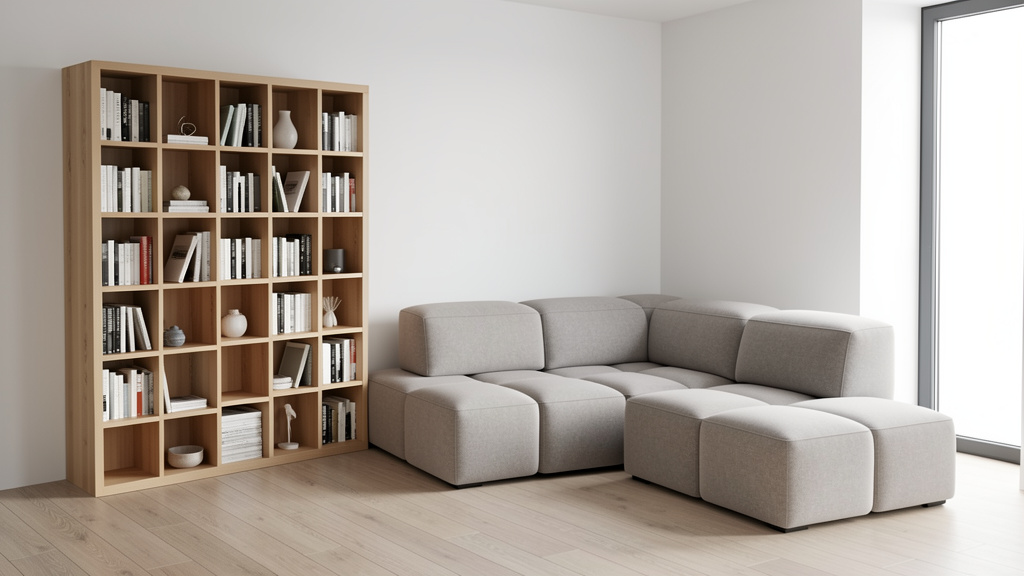
Move Beyond Design Anxiety—Cultivate a Home That Grows With You Through Thoughtful Layering
Your home exists in constant dialogue with your life. Every choice—from structural bones to a seasonal throw pillow—occupies a spectrum between enduring and adaptable. Yet many navigate this spectrum reactively: overcommitting to fleeting aesthetics disguised as “forever,” or underinvesting in foundations that silently shape daily comfort for years. This guide introduces the Foundation Framework: a practical, three-layer methodology developed from observing patterns across diverse residential contexts, climates, and life stages. You’ll learn to consciously categorize design elements, weigh lifecycle considerations against present needs, and implement balanced strategies that honor both stability and evolution. Whether building new, renovating, adapting a rental, or refreshing a single room, this approach transforms uncertainty into clarity. This isn’t about achieving perfection—it’s about cultivating progress with purpose.
Introduction: The Quiet Language of Everyday Choices
Walk into any home, and you’re moving through a layered history of decisions. The hardwood floor beneath your feet reflects choices made years ago—by you or someone before you. The kitchen layout reveals priorities: flow over counter space? Gathering over pure function? That electrical outlet perfectly placed beside the sofa? A small victory of foresight. These elements are never neutral. Each carries weight: financial, emotional, functional, and temporal.
Consider two familiar scenarios. A family installs custom floor-to-ceiling built-ins in a child’s room, investing deeply in a “forever” solution. Five years later, the space feels confining as needs shift; removal requires drywall repair, repainting, disposal—and emotional recalibration. Conversely, a renter, wary of landlord restrictions, furnishes entirely with ultra-temporary solutions: peel-and-stick tiles that bubble in humidity, particleboard furniture that wobbles, command hooks that fail unexpectedly. The space never settles into home—it feels provisional, subtly stressful. Both stem from the same root: a misalignment between a choice’s degree of permanence and life’s natural fluidity.
Observing residential patterns across contexts reveals a consistent insight: deeply satisfied homeowners rarely choose exclusively “permanent” or “flexible.” They practice intentional layering. Permanence isn’t inherently virtuous—it demands higher investment, carries emotional weight, and risks obsolescence if life shifts. Flexibility isn’t inherently frivolous—it enables adaptation, reduces long-term friction, and allows expression to evolve—but without thoughtful boundaries, it can create visual chaos or a lingering sense of impermanence. The goal is strategic balance: harnessing each layer’s strengths with clarity.
This guide moves beyond vague advice like “invest in quality” or “keep walls neutral,” which ignore budget, life stage, location, or personal rhythm. Instead, we offer the Foundation Framework—a room-by-room methodology to bring clarity to ambiguity. We’ll explore real-world applications, address nuanced friction points often overlooked, and equip you with reflective questions to guide decisions. By the end, you’ll hold a personalized lens for evaluating future choices, transforming your home into a resilient, responsive sanctuary that supports who you are today and who you may become tomorrow. This perspective aligns with established principles in residential design that emphasize adaptability alongside structural integrity—a balance long recognized in thoughtful building practice.
The Foundation Framework: Three Layers for Intentional Design
At the heart of strategic home design lies a clear mental model: consciously assigning elements to one of three distinct layers. This framework isn’t rigid dogma but a dynamic decision-making tool. A choice firmly in the Immutable Core for someone planning to age in place might comfortably reside in the Transition Zone for a short-term renter. Context shapes classification. The power lies not in the labels themselves, but in the conscious act of categorization—and the clarity it brings to budgeting, sourcing, and emotional investment.
Layer 1: The Immutable Core — Building Quiet Confidence
The Immutable Core forms your home’s foundational skeleton: elements structurally integral, prohibitively complex to alter, or engineered for decades of service. Changing these typically involves demolition, engineering input, permits, specialized labor, and significant disruption. These choices demand careful attention to durability, function, safety, and long-term value. They create the stable platform upon which adaptable layers thrive.
Defining Characteristics:
– High Barrier to Change: Alteration requires major construction, structural modification, or system overhaul.
– Extended Functional Lifespan: Designed to perform reliably for decades with minimal intervention.
– Functional Primacy: Directly impacts safety, structural integrity, energy efficiency, indoor air quality, or fundamental usability.
– Broad Resale Relevance: Choices that maintain appeal across diverse future occupants and evolving market sensibilities.
– System Interdependence: Changes cascade into other systems (e.g., moving a load-bearing wall affects plumbing, electrical, finishes).
Why This Layer Matters: Flaws here cannot be masked by decor. An inefficient HVAC system drives persistent discomfort and utility costs. Poorly placed windows create glare or cold spots no rug can resolve. Conversely, a thoughtfully designed Core operates with quiet excellence—providing effortless comfort, efficiency, and peace of mind. It reduces future renovation trauma and creates a stable foundation for personal expression above. Investing wisely here is a compounding return in daily well-being and long-term stewardship. Building science underscores how foundational elements like insulation, air sealing, and moisture management directly impact energy performance, durability, and occupant health over a building’s lifetime.
Common Core Elements:
– Structural Systems: Foundation condition, load-bearing walls, roof framing, ceiling height, primary staircase location.
– Building Envelope: Exterior wall assembly, roofing material and underlayment, primary window/door placements (structural openings), installed insulation values.
– Critical Infrastructure: Main electrical panel capacity and location, primary plumbing stack locations, HVAC duct routing and equipment placement, structural waterproofing details (shower pans, foundation drainage).
– Fixed Spatial Layout: Room dimensions and relationships, location of permanent wet zones (bathrooms, kitchen sink), structural openings like archways.
Strategic Approach:
1. Lead With Function: Evaluate Core choices through performance. For window placement: “Does this maximize useful daylight while minimizing harsh glare? Does it support natural cross-ventilation?” For layout: “Does the flow between kitchen, dining, and living areas reflect how we actually move and gather? Are pathways wide enough for changing mobility needs?” Aesthetic appeal should complement—not override—function.
2. Embrace Timeless Neutrality: Avoid highly stylized or trend-driven choices. Opt for classic proportions, clean lines, and materials with proven longevity. Select roofing in versatile charcoal gray rather than vivid hues; choose window styles with simple grids (like 6-over-6) that suit evolving tastes. The goal: elements that feel inherently “right” years later, not “of a moment.”
3. Invest Proportionally: Cutting corners here carries the highest long-term consequence. Upgrading insulation during construction adds modest upfront cost but yields decades of comfort and efficiency. Installing a higher-capacity electrical panel accommodates future needs like electric vehicles or workshop tools. These are foundational stewardship choices.
4. Consult Qualified Experts Early: Engage structural engineers for wall modifications. Consult energy auditors for envelope specifications. Work with experienced designers to optimize spatial flow. Their expertise identifies hidden constraints and opportunities, preventing costly corrections later.
5. Document Thoughtfully: Maintain records—material specs, as-built photos of concealed systems, warranty details. This transforms the “invisible” Core into a known, manageable asset for future repairs, renovations, or transitions.
Common Considerations & Gentle Course Corrections:
– The Trend Trap: Installing highly patterned, colored concrete flooring throughout main living areas. Consider: Choosing neutral, durable concrete (warm gray, beige) for the Core. Introduce pattern and color through area rugs (Adaptive Shell).
– Future-Proofing Gently: Designing a dedicated home office assuming permanent remote work. Consider: Positioning the room near a full bathroom. Ensuring doorways meet accessibility guidelines (32″+ width). Running extra conduit for future data or power needs. This “soft permanence” allows easier adaptation later.
– Climate Awareness: Selecting wood siding for a humid coastal region without specifying proper back-venting. Consider: Researching regionally appropriate materials. In high-moisture zones, fiber cement or engineered wood with robust warranties often offers greater long-term resilience. Local building science resources or experienced regional contractors provide valuable context.
– Honoring the Invisible: Focusing budget solely on visible finishes while underinvesting in air sealing or insulation. Consider: Allocating resources based on lifecycle impact. High-performance windows and insulation deliver daily comfort and efficiency—silent partners in your home’s well-being.
The Guiding Insight: The Immutable Core succeeds when it operates with quiet excellence—so thoughtfully engineered that you rarely need to think about it. Its value is measured not in aesthetic compliments, but in the consistent comfort, efficiency, and stability it provides day after day.
Layer 2: The Adaptive Shell — Space for Expression and Evolution
If the Core is the skeleton, the Adaptive Shell is the ever-changing expression of your home. This layer includes elements designed for refreshment, personalization, and responsiveness to life’s rhythms. Updates typically require minimal tools, time, cost, or professional help. This is where current style lives, seasonal shifts are celebrated, evolving interests are displayed, and new technologies integrate seamlessly. The Adaptive Shell provides psychological flexibility—allowing your space to feel current, personal, and alive without structural commitment.
Defining Characteristics:
– Low Barrier to Change: Updates are typically non-destructive, reversible, and achievable within hours or days.
– Shorter Intended Lifespan: Designed to be refreshed, rotated, or replaced every 1–7 years as tastes, needs, or seasons evolve.
– High Personalization Potential: Directly reflects current aesthetic preferences, cultural identity, hobbies, or life stage.
– Modularity and Reversibility: Elements can be added, removed, reconfigured, or swapped without damaging underlying layers.
– Immediate Emotional Resonance: Often carries the most accessible “joy factor”—items that make a house feel uniquely yours right now.
Why This Layer Matters: Humans are not static. Our tastes shift, families grow, hobbies evolve, and seasonal rhythms call for change. A home without an Adaptive Shell can feel sterile or emotionally distant. Conversely, a home where everything is flexible may feel transient or unstable. Intentionally curated, the Adaptive Shell provides crucial psychological benefits: it reduces pressure to make “perfect forever” choices, allows safe experimentation, accommodates transitions gracefully, and fosters ongoing creation and ownership. It is the layer of delight and daily resonance.
Common Shell Elements:
– Surface Decor & Textiles: Paint colors (on properly prepared walls), removable wallpaper, curtains, area rugs, throw pillows, blankets, seasonal decorations.
– Freestanding Furnishings: Sofas, chairs, tables, beds (non-built-in), bookcases, media consoles, desks, accent tables.
– Plug-In Lighting: Table lamps, floor lamps, plug-in pendants, string lights, smart bulbs (in existing fixtures).
– Art & Display: Framed artwork, photographs, mirrors (hung appropriately), gallery walls, shelved collections, potted plants.
– Technology & Accessories: Smart speakers, plug-in air purifiers, room dividers, decorative trays, baskets, removable hooks.
Strategic Approach:
1. Anchor With a Cohesive Palette: Prevent visual chaos by establishing a consistent color story. Choose 2–3 neutral base colors (for larger items like sofas or rugs) and 2–3 accent colors that can rotate seasonally. Example: a sofa in charcoal gray (neutral anchor) pairs effortlessly with navy, terracotta, or sage pillows (rotating accents).
2. Prioritize Quality Within Flexibility: “Flexible” doesn’t mean “disposable.” A well-constructed wool or durable synthetic rug lasts longer, feels better, and looks more refined than a thin polyester alternative—even if both are intended to be replaced eventually. Invest in the experience of the item during its lifespan. A comfortable reading chair you enjoy daily holds more value than three frustratingly cheap chairs.
3. Embrace Modularity: Choose furniture and systems designed for reconfiguration. Modular shelving units adapt from book storage to toy organization. Nesting tables tuck away when unused. A storage ottoman serves as seating, footrest, and hidden storage. This maximizes utility within the flexible layer.
4. Budget for Intentional Refreshes: Treat the Adaptive Shell as a manageable, ongoing practice. Allocate a small annual amount (e.g., $200–$500) specifically for updates: repainting an accent wall, swapping light fixtures, adding new cushion covers, or acquiring a meaningful art piece. Framing it as planned stewardship removes guilt and encourages mindful updates.
5. Layer for Depth: Combine elements thoughtfully. Place a textured rug over durable flooring. Layer sheer curtains under blackout panels for light control. Mix metal finishes (brass, black, nickel) in lighting and hardware for visual interest. Layering adds richness that a single “perfect” item cannot achieve.
Common Considerations & Gentle Course Corrections:
– Hyper-Trend Investment: Spending significantly on a sofa in a very specific, bold color or silhouette likely to feel dated quickly. Consider: Investing in classic sofa shapes (clean lines, comfortable proportions) in versatile neutrals (charcoal, oatmeal, navy). Inject trend-driven color and pattern through pillows, throws, and art—items far less costly to update.
– Scale Awareness: Choosing a rug too small for a living area, or a fixture overwhelming a compact space. Consider: Using painter’s tape to map dimensions on floors/walls before purchasing. Follow general guidelines: rugs should sit under front furniture legs in seating areas; pendants hang 30–36 inches above dining tables.
– Sensory Balance: Filling every surface without pause can create visual fatigue. Consider: Practicing intentional editing. Step back and ask: “Does this item bring joy or serve a clear purpose?” Embrace negative space—it allows key pieces to breathe. Use dimmers or layered lighting (ambient + task + accent) to control mood.
– Lifestyle-Aligned Materials: Choosing light-colored velvet upholstery in a home with active children or pets. Consider: Matching material choices to actual daily life. Performance fabrics (solution-dyed acrylics, quality microfibers) offer beauty and practicality. Darker rug colors hide soil more effectively. Honest self-assessment prevents future friction.
Thoughtful Stewardship of the Adaptive Shell:
Thrift stores, vintage markets, and online resale platforms offer rich opportunities for Shell elements. A solid wood dresser found secondhand can be refreshed to match your current palette. Vintage frames create instant gallery walls. Renting art or furniture for special occasions (via services like Feather) allows access to designer pieces without long-term commitment. DIY projects—stenciling a rug, sewing pillow covers, building simple shelves—add personal meaning and keep costs accessible. Remember: the value of the Adaptive Shell lies in its resonance with you, not its price tag. Meaningful connection matters more than monetary value.
Layer 3: The Transition Zone — Navigating the Strategic Middle Ground
Bridging the stability of the Core and the fluidity of the Shell lies the most nuanced layer: the Transition Zone. This zone holds elements with characteristics of both permanence and flexibility. Altering them requires moderate effort, cost, professional help, or generates noticeable (but not extreme) disruption. They are not structural, yet not effortlessly swapped. This is where most daily-life design decisions reside—and where the most significant regrets (and triumphs) occur. Mastering the Transition Zone is the hallmark of intentional design thinking. It demands contextual awareness, reflective questioning, and patience.
Defining Characteristics:
– Moderate Barrier to Change: Updates typically require hiring a tradesperson, cost several hundred to several thousand dollars, and involve days (not weeks) of disruption. Removal may cause minor damage requiring repair.
– Medium Functional Lifespan: Designed to last 5–15 years before showing wear, becoming functionally obsolete, or clashing with evolving aesthetics.
– Hybrid Nature: Fixed during installation but not structural; highly functional yet stylistically influential; classification depends heavily on context.
– High Potential for Misclassification: Easily mistaken for Core (leading to over-investment) or Shell (leading to premature failure).
– Critical Interface Points: Often where Core systems and Shell elements physically and functionally connect (e.g., cabinetry meets countertop meets backsplash).
Why This Layer Matters: The Transition Zone is where daily life unfolds. It contains surfaces you touch, storage you use, lighting that sets the mood for meals and conversations. A poorly chosen element creates daily friction—a sticky cabinet door, a countertop that stains easily. A thoughtfully chosen element elevates everyday experience. Because these choices sit in the “gray area,” they require the most deliberate application of the Framework. Rushing guarantees future headaches. Slowing down to evaluate strategically pays lasting dividends in satisfaction.
Common Transition Zone Elements (and Contextual Nuance):
– Cabinetry (Kitchen, Bathroom, Built-ins): Full replacement is costly and disruptive, placing it firmly in Transition. However, refacing doors, painting boxes, or replacing hardware offers a “refresh path.” Nuance: Custom-sized, highly ornate cabinets limit future options and date quickly. Standard-sized, shaker-style cabinets in neutral finishes offer greater longevity and easier future updates.
– Countertops: Material choice heavily influences classification. Quartz or granite is durable (leaning permanent), but replacement requires disconnecting fixtures and is costly. Butcher block can be sanded and re-oiled (more flexible), but requires diligent maintenance. Nuance: Choosing highly porous marble for a busy family kitchen may create ongoing anxiety. Choosing the most economical laminate may lead to premature dissatisfaction in high-use areas.
– Fixed Lighting Fixtures: Hardwired pendants, chandeliers, or sconces. Wiring is part of Core infrastructure, but the fixture itself can be swapped with moderate electrical work. Nuance: Installing a massive, style-specific chandelier that dominates a room and is difficult to replace due to weight or unique mounting limits future flexibility. Choosing fixtures with standard mounting hardware and classic silhouettes increases adaptability.
– Wall Treatments (Tile Backsplashes, Wainscoting, Paneling): Removal is messy, may damage drywall, and requires refinishing—moderate effort/cost. Painting tile (with proper prep) or adding removable decals offers limited flexibility. Nuance: Installing intricate, colorful mosaic tile across an entire kitchen backsplash creates a dominant feature that may clash with future cabinet or appliance changes.
– Flooring (Context-Dependent): Solid hardwood nailed down is difficult to replace entirely (leaning Core), but can be refinished. Luxury Vinyl Plank (LVP) is easier to replace than hardwood but more permanent than a rug. Tile is durable but grout maintenance and removal difficulty place it firmly in Transition. Nuance: Choosing flooring unsuited to room function (e.g., solid hardwood in a damp basement) or installing inconsistently between connected rooms creates visual and physical friction.
– Doors and Trim: Interior doors and baseboards/casing. Replacement requires carpentry skills, painting, and generates dust, but is far less invasive than moving walls. Nuance: Highly stylized, non-standard door styles or overly ornate trim may date quickly or clash with future decor shifts. Simple, clean profiles (like a 6-panel door or minimal baseboard) offer timeless versatility.
Strategic Approach: The Four Reflective Questions
Before committing to any Transition Zone choice, gently apply these four questions. Writing answers deepens clarity and prevents impulsive decisions.
- The Five-Year Reflection: “Given my current life stage, anticipated changes (new job, children, aging parents), and financial context, is it highly likely I will still love and need this exact configuration and style in five years?” If uncertain, lean toward flexibility within the Zone (e.g., choose paintable cabinets over stained wood; select a neutral backsplash tile).
- The Refresh Path Inquiry: “If I want to update the look of this element in 7–10 years without full replacement, what are my realistic, affordable options?” Research before buying. Can cabinets be professionally refaced? Can countertops be resurfaced? Can tile be painted? Prioritize elements with clear, documented refresh paths. Avoid “dead-end” choices with no viable update route.
- The Quality-to-Lifespan Alignment: “Am I allocating resources proportionally to how long this item needs to last and how heavily it will be used?” Spend more on a primary bathroom vanity (used multiple times daily for a decade+) than on a powder room vanity. Invest in soft-close hinges for kitchen cabinets—they reduce wear significantly. For a rental property bathroom, mid-grade LVP flooring may be wiser than high-end tile.
- The Layer Harmony Check: “How does this element interact with the Immutable Core beneath it and the Adaptive Shell around it?” Will heavy stone countertops require cabinet reinforcement? Does the height of this wainscoting work with standard artwork hanging heights? Does the color complement the neutral palette of my Adaptive Shell? Ensuring harmony across layers prevents future clashes.
Illustrative Scenario: Navigating the Kitchen Backsplash
Scenario: A household loves a vibrant, geometric-patterned cement tile but plans to reside long-term and worries the bold pattern may feel dated or limit future decor choices. Applying the Framework:
– Classification: Backsplash = Transition Zone (moderate change effort, high visual impact).
– Five-Year Reflection: Uncertain—they love it now, but design sensibilities evolve. Leaning toward caution.
– Refresh Path Inquiry: Cement tile is difficult to paint; removal risks wall damage. Limited flexibility.
– Strategic Path: Install classic, large-format white ceramic subway tile across 90% of the backsplash area—creating a neutral, durable Transition Zone foundation. Behind the stove (smallest high-impact area), install a removable, framed panel of the geometric cement tile. This panel can be swapped in an afternoon for modest cost when tastes shift. Personality is achieved without sacrificing future adaptability. The bold choice is contained, reversible, and doesn’t dictate the entire kitchen’s aesthetic longevity.
Common Considerations & Gentle Course Corrections:
– Emotional Over-Commitment: Installing custom, floor-to-ceiling built-in bookshelves spanning a living room wall because “we love books.” Risk: Creates a fixed footprint limiting future furniture arrangements, TV placement, or room repurposing. Consider: Building shelves to a standard height (e.g., 7 feet), leaving wall space above for flexible art or adjustable shelving. Using high-quality, modular shelving systems that can be reconfigured or relocated. Reserve full-wall built-ins for dedicated libraries or spaces with highly predictable, unchanging needs.
– Under-Investing in High-Use Areas: Choosing the most economical particleboard vanity for a primary bathroom used heavily daily. Risk: Swelling from humidity, drawer failure, premature dissatisfaction. Consider: Investing in a solid-wood or high-grade plywood vanity frame with a water-resistant finish. This provides needed durability for a high-use Transition Zone element. Then, use flexible elements (mirror frame, accessories, shower curtain) to inject style that can change easily.
– Overlooking Transition Details: Installing beautiful large-format tile flooring but neglecting transition strips between rooms with different floor heights. Risk: Creates subtle tripping hazards and visual disconnect. Consider: Planning transitions during design. Specifying matching or complementary transition strips (T-molding, reducers) installed professionally. This small detail ensures safety and visual flow—a hallmark of thoughtful design.
– Maintenance Realism: Choosing natural stone countertops (marble, limestone) for a busy family kitchen without acknowledging sealing needs and etching from acidic substances. Consider: Being honest about lifestyle. If daily cooking involves lemons, vinegar, or wine, choose a more resilient material like quartz. If you adore marble’s aesthetic and accept its evolving patina, place it in a low-traffic area like a butler’s pantry. Match material to actual use.
The Guiding Insight: The Transition Zone is not a compromise—it is the strategic heart of intelligent design. By approaching these choices with nuance, research, and compassion for your future self, you transform potential friction points into sources of enduring satisfaction. This layer rewards intentionality above all else.
Room-by-Room Application: Framework in Practice
Theory gains power through application. This section translates the Framework into tangible guidance for specific spaces. For each area, we identify layer classifications, offer context-aware recommendations, highlight common dilemmas with reflective solutions, and flag space-specific considerations. Use this as a practical reference during planning, shopping, or decision-making. Bookmark it. Return to it. Let it ground your choices in your lived reality.
The Kitchen: Where Function Meets Daily Ritual
The kitchen blends mechanical systems, high-use surfaces, emotional significance, and immense design pressure. Missteps here are magnified by frequency of use and correction cost. Success requires prioritizing Core function and strategic flexibility elsewhere.
Immutable Core Elements:
– Spatial Layout & Workflow (“The Work Triangle”): Placement of sink, primary cooking surface, refrigerator. Altering requires moving plumbing, gas lines, major circuits—highly disruptive. Guidance: Prioritize efficient workflow over trendy open-concept demands if it compromises function. Ensure 42+ inches clearance between countertops for one cook, 48+ for multiple. Position sink near a window for light and view where possible. Consider future accessibility: wider pathways (42″+), potential knee space under counter, avoiding steps into kitchen. Reflective Question: “Does this layout support how we actually cook and clean up, not just how we wish we did?”
– Structural Openings: Removing a wall between kitchen and living area. Guidance: Never assume a wall is non-load-bearing. Consult a structural engineer before design finalization. If load-bearing, cost includes properly sized header, temporary supports, potential floor/ceiling adjustments. Proceed only if long-term benefit (verified enhanced interaction, market-appropriate value increase) justifies investment and disruption. Consideration: Overly vast open spaces can feel cold and challenge heating/cooling efficiency. Define zones within open plans using ceiling changes, flooring transitions (Transition Zone), or furniture arrangement (Adaptive Shell).
– Plumbing & Electrical Rough-Ins: Locations of sink/dishwasher lines, gas line, appliance circuits, future-ready outlets. Guidance: Plan for tomorrow. Install extra outlets inside base cabinets for charging or small appliances. Run conduit (empty piping) from attic to potential future locations for under-cabinet lighting or smart hubs—enables easy wire pulling later without opening walls. Position refrigerator outlet for deeper future models. Install dedicated circuit for potential wine fridge. Practical Tip: Photograph walls after rough-in but before drywall. This “as-built” record is invaluable for future repairs or additions.
Transition Zone Elements:
– Cabinetry: The quintessential Transition Zone element. Guidance:
– For Longer-Term Residency: Invest in solid wood or high-grade plywood cabinet boxes (avoid particleboard/MDF in humid environments). Choose soft-close hinges and slides—they reduce wear and daily friction. Select timeless door style: Shaker (flat panel with frame) offers versatile neutrality. Finish in mid-tone neutral stain (walnut, espresso) or durable painted finish (e.g., warm white, greige). Avoid highly ornate profiles, extreme colors, or custom sizes limiting future replacement.
– For Flexibility Focus (Renters, Shorter Stays, Budget): High-quality thermofoil or laminate cabinets in neutrals offer durability and easier future replacement. Consider open shelving strategically: only on one wall, using sturdy brackets, accepting need for tidiness. Better: mix closed cabinets (for clutter) with open shelves (for attractive, frequently used items). Consideration: Custom-sized cabinets may not align with standard appliance dimensions or future replacement options. Stick to standard widths (e.g., 36″ for sink base) where feasible.
– Countertops: Guidance:
– Longer-Term Focus: Quartz offers durability, stain resistance, low maintenance. Choose neutral color with subtle movement (e.g., warm white with soft veining) that won’t clash with future changes. Granite remains excellent if sealed properly; select consistent veining patterns. Avoid: Highly porous stones (marble, limestone) in primary prep areas unless you embrace patina as part of its story.
– Flexibility Focus: Butcher block (maple, walnut) offers warmth and can be sanded to refresh—ideal for a dedicated prep island top. Solid surface (Corian) can be repaired seamlessly. For bold expression, use a statement material only on the kitchen island (easier/cheaper to replace) and keep perimeter counters neutral. Consideration: Ensure clear contrast between countertop and cabinet colors to avoid visual “muddiness” (e.g., light counters on dark cabinets, or vice versa).
– Backsplash: Guidance: As detailed earlier, use neutral, durable, large-format tile (ceramic, porcelain) for the majority. Creates clean, timeless backdrop. Introduce pattern/color in a small, replaceable section (behind stove). Alternatively, full-height tile in simple subway pattern with minimal grout lines feels modern and is easier to maintain. Consideration: Tiny mosaic tiles with excessive grout lines trap grease and grime. Choose grout color matching tile to minimize visual distraction and hide soil.
Adaptive Shell Elements:
– Hardware (Knobs/Pulls): The single easiest refresh. Swap dated brass for matte black, brushed nickel, or ceramic. Ensure measurements (center-to-center) match existing holes to avoid filling/redrilling. Tip: Buy a few extra pulls during installation—hardware styles get discontinued; having matches aids future repairs.
– Lighting Fixtures: Pendants over island/sink are typically hardwired but changeable. Choose fixtures with standard mounting hardware. Plug-in pendant lights (cord plugs into ceiling outlet) offer maximum flexibility—no electrician needed. Tip: Install dimmer switches on all kitchen lighting circuits for adjustable ambiance.
– Decor & Accessories: Area rugs (use non-slip pads!), window treatments (roman shades, woven woods), bar stools (if not built-in), small appliances, open shelving displays. Use these to inject color, texture, seasonal personality. A vibrant runner rug swaps seasonally; new tea towels refresh instantly.
Proactive Kitchen Strategy: The One-Week Observation
Before finalizing any kitchen decisions, observe your current kitchen for one week:
1. Note Friction Points: Keep a small notebook. Record frustrations: “Can’t find spatulas,” “Counter cluttered during dinner prep,” “Poor lighting over sink,” “Dishwasher blocks pathway.”
2. Photograph Daily Reality: Capture the space at different times. Where do items accumulate? Where is light harsh or insufficient? How do people move during meal prep?
3. Measure Relentlessly: Note exact dimensions of appliances you love (and dislike). Measure counter heights. Note where you wish for an extra outlet.
This data-driven approach informs Core decisions far more effectively than inspiration boards alone. It grounds design in your life.
The Bathroom: Sanctuary, System, and Moisture Management
Bathrooms uniquely blend intimate use, complex moisture management, and high-frequency functionality. Mistakes impact health (mold), safety (slips), and daily comfort profoundly. Moisture is the constant consideration—every decision must account for it.
Immutable Core Elements:
– Plumbing Fixture Locations (Toilet, Sink, Tub/Shower): Moving requires rerouting water supply and waste pipes—major, expensive undertaking involving demolition and precise slope requirements. Guidance: Unless addressing a critical flaw (e.g., toilet too close to wall), keep existing locations during renovations. Cost and disruption rarely justify change. If building new, prioritize logical flow: toilet positioned for privacy, sink accessible upon entry, shower/tub maximizing usable space. Future-Proofing Insight: During construction or major renovation, install blocking (wood braces) inside walls at standard heights (18″, 24″, 36″) around shower/tub. This invisible reinforcement allows secure grab bar installation later with no wall damage—essential for aging in place or temporary injuries. Ensure door swings outward or is pocket-style for emergency access.
– Structural Waterproofing System: Shower pan (base), tile backer board (cement board, not drywall!), moisture barriers behind tiles, proper shower floor slope toward drain. Guidance: This is non-negotiable Core investment. Hire experienced tile setters knowledgeable about waterproofing membranes (e.g., Schluter Kerdi, Laticrete Hydro Ban). Verify pre-sloped shower pan. This “invisible” work prevents catastrophic water damage to subfloors, walls, ceilings below—a repair costing significantly more later. Get warranties in writing. Critical Note: Standard drywall behind tile in wet areas will rot over time as moisture penetrates grout. Cement board or waterproof membrane systems are mandatory.
– Ventilation System Ductwork: Path the exhaust fan duct takes to exit the home. Guidance: Ensure fan vents directly to the exterior (not attic or soffit). Ducts should be short, straight (max 25 feet equivalent length), minimal bends. Size fan appropriately for room volume (CFM rating—typically 50-100 CFM). Proper ventilation is critical for removing humidity, preventing mold growth on surfaces and within walls, and preserving structural integrity. Upgrade to a quiet, humidity-sensing fan (activates automatically when moisture is detected).
Transition Zone Elements:
– Vanity & Countertop: Guidance:
– Longer-Term Focus: Choose solid wood or high-grade plywood vanity frame with water-resistant finish (thermofoil, marine-grade paint). Avoid particleboard—it swells irreparably with humidity. For countertops, quartz is ideal for durability and stain resistance. Select neutral color. Consider integrated sink (countertop and basin one piece) to eliminate grout lines where mold hides. Future-Proofing: Ensure adequate knee space underneath if aging in place is a consideration.
– Flexibility Focus: Floating vanities are easier to replace than floor-mounted and create openness. Vessel sinks offer style flexibility but require careful faucet selection (height, spout reach) and can be harder to clean around the rim. Consideration: Very inexpensive “bathroom-grade” particleboard vanities often fail within a few years in humid environments. Invest in frame quality—it’s the foundation.
– Tile Selection (Walls & Floor): Guidance:
– Floor & Shower Walls: Prioritize slip resistance and durability. Porcelain tile surpasses ceramic for moisture resistance and strength. Choose textured or matte finish for floors (avoid high-gloss in wet areas). For shower walls, large-format tiles (e.g., 12″x24″) reduce grout lines (less cleaning, less mold risk). Select neutral colors (whites, grays, taupes) with subtle variation—avoid bold patterns that may date quickly.
– Accent Opportunities: Use bold tile only on the floor of a small powder room, or as a narrow accent strip in the shower. Removable tile decals offer temporary pattern for renters or the indecisive. Consideration: Highly textured tiles can trap soap scum; tiny mosaic tiles on shower floors create uncomfortable, hard-to-clean surfaces. Choose tiles rated for wet areas.
Adaptive Shell Elements:
– Mirror & Medicine Cabinet: Easily replaced. Choose frameless mirror for timeless versatility, or framed mirror swappable to change style. For medicine cabinets, ensure rough-in opening matches standard sizes for future replacement ease. Tip: Install sconces beside the mirror (not above) for flattering, shadow-free lighting on your face—transformative for grooming.
– Lighting Fixtures: Vanity lights are typically hardwired but swappable. Choose fixtures with standard mounting. Ensure adequate task lighting at vanity (aim for 75-100 lumens per square foot). Tip: Install dimmers on bathroom lights. Bright for makeup/shaving, soft for ambiance.
– Accessories & Textiles: Shower curtain and liner (use weighted liner to prevent clinging), bath mat (choose quick-dry materials like microfiber or bamboo), towels, artwork (use moisture-resistant prints or sealed frames), plants (real or high-quality faux). These allow easy seasonal updates and personal expression. Renter-Friendly: Use tension rods for shower curtains and removable adhesive hooks for towels—no drilling required.
Universal Design Integration Within Framework:
For longer-term residency planning, thoughtfully shift some Transition Zone elements toward Core thinking during construction or major renovation:
– Doorways: Ensure all bathroom doorways are at least 32 inches wide (36 inches ideal for accessibility). Pocket doors save swing space.
– Faucets: Specify lever-style handles (easier to operate with limited hand strength) over cross-handle or knob styles.
– Showers: Design a curbless (zero-threshold) shower entry. Requires careful subfloor slope planning during construction but eliminates tripping hazard and allows roll-in access. Include a fold-down bench within shower stall (requires wall blocking during build).
These choices, embedded early, provide immense future flexibility and safety, often at minimal additional cost during initial build versus costly retrofits later. They represent thoughtful stewardship of lifelong usability.
Flooring: Context is Classification
Flooring exemplifies contextual layer classification. The same material resides in different layers based on installation method, room function, and homeowner context. Solid hardwood nailed down in a primary living area leans Core; the same wood as a floating floor in a basement leans Transition. Understanding this nuance prevents missteps.
Immutable Core Leaning (Context-Dependent):
– Subfloor & Underlayment: The unseen foundation. Guidance: Ensure subfloor is structurally sound, level, and dry. Address squeaks, dips, or moisture issues before installing finished flooring. Choose underlayment appropriate for finished floor and room: moisture barrier (6-mil poly) for basements/concrete slabs; acoustic underlayment for multi-story homes; cork for added comfort. This “invisible” layer critically impacts performance, longevity, and comfort of the finished floor above. Skimping here risks premature failure of even high-quality finished flooring.
– Solid Hardwood Flooring (Nailed Down): While refinishable multiple times, full replacement involves significant demolition, dust, cost. Guidance: Choose species proven for stability: Oak (red or white), Maple, Hickory. Avoid very soft woods (pine) in high-traffic areas. For stain, select medium tone (honey oak, warm brown)—very dark shows every speck of dust; very light shows dirt prominently. Width: Wider planks (5″+) feel modern/spacious; narrower (3″-4″) offer traditional look. Critical Note: Solid hardwood is not recommended for below-grade spaces (basements) or full bathrooms due to moisture expansion/contraction risks. Engineered hardwood is better suited here.
Transition Zone (Most Common Classification for Finished Flooring):
– Engineered Hardwood: Plywood core with real wood veneer top layer. Guidance: Excellent stability in humidity-fluctuating areas (basements with moisture control) or over radiant heat. Can typically be refinished 1-3 times depending on veneer thickness (aim for 4mm+ wear layer). Choose reputable brand with strong warranty. Installation method matters: nailed/glued-down is more permanent; floating click-lock is easier to replace later. Ideal For: Main living areas, bedrooms, hallways where real wood aesthetic is desired with greater stability.
– Luxury Vinyl Plank (LVP) / Tile (LVT): Guidance: Modern workhorse for moisture-prone and high-traffic zones. High-quality LVP (20mil+ wear layer, rigid core) is durable, waterproof, comfortable underfoot, and convincingly mimics wood, stone, or tile. Because flooring aesthetics evolve, LVP’s moderate replacement cost places it firmly in Transition. Strategic Choice: Select style with subtle variation and neutral base color (light oak, gray wash, concrete look) that bridges current and future palettes. Avoid highly patterned or brightly colored options that may date quickly. Consideration: Very thin, low-grade LVP can feel hollow, dent easily, show seams. Invest in mid-to-high grade for high-use areas.
– Ceramic/Porcelain Tile: Guidance: Extremely durable and moisture-resistant—ideal for entryways, mudrooms, kitchens, bathrooms. Removal is labor-intensive. Strategic Approach: Choose large-format tiles (12″x24″+) to minimize grout lines (less cleaning, modern look). Select neutral colors (whites, grays, taupes) with subtle texture. Avoid complex patterns or very small tiles (penny rounds) in large areas—they are harder to install well and maintain. Tip: Use same tile throughout connected main-floor spaces (living, dining, kitchen) to create visual flow and eliminate tripping hazards at transitions. Save patterned tile for small accents (powder room floor, shower niche).
Adaptive Shell:
– Area Rugs: Ultimate flexible flooring solution. Guidance: Use to define zones within open-plan spaces (under living room seating, under dining table). Choose sizes appropriately: in living rooms, front furniture legs rest on rug; in dining rooms, rug extends 24+ inches beyond table on all sides for pulled-out chairs. Layer rugs for texture and warmth (flatweave under plush shag). Rotate periodically for even wear. Budget-Friendly: High-quality indoor/outdoor rugs (polypropylene) are durable, easy to clean (hose down!), affordable—perfect for high-traffic areas, kids’ rooms, patios.
– Carpet Tiles (Modular): Guidance: Ideal for home offices, playrooms, basements where spills/stains occur. Individual tiles lift, clean, or replace without redoing entire floor. Choose commercial-grade for durability. Arrange in patterns for visual interest. Renter-Friendly: Many peel-and-stick options remove cleanly.
Room-by-Room Flooring Strategy:
– Entryways & Mudrooms: Prioritize durability and easy cleaning. LVP, tile, slate. Add durable, washable mat (coir, polypropylene) just inside door to trap dirt.
– Living & Dining Areas: Focus on comfort, acoustics, flow. Hardwood, high-quality LVP, or large-format tile with area rugs for warmth and sound absorption. Ensure consistent height between connected rooms.
– Bedrooms: Comfort underfoot key. Hardwood or LVP with plush area rug beside bed. Wall-to-wall carpet acceptable here (Transition Zone) if preferred for warmth/sound—choose dense, stain-resistant fibers (nylon, triexta) and good pad. Avoid in humid climates or if allergies are a concern.
– Kitchens: Balance durability, comfort, moisture resistance. LVP is excellent modern choice. Tile is durable but hard on feet; use anti-fatigue mats at prep stations. Hardwood can work with diligent spill cleanup.
– Bathrooms: Must be waterproof. Porcelain tile, LVT, sheet vinyl. Avoid wood-look options mimicking grout lines where moisture hides—choose large-format or seamless-looking LVT.
– Basements: Must address moisture first. Test for moisture vapor emission before installing any floor. If moisture present, use mitigation system. Then choose: LVP (floating with vapor barrier underlayment), tile, or stained/sealed concrete. Avoid solid hardwood or standard carpet.
Walls and Surfaces: Canvas and Context
Walls are often assumed purely permanent, but strategic choices introduce significant flexibility. The Framework distinguishes structural wall (Core) from applied finishes (largely Transition or Shell).
Immutable Core:
– Structural Walls (Load-Bearing): Guidance: Do not remove without engineering consultation. Instead of full removal to “open up” space, consider pass-through window, wide arched opening, or removing top portion of non-structural partition to maintain integrity while improving sightlines/light. Tip: During design, use furniture layout (Adaptive Shell) to define zones in open plans—preserves future flexibility.
– Insulation & Soundproofing Within Walls: Guidance: During construction or major renovation (walls open), this is critical Core investment. Upgrade insulation to current energy standards or beyond (e.g., spray foam for air sealing). Add soundproofing between shared walls (bedrooms, home office next to living area) using resilient channels, mass-loaded vinyl, or specialized insulation. This “invisible” upgrade pays dividends in comfort, energy savings, privacy for decades. Document R-value and soundproofing specs.
Transition Zone:
– Wall Finishes (Paint, Wallpaper, Paneling): Guidance:
– Paint: Most flexible wall treatment. Smart Strategy: Use warm, complex neutrals (greiges, soft whites with undertones) on main walls—colors like versatile greige or warm white. These provide calm, versatile backdrop for evolving decor. Reserve bold colors for single accent wall (easier to repaint) or low-traffic rooms (powder room, study). Tip: Paint large swatches (2’x2′) on multiple walls; observe at different times of day before committing. Lighting dramatically alters perception.
– Wallpaper: Traditional wallpaper is difficult to remove and may damage drywall. Flexible Alternative: High-quality removable wallpaper is ideal for accent walls, rentals, children’s rooms. Test adhesion/removability on small area first. Avoid in high-humidity areas (full bathrooms) unless specifically rated.
– Wainscoting or Shiplap: Can be painted to update. Strategic Approach: Choose classic profiles (chair rail height ~32″, simple board-and-batten) in neutral paint. Avoid overly ornate or trend-heavy styles (excessive shiplap) that may feel dated quickly. Install intending to paint same color as walls later if desired—preserves architectural detail while allowing future flexibility.
– Built-In Shelving or Cabinetry (Non-Structural): Guidance: As discussed, avoid floor-to-ceiling installations unless need is highly predictable/permanent (dedicated library). Build to standard height (6-7 feet), leaving wall space above for art or flexible shelving. Ensure shelves deep enough for intended use (11-12″ for books) but not so deep items get lost. Use adjustable shelving pins for reconfiguration. Consideration: Building built-ins around specific furniture dimensions (current TV size)—technology evolves rapidly. Design for function, not current gadgets.
Adaptive Shell:
– Artwork, Mirrors, Shelving Systems: Guidance: Use picture rails or adjustable track systems to hang art without wall damage. Allows easy repositioning. Floating shelves offer display flexibility—choose brackets matching style. Tip: Create gallery wall layout on floor first using paper templates; photograph arrangement you like, then transfer to wall. Avoids multiple nail holes.
– Window Treatments: Guidance: Curtains, blinds, shades are highly flexible. Choose hardware (rods, brackets) in finish complementing overall palette but supporting future changes. Layer treatments: sheer roller shades for daytime privacy/light diffusion, plus blackout curtains on separate rod for sleep/media rooms. Renter Solution: Tension rods work for lightweight curtains in standard windows. Removable adhesive hooks support lightweight blinds.
Layout and Flow: The Invisible Architecture of Movement
Beyond physical walls, flow—ease of movement, sightlines, functional zoning—is critical yet often overlooked. The Framework clarifies how to influence flow intentionally across layers.
Immutable Core Leaning:
– Room Dimensions, Ceiling Height, Window/Door Placements: Fixed by structure. Guidance: Work with constraints. Use design techniques to enhance perceived space: light wall colors, strategic mirror placement to reflect light/views, consistent flooring between connected rooms to avoid visual “chopping.” In low-ceiling rooms, avoid bulky crown molding; use vertical stripes (paint/wallpaper) to create height illusion. Maximize utility of existing windows with treatments controlling glare without blocking light.
Transition Zone:
– Non-Load-Bearing Partitions & Room Dividers: Walls addable/removable with moderate effort. Guidance: In open-concept homes, use furniture arrangement (Adaptive Shell) as primary zone definer—most flexible approach. If partial wall needed (e.g., define dining area), consider half-wall (knee wall) topped with glass or open shelving. Maintains sightlines/light flow while providing definition. For future flexibility, avoid building new non-load-bearing walls unless absolutely necessary for function (e.g., creating dedicated closet). Instead, use freestanding room dividers (screens, bookshelves) from Adaptive Shell.
Adaptive Shell:
– Furniture Arrangement & Area Rugs: Guidance: Most powerful, zero-cost tool for defining space and improving flow. Arrange seating to encourage conversation (angled slightly inward, not rigidly against walls). Ensure clear pathways (minimum 36″ wide) between furniture groupings. Use area rugs to anchor seating areas and visually separate zones in open plans. In studios, tall bookshelf or folding screen creates sleeping nook without permanent construction. Tip: Trace furniture footprints on floor with painter’s tape before moving heavy pieces—test layouts effortlessly.
Storage Solutions: Systems That Evolve With You
Storage needs are among the most dynamic—evolving with life stages, hobbies, family size. Rigid systems become obsolete quickly. The Framework promotes adaptable solutions.
Immutable Core Leaning:
– Closet Framing & Rough-Ins: During construction, frame closets with future flexibility in mind. Guidance: Make closets deeper than standard (28″+ vs 24″) to accommodate modern clothing/storage bins. Install blocking in walls at multiple heights for future shelving/rod placement. Run electrical outlets inside closets for charging stations or lighting. These small Core investments enable vastly more functional Transition Zone storage systems later.
Transition Zone:
– Modular Closet Systems (e.g., Elfa, ClosetMaid, custom wire): Guidance: Gold standard for adaptable storage. Invest in quality system with adjustable shelves, rods, drawers. Reconfigurable as needs change (baby clothes to teen gear to adult wardrobe). Choose components in neutral colors (white, platinum, wood tones) that won’t clash with future decor. Consideration: Cheap, flimsy wire systems bend under weight or have limited adjustment. Invest in durability proportional to usage.
– Built-In Shelving (Strategic Application): Guidance: Reserve built-ins for areas with highly predictable, long-term needs: dedicated home library, display niche for collections, garage storage for tools. In multi-purpose rooms (living room, child’s room), favor freestanding or modular units. If building shelves, incorporate “negative space”—leave some wall areas intentionally blank for future art or flexible shelving. Ensure depth is versatile (11-12″ for books, 16-18″ for media/storage bins).
Adaptive Shell:
– Freestanding Storage Furniture: Bookcases, cabinets, media consoles, under-bed bins. Guidance: Choose pieces that can move with you. Prioritize solid construction (dovetail joints, solid wood frames) over particleboard for longevity. Use uniform baskets, bins, boxes within storage units for visual order and accessibility. Label bins clearly. Tip: Utilize vertical space—install shelves high on garage/basement walls for seasonal items. Use over-the-door organizers for shoes, cleaning supplies, pantry items.
Lighting: Layered Illumination for Function and Feeling
Lighting operates across all three layers. Intentional layering is critical for ambiance, safety, adaptability. A well-designed lighting plan feels invisible in its success—providing right light for right task at right time.
Immutable Core:
– Electrical Wiring, Switch Locations, Circuit Capacity: Guidance: During construction or major renovation, build flexible foundation. Install switches at every room entrance (three-way switches for hallways/staircases). Place switches intuitively (e.g., light switch by bed for overhead, separate for closet). Run extra electrical lines to potential future locations: above fireplace for TV, inside cabinets for under-cabinet lighting, ceiling center for future pendant. Install dedicated circuit for holiday lights/workshop tools. Crucially: Install dimmer switches on every lighting circuit where appropriate (living rooms, dining rooms, bedrooms, hallways). Dimmers extend bulb life, save energy, provide unparalleled ambiance control. Ensure electrical panel has spare capacity for future additions.
Transition Zone:
– Recessed Lighting (Can Lights): Guidance: Use sparingly and strategically. Too many create sterile “interrogation room” feel and are difficult to reposition. Place to highlight architectural features/artwork, or provide ambient light in kitchens (over countertops) and bathrooms (over vanities). Choose LED retrofit kits for efficiency and easy bulb replacement. Avoid placing cans directly over seating areas where they cast unflattering shadows on faces. Tip: Use adjustable “eyeball” trims in recessed cans to direct light precisely.
– Hardwired Fixtures (Chandeliers, Pendants, Sconces): Guidance: Choose fixtures with classic silhouettes and neutral finishes (matte black, brushed nickel, aged brass) that won’t clash with future decor shifts. Ensure electrical box rated for fixture’s weight. For dining rooms, install junction box allowing fixture to center over table even if table size changes later. In bathrooms, install sconces beside mirror at eye level for optimal grooming light—superior to overhead lighting alone.
Adaptive Shell:
– Plug-In Lighting: Floor lamps, table lamps, plug-in pendants, string lights. Guidance: Primary tool for layered, adaptable lighting. Every seating area should have dedicated task light (reading lamp). Use floor lamps with adjustable arms/heads. Plug-in pendant lights (cord plugs into ceiling outlet) offer hardwired look with zero commitment—ideal for renters or testing placements. Smart bulbs (e.g., Philips Hue) allow changing color temperature (warm to cool white) and brightness via app—perfect for adapting light to time of day or activity (bright for morning coffee, warm for evening relaxation). Tip: Use lamps with fabric shades to diffuse light softly; avoid bare bulbs or harsh metal shades in living areas.
Outdoor Living Spaces: Extending Comfort Beyond Walls
Patios, decks, gardens present unique permanence challenges due to weather exposure, soil movement, plant growth. The Framework ensures outdoor spaces are both durable and adaptable to seasons and evolving lifestyles.
Immutable Core:
– Deck/Patio Foundation & Footings: Guidance: Footings must extend below frost line in cold climates to prevent heaving. Use pressure-treated lumber rated for ground contact or concrete piers. Ensure proper grading away from house foundation (minimum 1/4″ slope per foot) to prevent water pooling and foundation damage. This structural work is non-negotiable—skimping leads to unsafe, shifting structures. Hire professional for foundation work if unsure.
– Hardscaping (Paths, Retaining Walls, Permanent Planters): Guidance: Use durable, locally appropriate materials: pavers, natural stone, poured concrete. Design with future expansion in mind—leave space for future fire pit, pergola footings, garden beds. Ensure pathways are at least 36″ wide for comfortable passage (42″+ for two people). Incorporate gentle slopes instead of steps where possible for accessibility. Tip: Install conduit underground during hardscaping for future low-voltage landscape lighting or outdoor outlets—avoids trenching later.
Transition Zone:
– Decking Surface Material: Guidance:
– Longer-Term Focus: High-quality composite decking (reputable brands) requires minimal maintenance (no staining/sealing), resists rot/insects, lasts decades. Choose neutral color (grays, browns) complementing home’s exterior. Consideration: Cheap composite or plastic lumber may fade, stain, become slippery. Invest in brands with strong warranties.
– Flexibility Focus: Naturally durable woods like cedar or redwood can be stained/painted to change appearance over time, but require annual maintenance (cleaning, sealing). Pressure-treated pine is budget-friendly but will warp, crack, require frequent staining. Critical Note: Always use hidden fastening systems or corrosion-resistant screws—not nails—to prevent popping and ensure longevity.
– Permanent Plantings (Trees, Shrubs, Perennials): Guidance: Research mature size, growth rate, root spread, water needs before planting. A small ornamental tree planted 10 feet from house may cause foundation damage or block windows in 15 years. Choose native plants adapted to your climate—they require less water, fertilizer, pest control. Group plants with similar water needs (hydrozoning) for efficient irrigation. Tip: Sketch yard to scale; mark utility lines (call 811 before digging!) before planting anything permanent.
Adaptive Shell:
– Outdoor Furniture: Guidance: Choose frames made of powder-coated aluminum, teak, or all-weather wicker for durability. Cushions and fabrics are the flexible element—select performance fabrics (Sunbrella) resisting fading/mildew, but know they can be replaced every few years. Opt for modular seating reconfigurable for different gatherings. Use furniture with wheels or lightweight designs for easy rearrangement. Budget Tip: Store cushions indoors or in deck box during off-seasons to extend life significantly.
– Potted Plants, Decor, Lighting: Guidance: Where seasonal personality shines. Use large, statement pots (terracotta, glazed ceramic, lightweight resin) for impact—they can be moved as needed. Rotate annual flowers seasonally. String lights, solar path lights, battery lanterns add ambiance without permanent installation. Outdoor rugs (polypropylene) define seating areas and add color—choose “indoor/outdoor” labeled for weather resistance. Renter Solution: Use container gardening exclusively—no permanent landscape changes. Tall plants in pots create privacy screens. Seasonal adaptation is natural here: store delicate items before frost, refresh plantings with spring.
Navigating Friction: When Choices Meet Changing Lives
Even intentional frameworks encounter real-world complexity. Life shifts. Products evolve. Needs transform. This section addresses common friction points with empathy and actionable pathways—not to induce fear, but to build resilience. Understanding these scenarios prepares you to navigate challenges with grace, turning potential regrets into learning opportunities.
When “Permanent” Feels Confining: Adapting to Shifted Needs
Scenario: You invest in custom, floor-to-ceiling built-in bookshelves spanning a living room wall. Two years later, family dynamics shift—you adopt a pet that knocks items over, a child develops passion for large musical instruments, or you acquire a larger television that doesn’t fit. The shelves, once a source of pride, now feel constraining, limiting furniture arrangement and future adaptability.
Why It Happens: This often stems from designing for an idealized present moment without fully applying the “Five-Year Reflection.” Emotional attachment to a specific vision (“This is my dream library!”) can override pragmatic assessment of future flexibility needs. The sunk cost fallacy may also create reluctance to alter the installation later.
Pathways Forward:
1. Assess Realistically: Step back. Is the element truly immovable? Get quotes from 2-3 contractors for removal, drywall repair, repainting. Sometimes perceived cost exceeds reality. Weigh financial investment against ongoing functional limitation and psychological friction. If removal is feasible within your resources, it may be the wisest long-term investment in your home’s usability and your peace of mind.
2. Adapt Within Constraints: If removal is prohibitive:
– Repurpose Sections: Convert lower shelves into concealed storage with doors or baskets. Use upper shelves exclusively for display items less prone to disturbance.
– Introduce Flexible Elements Around It: Place a freestanding media console in front of the lower shelving section to house TV/components. Use room dividers or tall plants to visually break up the expanse.
– Refresh the Surface: Paint shelves a new color to better integrate with evolving decor. Add integrated LED strip lighting to highlight displays and modernize the look.
3. Future Prevention Practice: Before any future “permanent” installation, implement a waiting period (e.g., 30 days). Create a full-scale mockup using painter’s tape on the wall. Live with the taped outline. Ask: “Does this enhance flow or obstruct it? Does it accommodate potential future furniture sizes? What is the minimum amount of built-in storage truly needed?” Design with intentional negative space—leave sections of wall deliberately blank. Favor modular systems that can be reconfigured over fully custom, site-built solutions.
Industry Insight: Post-renovation feedback often identifies overly specific built-in storage (especially in children’s rooms, multi-purpose rooms, or open-plan living areas) among common sources of design reflection. The lesson is clear: reserve extensive built-ins for spaces with highly predictable, unchanging functions (dedicated libraries, wine cellars, garage workshops) and prioritize adaptable storage solutions elsewhere. Flexibility is not indecision—it is strategic foresight. Industry feedback from renovation professionals consistently highlights the long-term value of designing with future adaptability in mind.
When “Temporary” Feels Unstable: Cultivating Cohesion on a Budget
Scenario: To avoid commitment and minimize upfront cost, you furnish entirely with ultra-temporary, budget-focused solutions: particleboard furniture, peel-and-stick tiles that bubble, command hooks that fail. Over time, the space never feels cohesive, comfortable, or truly like home. Items break, peel, or detach frequently, requiring constant replacement and generating subtle but persistent stress. The environment feels provisional.
Why It Happens: This stems from conflating “flexibility” with “disposability.” True Adaptive Shell elements should provide joy, function, and a sense of personal expression during their intended lifespan. When every item is chosen solely for low cost and ease of removal, without regard for quality, comfort, or aesthetic cohesion, the layer fails its purpose. Humans also have a deep psychological need for environments that signal stability, care, and belonging. A space where nothing feels intentional can increase anxiety and reduce sanctuary. Budget constraints are real, but strategy matters more than total spend.
Pathways Forward:
1. Anchor With 2-3 Intentional Pieces: Even modestly, strategically invest in 2-3 key items providing stability and quality:
– A solid wood dining table (found secondhand and refreshed) that becomes the heart of gathering.
– A well-constructed sofa frame (even if reupholstered later) offering daily comfort.
– Durable, neutral area rugs defining spaces and adding warmth underfoot.
These “anchor” pieces create a foundation of quality around which more flexible, budget-friendly elements can rotate. They signal care and intentionality.
2. Curate With a Cohesive Palette: Apply a consistent color story and style filter to all Adaptive Shell choices, even inexpensive ones. Choose thrifted frames in similar wood tones or paint them uniformly. Select throw pillows in complementary colors from your palette. This creates visual harmony and intentionality, transforming disparate items into a curated whole. Edit ruthlessly—remove items that don’t serve purpose or bring quiet joy.
3. Elevate Quality Within Flexibility: Not all flexible items are equal. Allocate limited funds wisely:
– A $50 wool-blend area rug lasts longer, feels better, looks more refined than a $20 thin polyester rug.
– Performance fabric pillow covers resist stains better than cotton, extending usable life.
– A well-made vintage lamp provides better light and character than a flimsy new one.
Focus spending on items used daily (seating, bedding) and save on seasonal or purely decorative pieces. Quality within flexibility reduces replacement frequency and enhances daily experience.
4. Incorporate Meaningful, Non-Material Elements: A home feels like home through memory and meaning. Display photographs in simple frames. Hang children’s artwork. Place a cherished heirloom on a shelf. Grow a resilient houseplant. These elements foster emotional connection regardless of budget. They are the soul of the Adaptive Shell. Studies in environmental psychology suggest that environments perceived as stable, cared-for, and personally meaningful can support reduced stress and increased feelings of security and well-being. Strategic permanence—even in small doses—provides this foundation. Balance flexibility with elements fostering attachment: a gallery wall of meaningful photos (easily updated but emotionally resonant), a comfortable reading nook with a beloved chair, or a dedicated space for daily ritual.
Your Questions, Answered
Q: How do I decide if a specific choice belongs in Core, Transition, or Shell?
A: Ask: “What is the realistic effort, cost, and disruption to change this later?” If change requires major construction/engineering (weeks, thousands of dollars), it’s likely Core. If change requires a tradesperson and moderate cost/disruption (days, hundreds to low thousands), it’s Transition. If change is DIY, low-cost, non-destructive (hours, under $200), it’s Shell. Context matters—renters will classify more items as Shell; long-term owners may treat cabinetry as Transition rather than Shell.
Q: I’m renting. How can I apply this framework without violating my lease?
A: Focus energy on the Adaptive Shell: removable wallpaper, tension rod curtains, area rugs, plug-in lighting, command-hook art displays, furniture arrangement. For Transition Zone elements you control (like removable tile decals in a backsplash area), get explicit landlord permission first. Document the space thoroughly before moving in. Many landlords appreciate tenants who maintain and thoughtfully enhance spaces—frame requests around care and reversibility.
Q: What’s the single most common mistake people make with permanent choices?
A: Over-investing in highly specific, trend-driven aesthetics within the Transition Zone (like intricate mosaic tile across an entire backsplash or custom cabinetry in a bold color) without considering future flexibility or refresh paths. Prioritize neutral, durable foundations in Transition Zone elements, then express bold style through the easily changeable Adaptive Shell.
Q: How often should I refresh my Adaptive Shell?
A: There’s no universal timeline—it depends on your rhythm, budget, and emotional connection to your space. Some refresh seasonally (swapping textiles, adding seasonal decor); others annually (repainting an accent wall, updating art). Listen to your space: if an element causes friction or no longer brings quiet joy, it may be time for a gentle update. Budgeting a small annual amount removes pressure and makes refreshes intentional, not impulsive.
Q: Does this framework work for very small spaces (studio apartments, tiny homes)?
A: Absolutely—and it’s especially valuable. In compact spaces, every choice carries amplified weight. Prioritize Immutable Core elements that maximize function (layout flow, storage rough-ins during build). In Transition Zone, choose multi-functional, space-saving elements (murphy beds, fold-down desks). In Adaptive Shell, use light colors, mirrors, and strategic lighting to enhance perceived space. The framework helps avoid clutter by encouraging intentional curation over accumulation.
Q: My partner and I disagree on a design choice. How can the framework help?
A: Use the layer classification to depersonalize the discussion. Ask: “Is this a Core, Transition, or Shell decision?” For Core choices (structural, major systems), focus discussion on shared long-term values (safety, efficiency, accessibility). For Transition Zone choices, apply the Four Reflective Questions together—especially the Five-Year Reflection and Refresh Path Inquiry. For Shell choices, embrace compromise: “You choose the rug pattern; I choose the throw pillow colors.” Framing choices by layer reduces emotional charge and centers shared goals.
Q: How do I handle inherited furniture or fixtures that don’t fit my style?
A: First, honor the sentiment. Then, assess its layer: Is it a Core element (like a built-in hutch)? Transition (like a solid wood dining table)? Or Shell (like a lamp)? For Core/Transition items you’re keeping, consider refinishing, repainting, or reupholstering to better integrate. For Shell items, use them as-is if they bring joy, or respectfully pass them to someone who will cherish them. The framework helps you decide where to invest energy: refreshing a meaningful inherited table (Transition) may be worthwhile; struggling to style a disliked lamp (Shell) may not be.
Q: What if I can’t afford to “do it right” in the Transition Zone right now?
A: Start where you are. Prioritize safety and function first (e.g., ensure bathroom vanity is structurally sound, even if basic). For aesthetics, use the Adaptive Shell to elevate what you have: a fresh coat of paint on cabinets, new hardware, strategic lighting, beautiful textiles. Document your ideal future state. As budget allows, replace Transition Zone elements incrementally—starting with the item causing the most daily friction. Progress, not perfection, builds momentum. Local building codes provide essential guidelines for structural and safety-related changes; consulting these resources or a qualified professional is always recommended when altering Core elements.
Q: How does sustainability fit into this framework?
A: Thoughtful layering is inherently sustainable. Investing in durable, repairable Core and Transition Zone elements reduces waste from premature replacement. Choosing quality within the Adaptive Shell (e.g., natural fiber rugs, solid wood furniture) extends item lifespans. Embracing secondhand, vintage, or upcycled items for Shell elements gives materials new life. The framework encourages buying less but better, repairing instead of replacing, and making choices that stand the test of time—aligning personal well-being with planetary care.
Q: Can this framework help with home office design, especially with hybrid work?
A: Yes. For Immutable Core: ensure adequate electrical outlets, data ports, and natural light in the chosen location. For Transition Zone: select a desk and chair prioritizing ergonomics and durability (you’ll use them daily for years); choose neutral finishes allowing future decor shifts. For Adaptive Shell: use task lighting, cable management solutions, inspiring art, and plants to personalize. If work patterns may shift, avoid building permanent built-ins; use freestanding furniture that can be reconfigured or relocated. The framework helps create a space that supports focused work today while adapting to tomorrow’s needs.
Conclusion and Next Step
Recap: Three Anchoring Principles
1. Clarity Through Layering: Consciously categorizing choices into Immutable Core, Transition Zone, and Adaptive Shell transforms overwhelming decisions into manageable reflections.
2. Balance Over Extremes: The most resilient homes harmonize enduring foundations with adaptable expression—neither rigid nor chaotic.
3. Context is Compass: Your life stage, budget, location, and values—not trends or others’ choices—should guide where you invest permanence and where you embrace flexibility.
The 24-Hour Rule
Within the next day, choose one room you inhabit daily. Spend ten minutes observing it without judgment. Then, select three items within it. Gently ask: “If I needed to change this tomorrow, how difficult would it be?” Place each in Core, Transition, or Shell. Notice one small action you could take to bring greater intention to that space—perhaps moving a lamp for better task lighting (Shell), researching a durable rug for a high-traffic zone (Transition), or simply appreciating a well-placed window (Core). Action, however small, builds momentum.
The Big Picture
Your home is not a static project to be perfected, but a living system in dialogue with your evolving story. By intentionally balancing permanence and flexibility, you cultivate a sanctuary that supports your journey—a space that offers stability when life feels uncertain, and adaptability when growth calls. This practice extends beyond aesthetics: it’s a form of self-care, reducing decision fatigue and fostering daily moments of peace. As you move forward, carry this gentle truth: the most beautiful homes aren’t those frozen in time, but those that breathe, adapt, and grow alongside the people within them. You are not just designing a space—you are nurturing a habitat for your life.
Explore Our Complete System:
Understanding Your Home’s Blueprint: A Visual Guide | Budgeting with Intention: Room-by-Room Planning | Material Matters: Choosing Surfaces for Life | Universal Design for Every Age and Ability | Seasonal Home Care: A Gentle Maintenance Rhythm | Building Trust: Finding and Working With Skilled Tradespeople | The Mindful Home: Reducing Clutter, Increasing Calm