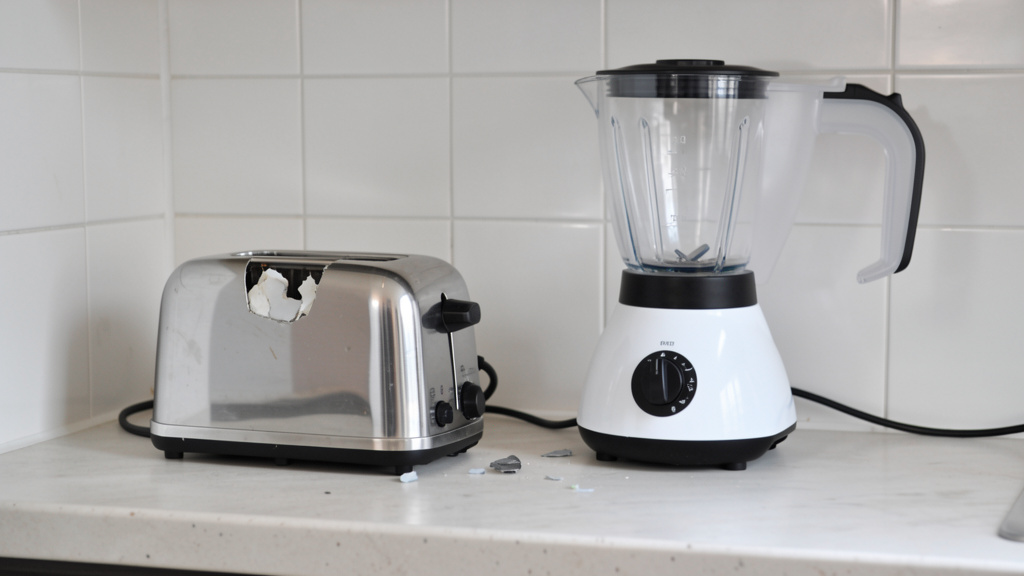
Stop Guessing and Start Deciding: A Clear, Calm Framework for Every Appliance Dilemma
When your refrigerator stops cooling or your washing machine leaks across the laundry floor, the immediate stress is understandable. In that moment, two urgent questions arise: Can this be fixed? and Is it truly worth fixing? Without a reliable method, homeowners often make choices they later regret—spending heavily on repairs for an appliance nearing its end, or replacing a unit that needed only a simple, affordable fix. This guide offers a balanced, step-by-step framework to navigate appliance decisions with clarity. Synthesizing widely accepted best practices from appliance manufacturers, energy agencies like the U.S. Environmental Protection Agency, and industry standards from the Association of Home Appliance Manufacturers (AHAM), this resource helps you weigh age, cost, safety, performance, and your personal context. Whether facing a minor glitch or major failure, you’ll gain the perspective to move from anxiety to informed action—without pressure, hype, or oversimplification.
Introduction: Why Appliance Decisions Feel So Complicated
Appliances quietly sustain daily life—preserving food, cleaning clothes, preparing meals—until they don’t. When failure strikes, it disrupts routines and triggers uncertainty. Conflicting advice abounds: “Always repair—it’s greener!” versus “Never fix anything over five years old!” Neither extreme serves most situations. A seven-year-old dishwasher with a worn door seal may warrant a $40 repair, while a three-year-old refrigerator with a sealed-system refrigerant leak might signal deeper issues. The right choice depends on interconnected factors: the appliance’s condition and age, the nature of the fault, repair feasibility, safety considerations, your household’s needs, timeline, and values.
Many existing resources offer fragmented guidance—overly technical repair manuals, simplistic age-based rules, or sales-driven recommendations. This guide bridges that gap. It presents a structured yet adaptable approach grounded in observable patterns across appliance types, maintenance realities, and real-world decision points. By focusing on objective criteria while honoring your unique circumstances, it transforms a stressful moment into a manageable process. Let’s begin with the foundation every thoughtful decision requires.
The Appliance Decision Matrix: Your Four-Step Framework for Clarity
At the core of this guide lies the Appliance Decision Matrix—a practical, sequential tool designed to replace guesswork with grounded reasoning. Unlike the outdated “50% rule” (replace if repair exceeds half the cost of a new unit), this framework evaluates four interdependent dimensions. Work through them in order: Age and Lifespan sets the baseline; Cost Analysis adds financial context; Safety and Performance addresses non-negotiables; Personal Circumstances tailors the outcome to your life. Skipping steps risks overlooking critical context—like approving a low-cost repair for an appliance well beyond its reliable service life.
The Fundamental Principle: The goal is not to minimize immediate expense, but to maximize long-term value—defined as the thoughtful balance of cost, safety, reliability, performance, environmental consideration, and peace of mind over the appliance’s remaining useful life.
Step 1: Assess Age and Expected Lifespan
Every appliance type has a typical service range influenced by design, usage frequency, maintenance history, and brand-specific engineering. Knowing where your unit falls within this range provides essential context. An appliance nearing or exceeding its expected lifespan carries higher risk of recurring failures, even after a seemingly minor repair. Conversely, a newer unit with years of potential service remaining often justifies investment in repair.
Why this step matters: Age alone isn’t destiny—but it’s a powerful indicator. Repairing a critical component on an appliance operating far beyond its design life frequently leads to additional failures shortly after. Understanding typical lifespans helps set realistic expectations.
How to determine your appliance’s age:
– Locate the serial number: Typically found on a sticker inside the door frame, on the back panel, or behind a kickplate. Manufacturer websites often provide decoding guides:
– Whirlpool/Maytag: Characters 3–4 may indicate year/week (e.g., “22” = 2022).
– GE: First two letters can denote month/year (e.g., “C3” = March 2023).
– Samsung/LG: Consult the brand’s online support portal with your full model/serial number.
– Check documentation: Warranty cards, purchase receipts, or credit card statements offer precise dates.
– Estimate cautiously: If no records exist, note visible clues (control panel style, finish type), but treat estimates as approximate. When uncertain, focus on observed condition and performance history.
Typical Service Ranges for Common Household Appliances
(Based on aggregated data from AHAM, NAHB, and manufacturer guidelines; actual life varies significantly with use and care)
| Appliance Type | Typical Service Range (Years) | Common Signs of Aging |
|---|---|---|
| Refrigerator | 10–15 | Inconsistent temperatures, frequent compressor cycling, excessive frost, persistent humming |
| Dishwasher | 9–12 | Poor cleaning results, recurring leaks, rust spots inside tub, extended cycle times |
| Washing Machine (Top-Load Agitator) | 10–14 | Loud grinding during agitation, leaks during spin, failure to drain |
| Washing Machine (Front-Load) | 8–12 | Persistent mold/mildew odors, door seal deterioration, unusual vibration |
| Clothes Dryer | 10–13 | Noticeably longer drying times, overheating, burning smells (unplug immediately), drum not turning |
| Electric Oven/Range | 13–15 | Uneven baking, inaccurate temperature, cracked interior glass |
| Gas Oven/Range | 15–17 | Weak or yellow flames (should be steady blue), ignition delays, gas odor (EVACUATE AND CALL PROFESSIONAL) |
| Microwave | 7–10 | Inconsistent heating, turntable failure, sparking inside cavity, unresponsive keypad |
| Garbage Disposal | 8–15 | Frequent jams despite proper use, grinding noises, leaks from housing base |
Applying age context to your decision:
– Generally Favor Repair: Appliance is less than halfway through its typical service range. Example: A 4-year-old dishwasher (range: 9–12 years) with a faulty spray arm.
– Evaluate Carefully: Appliance is between 50% and 80% of its typical range. Scrutinize repair cost, complexity, and maintenance history. Example: A 9-year-old refrigerator needing a new defrost heater.
– Lean Toward Replacement: Appliance is at or beyond 80% of its typical range, especially with major component failure. Example: A 12-year-old top-load washer requiring transmission work.
Important nuances:
– Brand and build quality matter: Premium brands with robust service networks may exceed typical ranges with consistent care; budget models may fall short. Research your specific model if possible.
– Maintenance history is pivotal: An appliance with documented coil cleanings (refrigerator), annual vent inspections (dryer), or filter cleanings (dishwasher) may have extended useful life. Neglect accelerates wear.
– Seasonal context matters: A refrigerator failing in summer heat demands faster resolution due to food safety risks. A dryer issue in cold, humid months may heighten urgency if outdoor drying isn’t feasible. Adjust your timeline accordingly, but not your core evaluation criteria.
– Sentimental value is personal: Vintage or heirloom appliances (e.g., a restored 1950s stove) involve non-financial considerations. Acknowledge this openly while weighing safety and functionality.
Step 2: Conduct a Thoughtful Cost-Benefit Analysis
Move beyond comparing a repair quote to a new appliance sticker price. True value considers total cost of ownership: immediate expenses, ongoing operational costs, remaining reliability, and opportunity costs. The simplistic “50% rule” often misleads—context determines whether a $300 repair on a $600 appliance is wise (if the unit is young and the fix is minor) or unwise (if the unit is aging and the issue is symptomatic of broader decline).
Why this step matters: Financial decisions about appliances ripple outward. Money spent on a marginal repair might delay a more critical home need. Conversely, replacing an inefficient older unit can yield years of utility savings and reduced hassle.
Building your cost perspective:
1. Repair Cost (RC): Obtain at least two itemized quotes from licensed technicians. Ask: “What is the parts cost? Labor estimate? Is the diagnostic fee applied if I proceed?” Manufacturer-authorized servicers often have better access to genuine parts and technical bulletins for known model-specific issues.
2. New Appliance Cost (NC): Research comparable new models (similar capacity, features). Include delivery, installation, haul-away fees, and available rebates (check utility company programs, ENERGY STAR, or retailer promotions). Avoid comparing to drastically different tiers (e.g., replacing a mid-range French-door fridge with a basic top-freezer).
3. Remaining Useful Life (RUL): Estimate reliable service years post-repair. For a 7-year-old unit with a minor fix, RUL might be 4–6 years. For a 12-year-old unit with a major repair, RUL may be 1–2 years.
4. Annual Operating Difference (AOD): Newer models often use significantly less energy and water. Resources like the ENERGY STAR Product Finder provide estimated yearly operating costs. Example: Replacing a pre-2014 refrigerator (using ~700 kWh/year) with an ENERGY STAR model (~400 kWh/year) could save $40–$60 annually depending on local electricity rates. For washers, newer HE models may use 30–50% less water per load.
5. Personal Context Costs: Consider hidden factors. Does the repair delay address a more urgent need? Will a new appliance’s efficiency or features meaningfully improve daily life (e.g., quieter dishwasher enabling evening use)? Does your timeline (e.g., planning to move) affect the value?
A practical perspective tool:
Calculate a rough break-even horizon:
(NC - RC) ÷ Estimated Annual Savings = Years to Recoup Replacement Cost
– If the result exceeds the RUL of the repaired appliance, repair may offer better near-term value.
– If the result is less than RUL, replacement may yield greater long-term savings.
Note: This is one factor among many—safety, performance, and personal circumstances weigh heavily.
Adapting to your constraints:
– Budget-conscious path: Explore certified refurbished or open-box appliances from authorized retailers. These undergo testing, often include warranties, and cost 20–40% less than new. For repairs, inquire if refurbished or quality aftermarket parts are available (confirm they won’t void any remaining coverage).
– Time-sensitive path: For critical failures (e.g., refrigerator in summer), temporary measures may bridge the gap only if safe. Example: Placing a small fan inside a malfunctioning fridge to improve air circulation while unplugged from the faulty cooling system might preserve food for 24 hours during repair arrangements. Never use temporary fixes for gas leaks, electrical hazards, burning smells, or water leaks near electrical components.
– Skill-aware path: Some issues are DIY-appropriate with research and caution (e.g., replacing a dishwasher door gasket, clearing a jammed disposal with the provided Allen wrench). Others demand professionals—gas connections, sealed refrigeration systems, major electrical components. Honestly assess your comfort level and tools. When in doubt, consult a technician.
Common pitfalls to avoid:
– Comparing repair cost only to the cheapest new model, not a comparable replacement.
– Overlooking disposal/recycling fees or installation complexities for new units (e.g., cabinet modifications).
– Ignoring warranty status: If under manufacturer or service contract coverage, repair is typically the default path unless the appliance is very old.
Step 3: Evaluate Safety, Performance, and Broader Impact
Financials matter, but some factors are non-negotiable. Safety must always come first. Performance affects daily quality of life. Environmental considerations reflect growing household values. This step ensures these dimensions inform your choice.
Safety: Immediate action required for these signs
If observed, stop using the appliance and seek professional guidance immediately:
– Gas appliances (ranges, dryers): Smell of gas (rotten egg odor), yellow/orange flames (should be blue), soot buildup, hissing sounds. Action: Evacuate area if strong odor, shut off gas supply valve near appliance if safe to do so, call gas company or emergency services. Do not operate switches or create sparks.
– Electrical hazards: Burning smells, visible scorch marks on cord/outlet, frequent circuit breaker trips, sparks. Unplug immediately. Older appliances have degraded internal wiring; replacement is often safer than repair.
– Water leaks causing damage: Leaks leading to swollen flooring, mold growth, or subfloor compromise. Repairing the appliance alone won’t resolve structural issues. Replacement with modern leak-protection features (e.g., AquaStop hoses) may be prudent.
– Recalls: Check the Consumer Product Safety Commission (CPSC) website using your model number. Follow recall instructions precisely—often involving free repair or replacement. If recall remedy is unavailable and risk remains, replacement is necessary.
– Microwave-specific: Never attempt internal repairs. High-voltage capacitors retain dangerous charge even when unplugged. For door seal issues, sparking, or failure to heat, replacement is generally safest and most economical for countertop units.
Performance: Is the appliance meeting current needs?
– Capacity shifts: Has household size changed? A compact dishwasher sufficient for two may frustrate a family of five. A small-capacity washer requiring multiple loads for bedding adds time and wear.
– Feature relevance: Older models lack conveniences impacting daily use: soil sensors in dishwashers (reducing rewashes), moisture sensors in dryers (preventing over-drying), steam cycles for allergen reduction, or quiet operation (<45 dBA) for open-concept homes.
– Declining function: Even if “working,” is performance degraded? Refrigerator struggling in warm weather; dryer needing two cycles; oven with hot spots affecting cooking results. The cumulative “hassle cost” of inefficiency has real value.
Environmental perspective: A balanced view
The choice isn’t simply “repair = green.” Consider the full lifecycle:
– Repair benefits: Extends product life, reduces landfill burden, avoids manufacturing impacts of a new unit.
– Repair limitations: Very old, inefficient appliances may consume significantly more energy/water over time. Studies (including analyses referenced by environmental agencies) suggest that for major appliances over 10–12 years old, replacing with a high-efficiency model can yield a lower total environmental footprint within several years due to operational savings.
– Replacement benefits: Modern ENERGY STAR models use 10–50% less energy/water. Many use eco-friendly refrigerants. Rebate programs often incentivize recycling old units responsibly.
– Replacement considerations: Manufacturing has resource impacts. Always arrange responsible recycling—via retailer haul-away programs partnering with certified e-waste recyclers, municipal programs, or utility take-back initiatives. Never abandon appliances. Remove refrigerator/freezer doors before disposal to prevent entrapment hazards.
Guiding questions:
– For units under 8 years with moderate inefficiency: Repair often aligns with sustainability goals.
– For units over 10 years with significant inefficiency (e.g., pre-2010 refrigerator): Replacement with an efficient model may offer better environmental value long-term. Use the EPA’s online savings calculator for personalized estimates.
– If your home uses renewable energy (solar), operational emissions are lower, potentially shifting the balance toward repair for older units.
Step 4: Integrate Your Personal Circumstances
The Matrix provides structure, but your life provides the context. Two households with identical broken appliances may rightly choose differently based on their unique situations. This step ensures the decision fits your reality.
Key factors to reflect on:
– Timeline in your home:
– Selling within 1–2 years? A low-cost repair may suffice. However, a visibly broken or very outdated appliance could deter buyers—consult your real estate agent. A minor repair (e.g., $150 oven element) is often a high-return investment pre-sale.
– Long-term resident (5+ years)? Investing in a reliable, efficient replacement may deliver greater comfort, savings, and value over time.
– Financial situation:
– Limited immediate funds? A budget-friendly repair might be the necessary path. Explore payment plans from reputable servicers or retailers.
– Emergency fund available? Proactively replacing an aging appliance before failure avoids crisis decisions and allows shopping sales.
– Skill and comfort level:
– Are you comfortable with basic diagnostics or simple part replacements (using manufacturer guides)? Some fixes are accessible.
– Do you prefer the certainty of professional service and a new warranty? That peace of mind has value. Never attempt repairs involving gas lines, major electrical components, or refrigerant systems without proper certification.
– Warranty status:
– Active manufacturer warranty? Repair is typically covered and advisable.
– New appliance warranty compelling? Extended coverage on key components (e.g., 10-year compressor warranty) reduces future risk.
– Household alignment: Discuss with others affected. Appliance choices impact daily routines. A brief conversation prevents future friction.
A reflective tool (optional):
Consider listing factors most important to you (safety, cost, efficiency, convenience, environmental impact). Rate how strongly your situation leans toward repair or replacement for each. This isn’t about math—it’s about clarifying what matters to you. Avoid letting momentary stress override thoughtful priorities. Documenting objective factors alongside personal values creates balance.
Appliance-Specific Guidance: Applying the Framework Thoughtfully
The Matrix provides the structure; real decisions happen appliance by appliance. Below, we explore common scenarios for major appliances, highlighting typical failure patterns, contextual considerations, and balanced decision cues. These are illustrative guides—not rigid rules. Always prioritize safety and consult qualified professionals for diagnosis.
Refrigerators: Preserving Food and Peace of Mind
Refrigerators are critical for food safety. Failure urgency increases in warm weather. Always transfer perishables to coolers with ice immediately if cooling fails.
Common scenarios:
– Evaporator fan motor issue (uneven cooling, warm fridge section): Repair typically $150–$300. Often a straightforward fix. Generally advisable for units under 12 years with otherwise good performance.
– Defrost system component failure (frost buildup in freezer): Repair typically $100–$250. Highly repairable; a common wear item. Worth considering even on older units if other systems are sound.
– Compressor or sealed system issue (no cooling, constant running): Repair often $400–$800+ and requires EPA-certified technicians. For units under 8 years, repair may be viable. For units over 10 years, replacement is frequently more reliable and economical long-term. Environmental regulations restrict refrigerant handling—only certified professionals should assess.
– Ice maker or water dispenser malfunction: Usually modular components. Repair often $100–$200. Simple fix unless multiple systems are failing concurrently.
– Door seal leak (condensation, warm spots): Replacement gasket typically $30–$80. An inexpensive, high-impact repair worth doing at almost any age.
Context matters:
– French-door models: Research your specific model number + “common issues.” Some have known design quirks (e.g., ice maker complexity). Technical service bulletins may exist.
– Built-in units (e.g., Sub-Zero): Replacement costs are significantly higher ($5,000+). Repair often makes economic sense even at higher costs, though parts availability for older models can be challenging.
– Energy use: Check the yellow EnergyGuide label. If estimated yearly cost exceeds $80–$90, newer models may offer meaningful savings, especially in hot climates where the compressor runs more frequently.
– Seasonal note: Summer failures demand faster resolution due to spoilage risk. Winter offers slightly more flexibility for evaluation, but food safety remains paramount.
Decision cues:
✅ Consider repair when: Unit is under 8 years; issue involves fan, defrost system, seal, or modular component; repair cost is modest; unit is under warranty.
❌ Lean toward replacement when: Unit is over 10–12 years; compressor/sealed system failure; recurring issues; high energy consumption; multiple components failing.
Dishwashers: Efficiency, Quiet, and Clean Results
Modern dishwashers use far less water and energy than models from 15+ years ago. Performance and noise levels significantly impact daily satisfaction.
Common scenarios:
– Door latch or seal leak: Gasket replacement typically $30–$100. Simple, worthwhile repair at almost any age.
– Spray arm or filter clog: Often a DIY resolution—clean monthly. Persistent poor cleaning may indicate low water pressure or detergent issues, not appliance failure.
– Pump or motor issue (no drainage/circulation): Repair $200–$400. For units under 7 years, repair is often reasonable. For units over 9 years, weigh against efficiency gains of new models.
– Control board malfunction (error codes, cycles not starting): Repair $150–$300. Boards can be prone to moisture-related issues. If recurring on an older unit, replacement may prevent future frustration.
– Hard water impact: In areas with hard water, mineral buildup accelerates wear on pumps and heating elements. Consistent use of rinse aid and periodic vinegar cycles help. If internal corrosion is evident, repair viability decreases.
Context matters:
– Installation constraints: Measure your space carefully. Non-standard cabinet cutouts may make replacement costly due to carpentry needs, increasing the appeal of repair.
– Performance value: If your current unit requires pre-rinsing, leaves grit, or is very loud (>60 dBA), the daily “hassle factor” has real weight. A new efficient, quiet model may justify replacement even with a moderate repair quote.
– Water conservation: Replacing a pre-2000 model (using 10+ gallons per cycle) with an ENERGY STAR unit (<3.5 gallons) offers significant water savings—valuable in drought-prone regions.
Decision cues:
✅ Consider repair when: Unit is under 7 years; issue is latch, seal, or minor pump issue; repair cost is under $200; unit cleans effectively when functioning.
❌ Lean toward replacement when: Unit is over 9 years; recurring control board issues; persistent poor cleaning despite maintenance; excessive noise; high water usage is a concern.
Washing Machines: Navigating Types and Typical Issues
Decision factors vary significantly by type: traditional top-load agitator, high-efficiency top-load impeller, and front-load. Each has distinct failure patterns.
By type:
– Top-Load Agitator (Traditional):
– Lid switch failure (won’t start): Repair $50–$100. Trivial fix—always repair.
– Transmission issue (grinding, no agitation): Repair $300–$500. For units over 8–10 years, replacement is often more reliable long-term.
– Top-Load Impeller (HE):
– Drive block/bell issue (tub spins, agitator doesn’t): Repair $150–$250. Common wear item; repairable under 7–8 years.
– Water inlet valve failure: Repair $100–$200. Straightforward fix.
– Front-Load:
– Door lock/latch failure: Repair $100–$200. Common; repairable under 6–7 years. Recurrence may signal broader control issues.
– Drain pump failure: Repair $150–$300. Repairable; install a mesh lint trap to prevent recurrence.
– Suspension/shock issues (excessive vibration): Repair $200–$400. For units under 5 years, repair. Over 7 years, replacement may be preferable.
– Spider arm corrosion (loud banging, drum wobble): A known issue in some models (approx. 2010–2016). Repair is complex ($400–$700+) and often temporary due to recurring corrosion. Replacement is typically recommended. Check CPSC or manufacturer sites for model-specific recalls or extended warranties.
Context matters:
– Water and energy: HE and front-load models use 30–50% less water and energy than traditional agitators. Replacing an old agitator model can yield operational savings that offset replacement cost over time.
– Mold concerns (front-load): Persistent odors despite cleaning may indicate seal deterioration or drainage design issues. Repair (replacing bellows) is possible, but newer models feature improved seals and drainage. If the unit is older, replacement may offer better long-term satisfaction.
– Capacity needs: Have laundry volumes increased? Measure doorway and space before replacing—front-loaders are often deeper.
– Ventilation: Ensure laundry area is well-ventilated, especially for front-loaders, to reduce moisture buildup.
Decision cues:
✅ Consider repair when: Top-load under 10 years with minor issue (switch, valve); front-load under 6 years with non-structural issue (pump, lock); repair cost is modest; maintenance history is good.
❌ Lean toward replacement when: Front-load with spider arm corrosion; any type over 10 years with major mechanical failure; recurring issues; persistent mold in front-loader unresponsive to deep cleaning; capacity no longer meets needs.
Clothes Dryers: Safety First, Always
Dryers pose fire risks primarily due to lint buildup. Safety maintenance is non-optional. The National Fire Protection Association notes lint-related issues contribute significantly to dryer fires annually—making prevention critical.
Common scenarios:
– Thermal fuse blown (won’t start): Often triggered by restricted airflow. Fuse replacement is inexpensive ($50–$100), but the root cause must be addressed. Clean the entire vent path thoroughly. If the vent system is damaged, crushed, or inaccessible, replacement with a new dryer (and proper venting) may be necessary.
– Heating element (electric) or igniter (gas) failure: Repair typically $150–$300. Very repairable on units under 10 years. For gas dryers over 10 years, replacement may be safer due to aging gas components.
– Drum roller/bearing failure (loud squeaking/grinding): Repair $200–$400. Labor-intensive. For units over 9 years, replacement is often more economical.
– Vent system condition: Flexible foil or plastic vents are fire hazards. Replace with rigid or semi-rigid metal ducting. Annual vent cleaning is essential—hire a professional if unsure.
Critical safety protocol:
1. Clean the lint filter after every single load.
2. Inspect and clean the vent hose and exterior cap at least once a year.
3. Never vent indoors (e.g., into a basement)—creates moisture and fire hazards.
4. Gas dryer specific: If you smell gas (rotten egg odor), do not operate switches. Shut off gas supply valve near dryer if safe, evacuate, and call your gas company or emergency services immediately.
Context matters:
– Heat pump dryers: Emerging option (more common in Europe, growing in US). Use ~50% less energy, require no external venting. Higher upfront cost but valuable where venting is difficult or energy costs are high. Consider if replacing an old unit.
– Stacked units: Replacing one appliance may necessitate replacing both for safety and compatibility. Factor this into evaluation.
– Seasonal note: Dryer failures are especially disruptive in cold, wet months when line drying isn’t feasible. This urgency shouldn’t override safety evaluation but may influence timing.
Decision cues:
✅ Consider repair when: Unit is under 10 years; issue is heating element, igniter, or thermal fuse (with verified clean venting); repair cost is under $250; vent system is in good condition.
❌ Lean toward replacement when: Unit is over 12 years; gas dryer with recurring ignition issues; vent system is damaged/unfixable; drum bearing failure on older unit; any safety concern unresolved by cleaning.
Ranges and Ovens: Gas Safety is Paramount
Ranges combine multiple systems. Safety is critical, especially with gas models. Never compromise on gas-related concerns.
Common scenarios:
– Igniter failure (gas oven) or bake element failure (electric): Repair typically $100–$200. Simple, common repairs. Generally advisable for units under 12 years.
– Surface burner issues:
– Gas: Clogged ports (clean carefully with needle), faulty igniter. Usually inexpensive fixes.
– Electric coil: Replace coil ($20–$50).
– Smooth top (radiant): Cracked glass or faulty element. Element repair $150–$300; glass replacement $300+. For units over 7 years with cracked glass, replacement is often more practical.
– Control board failure: Repair $200–$400. For units under 8 years, repair may be viable. Over 10 years, replacement is frequently more reliable.
– Gas valve issues or gas odor: STOP. DO NOT USE. This is a critical safety hazard. Evacuate if odor is strong, shut off gas supply valve, and contact your gas company or emergency services immediately. Replacement is almost always required.
Critical safety imperatives:
– Gas leaks: Never ignore. Evacuate, shut off gas supply if safe, call professionals. Do not attempt DIY repairs on gas lines or valves.
– Carbon monoxide (CO): Ensure proper ventilation. Install CO detectors near sleeping areas. Gas flames should be steady blue; yellow flames indicate incomplete combustion—call a technician.
– Electrical safety: If the range repeatedly trips the circuit breaker, unplug and consult a qualified electrician before further use.
Context matters:
– Induction cooktops: When replacing, consider induction. Faster heating, cooler surface, higher energy efficiency. Requires magnetic cookware. Higher initial cost but growing in popularity and long-term value.
– Kitchen layout/aesthetics: Ranges are visible focal points. Replacement may align with broader kitchen updates. Changing fuel type (gas to electric or vice versa) requires professional plumbing/electrical work—factor into cost evaluation.
– Double ovens: If one oven fails on a double-oven unit, repair may be cost-effective if the other functions well and the unit is relatively young. If both are problematic or the unit is old, replacement with a single oven plus separate wall oven/microwave may modernize the space.
Decision cues:
✅ Consider repair when: Unit is under 10 years; issue is igniter, element, burner component; repair cost is modest; no safety concerns.
❌ Lean toward replacement when: Gas valve issues or gas odor detected; control board failure on unit over 10 years; cracked smooth-top glass on older unit; multiple recurring failures; any unresolved safety hazard.
Microwaves: Countertop vs. Built-In Realities
Microwaves have shorter lifespans and lower replacement costs than major appliances, but built-in models change the calculus.
Common scenarios:
– Turntable motor or door switch issue: Repair typically $50–$100. For built-in or over-the-range (OTR) models, repair is often economical if under 7–8 years. For basic countertop units under $150 new, replacement is usually simpler and safer.
– Magnetron failure (runs but doesn’t heat): Repair $100–$200. For countertop units, replacement is almost always more practical. For built-in/OTR units costing $300+, repair may be viable if the unit is relatively young and under warranty.
– Control panel failure: Repair $80–$150. Similar logic applies—repair built-ins; replace countertop units.
Critical safety note: Microwaves contain high-voltage components that retain lethal charge even when unplugged. Never attempt internal repairs beyond simple turntable motor or light bulb replacement (with extreme caution). Always use a qualified technician. If the door doesn’t seal properly, arcing occurs inside, or the unit operates with the door open, stop use immediately and replace.
Context matters:
– Countertop units: Low replacement cost ($60–$150) makes repair rarely cost-effective beyond warranty period.
– Over-the-Range (OTR) units: Replacement involves venting considerations. Repair is often preferable for units under 8 years if the issue is minor.
– Built-in units: High replacement cost ($500–$1,500+) and installation complexity make repair attractive for units under 8 years with accessible issues.
Decision cues:
✅ Consider repair when: Built-in or OTR model under 8 years; repair cost is under 50% of comparable replacement cost; issue is turntable, door switch, or light; no safety concerns.
❌ Lean toward replacement when: Countertop model over 5 years; magnetron failure; repair cost exceeds $100 for countertop unit; any safety concern (door seal failure, arcing).
Garbage Disposals: Simple Mechanics, Clear Paths
Most “broken” disposals are jammed—a fix often within homeowner reach. True motor failure usually warrants replacement due to low unit cost.
Common scenarios:
– Jammed disposal (motor hums but doesn’t grind): DIY first! Turn off power at the circuit breaker. Use the included Allen wrench in the bottom hex hole to manually rotate the flywheel and dislodge the obstruction. Press the reset button on the unit’s base. This resolves ~80% of apparent failures.
– Motor burnout (no sound): Repair isn’t feasible. Replacement unit costs $80–$250 plus installation. Replacement is the standard path.
– Leaking from housing base: Indicates seal failure or cracks. Replace promptly to prevent cabinet damage and mold.
Context matters:
– Septic systems: If you have a septic tank, verify disposal compatibility. Some newer models include enzyme systems. Choose a septic-safe model when replacing.
– Horsepower: When replacing, consider upgrading (e.g., 1/2 HP to 3/4 HP) for better performance with frequent use or fibrous waste.
– Safety type: Batch-feed disposals (activated by lid) offer enhanced safety, especially with young children, though slightly less convenient than continuous-feed (wall switch) models.
Decision cues:
✅ Attempt DIY fix when: Unit is jammed (use Allen wrench method with power OFF).
❌ Replace when: Motor is burned out; leaking from base; over 8–10 years old with frequent jams despite proper use; batch-feed safety is a priority.
Navigating Complex Scenarios: When the Path Isn’t Clear
Even robust frameworks meet edge cases. These situations call for extra care, documentation, and sometimes professional insight.
Scenario: Multiple minor issues on an aging appliance
Your 9-year-old dishwasher has a leaking seal ($80), noisy pump ($150), and occasional error codes ($100 diagnostic). Individually cheap, collectively they signal systemic wear.
→ Action: Calculate cumulative repair cost versus replacement value. Ask a technician: “Based on these symptoms, what is the likelihood of another failure within six months?” If cumulative repairs exceed 40–50% of a comparable new unit’s cost, replacement is often wiser.
Scenario: Discontinued model with scarce parts
Your 6-year-old refrigerator is no longer manufactured. Parts are hard to find.
→ Action: Contact the manufacturer’s parts department directly. Ask: “Is this part available? What is the lead time?” If unavailable or prohibitively expensive, replacement is necessary. Avoid sourcing used parts for critical appliances—reliability and safety risks are high.
Scenario: Preparing to sell your home
You plan to list in three months. The oven’s bake element is faulty.
→ Action: Consult your real estate agent. A working oven is a baseline expectation. A $150 repair is typically a high-return investment. If the appliance is visibly outdated but functional, replacement may enhance appeal—but avoid over-investing. Never leave a known issue undisclosed; it risks inspection failures and buyer distrust.
Scenario: Extended warranty considerations
You have a service contract. The washer’s bearings are failing in year four. The warranty covers parts but not $200 labor.
→ Action: File the claim. Even with labor cost, it may be economical. Document all repairs—if multiple claims occur on the same appliance, it may indicate a “lemon.” Some contracts offer replacement if cumulative repair costs exceed a threshold.
When to seek a second opinion:
– Repair quotes vary widely (>30% difference).
– A technician recommends replacement without thorough diagnostics or showing the faulty part.
– You feel pressured or unclear about the explanation. Reputable professionals welcome questions and provide clear rationale.
Your Questions, Answered
Q: How do I find a trustworthy appliance repair technician?
A: Look for technicians certified by organizations like the Professional Service Association (PSA) or factory-authorized for your brand. Check recent reviews on Google or BBB, focusing on comments about transparency and communication. Ask: “Are you licensed, bonded, and insured?” Request itemized quotes. A trustworthy technician explains the issue clearly, shows the faulty part, and never pressures you. Avoid companies with non-refundable high diagnostic fees if you decline repair.
Q: Is it ever reasonable to repair an appliance over 15 years old?
A: Rarely, and only under specific conditions: it’s a high-end brand known for longevity (e.g., Sub-Zero, Wolf) with available parts; the repair is minor and inexpensive (under $150); you accept the elevated risk of future failures; or the appliance holds significant sentimental value. For most standard appliances beyond 15 years, replacement offers greater safety, efficiency, and reliability.
Q: What’s the most common mistake people make when an appliance fails?
A: Reacting impulsively from panic. The urge to immediately call the first repair ad seen or rush to buy a replacement often leads to poor outcomes. The wiser path: secure the area (unplug, shut off water/gas if leaking), preserve contents (move food to coolers), document symptoms with photos/video, and then systematically work through the Decision Matrix. This pause prevents costly emotional decisions.
Q: How can I extend appliance lifespans proactively?
A: Consistent, simple maintenance makes a significant difference:
– Refrigerator: Clean condenser coils every 6–12 months; test door seals with the “dollar bill test” (if it slips out easily, replace seal); maintain temps at 37°F (fridge) / 0°F (freezer).
– Dishwasher: Clean filter monthly; run a vinegar or citric acid cycle quarterly; use rinse aid to prevent mineral buildup.
– Washer: Leave door open after cycles (front-load) to dry the drum; clean detergent dispenser regularly; use HE detergent for HE machines.
– Dryer: Clean lint filter after every load; inspect and clean vent duct annually; replace flexible foil vents with rigid metal.
– Range: Wipe spills promptly; for gas ranges, ensure flames are steady blue (yellow indicates need for service).
Annual professional maintenance checks can catch small issues before they become major failures.
Q: Are refurbished or open-box appliances a smart choice?
A: Yes, when purchased from reputable, authorized sources. Refurbished units are returned items repaired, tested, and warrantied by the manufacturer or certified refurbisher (typically 90 days to 1 year warranty). Open-box items are display models or customer returns, inspected and sold with limited warranty. Buy from established retailers (e.g., Best Buy Outlet, Appliances Connection) with clear return policies. Avoid uncertified third-party sellers. Ideal for budget-conscious households prioritizing function.
Q: How do energy efficiency standards influence the decision?
A: Significantly. Appliances manufactured before 2015 are often 20–40% less efficient than current ENERGY STAR models. Use the EPA’s online Savings Calculator to estimate annual utility savings. In regions with high electricity costs (e.g., California, Northeast), payback periods shorten. Also check for local utility rebates—many offer $50–$150 for recycling old refrigerators or freezers. Efficiency gains are most impactful for appliances running frequently (refrigerators, HVAC).
Q: What should I do if my appliance is recalled?
A: Stop using it immediately. Visit the CPSC website (recalls.gov) or the manufacturer’s recall page. Follow instructions precisely—this may involve a free repair kit, in-home service, or replacement. Never ignore recalls involving fire, burn, shock, or carbon monoxide risks. Register new appliances with the manufacturer to receive direct recall notifications.
Q: Can repair or replacement costs be negotiated?
A: Often, tactfully. For repairs: Ask about discounts for seniors, military, or off-peak scheduling (e.g., Tuesday vs. Saturday). For replacements: Shop holiday sales (Memorial Day, Labor Day); request price matching; inquire about waived delivery/installation fees; consider floor models or scratch-and-dent items from authorized retailers. Always get quotes in writing.
Q: How do I dispose of an old appliance responsibly?
A: Never abandon it. Options include:
1. Retailer haul-away: Most include this service ($20–$50) with new appliance delivery—confirm they use certified recyclers.
2. Municipal programs: Check your city’s bulk item pickup schedule or drop-off locations.
3. Utility rebates: Many offer cash incentives ($25–$75) for recycling old refrigerators/freezers.
4. Scrap recyclers: Some accept non-working units for metal recovery.
5. Donation: If fully functional, Habitat for Humanity ReStore or similar may accept—call first.
Always remove refrigerator/freezer doors before disposal to prevent child entrapment.
Q: How do smart diagnostics in newer appliances help?
A: Wi-Fi-enabled models offer proactive benefits: apps alert you to maintenance needs (filter changes, door left ajar), run self-diagnostics, and sometimes enable remote technician diagnosis—reducing diagnostic fees and repair time. Features like usage tracking help optimize efficiency. When replacing, models with robust diagnostic capabilities can prevent minor issues from escalating and provide documentation for warranty claims.
Q: How does a home warranty affect the decision?
A: Home warranties (e.g., American Home Shield) cover repair/replacement for covered appliances after a service fee ($75–$125). However, read the policy carefully: pre-existing conditions are excluded; coverage limits apply per appliance; you may be required to use their technician network. If the appliance fails suddenly (not from neglect) and is covered, file a claim. The warranty provider will determine repair vs. replace per their guidelines. If the appliance is old and the warranty is expiring soon, weigh the value of using a claim versus paying out-of-pocket for a minor repair.
Conclusion and Your Calm, Confident Next Step
Deciding whether to fix or replace an appliance doesn’t require panic or perfection. By applying the Appliance Decision Matrix—thoughtfully evaluating age, cost, safety, performance, and your personal context—you replace uncertainty with clarity. Remember the core principle: seek long-term value, not just the lowest immediate price. A considered choice supports your safety, budget, daily comfort, and values.
Three Anchoring Takeaways
1. Age provides context, not a verdict: An appliance beyond 80% of its typical service range warrants careful scrutiny, but minor repairs on well-maintained units can still make sense.
2. Look beyond the quote: Factor in remaining reliability, operational savings, safety implications, and how the appliance serves your current life.
3. Safety is non-negotiable: Never compromise on gas leaks, electrical hazards, fire risks, or structural water damage. When uncertain, consult a qualified professional.
Your 24-Hour Reflection Rule
Before committing to repair or replacement:
1. Secure the situation: Unplug the appliance. Shut off water or gas supply if leaking or hazardous. Preserve contents (move food to coolers; unplug nearby electronics).
2. Document thoroughly: Photograph the appliance label (model/serial number), the issue, error codes, and any visible damage. Note symptoms and when they occur.
3. Pause intentionally: Wait 24 hours before scheduling service or visiting stores. Use this time to:
– Review this guide and reflect on the four Matrix steps.
– Research your specific model online for common issues.
– Request repair quotes or research replacement options calmly.
– Discuss with household members.
This intentional pause transforms reactive stress into proactive clarity. (Adjust for true emergencies: refrigerator failure in extreme heat may require faster action to preserve food—prioritize safety while gathering information.)
The Bigger Picture
Appliances are practical tools that support your home’s rhythm and your family’s well-being. Approaching decisions with patience and structure builds confidence that extends beyond this single choice. Each time you navigate a household decision thoughtfully, you strengthen your ability to steward your home with wisdom. Share this framework with others—it’s a gift of clarity in a world of noise.
Explore Our Complete Home Care Resource Collection:
[The Seasonal Home Maintenance Checklist: Month-by-Month Tasks] | [Decoding Appliance Error Codes: A Visual Guide] | [Energy Efficiency Upgrades with the Fastest Payback] | [DIY Appliance Care: Safe Cleaning and Maintenance Routines] | [Understanding Home Warranties and Service Contracts] | [Responsible Appliance Recycling: A Local Guide] | [Smart Home Basics: Integrating Appliances Thoughtfully]