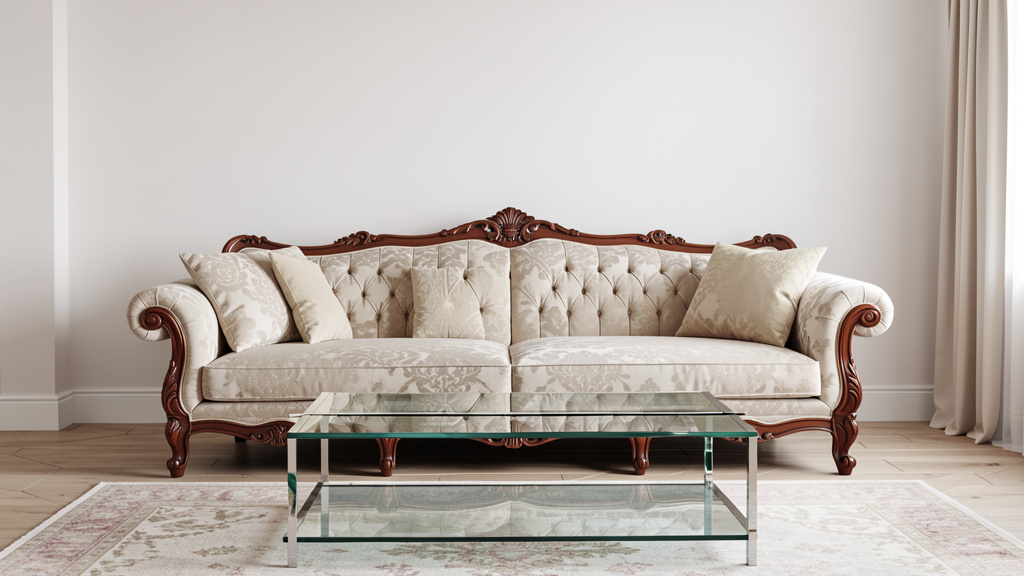
Create spaces that feel authentically yours—where heritage warmth and modern clarity coexist with quiet confidence, not visual tension.
Transitional design is a thoughtful philosophy of synthesis, not a rigid formula. It honors architectural character while embracing contemporary living needs, weaving together the soulful resonance of traditional elements with the clean intentionality of modern aesthetics. This guide offers a structured yet flexible framework, practical strategies, and nuanced insights to help you cultivate cohesive, deeply personal spaces that feel both timeless and current. Through intentional proportion, discerning editing, and subtle integration, you can transform any room into a sanctuary that reflects layered living—without fleeting trends or forced compromises.
Introduction
Step into a thoughtfully executed transitional space, and you feel an immediate sense of calm cohesion. There are no jarring contradictions—no ornate mantel awkwardly paired with stark acrylic furniture, no minimalist island clashing with intricate moldings. Instead, elements converse across time with mutual respect. Reclaimed oak flooring grounds the room while a sculptural linen-shaded lamp casts a warm glow over a streamlined sofa in performance fabric. This harmony emerges from intentionality, not accident. Transitional design gained prominence as homeowners sought balance between the rigidity of strict period styles and the occasional austerity of pure minimalism. It acknowledges a universal truth: our homes hold memory while serving present-day life. Understanding this evolution—from Victorian ornamentation reacting to industrial uniformity, to mid-century modern’s embrace of function, to today’s conscious blending—provides essential context. True success lies not in superficial mixing, but in cultivating visual equilibrium where emotional resonance and practical livability coexist. Design scholarship consistently observes that enduring interiors balance historical sensitivity with contemporary comfort—a principle central to transitional philosophy. This guide moves beyond fragmented tips to offer a cohesive methodology for creating spaces that feel authentically layered, deeply comfortable, and uniquely yours.
The Bridge Framework: Balance, Edit, Integrate
Transitional design thrives on a clear, adaptable three-pillar framework: Balance, Edit, Integrate. This structure transforms ambiguity into confident decision-making. Think of constructing a bridge: Balance ensures stable footing on both shores (traditional and contemporary), Edit removes unnecessary weight, and Integrate weaves materials into a seamless whole. This framework replaces guesswork with discernment, allowing you to evaluate every choice—from lighting to textiles—with clarity. Internalizing these pillars cultivates an intuitive eye for composition that serves long after this guide is closed. Let’s explore each pillar with practical depth, emphasizing why it matters and how to apply it across diverse contexts.
Pillar 1: Balance – The Art of Intentional Proportion
Balance in transitional design is rarely a strict 50/50 split. Instead, it establishes a dominant stylistic anchor (approximately 70%) with thoughtful counterpoints (30%). Visual weight—not item count—determines proportion. A single substantial traditional element (like a carved wooden bed) may carry more weight than several smaller contemporary accessories. This asymmetrical equilibrium creates dialogue without visual confusion.
Why Balance Matters: Human perception seeks stability. An unbalanced room triggers subtle unease—a massive traditional table paired with flimsy modern chairs feels disjointed. Conversely, stark contemporary furniture in a room with ornate plasterwork can feel alien. Balance resolves this tension, allowing each element to contribute meaningfully to a unified conversation.
Achieving Authentic Balance: Contextual Strategies
* Traditional-Dominant Spaces (70% Traditional, 30% Contemporary):
Ideal when architecture provides strong traditional cues: original moldings, hardwood floors, brick fireplaces, or wainscoting. Honor these bones. Select furniture with classic silhouettes (rolled-arm sofa, Queen Anne chair) in updated fabrics (textured linen, performance velvet).
Contemporary counterpoints: Introduce modern elements through finish and form. Swap heavy wood legs for tapered profiles (via reupholstery). Replace ornate chandeliers with clean-lined pendants in complementary finishes (brushed brass drum shade). Display contemporary art with simple frames above traditional mantels. Layer modern textiles: chunky knit throws, geometric lumbar pillows in neutral tones, low-pile rugs with organic shapes.
Why it works: Modern elements refresh without erasing character. Lighter legs visually lift furniture; simple art draws the eye without competing with architecture. The space feels curated, not costumed.
- Contemporary-Dominant Spaces (70% Contemporary, 30% Traditional):
Ideal for newer construction or open-concept layouts with clean lines, large windows, and minimal detailing. Begin with a serene neutral palette (warm whites, soft greiges) and furniture defined by simplicity (low-profile platform bed, streamlined sectional). Embrace negative space.
Traditional counterpoints: Inject warmth and narrative through texture, material, and singular statement pieces. Place a high-quality vintage or reproduction rug (Persian, Turkish) under the coffee table. Introduce one significant antique—a weathered chest as a media console, heirloom wingback chairs reupholstered in solid bouclé. Incorporate traditional materials: marble-top side table, brass tray, ceramic lamps with fabric shades.
Why it works: Traditional elements prevent sterility. The rug adds intricate pattern and rich color without overwhelming clean lines. The antique chest provides visual weight and storied character. Marble and brass introduce organic warmth that pure modern materials may lack. The room feels intentional, layered, and deeply human.
Adapting Balance to Constraints:
* Budget-conscious: Focus counterpoints on high-impact, low-cost items. Swap lampshades (traditional ceramic base with modern drum shade), add contemporary art prints in simple frames, or introduce textured throws/pillows. Refinish a single vintage piece instead of buying new.
* Rental limitations: Use removable elements. Temporary wallpaper with subtle traditional patterns on one accent wall, modern curtain panels over existing hardware, or area rugs to define zones and introduce texture/pattern.
* Scale awareness: Ensure contrasting pieces share visual weight. A substantial traditional armchair balances a modern sofa; a delicate antique stool does not. When in doubt, choose fewer, more significant counterpoints.
The Guiding Insight: Balance is not about erasing history or rejecting innovation; it is about curating a visual conversation where every element earns its presence through intentional proportion and respectful dialogue.
Pillar 2: Edit – The Discipline of Discernment
Editing is the cornerstone of sophisticated transitional design. In an era of abundant choice, editing—removing anything that doesn’t serve the unified vision—is an act of refinement, not deprivation. Transitional spaces thrive on clarity. Every unnecessary object, competing pattern, or mismatched finish creates visual static that undermines harmony. Editing reduces cognitive load, allowing the eye to rest on intentional contrasts and appreciate nuance. It signals confidence: you chose these elements deliberately.
A Practical Editing Protocol:
1. Blank Slate Assessment: Remove all accessories and non-essential furniture. Live with the empty space for 24–48 hours. Observe the architecture, light flow, and inherent lines. What is the room’s natural personality? This informs your dominant style choice.
2. The “Why Does This Belong?” Filter: Reintroduce items one category at a time. For each, ask: “Does this support my transitional vision through function, aesthetic alignment, or irreplaceable meaning?” Acceptable answers: “Provides essential seating/storage,” “Its form/material reinforces my 70/30 strategy,” “Holds deep sentimental value and integrates smoothly.” Unacceptable: “I’ve always had it,” “It was on sale,” “I don’t know where else to put it.”
3. Pattern and Texture Audit: Limit visible patterns to three distinct types per room, varying significantly in scale (e.g., large-scale rug pattern, medium-scale pillow print, subtle herringbone weave). Prioritize rich textures over competing patterns: bouclé, linen, nubby wool, smooth leather, warm wood grain. Texture adds depth without visual chaos.
4. Finish Unification: Limit visible metal finishes to two primary types used consistently (e.g., brushed brass on fixtures, hardware, frames; matte black on lamp bases, art frames). Avoid mixing warm (brass, copper) and cool (chrome, nickel) metals unless done with clear intent and restraint. Similarly, unify wood tones where possible—refinishing mismatched pieces is often worthwhile.
5. Negative Space Check: Ensure 30–40% of surfaces (tables, shelves) remain clear. This “breathing room” frames remaining objects, amplifying their significance. A single sculptural vase commands attention; the same vase buried among trinkets loses impact.
Editing in Context: Seasonal and Spatial Adaptation
* Seasonal shifts: Rotate textiles thoughtfully. In cooler months, layer chunky knits and wool throws; in warmer months, switch to lightweight linens and cottons. Store off-season items neatly. This maintains visual calm while adapting to climate.
* Small spaces: Edit more rigorously. Choose multifunctional furniture (storage ottoman, nesting tables). Prioritize vertical storage with streamlined shelves. Avoid large rugs that overwhelm; opt for proportionate sizes that define zones without crowding.
* Family homes: Designate “clutter zones” (a woven basket for remotes, a console tray for mail) to contain necessary items. Choose durable, stain-resistant fabrics for high-use areas—this is intelligent design, not compromise.
Pillar 3: Integrate – Weaving the Threads of Connection
Integration is the subtle alchemy that transforms contrast into cohesion. It creates visual threads—repeating color, material, shape, or texture—tying disparate elements together so the blend feels inevitable. Without integration, even balanced, edited rooms can feel like disconnected style islands. Integration leverages the brain’s pattern-recognition: repeated elements subconsciously link old and new, whispering “this was chosen” rather than “look how different these are.”
Four Accessible Integration Pathways:
1. Color as Connector: Choose a cohesive palette (3–5 core colors + neutrals) applied across eras.
Example: A deep navy armchair (traditional anchor) connects to a light gray sofa via navy throw pillows, an abstract art print with navy accents, and ceramic lamps in matching tones. The color becomes a unifying language.
Adaptive tip: Pull a secondary color from a vintage rug or wood tone for contemporary textiles. In seasonal shifts, swap accent pillows (terracotta in autumn, sage in spring) while keeping the core palette stable.
- Material Resonance: Repeat a key material in varied forms.
Example: A reclaimed oak dining table connects to oak-framed chairs, an oak cutting board on open shelving, and a small oak tray. The warmth and grain create a continuous sensory story.
Adaptive tip: Extend beyond wood. Repeat brass (fixtures, hardware, vintage tray), marble (fireplace surround, side table, coasters), or woven textures (seagrass rug, rattan pendant, jute basket). In humid climates (like bathrooms), choose moisture-resistant materials consistently (teak, powder-coated metal). - Shape and Line Echoing: Identify a dominant shape and echo it subtly.
Example: A round clawfoot tub (traditional) connects to a round mirror, ceramic vessels with curved profiles, and rounded drawer pulls on a floating vanity. The circular motif softens contrast between tub curves and vanity lines.
Adaptive tip: In angular contemporary spaces, introduce one traditional piece with soft curves (bergère chair) and echo that curve in modern art or a kidney-shaped coffee table. Avoid forcing shapes that clash with architecture. - Texture Layering: Cultivate a consistent textural language.
Example: A nubby wool rug and smooth leather sofa connect via bouclé pillows, a chunky knit throw, and a matte-finish ceramic lamp. The overall sensory experience feels “warm,” “tactile,” and “organic,” regardless of era.
Adaptive tip: Create a physical texture swatch board before shopping. Collect linen, bouclé, rough-hewn wood samples. Ensure new purchases align. Avoid introducing a single high-gloss acrylic piece into a matte, natural-texture room—it will feel disconnected.
Integration Across Seasons and Contexts:
In entryways, paint an antique bench a soft warm white to echo wall color and a ceramic vase. Repeat black metal from a console table in photo frames and vase bases. Add a textured wool rug in charcoal to tie into the photograph’s paper texture. Seasonally, swap the vase contents: dried grasses in fall, a single branch with buds in spring. These subtle threads create cohesion that feels effortless and alive.
Deepening the Dialogue: Core Principles in Action
The Bridge Framework gains depth through guiding principles—flexible lenses for navigating unique spaces, constraints, and evolving needs. These are not rigid rules but adaptable philosophies grounded in observed patterns of successful spaces. Mastery lies in applying them with nuance to your architecture, lifestyle, and personal narrative.
Principle 1: Honor the Architecture, Don’t Fight It
Your home’s bones are the essential starting point. Transitional design succeeds when it converses with inherent character, not against it. Ignoring architectural context creates dissonance; working with it builds authenticity. A soaring warehouse ceiling demands different solutions than a cozy 1920s bungalow. The architecture sets the emotional tone—your furnishings should respond to that tone.
Reading Your Room’s Language:
Spend quiet time observing:
– Lines: Soft/curved (arched doorways, ornate moldings) or sharp/geometric (clean corners, large windows)?
– Scale & Proportion: High or low ceilings? Spacious or intimate? High ceilings support taller furniture; low ceilings benefit from lower-profile pieces.
– Materials & Details: Original hardwood? Exposed brick? Crown molding? Note color, texture, era.
– Light: Abundant and diffuse (north-facing), warm and direct (south-facing), or dappled? Light quality influences color choices and mood.
Tailored Approaches by Architectural Context:
– Historic Homes (Pre-1940s): Traditional-dominant strategy (70/30). Let architecture lead. Clean and preserve original features. Choose furniture with era-complementary silhouettes (Mission-style table in Craftsman homes). Modernize through editing: replace heavy drapes with simple linen panels, install streamlined lighting in period-appropriate finishes. Integration: Pull wood tones or subtle colors from floors/moldings for accent hues. Repeat wood tones in modern accessories.
– Mid-Century Modern Homes (1940s–1970s): Contemporary-dominant with respectful nods (60/40). Preserve original wood paneling or stone fireplaces—they are assets. Reupholster vintage chairs in contemporary performance fabrics. Introduce new pieces echoing MCM principles (simplicity, nature connection) with modern comfort (deeper seats). Integration: Use the home’s original wood species (teak, walnut) as your primary wood tone. Repeat in new furniture. Honor the era’s biophilic spirit with abundant plants and natural fiber rugs.
– Contemporary/New Construction: Contemporary-dominant with warm infusions (70/30). Counter potential sterility by adding soul. Start with warm layered neutrals (avoid stark white). Introduce a high-quality vintage rug for history and texture. Incorporate natural materials abundantly: live-edge wood table, stone-top console, woven fixtures. Add architectural interest where lacking (simple crown molding). Integration: Use texture as your primary unifier—layer wool, linen, jute. Repeat one warm wood tone throughout. Place one or two significant vintage pieces (weathered trunk, antique mirror) to anchor the space in narrative.
Avoiding Common Missteps:
Do not recreate a historical period exactly in a home of a different era (e.g., faux-Victorian details in a 1980s ranch). Similarly, stripping all character from a historic home for “pure” minimalism often feels cold. Transitional design is dialogue, not replication or erasure. Work with what is genuinely present.
Principle 2: Prioritize Comfort and Function Without Compromise
Style without substance is decoration, not design. Transitional spaces excel by refusing to sacrifice livability for aesthetics. Comfort is not the enemy of style; it is its essential partner. A room no one wants to sit in has failed its purpose. True sophistication lies in weaving high function and deep comfort seamlessly into the visual narrative—supporting real life, not just photogenic moments.
Engineering Comfort Thoughtfully:
– Seating: Test rigorously before purchasing. Sit for 5–10 minutes. Assess seat depth (knees at ~90 degrees), cushion core (high-resilience foam with down blend offers support and comfort), arm height, and back support. For family homes or pets, consider performance fabrics (Crypton, Revolution)—they now come in sophisticated weaves and colors that look anything but institutional. Reupholstering a structurally sound antique chair with modern cushioning and fabric beautifully bridges eras and comfort.
– Lighting: Implement three layers:
1. Ambient: Soft overall light (recessed lights with dimmers, cove lighting; 2700K–3000K bulbs).
2. Task: Focused light for activities (adjustable reading lamps, under-cabinet kitchen lights, vanity lights beside mirrors).
3. Accent: Highlights for art or architecture (picture lights, adjustable spots).
Repeat your chosen metal finish across layers for cohesion. Dimmers are essential for adapting light to time of day or mood.
– Flow & Function: Map traffic paths first (minimum 36 inches for main routes). Arrange seating to encourage conversation, with coffee tables within easy reach (14–18 inches). Ensure clear sightlines to focal points (fireplace, view). Choose storage that is beautiful and functional: vintage chests for blanket storage, baskets for remotes, built-ins for display without clutter. Comfort includes mental ease—systems that reduce daily friction.
Contextual Comfort Considerations:
– Seasonal adaptation: In colder climates, prioritize plush rugs and layered textiles for warmth. In warmer regions, choose breathable natural fibers (linen, cotton) and ensure cross-ventilation. Adjustable lighting helps transition from bright summer days to cozy winter evenings.
– Multigenerational homes: Include seating options at varying heights and firmness. Ensure clear pathways for mobility aids. Avoid overly deep sofas that are difficult to rise from.
– The Comfort Check: Before finalizing, ask: “Will this make daily life easier and more enjoyable for everyone here?” If a stunning glass table means constant fingerprint anxiety, or a low sofa challenges elderly guests, choose a different solution. Elegant function is the hallmark of mature design.
Principle 3: Cultivate a Cohesive, Evolving Color Story
Color is the emotional heartbeat of transitional spaces. A haphazard approach shatters harmony; a cohesive palette creates seamless flow and calm. Transitional design favors a sophisticated neutral foundation (80% of visible color), punctuated by intentional accent colors (20%) that tell a continuous story room-to-room. This isn’t monotony—it’s creating a serene backdrop where architecture, texture, and meaningful objects shine.
Building Your Palette Step-by-Step:
1. Anchor to the Permanent: Identify unchangeable elements: flooring tone, countertops, brick fireplace, existing quality rugs. Pull physical samples. Determine dominant undertones (warm: yellow/red; cool: gray/blue). Matching undertones is critical—mixing warm and cool neutrals creates unintended muddiness.
2. Select Core Neutrals (3–4 colors): Choose a harmonious family aligned with your anchors.
– Warm anchors (honey oak, beige stone): Warm White (BM White Dove), Cream (BM Ballet White), Taupe (SW Accessible Beige).
– Cool anchors (gray-washed oak, cool countertops): Greige (SW Agreeable Gray), Cool Gray (BM Gray Owl).
Test large swatches (2’x2′) on multiple walls. Observe at dawn, noon, and dusk—lighting dramatically shifts perception.
3. Choose Accent Strategy: Select one primary accent color (e.g., deep sage, navy) and one secondary (e.g., terracotta, warm brass) used consistently throughout the home. Pull accents from your anchors: a hue in rug veining, pottery color. Use primary accents in larger doses across rooms (pillows, chair upholstery); secondary accents sparingly as highlights (vase, art detail).
4. Ensure Flow Between Rooms: In open concepts, use the same wall color throughout main areas. In compartmentalized homes, use variations within your neutral family (e.g., living room SW Agreeable Gray, dining room slightly deeper SW Repose Gray). Ensure your primary accent appears in every main space—even subtly (book spine, plant pot)—to create an invisible connecting thread.
Adapting Color Thoughtfully:
– Seasonal shifts: Keep core neutrals stable. Rotate accent textiles seasonally: ochre throws in autumn, soft blues in spring. Fresh flowers or seasonal botanical art provide low-commitment color updates.
– Regional considerations: In sun-drenched climates, slightly deeper neutrals prevent washed-out looks. In northern latitudes with softer light, lean toward warmer, lighter neutrals to enhance brightness.
– Avoiding pitfalls: Prevent “beige blandness” with texture and value contrast (smooth plaster wall, nubby rug, rough-hewn wood table). Limit accent colors to maintain sophistication. When in doubt, warmer neutrals are generally more forgiving and welcoming.
Principle 4: Curate with Intention, Not Accumulation
Transitional design is inherently curated. It rejects both maximalist clutter and sterile minimalism, championing meaningful selection. Every object should earn its place through beauty, function, memory, or story. This principle transforms spaces from anonymous to authentically personal, reducing visual noise and fostering appreciation for craftsmanship and narrative.
Developing a Curatorial Practice:
– Define Your “Why”: Before acquiring anything, clarify intent: “This reading chair serves a functional need,” “This art resonates with my travels,” “This textured throw addresses a warmth gap.” Pause on impulses like “It’s on sale” or “Everyone has one.”
– The 30-Day Contemplation Rule: For non-essential purchases above a personal threshold, wait 30 days. Revisit your wish list. Does it still solve the need? This eliminates impulse buys and deepens appreciation.
– Strategic Sourcing:
– Antique/Vintage: Hunt for one significant piece per room (chest, mirror). Prioritize solid construction and good bones over perfect condition. Note its dominant color/wood tone to inform room accents.
– Thrift/Estate Sales: Find unique accessories (ceramic vases, brass trays) with good form—finishes can often be updated.
– Local Artisans: Support makers for soulful, unique pieces (hand-thrown ceramics, woven textiles) that bridge traditional craft and contemporary sensibility.
– Contemporary Retailers: For high-use foundational pieces (sofas, dining chairs), choose quality construction and timeless silhouettes. Prioritize customizable options (fabric, leg finish) for integration.
– Heirlooms: Honor meaningful pieces through thoughtful integration (refinishing, reupholstering) or respectful storage if they don’t fit.
– One In, One Out: For accessories, adopt this policy to prevent clutter creep. When adding a new decorative item, remove one existing item. This maintains intentionality over time.
Curating Accessories with Care:
Group objects in odd numbers (3, 5) with varied heights and textures (smooth ceramic, rough wood, woven rattan). Display collections intentionally on dedicated shelves—not scattered randomly. Incorporate organic elements that shift with seasons: pinecones in winter, budding branches in spring, sunflowers in summer, dried grasses in fall. These free, sustainable touches bridge traditional craftsmanship and contemporary biophilic design, adding life and temporal connection. Move from “What can I add?” to “What is essential?” True sophistication lies in restraint—a single vintage mirror makes a stronger statement than a crowded wall.
Room-by-Room Application: Bringing the Framework to Life
Theory becomes tangible through room-specific application. Each space has unique functional demands, architectural features, and emotional roles. This section translates the Bridge Framework and core principles into adaptable blueprints. Consistency in your overall color story and editing discipline ensures whole-home flow, while honoring each room’s distinct purpose.
The Living Room: The Heart of Connection
The living room balances aesthetic appeal with deep comfort and flexible functionality. Avoid the pitfalls of a sterile showroom or an untouchable formal parlor. Prioritize spaces that invite relaxation, conversation, and authentic living.
Architectural Assessment & Adaptation:
– High ceilings/crown molding: Embrace grandeur. Choose appropriately scaled furniture (substantial sofa or large sectional). Hang art higher; use tall floor lamps or statement pendants to draw the eye up. Paint moldings a shade lighter than walls for subtle definition.
– Low ceilings: Create height illusion. Select lower-profile furniture with exposed legs. Use vertical lines: floor-to-ceiling curtains hung near ceiling line, tall narrow bookcases. Avoid heavy crown molding; use a large mirror to reflect light and expand space.
– Abundant natural light: Celebrate it. Use simple, openable linen panels. Choose light-reflective surfaces (glass coffee table, metallic lamp bases). Opt for performance fabrics on seating to resist fading.
– Limited natural light: Counteract gloom. Paint walls/ceilings your lightest warm neutral. Choose lighter wood tones or light upholstery. Layer warm artificial lighting (2700K bulbs, dimmers). Place mirrors opposite windows to bounce light. Avoid dark, light-absorbing rugs or furniture.
Furniture, Textiles & Flow:
– Seating plan: Avoid matching sets. In a contemporary-dominant room with a sleek sofa, place one significant traditional armchair (bergère reupholstered in cognac leather) balanced by a modern lounge chair. Ensure conversation-friendly arrangement with clear pathways (minimum 30 inches around seating area).
– Tables: Pair a traditional wooden coffee table with modern acrylic side tables, or a live-edge slab table with traditional nesting tables. Verify compatible heights (coffee table top within 1–2 inches of sofa seat).
– Rug: Define the seating area. Traditional-dominant: high-quality vintage or reproduction Persian rug. Contemporary-dominant: large textural rug with subtle pattern (flatweave dhurrie, nubby wool). Ensure front legs of seating rest on rug.
– Textiles: Limit patterns (one larger-scale, one smaller-scale or texture, solids). Mix fabrics: velvet, linen, bouclé. Fold a chunky knit throw neatly at the sofa’s end. Integration: Echo a rug accent color in one pillow; repeat wood tones in a woven basket.
– Window treatments: Opt for simplicity—floor-length linen panels in a tone slightly lighter/darker than walls. Mount rods high and wide. Use hardware matching your metal finish (brushed brass, matte black).
Lighting, Art & Styling:
– Lighting: Implement all three layers. Ambient: recessed lights on dimmers. Task: adjustable floor lamps beside chairs. Accent: picture lights for art. Repeat metal finishes.
– Artwork: Choose personally resonant pieces. A large contemporary abstract can contrast beautifully with traditional architecture. Group smaller vintage prints in matching simple frames. Hang art at eye level (center 57–60 inches from floor).
– Surface styling: Edit ruthlessly. Coffee table: one book stack, one sculptural object, one low vase with seasonal botanicals. Console: one lamp, one tray for essentials, one meaningful object. Mantel: asymmetrical arrangement with varying heights. Avoid symmetry—it feels stiff.
– TV integration: Place off-center if possible. Use cabinetry with doors to conceal when not in use. Ensure the mantel, art, or window remains the visual anchor.
The Kitchen: Where Heritage Meets Innovation
The kitchen demands peak functionality, durability, and warmth. Success lies in balancing efficient modern systems with elements that honor craft and history—a space where family recipes meet contemporary living.
Cabinetry Strategy:
– Traditional-dominant (Shaker/inset panels): Shaker doors offer ideal transitional simplicity. Paint in warm complex neutrals (greige, soft gray—not stark white). Modernize with sleek hardware (brushed brass bar pulls). Extend cabinets to ceiling if possible; use open shelving sparingly for beautiful dish display.
– Contemporary-dominant (slab doors): Choose warm wood tones (light oak, walnut) over cool high-gloss finishes. Introduce warmth via one section of traditional open shelving or a vintage hutch as pantry station.
– Integration masterstroke: Mix styles intentionally. Use traditional Shaker cabinets on perimeter, contrast with a contemporary island (slab door in deep navy, reclaimed wood base with honed marble top). Ensure contrast feels deliberate, not accidental.
Surfaces & Fixtures:
– Countertops: Honed marble/quartzite for traditional-dominant (less formal than polished); quartz with subtle veining for contemporary-dominant. Butcher block on island injects warmth universally—seal properly.
– Backsplash: Elevate subway tile with larger format (4″x8″), herringbone pattern, or handmade ceramic with subtle variation. Textured zellige tile in neutral tones adds artisanal depth. Slab material extension (quartz, marble) offers seamless contemporary look.
– Flooring: Ensure wood tone aligns with cabinets (match undertones). Large-format porcelain tiles mimicking wood offer durability with warmth. Avoid stark white tile.
– Appliances & Fixtures: Panel-ready refrigerators/dishwashers create seamless look. Choose range hood as statement piece (custom wood to match cabinets, or sleek metal in your finish). Farmhouse sink bridges eras beautifully; pair with gooseneck faucet in matching hardware finish (brushed brass, matte black).
Functional Integration & Adaptation:
– Lighting: Non-negotiable under-cabinet task lighting (warm LED, dimmers). Pendants over island should provide focused light; choose styles bridging eras (glass globes in brass finish, woven rattan).
– Zoning: Define cooking, prep, and gathering zones clearly. Ensure island seating has adequate knee space (15+ inches) and comfortable stools with backs/footrests.
– Seasonal/contextual: In humid climates, prioritize moisture-resistant materials (powder-coated metal, sealed wood) and ensure robust ventilation. For family kitchens, designate a “command center” zone with accessible storage for schedules and supplies—integrate its finish with your hardware scheme.
– Pitfall alert: Strictly limit metal finishes to two max. Edit countertops ruthlessly—store appliances not used daily. A clear countertop signals sophisticated design.
The Primary Bedroom: A Sanctuary of Serene Balance
The bedroom’s purpose is rest and rejuvenation. Prioritize profound calm, comfort, and personal retreat. Avoid stimulating colors, harsh lighting, or visual clutter. Texture, soft lighting, and a restrained palette create a haven that feels like a gentle exhale.
Foundation for Calm:
– Walls & ceiling: Paint in your softest restful neutral (warm white, pale greige). Paint ceiling same color or one shade lighter to cocoon the space. Paint crown molding same as walls for seamless modern look, or one shade lighter for subtle definition.
– Flooring: Layer a large plush rug (wool or high-pile synthetic) extending under bed and 24+ inches beyond. Choose subtle texture or muted pattern (faded vintage look). Avoid busy patterns.
– Window treatments: Layer for function and ambiance. Blackout roller shades (neutral fabric) topped with heavy floor-length linen or velvet curtains in calming tones (soft gray, warm taupe). Mount rods high and wide. Ensure full opening for morning light.
Bed, Furniture & Layout:
– Bed frame: Traditional-dominant: upholstered panel bed with subtle nailhead trim (in your metal finish) or substantial wooden frame with clean lines. Contemporary-dominant: low-profile platform bed in light wood or textured fabric. Ensure headboard height is proportional to room scale.
– Bedding: Invest in quality mattress/pillows. Layer for texture and temperature: percale sheets, lightweight blanket, duvet. Mix textures (crisp sheets, chunky knit blanket, linen duvet cover). Stick to neutrals with one subtle accent color (charcoal pillows on cream bedding). Fold duvet down to reveal layers; limit decorative pillows for sleeping ease.
– Nightstands: Embrace intentional contrast. Vintage wooden chest on one side, simple modern cube in matching wood tone on the other. Ensure surface height aligns with mattress top. Edit surfaces to essentials only (lamp, book, water glass).
– Additional seating: If space allows, include a comfortable chair (traditional wingback reupholstered in soft bouclé) with small side table and focused lamp.
– Storage: Prioritize concealed storage. Edit aggressively—if room feels crowded, remove dresser and use under-bed storage or optimized closet systems. Clear floor space enhances calm.
Lighting & Personal Touches:
– Lighting: Ambient: recessed lights on dimmer. Task: wall-mounted swing-arm sconces (ideal—free nightstand space, focused reading light) or table lamps with fabric shades. Accent: small dresser lamp. Replace all bulbs with warm white (2700K); use dimmers universally.
– Artwork: Choose calming, personal pieces—large abstract in muted tones, black-and-white photograph of meaningful place, vintage botanical print. Avoid busy or stimulating imagery.
– Integration: Echo bedding accent color in rug pattern or throw blanket. Repeat wood tones across bed frame, nightstands, dresser.
– Sensory elements: Incorporate subtle multi-sensory touches: lavender diffuser, soft wool rug underfoot, blackout curtains for perfect darkness. These deepen the sanctuary feeling without visual clutter.
– Seasonal adaptation: Swap bedding weights seasonally (flannel in winter, linen in summer). Adjust throw textures accordingly. In warmer months, ensure cross-ventilation; in colder months, layer additional textiles for warmth.
The Bathroom: A Haven of Timeless Tranquility
The bathroom blends hygiene, ritual, and retreat. Transitional design here balances modern functionality with materials that evoke warmth and craftsmanship. Avoid clinical sterility or dated ornamentation. Create a space that feels both spa-like and deeply personal—a sanctuary for daily renewal.
Architectural Assessment & Material Strategy:
– Existing features: Honor original elements where possible (clawfoot tub, pedestal sink, hex tile floor). Clean and restore rather than replace. If updating, choose replacements that echo the era’s spirit with modern performance (e.g., reproduction clawfoot tub with acrylic liner for durability).
– New construction/renovation: Start with a serene neutral palette on walls (warm white, soft greige). Avoid stark white—it amplifies coolness. Choose large-format tiles to minimize grout lines and create calm. For shower walls, consider textured ceramic or matte-finish porcelain for subtle visual interest without busyness.
– Flooring: Prioritize safety and warmth. Large-format porcelain tiles mimicking wood grain offer durability and organic warmth. Add a plush bath mat (or heated mat in colder climates) for comfort underfoot. If keeping existing tile, ensure its tone aligns with your chosen palette—use area rugs strategically if needed.
Fixtures, Surfaces & Integration:
– Vanity: Traditional-dominant: floating vanity with Shaker-style doors in warm wood tone. Contemporary-dominant: wall-mounted slab vanity in matte finish. Integration masterstroke: Pair a traditional-style vanity base (painted in soft greige) with a contemporary vessel sink in matte ceramic or honed stone. Repeat wood tones from adjacent rooms if visible.
– Countertops & Backsplash: Honed marble or quartzite for traditional warmth (seal regularly); engineered quartz with subtle veining for contemporary durability. For backsplash, extend countertop material for seamless look, or use handmade ceramic tile with gentle variation in a neutral tone. Avoid busy small-scale patterns.
– Fixtures (Faucets, Shower): Choose finishes matching your home’s primary metal (brushed brass, matte black). Styles bridging eras work best: gooseneck faucet with clean lines in warm finish; rainfall showerhead with minimalist trim. Ensure thermostatic controls for safety and comfort.
– Mirror & Lighting: Avoid builder-grade medicine cabinets. Choose a framed mirror in your metal finish or wood tone. Flank with sconces at eye level (not above) to eliminate facial shadows—critical for grooming. Repeat fixture finish in sconces. For ambient light, use recessed lights on dimmer with warm bulbs (2700K).
Functional Zones & Adaptive Solutions:
– Storage: Maximize smart storage. Recessed niches in shower for shampoo (lined with matching tile). Floating shelves in teak or powder-coated metal for towels. Under-sink organizers. Edit surfaces ruthlessly—store daily items in drawers; display only beautiful essentials (ceramic soap dispenser, folded hand towel).
– Ventilation: Non-negotiable for moisture control. Install a high-CFM exhaust fan on a timer or humidity sensor. In humid climates, prioritize moisture-resistant materials (teak stools, powder-coated metal baskets) and ensure fan runs sufficiently post-shower.
– Comfort enhancements: Heated floors (if renovating) or a small space heater for colder climates. A small stool for shaving or foot care—choose one that integrates material-wise (teak, powder-coated metal).
– Seasonal/contextual: In dry climates, incorporate a small humidifier discreetly. In homes with children, choose durable, easy-clean surfaces and secure storage for safety items. For aging-in-place considerations, integrate grab bars disguised as towel bars in matching finish—safety and style coexist.
– Pitfall alert: Avoid mixing more than two metal finishes. Edit countertop clutter daily. Ensure all textiles (towels, bath mat) align with your color story—neutral base with one accent color repeated from other rooms (e.g., sage towels echoing bedroom pillows).
Bringing It All Together:
A transitional bathroom feels intentional and calming. Imagine: warm greige walls, large-format matte porcelain tiles, a floating vanity in light oak with brushed brass hardware, a vessel sink in honed travertine, sconces flanking a wood-framed mirror, a vintage-inspired stool in teak, and plush towels in cream with sage accents. Every element connects through repeated materials, finishes, and colors. The space honors ritual while embracing modern comfort—a true haven.
Navigating Common Frictions: Adaptive Solutions for Real-World Constraints
Even with a clear framework, real-life constraints arise. Transitional design’s strength lies in its adaptability. This section addresses frequent friction points with practical, context-aware solutions—proving that intentionality thrives within limits.
Budget Constraints: Prioritize with Purpose
– High-impact, low-cost edits: Paint is transformative. Refresh dated wood furniture with chalk paint in a warm neutral; update cabinet hardware; paint an accent wall behind the bed or sofa.
– Strategic investments: Allocate funds to foundational pieces used daily (comfortable sofa, quality mattress). Choose well-constructed frames you can reupholster later.
– Thrifted treasures: Hunt for solid wood furniture at thrift stores, estate sales, or online marketplaces. Sand and refinish to match your wood tone. A $50 vintage chest, refreshed, becomes a meaningful focal point.
– DIY integration: Create your own art. Frame fabric swatches, botanical prints, or meaningful maps in matching simple frames. Make a gallery wall with family photos in unified frames (thin black metal or natural wood).
– Phased approach: You don’t need to transform everything at once. Start with one zone (e.g., living room seating area). Apply Balance, Edit, Integrate there fully. Let that success fuel the next phase. Progress over perfection.
Rental Limitations: Temporary Transitions
– Walls: Use removable wallpaper with subtle texture or pattern on one accent wall. Apply removable fabric panels or large-scale art to define zones.
– Fixtures: Swap out dated lampshades for modern drum shades. Use plug-in wall sconces (no hardwiring) for bedside lighting. Place a stylish floor lamp in a dark corner.
– Floors: Layer large area rugs to cover dated flooring and define spaces. Choose rugs with non-slip pads.
– Hardware: Use removable adhesive hooks for hanging art or lightweight shelves. For cabinets, temporary stick-on pulls can refresh dated hardware (test adhesion first).
– Mindset shift: Focus on what you can control—textiles, accessories, furniture arrangement. Edit existing landlord-provided furniture ruthlessly; store what doesn’t serve your vision. Your curated layers create the transitional feel, not permanent changes.
Conflicting Styles in Shared Homes
– Find common ground: Identify shared values. “We both want the living room to feel welcoming for guests” or “We agree the kitchen should be easy to keep tidy.” Anchor decisions in shared goals.
– Zone intentionally: Assign stylistic dominance by zone. One partner’s home office leans traditional; the other’s reading nook leans contemporary. The shared living room finds middle ground via the 70/30 rule.
– Compromise through integration: If one loves ornate mirrors and the other prefers minimalism, choose one significant mirror with a simple frame but elegant shape. Place it where both can appreciate it. Repeat its finish elsewhere.
– Focus on comfort: Prioritize shared comfort needs (seating depth, lighting layers). When function aligns, style differences soften. “This sofa is deep enough for movie nights and has clean lines we both like.”
– Professional mediation: For persistent friction, hire an hourly design consultant for a focused session. An objective expert can translate both visions into a unified plan.
Mismatched Wood Tones: Creating Harmony
– Embrace variation intentionally: In large homes, slight wood tone variations between floors can feel organic. Unify through area rugs that bridge tones (e.g., a rug with both warm and cool undertones).
– Strategic repetition: Repeat the lightest wood tone in small accessories throughout the space (picture frames, tray, lamp base). This creates visual threads that tie disparate tones together.
– Refinish selectively: If one piece is significantly darker/lighter and causes dissonance, refinishing may be worthwhile. Start with the most prominent piece (dining table). Test samples first.
– Neutral buffer: Place a large neutral rug (textured wool in greige) under furniture with mismatched wood tones. The rug acts as a visual buffer, reducing direct contrast.
– Lighting adjustment: Warm white bulbs (2700K) soften cool wood tones; cooler bulbs (3000K) can balance overly warm tones. Experiment with bulb temperature before making permanent changes.
When “Editing” Feels Like Loss
– Honor sentimentality thoughtfully: Not every heirloom needs prominent display. Photograph meaningful items. Create a dedicated “memory shelf” with 3–5 most significant pieces, styled intentionally. Store others respectfully; pass to family members who will cherish them.
– Repurpose with care: Transform a grandmother’s quilt into throw pillows. Use vintage china as wall art. Frame fabric from a wedding dress. Give the memory new life within your current aesthetic.
– Rotate displays: Create a curated collection of family photos or small heirlooms. Rotate them seasonally. This keeps the connection alive without permanent visual clutter.
– Acknowledge emotion: Editing can be emotional. Give yourself grace. Start with low-stakes areas (linen closet, garage). Celebrate small wins. Remember: editing creates space for what truly matters—both physically and emotionally.
Your Questions, Answered
Q: Can transitional design work in a very small apartment?
A: Absolutely—and it often excels there. Small spaces benefit immensely from transitional clarity. Focus on multifunctional furniture (storage ottoman, nesting tables), a restrained neutral palette to enhance perceived space, and rigorous editing. Use mirrors strategically to reflect light. Choose one or two significant counterpoints (e.g., a vintage rug under a modern sofa) rather than many small items. The goal is calm cohesion, which feels especially expansive in compact quarters.
Q: How do I handle mismatched wood floors between rooms?
A: This is common in older homes. First, assess if the variation feels intentional (e.g., original hardwood in living room, tile in kitchen). If jarring, use area rugs at thresholds to create visual buffers. Choose rugs with colors/textures that bridge both floor tones. Repeat the lightest wood tone in accessories throughout the connected spaces (frames, trays). In renovations, consider refinishing to a unified neutral tone, but often thoughtful styling minimizes the contrast without major work.
Q: Are there colors I should avoid in transitional design?
A: There are no forbidden colors, but approach saturated brights (neon pink, electric blue) with caution. They can dominate the neutral foundation essential to transitional harmony. If you love bold color, use it sparingly as a secondary accent: one art piece, a single pillow, the inside of a bookshelf. Pull accent colors from your permanent elements (rug, stone) for cohesion. Deep, muted tones (navy, forest green, terracotta) integrate more seamlessly than high-saturation hues.
Q: How do I incorporate family heirlooms that don’t match my style?
A: Honor the memory without forcing integration. Photograph the item. Display it thoughtfully in a dedicated spot (a shelf with meaningful grouping) rather than scattering it. Repurpose if possible: reupholster a structurally sound chair, use vintage fabric for pillows, frame china as art. If it doesn’t fit aesthetically or functionally, store it respectfully or pass it to a family member who will cherish it. True curation balances sentiment with intentional living.
Q: Can transitional design be sustainable?
A: Yes—intentionality is inherently sustainable. Prioritize quality over quantity. Source vintage and antique pieces (giving existing items new life). Choose natural, durable materials (wood, wool, linen) that age gracefully and avoid fast furniture. Repair and refinish instead of replacing. Support local artisans and makers. The “curate, don’t accumulate” principle reduces waste. Transitional design’s focus on timeless appeal over trends aligns deeply with sustainable values.
Q: How do I adapt transitional design for homes with pets or young children?
A: Comfort and function are non-negotiable—and achievable. Choose performance fabrics (Crypton, Revolution) in sophisticated weaves and colors—they resist stains without looking institutional. Opt for durable, easy-clean surfaces (sealed wood tables, wipeable lamp bases). Avoid delicate accessories at toddler height; use sturdy baskets for toy storage. Place valuable heirlooms higher up. Embrace washable rugs. Remember: a space that supports real life is beautiful. Edit surfaces to minimize breakables; focus beauty on walls and higher zones.
Q: What’s the difference between transitional and eclectic design?
A: Both blend styles, but with different intent. Eclectic design celebrates bold, personal juxtapositions—often with higher color saturation, more patterns, and intentional “clashing” for expressive effect. Transitional design seeks harmony and visual calm through intentional proportion (70/30 balance), rigorous editing, and subtle integration. It feels resolved and serene; eclectic feels dynamic and expressive. Neither is superior—they serve different temperaments and goals. Transitional is ideal if you crave cohesion; eclectic if you thrive on vibrant individuality.
Q: How often should I update a transitional space?
A: The strength of transitional design is its timelessness. Core elements (architecture, cabinetry, large furniture) should remain relevant for decades. Refresh occurs through adaptable layers: swap textiles seasonally (pillows, throws), rotate art, update accessories. If your neutral foundation is cohesive, these small shifts feel intentional, not dated. Listen to your space—if an element no longer serves comfort or joy, edit it thoughtfully. Avoid trend-driven updates; let personal evolution guide changes.
Q: Can I use black in a transitional space without it feeling too harsh?
A: Yes—black adds definition and sophistication when used intentionally. Avoid large blocks of pure black. Instead, use it as an accent: matte black lamp bases, picture frame details, hardware mixed with your primary finish (e.g., brushed brass with touches of matte black). In contemporary-dominant spaces, a black-framed mirror or artwork adds crispness. Ensure ample warm lighting (2700K bulbs) to soften black’s contrast. Always repeat the black element elsewhere for integration—never as a single isolated item.
Q: How do I start if my home is currently very traditional or very modern?
A: Begin with observation. Live in the space for a week. Note what you love (the warmth of wood floors, the clean lines of your sofa) and what feels unresolved (cluttered surfaces, harsh lighting). Apply the Blank Slate Assessment to one room: remove accessories, observe the bones. Choose your dominant style based on architecture and what brings you calm. Then, introduce one counterpoint thoughtfully (e.g., in a traditional room, swap one lampshade for a modern drum shade; in a modern room, add one vintage rug). Master one room before expanding. Small, confident steps build momentum.
Conclusion and Your Next Step
Transitional design is not about achieving a perfect, magazine-ready image. It is a compassionate practice of creating spaces that honor your history while supporting your present life—a visual expression of layered living. By applying the Bridge Framework (Balance, Edit, Integrate) with flexibility, respecting your architecture, prioritizing genuine comfort, cultivating a cohesive color story, and curating with intention, you build environments that feel authentically yours. These spaces grow with you, adapting through seasons and life changes without losing their core harmony.
Recap the Essentials:
1. Establish intentional proportion (70/30 balance) based on your architecture and needs.
2. Edit with discernment—remove what doesn’t serve clarity, comfort, or meaning.
3. Weave subtle threads of connection (color, material, texture) to unify old and new.
4. Prioritize human experience: comfort, function, and emotional resonance over rigid aesthetics.
Your 24-Hour Action:
Choose one small surface in your home—a bookshelf, a console table, a nightstand. Clear everything off it. Wait 24 hours. Tomorrow, return only the items that earn their place through function, beauty, or deep meaning. Arrange them with intention, leaving generous negative space. Notice the shift in calm and clarity. This micro-edit builds confidence for larger steps.
The Bigger Picture:
Your home is a living narrative. Transitional design provides the grammar to tell your story with grace—where a grandmother’s quilt rests on a modern sofa, where morning light filters through linen curtains onto reclaimed wood floors, where every choice reflects thoughtfulness rather than trend. This approach cultivates not just beautiful rooms, but a more intentional way of living. You are not merely decorating; you are curating a sanctuary that supports well-being, connection, and peace. Trust your instincts, move at your own pace, and find joy in the process of creating spaces that feel truly, quietly, like home.